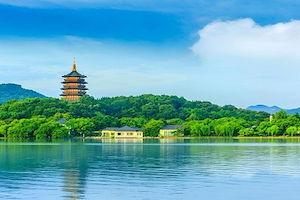
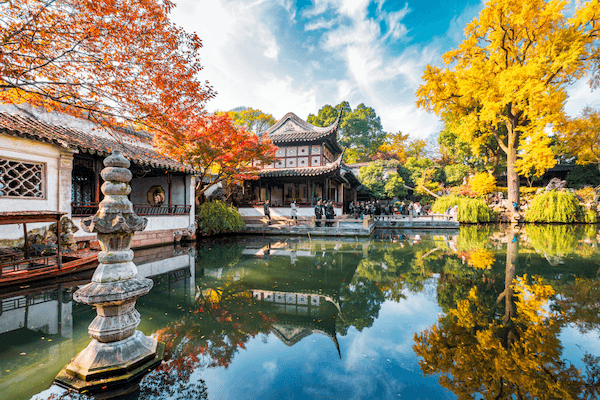
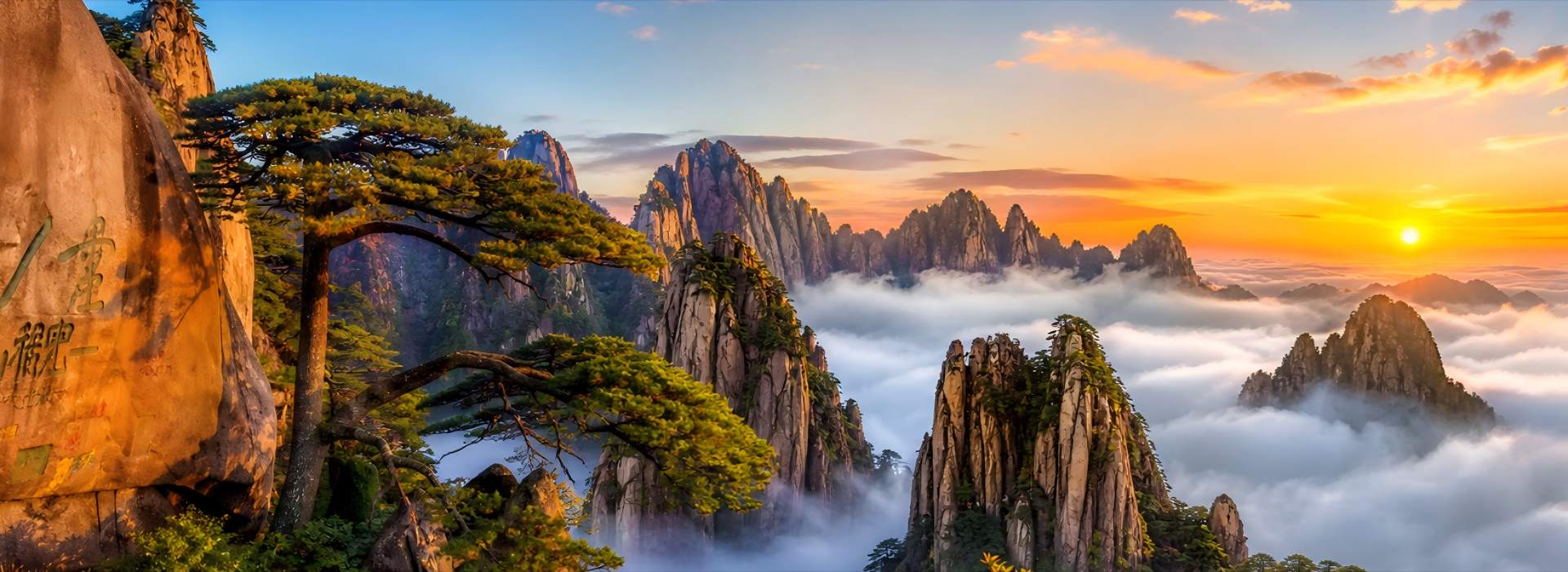
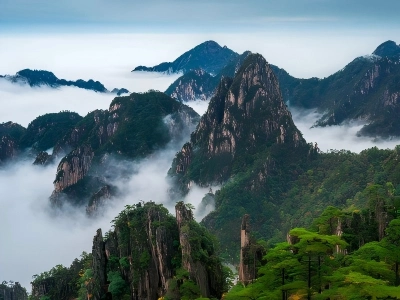
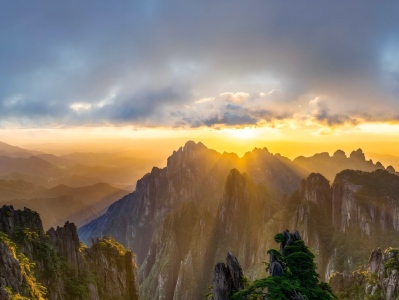
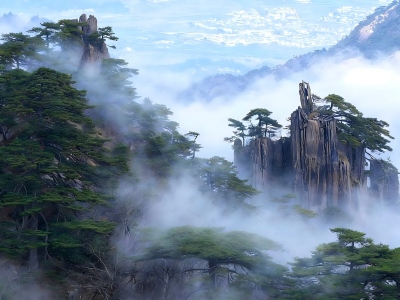
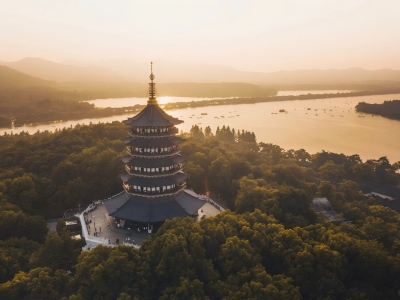
Have no idea how to visit Huangshan from from Hangzhoun? Start your day strolling along West Lake's serene waters, then journey to Huangshan's misty peaks, where granite mountains rise from a sea of clouds.
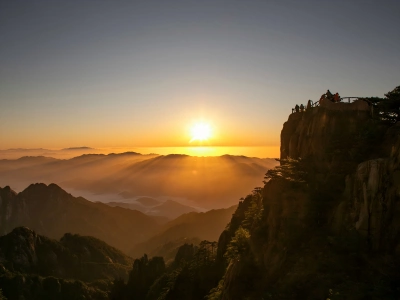
This route is unforgettable: explore ancient Tunxi streets, soak in local culture, and catch the breathtaking sunrise over Huangshan. Adventure, culture, or peaceful escape—this guide covers the fastest trains, scenic routes, private transport, and practical tips to make your trip smooth and memorable.
By the end, you'll know exactly how to plan your Hangzhou-to-Huangshan journey and make every moment count.
How to Travel From Hanghzou to Huangshan
Choosing the right route is key to starting your Huangshan adventure right. From time-saving high-speed trains to scenic bus journeys and convenient private car options, there are plenty of ways to make the trip. Keep reading for the top travel options, insider tips, and practical advice to ensure your Hangzhou-to-Huangshan journey is smooth, comfortable, and unforgettable.
Best Way to Travel From Hangzhou to Huangshan
Distance and Location
Huangshan, also known as the Yellow Mountains, is located in southern Anhui Province, about 320 kilometers (200 miles) from Hangzhou. Depending on how you choose to travel:
High-speed train: 3–4 hours
Private car or taxi: 4–5 hours
Bus: 5–6 hours
High-Speed Train: Fastest & Most Comfortable
Why choose it: The high-speed train is reliable, fast, and comfortable, making it ideal for you.
Duration: 3–4 hours
Departure Station: Hangzhou East Railway Station
Arrival Station: Huangshan North Railway Station
Tickets:
Book online via China Railway 12306 or local travel apps.
Choose from second-class (affordable), first-class (spacious), or business-class (luxury).
Tips for Travelers:
Arrive 30 minutes early for security checks.
Keep your passport handy; it is required for ticket verification.
Check train schedules before your trip, especially during holidays.
Pro Tip: If traveling during peak seasons, book tickets 2–3 weeks in advance to secure your preferred train.
Bus: Scenic & Budget-Friendly
Traveling by bus is a good option for you if you want to enjoy the scenic countryside views or a budget-friendly journey.
Duration: 5–6 hours
Departure Points: Hangzhou Coach Station or downtown terminals
Arrival Points: Huangshan City or Tunxi District
Tips:
Bring snacks, water, and a light blanket for comfort.
Avoid traveling during national holidays, as buses may be crowded.
Tickets can be purchased at the station or online via travel apps.
Private Car or Taxi: Convenient & Flexible
If you travel with a families, small groups, or travel with lots of luggage, hiring a private car or taxi is the most convenient option.
Duration: 4–5 hours
Cost: Higher than train or bus, but offers door-to-door service
Route Tips: Use G56 Hangrui Expressway for the fastest travel
Booking Tip: Arrange through reputable travel agencies or hotels, and confirm the price before departure
Huangshan–Hangzhou Transportation Tips
Travel Early Morning: Avoid crowds and have more time to explore.
Pack Light: Easier for buses and taxis, plus Huangshan requires walking.
Carry Cash & Cards: Most stations accept mobile payment, but cash is handy for taxis and shuttle buses.
Check Train Timetables: Train schedules may change, especially in holidays.
Dress Appropriately: Huangshan can be foggy or rainy; wear layers and comfortable shoes.
Book Tickets in Advance: Especially during Golden Week, Chinese New Year, or summer holidays.
Shuttle Services: Huangshan North Station has shuttles to the city and scenic areas—check schedules in advance.
Which Option Is Best for You?
First-time visitors → Train / Private
Train/ Private Transfer: If you are the first time visit to Huangshan, High-speed train or private transfer is the easiest way. You avoid getting lost, enjoy comfort, and can focus on sightseeing rather than logistics.
Budget travelers → Train / Bus
If you want to save your budget, trains and buses are the most cost-effective options. They are reliable and frequent, making them ideal way to save money.
Families / elderly → Private transfer
A private transfer is the safest and most convenient choice if you travel with a families and elderly. It provides door-to-door service, minimizes walking, and avoids the hassle of luggage or language barriers.
Adventure travelers → Train + DIY
For those who enjoy exploring independently, taking the train and planning your own transfers allows flexibility and adventure. You can mix local buses, taxis, or walking to explore hidden spots along the way.
Step-by-Step Guide From Hangzhou to Huangshan
· Leave hotel in Hangzhou – check out and gather your luggage.
· Go to railway station – by taxi or subway, allow 30–60 minutes depending on location.
· Take train – follow boarding instructions; enjoy the scenic ride.
· Arrive at Huangshan North – disembark and collect luggage.
· Transfer to scenic area – via shuttle bus, taxi, or private transfer (about 1 hour).
· Enter the mountain – buy your park tickets and prepare for hiking or cable car.
What Happens After You Arrive in Huangshan
Huangshan North ≠ Scenic Area
The railway station is outside the mountain area. You still need transportation to reach the park entrance.
How to Get to Scenic Area
Shuttle bus: ¥30–50 per person, 40–50 minutes.
Taxi/private transfer: more convenient, slightly higher cost.
Time + Cost
Plan an additional 1–1.5 hours and ¥30–100 per person depending on transport mode to reach the mountain entrance.


Is Huangshan Worth Visiting From Hangzhou?
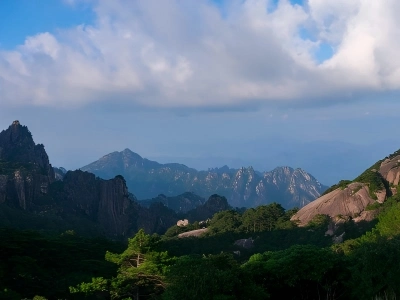
If you're considering a trip from Hangzhou to Huangshan, the answer is a resounding yes. While Hangzhou charms visitors with its poetic West Lake, classical gardens, and lively city life, Huangshan offers a completely different experience—dramatic granite peaks, misty clouds, ancient pine trees, and centuries-old villages.
Why Visit Huangshan From Hangzhou
· Spectacular Scenery: Peaks rise above the clouds, with magical sunrise and sunset views, making it one of China's most photographed mountains.
· Cultural Heritage: Explore ancient villages like Hongcun and Xidi, showcasing traditional Anhui architecture and rural life.
· Outdoor Adventure: Hike scenic trails or take cable cars for a comfortable and immersive nature experience.
· Relaxation Options: Hot springs and scenic viewpoints provide ways to enjoy the mountains at your own pace.
The contrast between Hangzhou's calm West Lake and Huangshan's awe-inspiring mountains makes this route unforgettable.
Who Should Visit
· Ideal for: Families with school-age children, hikers, nature enthusiasts, and culture lovers.
· Less suitable for: Very young children, elderly with mobility issues, or anyone with serious knee, leg, or heart conditions, due to steep trails and stairs.
Explore Huangshan with ease through our Huangshan tours, combining the mountain's iconic scenery with nearby cultural highlights and comfortable travel arrangements.
Things to Do in Huangshan
Huangshan, the legendary Yellow Mountain, is a place where breathtaking natural wonders meet rich cultural heritage. From dramatic sunrises over the clouds to centuries-old villages, every step offers discovery. Whether you're seeking adventure, photography, or a glimpse into traditional Chinese life, Huangshan promises an unforgettable experience.
Mount Huangshan's Natural Wonders
Famous worldwide for its majestic peaks, mystical clouds, and unique rock formations, Huangshan offers more than sightseeing—each trail reveals a new perspective.
Sunrise and Sunset Viewpoints
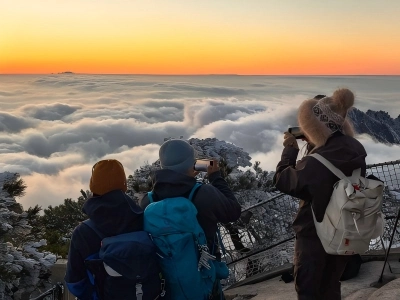
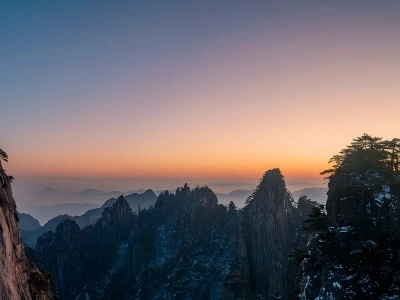
· Bright Summit (Guangming Ding): Iconic sunrise spot with golden clouds rolling below the peaks. Early morning hikes here are magical and highly photographed.
· Flying-over Rock: Dramatic rock formation ideal for sunset photography. Shadows and colors create an almost otherworldly scene.
· Lion Peak: Panoramic sunset views; perfect for quiet reflection and photography.
Tips: Arrive 30–60 minutes before sunrise or sunset. Bring a warm jacket and flashlight for early hikes.
Famous Peaks and Rock Formations
· Lotus Peak: The tallest peak at 1,864 meters, with steep ascents and panoramic vistas.
· Celestial Capital Peak (Tiandu Feng): Jagged rocks and mystical atmosphere, often shrouded in mist—great for photography.
· Xihai Grand Canyon: Rugged trail with cliffs, narrow paths, and hidden viewpoints; ideal for experienced hikers seeking adventure.
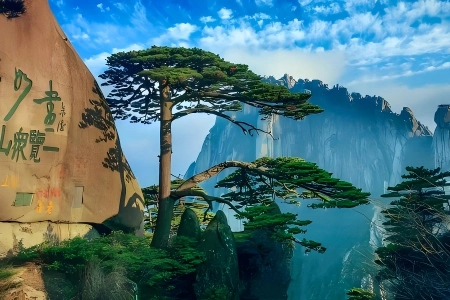
· Flying-over Rock & Guest-Greeting Pine: Iconic formations shaped over centuries, inspiring countless Chinese paintings and poems.
Tips for Hikers and Photographers: Wear sturdy shoes, bring layers, and plan your route to capture sunrise or sunset at key viewpoints.
Huangshan's Cable Cars – Tips & Routes
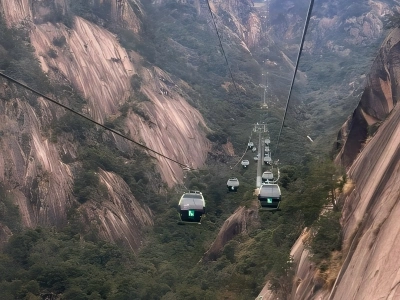
Huangshan is famous for its stunning peaks, steep trails, and breathtaking views. Cable cars make visiting easier, faster, and safer. Here's a guide to the main routes:
Yungu Cable Car (云谷索道)
· Route: Yungu Temple → Cloud Valley Peak
· Duration: 10–15 minutes
· Highlights: Panoramic views of Pine Valley and surrounding peaks; quick access to West Sea Grand Canyon and main hiking trails
· Tips: Great for starting moderate to challenging hikes from the summit.
Yuping Cable Car (玉屏索道)
· Route: Yuping Village → Jade Screen Peak
· Duration: ~10 minutes
· Highlights: Direct access to Lion Peak and Jade Screen Scenic Area; ideal for sunrise photography
· Tips: Perfect for shorter hikes with spectacular peak views.
Taiping Cable Car (太平索道)
· Route: Taiping Village → Bright Summit
· Duration: 10–15 minutes
· Highlights: Central summit area including Bright Summit, popular for sunrise and sunset; easy access to multiple main trails
· Tips: Best for flexible exploration of central peaks.
Shixin Cable Car (狮子峰索道) – Optional / Seasonal
· Route: Shixin → Lion Peak
· Highlights: Famous Lion Peak views; less crowded than main routes
· Tips: Check seasonal availability; shorter lines during off-peak periods.
General Cable Car Tips
· Tickets: Buy at the station or online in advance during peak season.
· Timing: Early morning is best for sunrise; expect long lines during national holidays.
· Weather: Cable cars may close in heavy rain, snow, or strong winds—always check conditions before visiting.
· Combination with Hiking: Save time and energy by combining cable cars with short or full-day hikes to explore different peaks.
Ancient Villages Nearby Huangshan
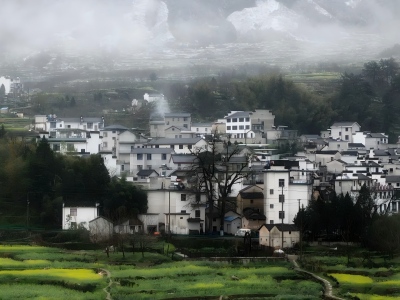
Just beyond the peaks of Huangshan lie some of China's most charming ancient villages, where time seems to slow down. Wandering these streets, you'll find a world of traditional architecture, centuries-old craftsmanship, and stories whispered through generations. Visiting these villages is like stepping back into a living painting.
Hongcun Village
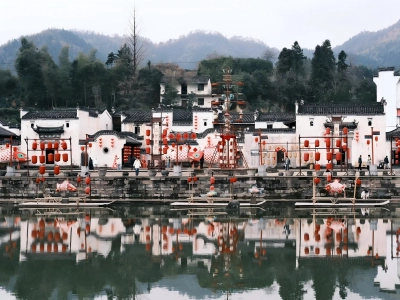
A UNESCO World Heritage site famous for its waterway layout, ancient residences, and white-walled black-tiled houses. The village's reflection in the canals creates picturesque photo opportunities at every turn.
Experience: Walk along narrow cobbled streets, cross stone bridges, and explore quiet courtyards. Many buildings feature intricate wood carvings and historical plaques telling the stories of the families who lived there.
Must-See Spots: South Lake and Moon Pond; perfect for photography, especially in the early morning mist.
Xidi Village
Xidi is known for its well-preserved Hui-style architecture and traditional ancestral halls. The village gives a glimpse into the social and cultural life of Anhui province centuries ago.
Experience: Stroll past historic halls, courtyards, and workshops where locals still practice traditional crafts. The village has a calm, almost meditative vibe, ideal for travelers who enjoy peaceful exploration.
Cultural Highlights: Watch woodcarving, stone carving, or traditional ink painting demonstrations in local workshops.
Huangshan Cultural & Hands-On Experiences
If you want more than just sightseeing, Huangshan offers deep cultural experiences that let you participate, create, and connect with local heritage. These activities bring the history, art, and traditions of the region to life.
Hui-style Seal (徽印) Making
What It Is: Learn to carve your own personalized seal, a traditional symbol of identity in Chinese culture.
Experience: Local artisans guide you through the process—from selecting stone to carving characters. You can create a keepsake with your name or a meaningful phrase.
Why It's Unique: Hands-on learning combined with ancient craftsmanship, a perfect blend of culture and creativity.
Ink and Calligraphy Workshop (徽墨 & 书法体验)
What It Is: Explore traditional Hui ink-making techniques or try your hand at calligraphy using ink sticks and brushes.
Experience: Mix ink, practice brush strokes, and learn about the role of calligraphy in Chinese art and education.
Why It's Unique: Connect with centuries-old intellectual and artistic traditions in a tactile, memorable way.
Traditional Craft Demonstrations
Woodcarving and Paper-Cutting: Watch local artisans create intricate wood panels or paper decorations, common in Hui-style architecture and festivals.
Experience: Some workshops allow you to try small carving or cutting projects under guidance.
Why It's Unique: See the attention to detail and skill that has been passed down for generations.
Tea Picking and Brewing Experience
What It Is: Visit local tea farms around Huangshan and learn how Huangshan Maofeng tea is harvested, processed, and brewed.
Experience: Pick tea leaves, roast them if possible, and participate in a tasting ceremony.
Why It's Unique: Understand the connection between mountain environment, tea culture, and local daily life.
Traditional Village Life Immersion
Cooking Local Dishes: Some village homestays offer hands-on cooking sessions, where you learn to make Anhui specialties like stinky tofu, steamed buns, or braised bamboo shoots.
Experience: Work alongside locals, taste what you cook, and hear stories about traditional food culture.
Why It's Unique: Combines culinary skills with cultural storytelling, giving a full sensory experience.
Huangshan is not just about climbing peaks—it's about immersing yourself in the culture, life, and beauty of the region. Each must-visit place offers a unique story: a sunrise that steals your breath, a village that transports you through time, or a hidden path that reveals nature's artistry. Together, they make Huangshan an unforgettable journey for you.
Best Huangshan Hiking Routes: Choose Your Perfect Adventure
Step into a story with every trail on Huangshan. Whether you seek the magic of sunrise above a sea of clouds, the thrill of steep canyons, or a serene journey through ancient villages, each route offers a unique adventure. Discover the highlights that can help you design your ideal Huangshan experience:
Route 1 – Classic Sunrise Adventure
· Starting Point: Yungu Cable Car
· Highlights: Bright Summit, Lotus Peak, Flying-over Rock
· Duration: 6–8 hours
· Difficulty: Moderate
· Experience: Begin before dawn to witness the first golden rays spill over the mountains, illuminating a sea of clouds below. Each step leads you closer to iconic peaks that have inspired generations of poets and painters. Capture sunrise photos, feel the mountain air, and let the scenery leave a lasting impression.
Route 2 – Grand Canyon Challenge
· Starting Point: Yuping Cable Car
· Highlights: Xihai Grand Canyon, Celestial Capital Peak, West Sea Canyon
· Duration: 8–10 hours
· Difficulty: Challenging
· Experience: For thrill-seekers, this route takes you through steep cliffs, narrow paths, and hidden viewpoints few travelers explore. Feel the adrenaline as you climb, and be rewarded with breathtaking vistas where mist curls around jagged rocks like a living painting. Adventure meets awe at every turn.
Route 3 – Villages & Gentle Peaks Combo
· Starting Point: Tunxi or Tangkou
· Highlights: Hongcun Village, Xidi Village, gentle peaks near Hongcun
· Duration: Full day
· Difficulty: Easy to moderate
· Experience: Perfect for those seeking a relaxed pace, this route blends cultural immersion with light hiking. Wander through centuries-old villages, savor local tea, and stroll gentle peaks to enjoy panoramic views of surrounding valleys. Ideal for families, photographers, or anyone who wants the perfect mix of heritage and nature.
Best Time to Visit Huangshan (Yellow Mountain)
Wondering when to visit Huangshan? Every season offers its own charm:
· Spring (March–May): Blooming flowers, soft mist, and awakening greenery.
· Summer (June–August): Lush foliage, refreshing waterfalls, and ethereal mist.
· Autumn (September–November): Fiery red and golden leaves with crisp air—the perfect photography season.
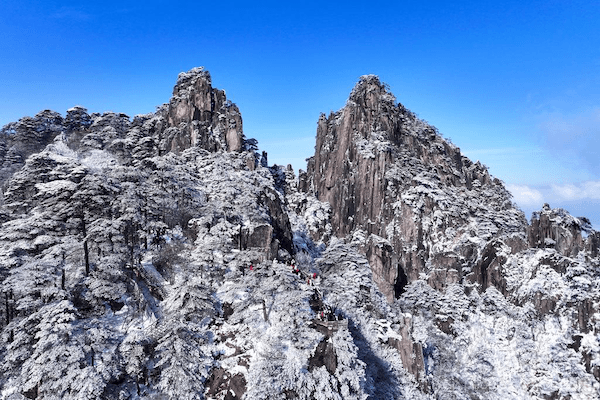
· Winter (December–February): Snow-dusted peaks, frosted pines, and a serene, magical landscape.
Whether you're chasing sunrise views, scenic photography, or a peaceful mountain escape, knowing the seasonal highlights will help you choose the perfect time to visit.
Huangshan Weather & Seasonal Guide
1) Spring (March–May)
· Weather: Mild, occasional showers; soft morning mist.
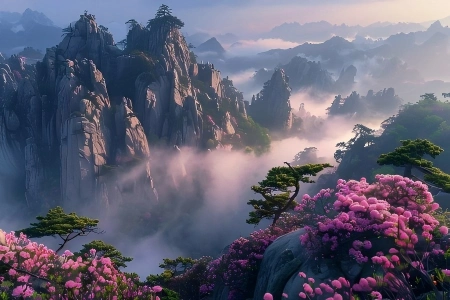
· What to See: Fresh greenery, blooming azaleas, clouds drifting through peaks.
· Activities: Moderate hikes, sunrise watching, village strolls in Hongcun and Xidi, tea picking (April–May).
· Tips: Trails can be slippery; wear waterproof shoes and bring a lightweight raincoat.
2) Summer (June–August)
· Weather: Warm, lush, frequent afternoon showers.
· What to See: Dense foliage, cascading waterfalls, misty mountains.
· Activities: Cable car rides, exploring mountain streams, photography in early morning or late afternoon.
· Tips: Start hikes early, wear sun protection, bring insect repellent, and expect possible afternoon thunderstorms.
3) Autumn (September–November)
· Weather: Cool, dry, clear skies; ideal for photography.
· What to See: Golden and red leaves, crisp mountain air.
· Activities: Sunset and sunrise photography, long hikes, village visits during harvest season.
· Tips: Bring layered clothing for chilly mornings/evenings; morning fog enhances the "sea of clouds" effect.
4) Winter (December–February)
· Weather: Cold, sometimes snowy; quiet and peaceful.
· What to See: Snow-covered peaks, frost-covered pines, tranquil trails.
· Activities: Winter photography, gentle hikes, visiting hot springs and tea houses.
· Tips: Insulated boots, warm layers, gloves, and trekking poles are essential. Check cable car operations—heavy snow may close some routes.
General Tip: Temperatures vary with altitude, so layered clothing and waterproof gear are recommended year-round.
Visiting Huangshan in Special Weather
Snowy Days:
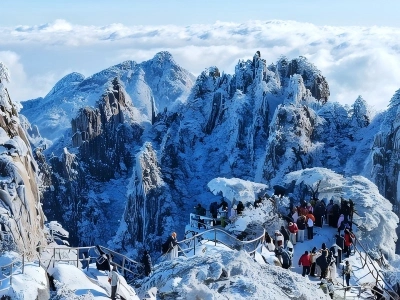
Snow transforms Huangshan into a peaceful winter wonderland. Frosted pines and snow-dusted peaks make for stunning photography. Wear insulated, non-slip boots, layered clothing, gloves, and a hat. Trekking poles improve stability. Cable cars may close during heavy snow, and stone steps can be icy.
Rainy Days:
Rain creates a misty, ethereal atmosphere with swollen waterfalls and rushing streams. Trails, especially steep ones like Xihai Grand Canyon, can be slippery. Wear waterproof shoes and rain gear, protect your backpack, and move cautiously. Cable cars may operate slower or close temporarily.
Frost & Rime (雾凇) Weather:
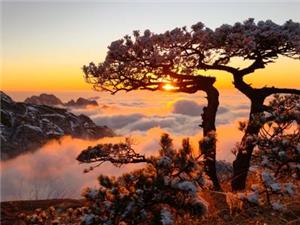
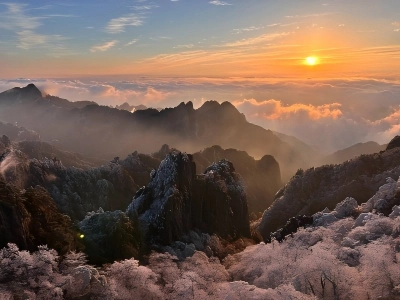
· Experience: Early winter or freezing fog can coat pines, rocks, and village rooftops with delicate frost. Sunrise during rime ice creates golden reflections—a truly magical, photo-worthy sight.
· Safety Tips: Trails may be icy; wear insulated, non-slip boots, gloves, and warm layers. Trekking poles are recommended. Check cable car operations.
· Why It's Unique: Rime ice is rare and fleeting, offering travelers a once-in-a-season scenic experience.
Where to Stay for the Best Mountain Experience
Choosing the right place to stay can make or break your Huangshan experience. There are two main options: staying on the mountain or in nearby villages like Tangkou or Hongcun.
On the mountain
Staying on the mountain lets you wake up to the magical mist curling around the peaks. Lodges here are rustic but convenient, especially if you want to catch the sunrise at Bright Summit or Cloud Dispelling Pavilion. Expect simpler amenities and higher prices due to limited capacity.
Nearby villages
Villages like Tangkou or Xidi offer charming guesthouses and boutique hotels. You'll enjoy more comfort, local cuisine, and a chance to explore the rural lifestyle. Daily shuttle buses or cable cars make mountain access easy.
Traveler tips
Book early, especially during Chinese holidays and weekends, as mountain lodges sell out fast.
Compare mountain lodges vs. hotels: lodges offer convenience, hotels provide comfort.
Pack light if staying on the mountain—space is limited.
Planning Your Trip: Timing and Suggested Itinerary
Huangshan's classic itinerary and must-see spots are actually quite straightforward. From iconic peaks like Lotus Peak and Bright Summit to scenic trails, ancient villages, and famous sunrise viewpoints, planning your visit around these highlights ensures you experience the essence of the mountain without feeling overwhelmed.
How many days to allocate
A typical Huangshan trip is 2–3 days, ideal for combining hiking, sightseeing, and some rest.
1 day: Feasible if you just want a quick hike and a few scenic spots. Best for travelers pressed for time.
2 days: Recommended for a balanced experience—catch sunrise, explore major peaks, and visit a nearby village.
3 days: Ideal for hiking enthusiasts or photographers who want to explore lesser-known paths and fully enjoy the scenery.
Balancing travel, hiking, and rest
Start early to avoid crowds and maximize daylight.
Allocate half a day for hiking on the first day if arriving late.
Include rest breaks, especially if staying on the mountain—altitude and steep paths can be tiring.
Combining Hangzhou highlights with Huangshan adventures
A popular Huangshan visit route from Hangzhou
Morning: Depart Hangzhou by high-speed train or private transfer.
Afternoon: Arrive Huangshan, check into your lodge, and explore nearby scenic paths.
Evening: Enjoy a quiet dinner with views of the mountains.
Pro Tip: "If you leave Hangzhou early in the morning, you can reach Huangshan in time to catch the sunset at North Sea Canyon, a photographer's favorite spot."
Sample Journey Narrative
Day 1 – Hangzhou to Huangshan
The drive from Hangzhou is scenic, winding through rivers and quaint villages. Arriving in the late afternoon, check into your lodge (for example, Xihai Hotel if staying on the mountain, or Tunxi International Hotel in Tangkou), sip tea, and enjoy your first glimpse of the misty mountains.
Day 2 – Sunrise hike and peak exploration
Wake up before dawn and take the cable car or hike to the summit for the unforgettable sunrise. Spend the day wandering among iconic peaks like Lotus Peak, Bright Summit, and Flying-over Rock. In the afternoon, descend slightly to explore a traditional village, tasting local specialties and experiencing centuries-old architecture.
Day 3 – Descent and onward journey
Take your time descending via the scenic paths or cable car. Consider a relaxing stop at hot springs near Tangkou before heading back to Hangzhou or onward to your next destination.
Huangshan Travel Tips for a Smooth Adventure
Plan Ahead
Check the weather and decide which season suits your interests: spring for blossoms and mist, summer for lush greenery, autumn for fiery foliage, winter for snow-covered peaks.
What to Wear & Bring
Layered clothing to adapt to sudden weather changes.
Waterproof jacket and sturdy hiking shoes for safety on rocky or slippery paths.
Trekking poles help on steep or icy sections.
Sunglasses, sunblock, and a hat for sunny summer days.
Safety & Hiking Tips
Stick to marked trails and use handrails.
Start hikes early to avoid crowds and enjoy cooler temperatures.
Check weather forecasts—rain, fog, or snow can make trails slippery.
Keep an eye on altitude effects; some visitors may feel shortness of breath on higher peaks.
Accommodation
On the Mountain: Lodges provide sunrise views right outside your door, but rooms are basic and limited—book early.
Nearby Villages / Tunxi District: Hotels are more comfortable with convenient access to restaurants, transport, and local markets.
Transport & Tickets
Cable cars reduce hiking effort and save time, especially if visiting in a single day.
Buy entrance tickets and cable car passes in advance during peak seasons to avoid long waits.
Check first cable car departure times to plan sunrise or sunset trips.
Special Experiences
Sunrise & Sunset: Iconic moments; early start recommended.
Photography: Misty mornings, clouds swirling around peaks, and unique rock formations make for stunning shots.
Cultural Stops: Explore Tunxi Old Town for traditional Anhui architecture, local snacks, and souvenirs.
Health & Essentials
Carry water, energy snacks, and personal medications.
Limited mobile signals in remote areas—download maps offline and inform someone of your hiking plans.
Small first-aid kit recommended for minor scrapes or fatigue.
Huangshan vs Other Famous Mountains in China
China is home to a wealth of spectacular mountains and natural landscapes, each offering its own unique charm. If you're deciding which mountain to visit, here's a comparison of Huangshan with several other iconic destinations.
Huangshan vs. Huashan
Huangshan (Yellow Mountain) is renowned for its ethereal sea of clouds, jagged granite peaks, and ancient pine trees. Its landscapes often resemble traditional Chinese ink paintings, offering a poetic, almost mystical experience.
Huashan, in contrast, is famous for its steep, thrilling trails and "plank walk" paths. It's more about adrenaline-pumping adventure than contemplative scenery.
Verdict: Choose Huangshan for breathtaking photography and serene natural beauty; choose Huashan if you crave adventure and challenging hikes.
Huangshan vs. Zhangjiajie National Forest Park
Zhangjiajie is known for its towering sandstone pillars, dense forests, and the surreal landscapes that inspired the movie Avatar. It has a dramatic, almost otherworldly feel.
Huangshan offers smoother granite peaks, flowing waterfalls, and mist-filled valleys, emphasizing classical elegance rather than fantasy-like verticality.
Verdict: Huangshan is ideal for lovers of traditional Chinese landscapes; Zhangjiajie is a must for surreal, dramatic scenery and unique rock formations.
Huangshan vs. Taishan
Taishan is steeped in cultural and religious significance, with temples, stone inscriptions, and a long history of pilgrimage. The landscape is grand but carries a spiritual, historical aura. Huangshan, while also historically admired in art and literature, emphasizes natural wonder over ritual or cultural heritage.
Verdict: Visit Huangshan for natural aesthetics and photography; Taishan if you want a cultural and spiritual experience alongside scenic views.
Huangshan vs. Guilin
Guilin is famous for its karst hills, winding rivers, and reflective waterscapes. Its beauty is gentle, romantic, and ideal for boat cruises and leisurely sightseeing.
Huangshan presents rugged granite peaks, steep cliffs, and dramatic cloud formations, offering a more vertical and majestic visual experience.
Verdict: Choose Guilin for tranquil river scenery and soft landscapes; Huangshan for majestic, dramatic mountain vistas.
If you are seeking iconic Chinese landscapes that inspire awe and photography, Huangshan offers a perfect balance of grandeur, serenity, and artistic beauty—truly a mountain of dreams. Huangshan stands out among China's mountains for its harmonious combination of rugged peaks, graceful pines, mystical clouds, and waterfalls that seem straight out of classical paintings. Compared to Huashan, it's calmer; to Zhangjiajie, it's more traditionally scenic; to Taishan, it's more about nature than culture; and to Guilin, it's more vertical and dramatic.