Looking to explore China efficiently and comfortably? China's high-speed trains offer a fast, reliable, and convenient way to travel between major cities and scenic destinations. With modern stations, easy ticketing options, and well-organized boarding procedures, your journey can be smooth and stress-free. Whether it's your first time or you're a seasoned traveler, knowing essential tips for tickets, luggage, and onboard etiquette ensures you can fully enjoy the breathtaking landscapes along the way. Ready to experience travel at lightning speed? Here's your complete guide to China's high-speed rail.
China High-Speed Train System & Types of High-Speed Trains
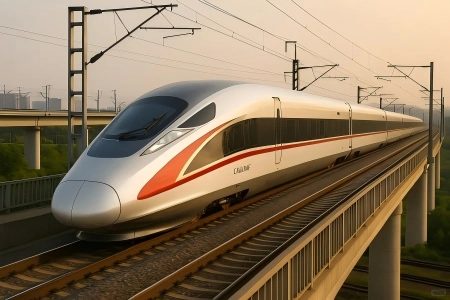
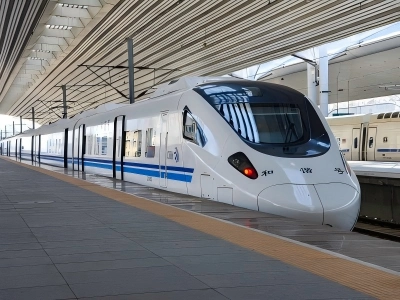
China's high-speed rail (HSR) network is one of the largest and most advanced in the world, offering fast, comfortable, and reliable travel between cities. Whether you are planning a business trip, family vacation, or a scenic journey, understanding the HSR system will make your travel experience smoother.
Explore China more easily with our China high-speed train tours, combining popular destinations with seamless train travel and local experiences.
Overview of China's High-Speed Trains
· Network Size: Over 40,000 km of dedicated high-speed rail lines connecting nearly every major city.
· Travel Speed: Trains travel at 250–350 km/h (155–217 mph), making long-distance trips fast and convenient.
· Nationwide Coverage: Northern, Southern, Eastern, and Western China are all connected, enabling multi-city itineraries within hours.
· Punctuality & Reliability: High-speed trains operate on strict schedules with minimal delays.
Types of High-Speed Trains in China
China's HSR trains are categorized mainly by speed and service level:
G-Class Trains (Gaotie)
· Top Speed: Up to 350 km/h (217 mph)
· Service: Fastest option with fewer stops, perfect for long-distance travel between major cities such as Beijing ? Shanghai.
· Seating Options: Business Class, First Class, Second Class
D-Class Trains (Dongche)
· Top Speed: Around 250 km/h (155 mph)
· Service: Slightly slower than G-trains, with more stops; ideal for regional travel.
· Seating Options: First Class, Second Class
C-Class Trains (Chengji)
· Purpose: Short-distance intercity connections
· Speed: 200–250 km/h (124–155 mph)
· Typical Routes: Connects nearby cities within the same province or neighboring provinces, e.g., Hangzhou ? Ningbo
Classes of Seats on China's HSR
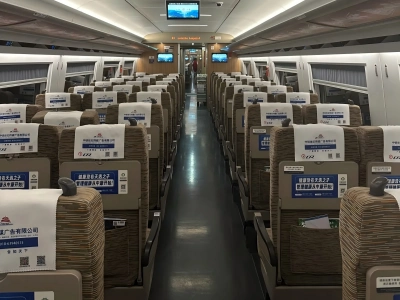
· Business Class: Wide, fully reclining seats, extra legroom, quiet environment, and premium service
· First Class: Comfortable seats with more space than standard, ideal for medium to long journeys
· Second Class: Affordable and comfortable, standard choice for most travelers
Why Travelers Prefer High-Speed Rail in China
· Fast & Efficient: Save hours compared to road or bus travel
· Comfortable & Modern: Spacious seats, clean interiors, Wi-Fi, power outlets, and onboard food services
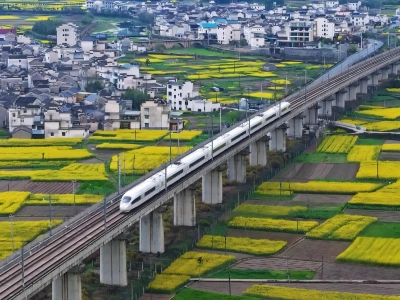
· Scenic Routes: Enjoy views of mountains, rivers, and rural landscapes along the way

Popular High-Speed Train Routes in China
China's high-speed rail (HSR) network makes traveling across the country faster, more convenient, and incredibly scenic. Step aboard a sleek train in one city, and within a few hours, you can arrive in another—passing mountains, rivers, and rural landscapes along the way. Here are some of the most popular high-speed train routes in China that travelers frequently choose:
Beijing to Shanghai
Board a G-class high-speed train in Beijing and travel to Shanghai in just 4.5 to 6 hours. This route connects China's political capital with its financial hub. Along the way, you'll pass historic towns and modern cities such as Nanjing. Perfect for travelers looking to combine cultural sightseeing with urban exploration.
Shanghai to Hangzhou
Looking for a quick city escape? The high-speed train from Shanghai to Hangzhou takes only about one hour. Arrive at the serene West Lake, stroll through tea plantations, and enjoy local delicacies. Frequent daily departures make this route ideal for day trips or short overnight stays.
Beijing to Xi'an
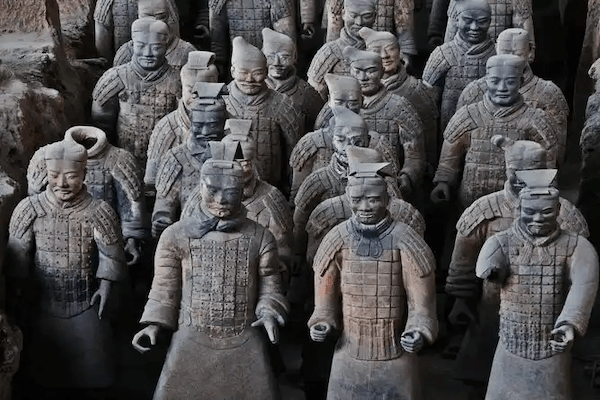
Traveling from Beijing to Xi'an by high-speed train is like a journey through history. In under six hours, reach the home of the Terracotta Warriors and the ancient city walls. Enjoy the scenic countryside of central China as you travel in comfort on a modern HSR train.
Guangzhou to Shenzhen
The high-speed train from Guangzhou to Shenzhen takes less than one hour, connecting two of southern China's most dynamic cities. Ideal for business travelers or weekend explorers, this route provides a quick and efficient way to experience modern urban life in southern China.
Xi'an to Chengdu
This 3–4 hour route links two historic cities in western China. Pass through rolling hills and rural landscapes of Sichuan province while traveling in comfort. Perfect for visitors heading to the panda reserves in Chengdu or exploring ancient sites in Xi'an.
Beijing to Harbin
During winter, the high-speed train from Beijing to Harbin provides access to the world-famous Ice and Snow Festival. In 7–8 hours, travel from China's capital to the icy wonderland of northeastern China, all while enjoying the comfort and speed of a G-class high-speed train.
Buying Train Tickets in China Made Simple: Insider Tips
Buying your first high-speed train ticket in China can feel intimidating—but with a little guidance, it's simple, convenient, and even fun. Here's everything you need to know to secure your seat and start your journey stress-free.
Ways to Buy Tickets
1) Online – The Fastest and Most Convenient Option
If you are a tech-savvy, booking online is often the easiest way. China's official train website 12306.cn
now supports English, letting you search schedules, choose your seat, and pay online. Mobile apps like Trip.com, Klook, and China Train Booking also make booking a breeze, with English instructions and multiple payment options.
Pro Tip: Tickets open 30 days in advance. For popular routes like Beijing — Shanghai or Shanghai — Hangzhou, book early to secure the best seats.
2) At the Train Station – Old School but Reliable
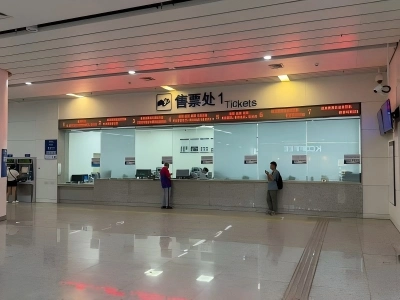
If you prefer in-person service, ticket counters at train stations are available for all travelers. Simply bring your passport, tell the staff your desired route, date, and seat class, and pay with cash or card. Lines can be long, so arrive at least 30–60 minutes before departure.
3) Third-Party Platforms – English-Friendly and Stress-Free
Websites and apps offer full English support and step-by-step guidance. A small service fee may apply, but the convenience often outweighs the cost.
Essential Documents for Booking
No matter the booking method, you will need:
· Passport: Mandatory for all foreign travelers.
· Visa Details: Sometimes required for online registration.
· Chinese ID Number: Only for local travelers.
Tip: Keep your passport handy during ticket collection or boarding.
How to Cancel or Change Tickets
Travel plans can change—here's how it works:
· Before Departure: Most tickets can be canceled or changed, fees vary by timing.
· Rescheduling: Change your date, train, or seat class via official platforms, apps, or station counters. Availability depends on the train schedule.
· Third-Party Platforms: Check individual service rules before booking.
Pro Tip: Book early and familiarize yourself with cancellation policies for maximum flexibility.
Quick Step-by-Step Guide for Buying Train Tickets
1) Decide Your Route & Train Type: G-class for speed, D-class for scenic routes.
2) Choose a Booking Method: Online, station counter, or third-party platform.
3) Have Your Passport Ready: Always needed for ticket verification.
4) Select Your Seat: Business, First, or Second class depending on comfort and budget.
5) Confirm & Pay: Save or print your ticket/QR code for boarding.

Step-by-Step Boarding for China High-Speed Trains
Taking a China high-speed train can be fast, comfortable, and convenient if you know the process. This guide will walk you through every step, from arriving at the station to getting off your train safely.
Arrive at the Station Early
Recommendation: Arrive at least 45–60 minutes before departure. Large stations can be crowded, and security checks may take time.
Tip: Check the train number and departure time on your ticket to find the correct entrance.
Prepare Your Documents
Required: Passport for foreigners, or Chinese ID for locals.
Tip: Keep your ticket (paper or mobile e-ticket) and passport handy, as you'll need both multiple times.
Security Check
Process: Similar to airport security, all luggage goes through an X-ray machine. Metal items may trigger a scan.
Tip: Avoid packing prohibited items (sharp objects, liquids over 100ml, etc.) and remove laptops or large electronics for scanning.
Find Your Waiting Area / Gate
Step: After security, look for your platform number (usually displayed on large electronic boards). Some stations require you to wait in a designated area before boarding.
Tip: Listen for announcements—stations often announce the train 20–30 minutes before departure.
Ticket & Passport Check Before Boarding
Step: Staff at the platform entrance will check your ticket and passport again. Make sure your documents are easy to access.
Tip: Keep your documents in an easy-to-reach pocket or holder.
Boarding the Train
Step: Wait in line by carriage number, which is printed on your ticket. Staff may guide passengers to the correct door.
Tip: Follow the signs inside the station and look for carriage numbers above the doors on the train.
Find Your Seat
Step: Seat assignments are on your ticket. Seats are labeled with carriage number, row, and seat letter.
Tip: High-speed trains often have overhead luggage racks. Store large bags there and keep small valuables with you.
Settling In
Step: Once seated, check that your belongings are secure. Most trains have power outlets and foldable tables.
Tip: Bring snacks or water if you prefer, though many trains offer food carts with snacks and drinks.
During the Journey
Tip: Follow onboard etiquette—keep your voice low and avoid blocking aisles. Toilets are available at the end of each carriage.
Safety: In case of emergency, follow instructions from train staff.
Preparing to Disembark
Step: About 10–15 minutes before arrival, gather your belongings and move toward the exit doors.
Tip: Make sure you don't leave anything behind—luggage and personal items can be collected at baggage areas after disembarking.
Stress-Free Luggage Tips for China's High-Speed Rail-- Know What You Can Bring
Knowing what luggage you can bring, how to store it onboard, and what items are prohibited helps you avoid delays and fines while keeping your belongings safe. This guide covers everything from size and weight limits to special luggage and security tips, ensuring your trip starts smoothly and stays worry-free.
Luggage Size & Weight Limits Explained
China's high-speed trains have clear luggage restrictions. Passengers are typically allowed:
Maximum weight: 20–30 kg per piece of checked luggage
Carry-on size: Usually under 20 kg, with dimensions around 55 × 40 × 20 cm
Always check with the train operator or your ticket platform for exact limits, especially if traveling with larger items.
Carry-On vs. Checked Luggage
Carry-on luggage is ideal for essentials like documents, electronics, and a change of clothes. Checked luggage is suitable for larger items. Remember: space onboard is limited, so keep carry-on bags compact.
Prohibited Items List
Certain items are banned on high-speed trains to ensure safety:
1) Flammable or explosive materials
2) Firearms or sharp weapons
3) Certain chemicals and aerosols
Carrying prohibited items can lead to fines or delays, so review the full list on the official train website before departure.
Packing & Security Tips
Use soft-sided bags for easier storage in overhead racks.
Label all items clearly with your contact info.
Keep valuables and important documents in a small backpack or purse for easy access.
Arrive early at the station to allow time for security checks.
Special Luggage Guide
For non-standard items like bicycles, musical instruments, or oversized bags, most high-speed trains have special arrangements, often requiring advance notice or additional fees. Check with the operator in advance to secure space.
Storing Luggage Onboard
Overhead racks: Best for carry-on bags and smaller suitcases.
Luggage areas near doors: Suitable for larger items.
Under-seat storage: Only works for small backpacks or handbags.
Always keep an eye on personal belongings and consider securing valuable items with a lock or strap.
What You Can Find at High-Speed Train Stations
Baggage and Storage Services
Left-luggage storage: Short-term lockers or counters for secure storage.
Large item handling: Special counters for oversized baggage.
Security screening: All luggage passes through X-ray checks.
Information and Assistance
Information desks: Help with train schedules, station navigation, and local transport.
Clear signage: Bilingual signs in Chinese and English guide you throughout the station.
Real-time updates: Electronic boards display departures, arrivals, and delays.
Food and Retail
Restaurants & cafes: From quick snacks to full meals, including local specialties.
Convenience stores & kiosks: Ideal for drinks, snacks, and travel essentials.
Souvenir shops: Pick up gifts or local products before departure.
Accessibility Services
Wheelchair support: Available at counters and boarding gates.
Elevators and ramps: Easy access for passengers with mobility needs.
Priority seating: Reserved on trains for elderly, disabled, and pregnant passengers.
Other Facilities
Wi-Fi access: Free or paid Wi-Fi at most stations.
Charging stations: Keep your devices powered while waiting.
ATM & currency exchange: Convenient banking for domestic and international travelers.
Lost & Found: Dedicated desks to recover lost items.
Red Cap Service at China's High-Speed Train Stations
When traveling through China's high-speed train stations, you may notice staff wearing bright red vests and hats, affectionately known as the "Red Caps." These trained personnel provide friendly, free assistance to travelers, making navigating large, busy stations easier and stress-free.
Key Services Offered by Red Caps:
1) Passenger Guidance: Red Caps help travelers find waiting areas, ticket gates, platforms, and transfer routes efficiently.
2) Luggage Assistance: For passengers with heavy luggage, children, or mobility challenges, Red Caps provide help with carrying bags or directing travelers to baggage storage.
3) Ticketing and Information Support: They answer questions about train schedules, ticketing, seating, and station facilities.
4) Special Assistance: Red Caps assist elderly passengers, pregnant, individuals with disabilities, and first-time high-speed train riders.
Why Use the Red Cap Service:
Easily recognizable in bright red uniforms, making them simple to locate in crowded stations.
Fully trained to navigate high-speed rail stations quickly and efficiently.
Enhance travel convenience and reduce stress, especially for first-time visitors to China.
Traveler Tips:
If you ever feel lost or unsure at a Chinese high-speed train station, seek out a Red Cap—they are your reliable guide and can make your journey smoother and more enjoyable.
Important Tips for a Smooth High-Speed Train Experience
Ever wondered how millions of travelers navigate China's high-speed trains smoothly every day? From choosing the right ticket to managing luggage and finding your platform in massive stations, it can feel overwhelming for first-timers. This guide shares essential tips and insider advice for a stress-free, efficient, and enjoyable high-speed train experience—so you can focus on the journey instead of the logistics.
Booking Your Tickets in Advance
Why it matters: High-speed trains in China are very popular, especially during holidays and weekends. Early booking ensures you get your preferred departure time and seat type.
Tips:
Use official platforms like 12306.cn or authorized travel apps.
Keep your passport ready when booking, as it's required for ticket verification.
Consider choosing a flexible ticket option if your plans may change.
Understand Seat Types
Options: First class, second class, business class, and standing tickets (rare).
Tip: First-class seats offer more legroom and comfort, ideal for long journeys; second-class is the most economical choice with adequate comfort.
Arrive at the Station Early
Recommended time: Arrive at least 30–60 minutes before departure.
Reason: High-speed train stations can be large and crowded. You'll need time for:
Security checks
Ticket verification
Boarding
Prepare Your Documents
Passport or valid ID is mandatory for ticket verification.
Keep your travel documents and train ticket (electronic or paper) easily accessible.
Luggage Guidelines
Limits: Each passenger can usually carry up to 20–30 kg for checked luggage and smaller carry-ons.
Tips:
Label your luggage clearly.
Avoid carrying prohibited items (e.g., flammable goods, large amounts of liquids).
Use luggage storage areas on the train for convenience.
Navigating the Station
Signage: Most major stations have English signs.
Small Helper Service: In China, "Little Red Hat Volunteers" often assist travelers, helping with directions, boarding, and luggage. Spot them by their red uniforms.
Onboard Comfort
Seating: Recline your seat, and bring a small pillow or blanket if you're sensitive to air-conditioning.
Food & Drinks: Some trains have snack carts; bringing your own water and snacks is recommended.
Entertainment: Wi-Fi may be limited; download movies, music, or e-books in advance.
Arrival & Exiting the Station
Plan ahead: Know which exit leads to taxis, buses, or metro connections.
Baggage claim: If using luggage storage or transfer services, double-check your belongings before leaving.
After exploring our guide to China's high-speed rail, you'll quickly realize that traveling by train here is surprisingly simple and stress-free. From buying tickets online to navigating modern stations and boarding efficiently, the system is designed for convenience at every step. Whether it's your first ride or one of many, you'll find that there's really nothing to worry about—and soon, you'll be enjoying the scenic landscapes, fast connections, and smooth travel that make China's high-speed trains a truly enjoyable experience.