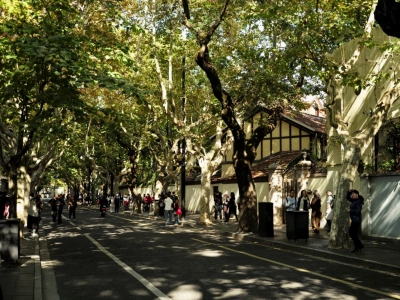
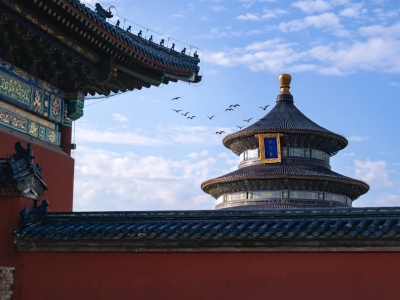
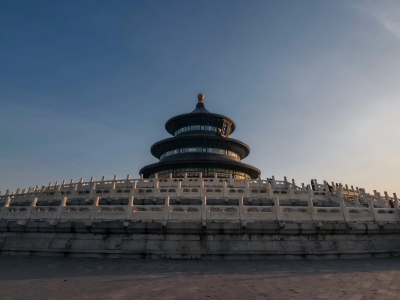
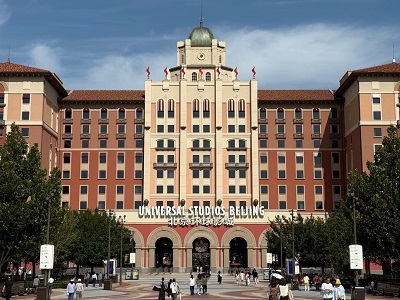
Experience the best of East China in just one week, from Shanghai's futuristic skyline and Suzhou's elegant classical gardens to Hangzhou's tranquil West Lake scenery. Along the way, discover charming water towns and historic gems, including Wuzhen's ancient waterways and Tongli's picturesque canals. With fast and convenient high-speed rail connections, this journey combines iconic landmarks with authentic local experiences. Read on to discover how to make the most of every day in East China.
Why Choose an East China Tour?
Three core strengths make this route hugely popular, perfectly meeting varied travel demands.
Perfect Integration of Diversified Landscapes: It combines Shanghai's modernity, Suzhou's classic charm and Hangzhou's natural beauty, allowing travelers to switch styles seamlessly and avoid monotony.
Rich Cultural Connotation: The three cities boast profound history—Suzhou's UNESCO gardens, Hangzhou's poetic West Lake and Shanghai's colonial-era Bund—appealing to both history lovers and casual travelers.
Convenient Transportation & Mature Facilities: Geographically close with well-developed high-speed rail, plus mature tourism facilities (hotels, snacks, tours), ensuring a smooth experience.
East China Travel Guide for First-Timer
Whether it's your first time in East China or you're looking for a comfortable and flexible journey, this route is designed to suit a variety of travelers:
1. First-Time Visiting in China
· Experience the highlights of Shanghai, Suzhou, Hangzhou, and Huangshan without the stress of planning.
· Enjoy a well-paced itinerary that balances city sights, classical gardens, and natural landscapes.
2. Couples & Families
· A relaxed and enjoyable pace suitable for all ages, from kids to grandparents.
· Plenty of photo opportunities, scenic strolls, and cultural experiences everyone can enjoy together.
3. Guests on Private Tours
· Ideal for travelers who value flexibility, personalization, and attention to detail.
· Your guide can adapt the schedule, suggest hidden gems, and help create a truly memorable experience.
Shanghai, Suzhou, and Hangzhou offer a perfect mix of modern cities, ancient culture, and natural scenery. Explore our Shanghai Suzhou Hangzhou private tours for flexible itineraries designed around your interests.
Top Destinations in Southeastern China
Shanghai – Skyline & Modern China
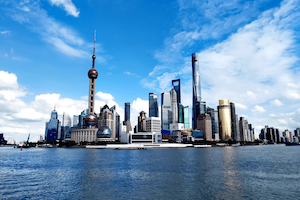
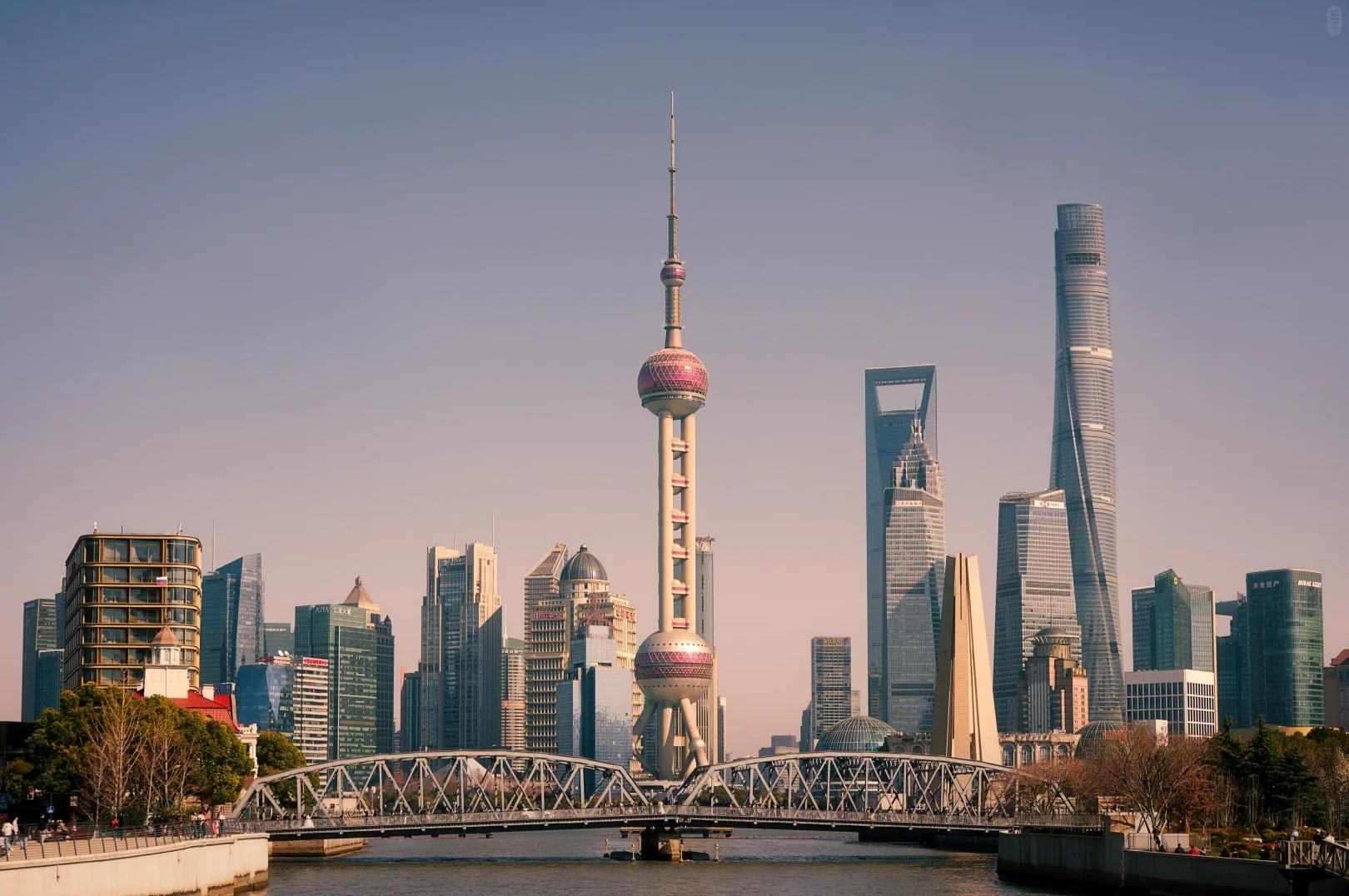
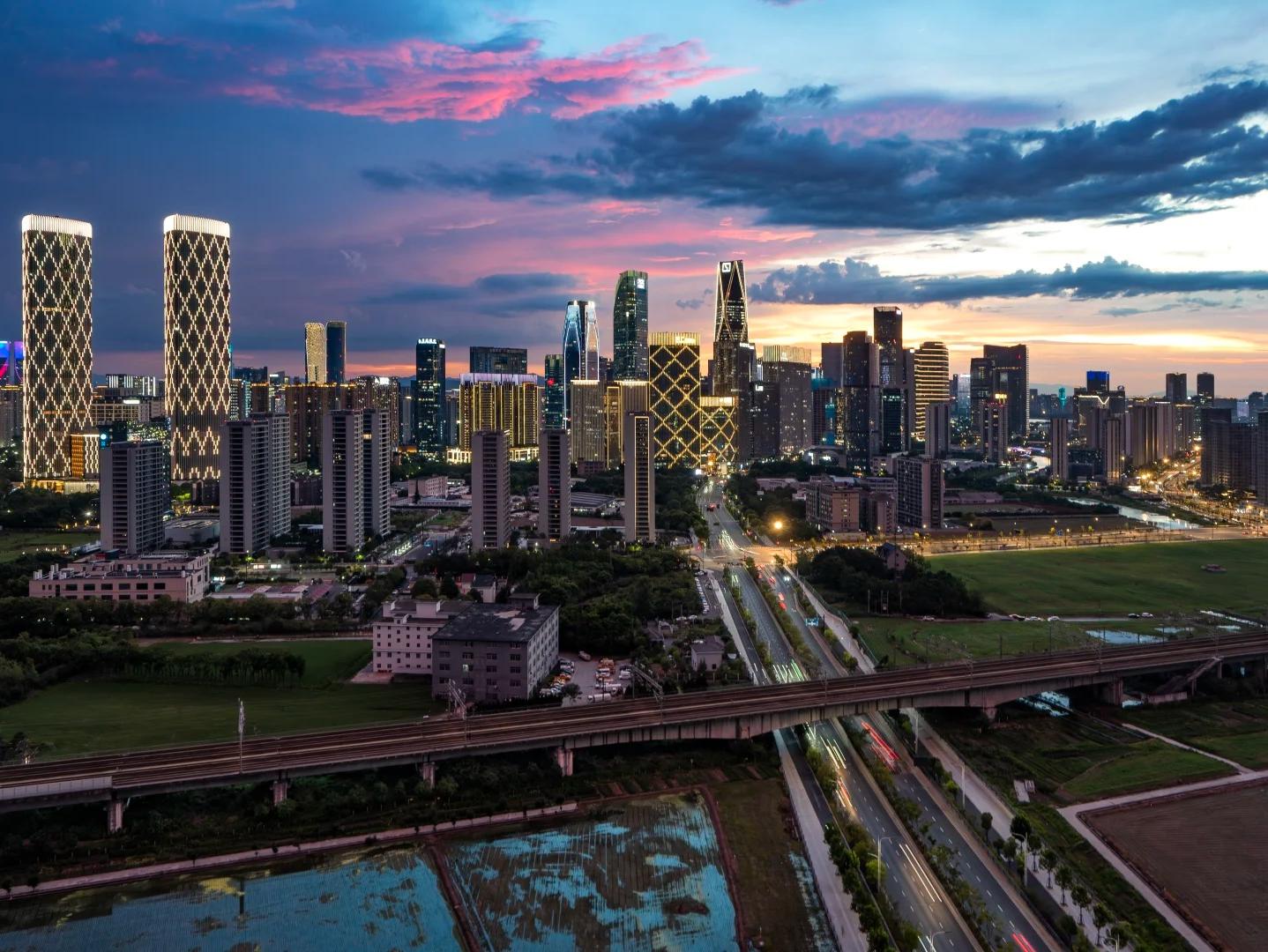
As China's economic hub, Shanghai is a symbol of modernity, famous for its skyline blending futuristic skyscrapers (Lujiazui) and historical architecture (the Bund). 2025-2026 upgrades include renovated observation decks (Shanghai World Financial Center) and new ones (Pacific Xintiandi, The Stage Magnolia). It also offers fashion (Nanjing Road, Xintiandi), art (West Bund) and old charm (Yuyuan Garden).
Suzhou – Gardens & Canals
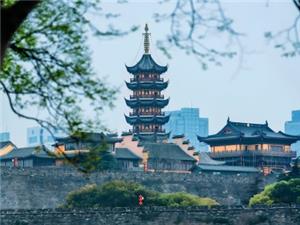
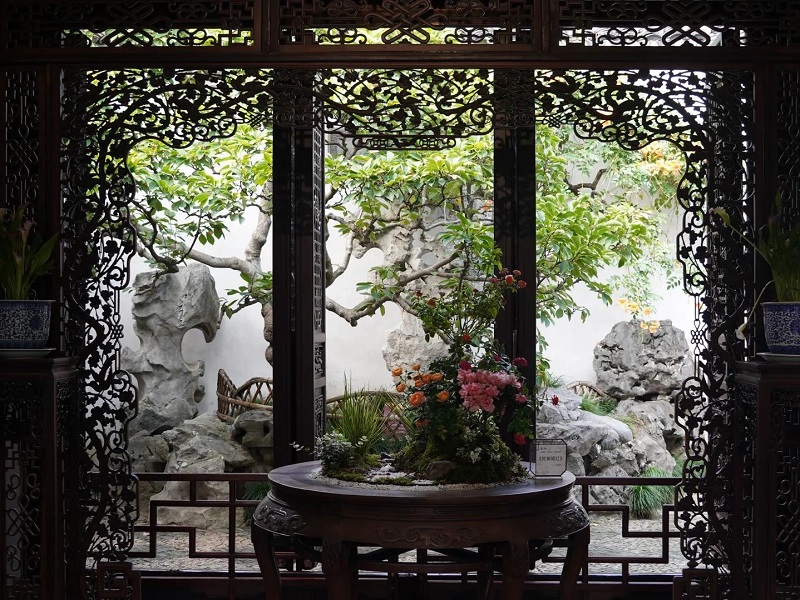
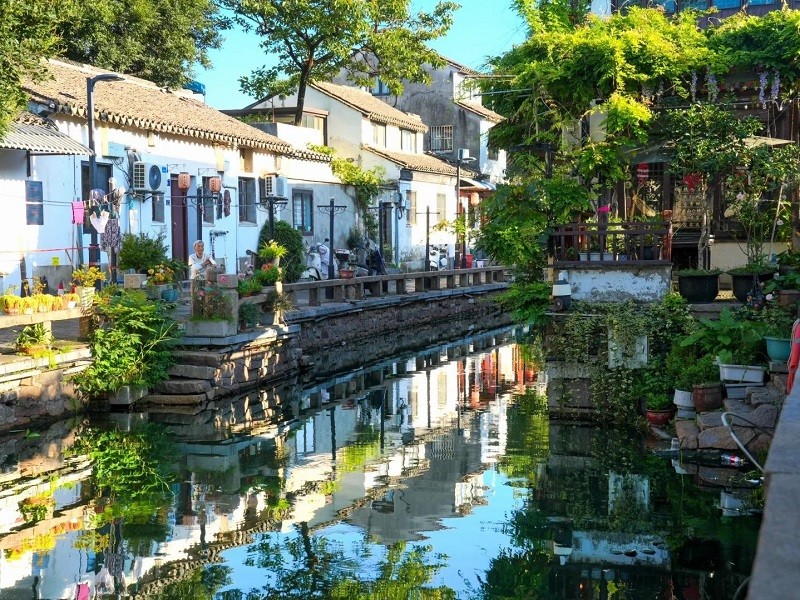
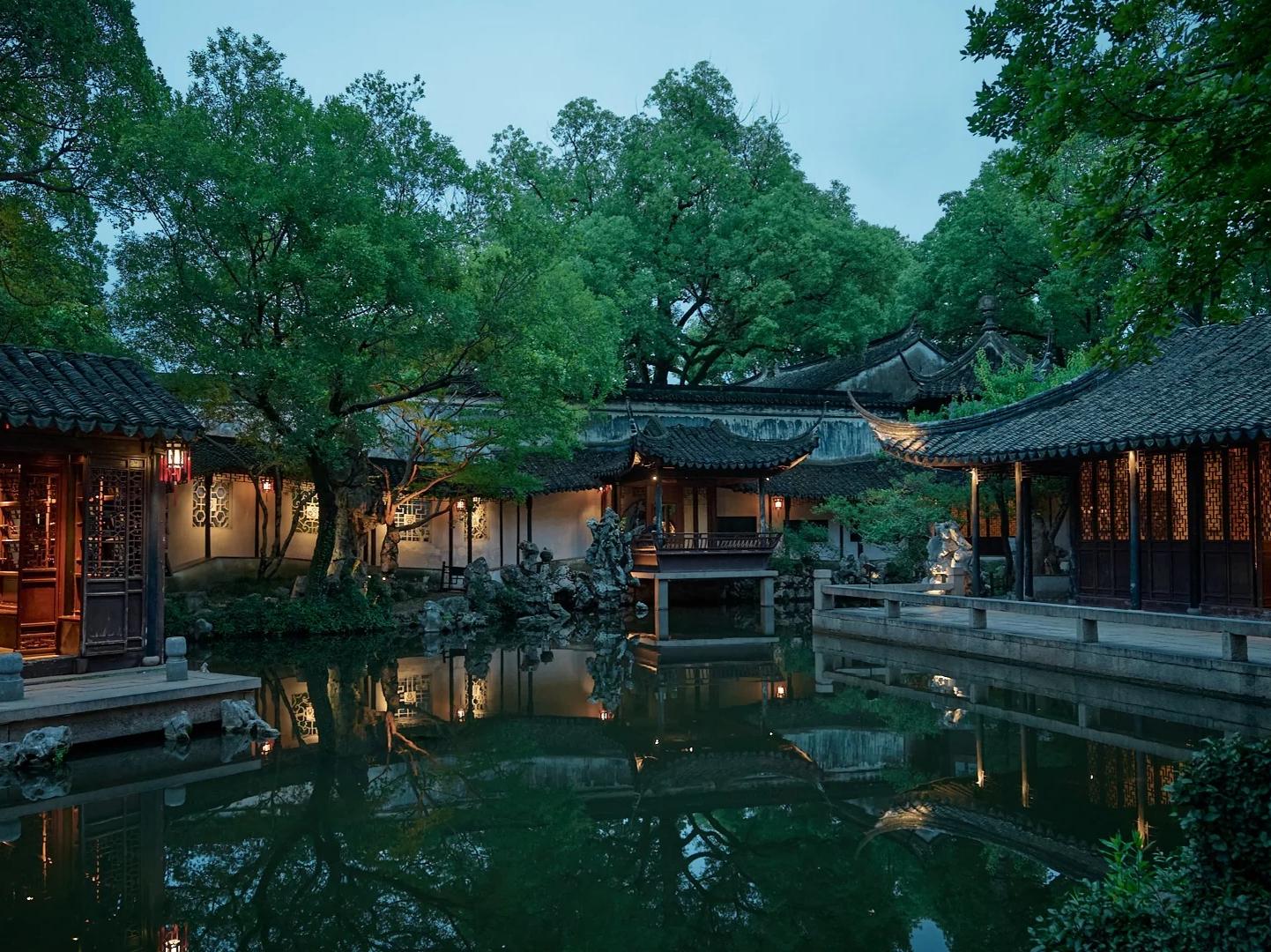
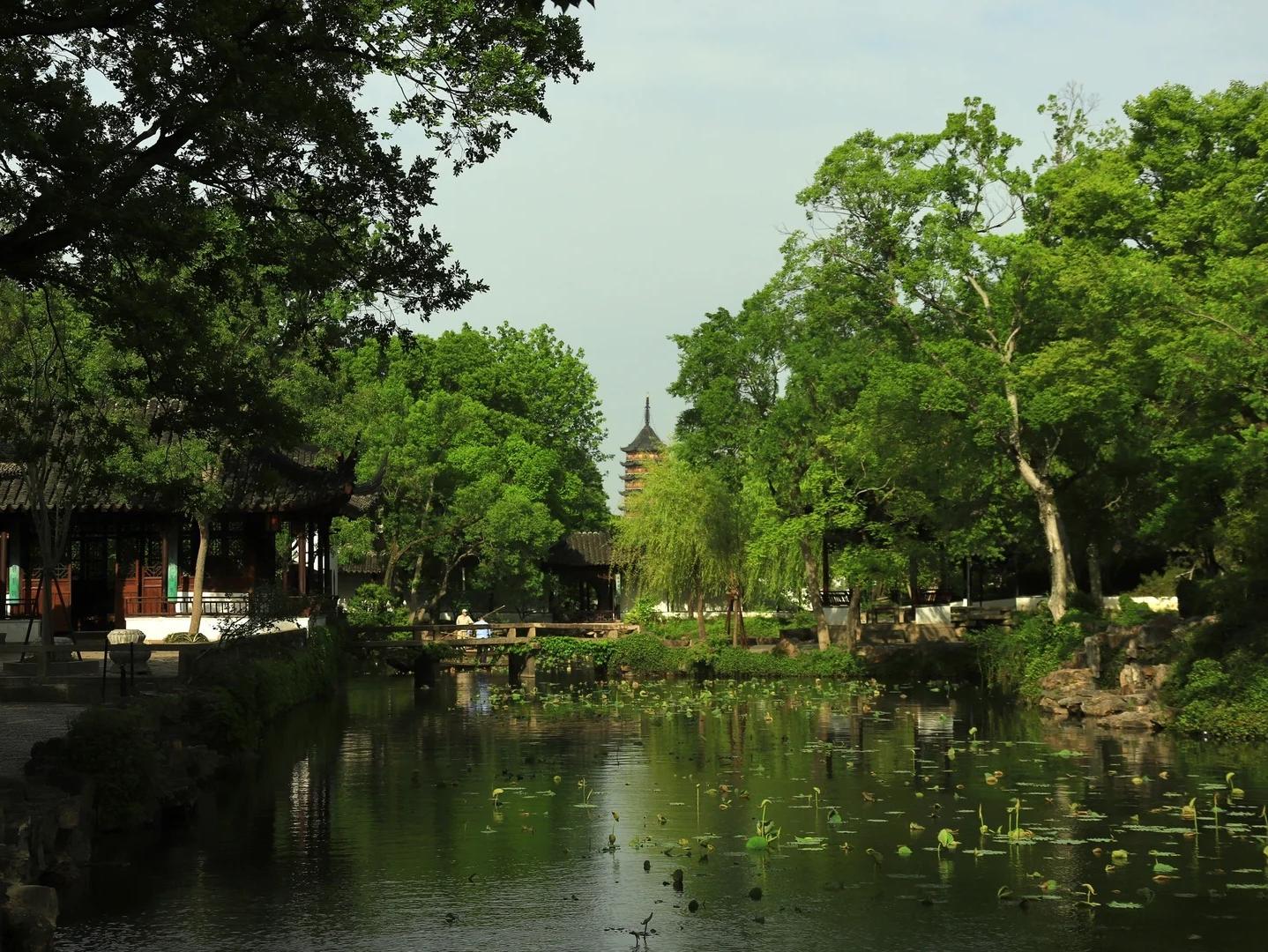
Known as the "Venice of the East," Suzhou is famous for UNESCO classical gardens (Humble Administrator's, Lingering Garden) and canals. Visitors can take gondolas along Pingjiang Road/Shantang Street, passing traditional houses. It also features Suzhou embroidery, Pingtan and local delicacies like squirrel-shaped mandarin fish.
Hangzhou – West Lake & Tea Culture
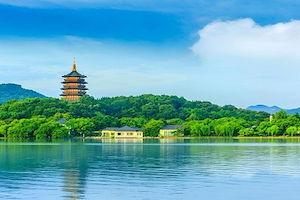
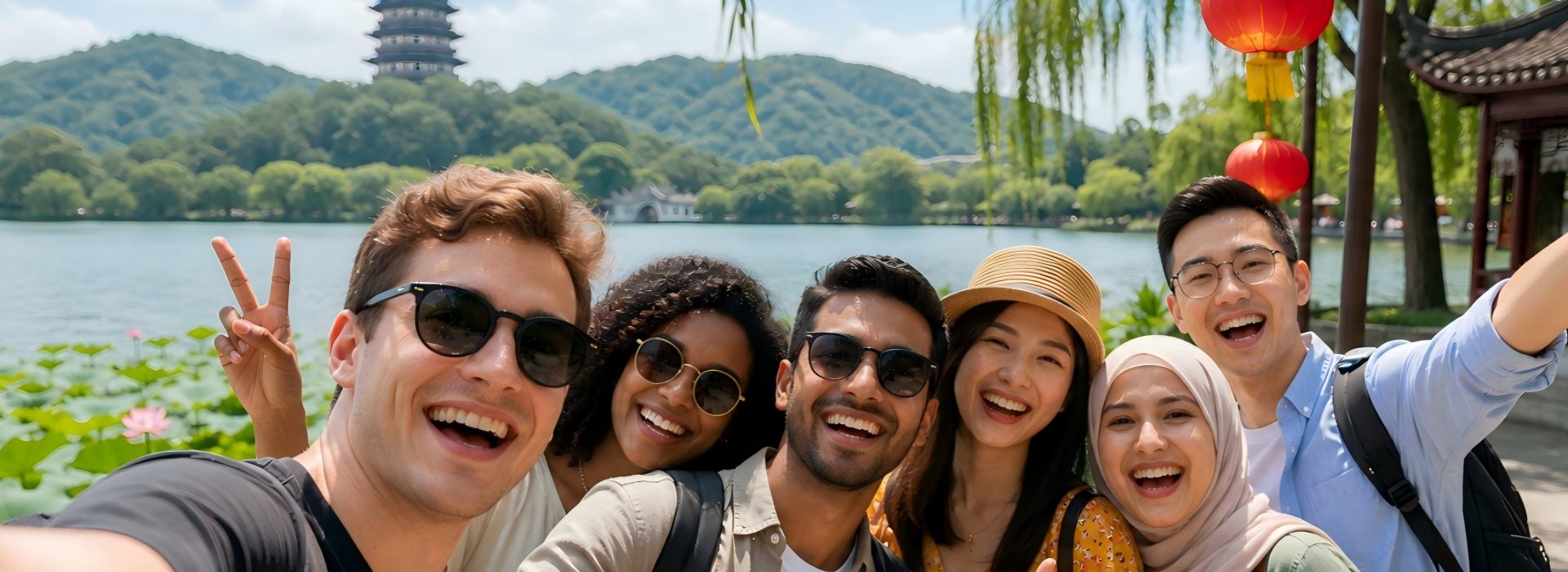
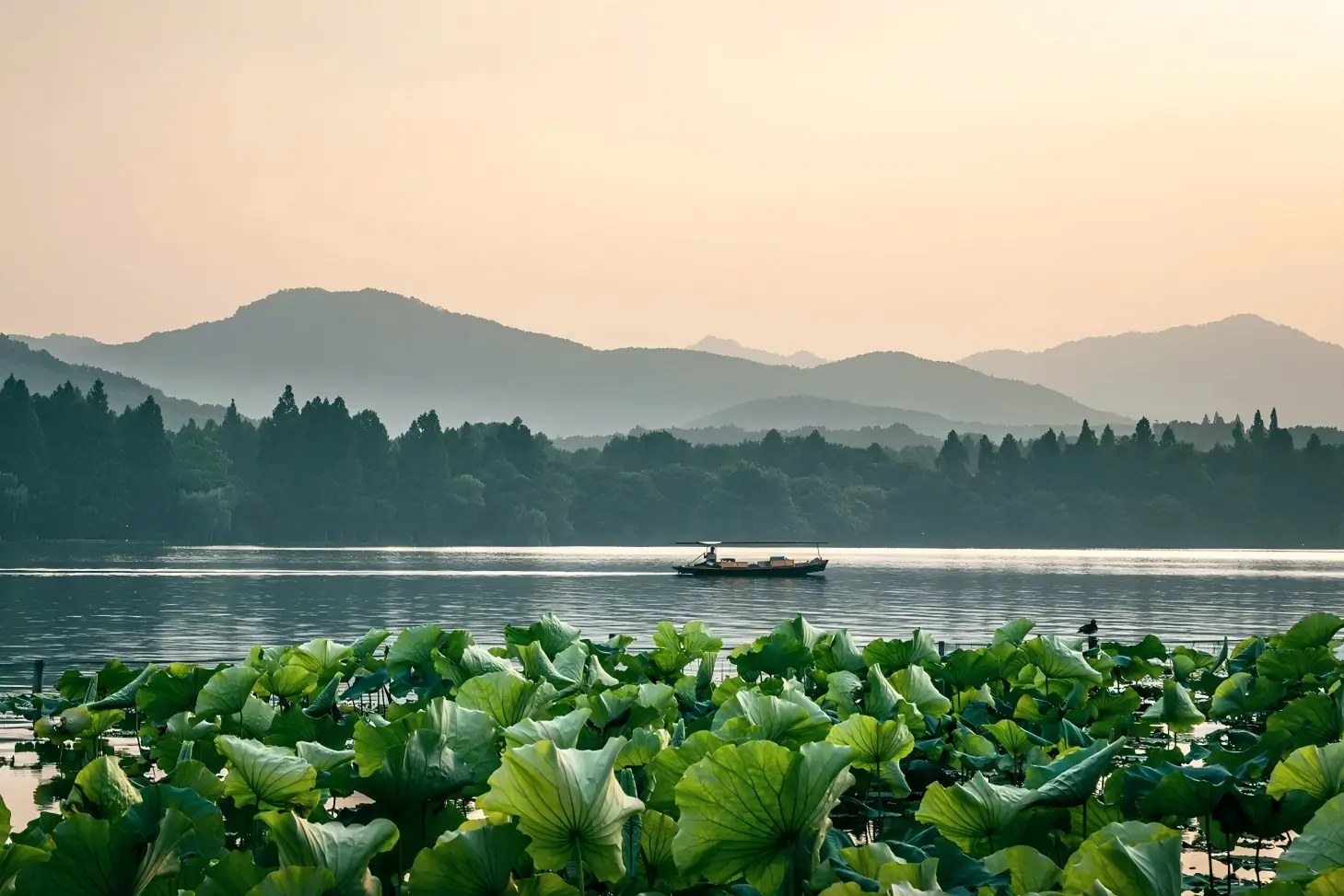
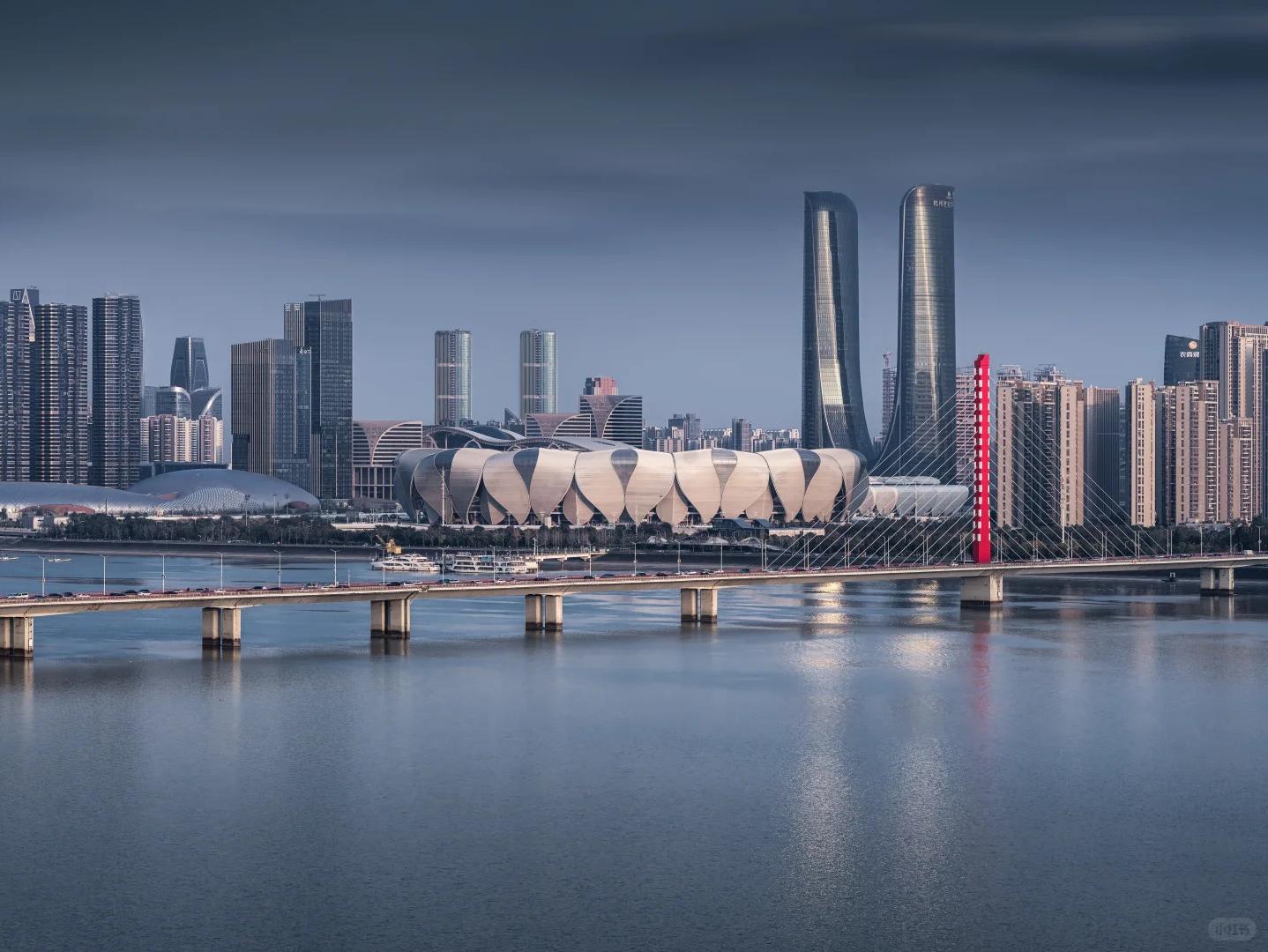
Hailed as "Paradise on Earth," Hangzhou is renowned for West Lake, with iconic spots like Su Causeway and Three Pools Mirroring the Moon. It is also the birthplace of Longjing tea—visitors can pick tea, watch roasting and taste it in Longjing Village. Nearby Jiuxi Eighteen Streams offers tranquil hiking.
Jiangnan Water Towns – Canals, Ancient Streets & Local Life
Such as Wuzhen, Zhouzhuang, and Xitang—are famous for peaceful canals, stone bridges, and traditional architecture. Key experiences include walking along the canals, taking a boat ride, and exploring historic streets with teahouses and local shops.
You can also enjoy local delicacies, from handmade noodles to river specialties. Located 30–60 minutes by high-speed train from Shanghai or Suzhou, these towns are easy to include in a 7-day East China itinerary, offering a calm and scenic contrast to city life.
Huangshan – Mountain Wonders & Huizhou Culture
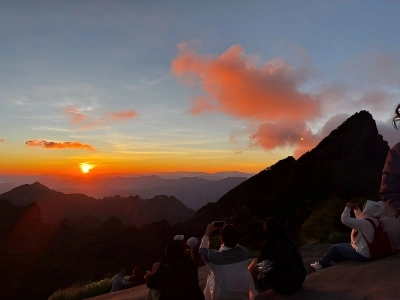
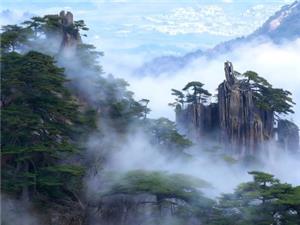
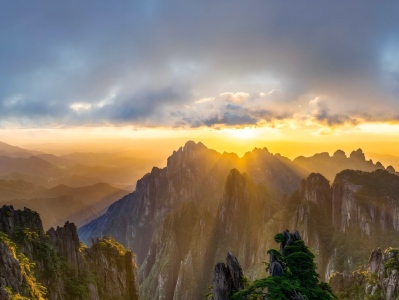
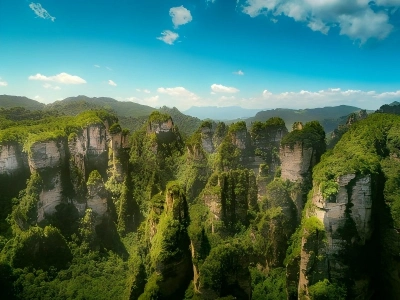
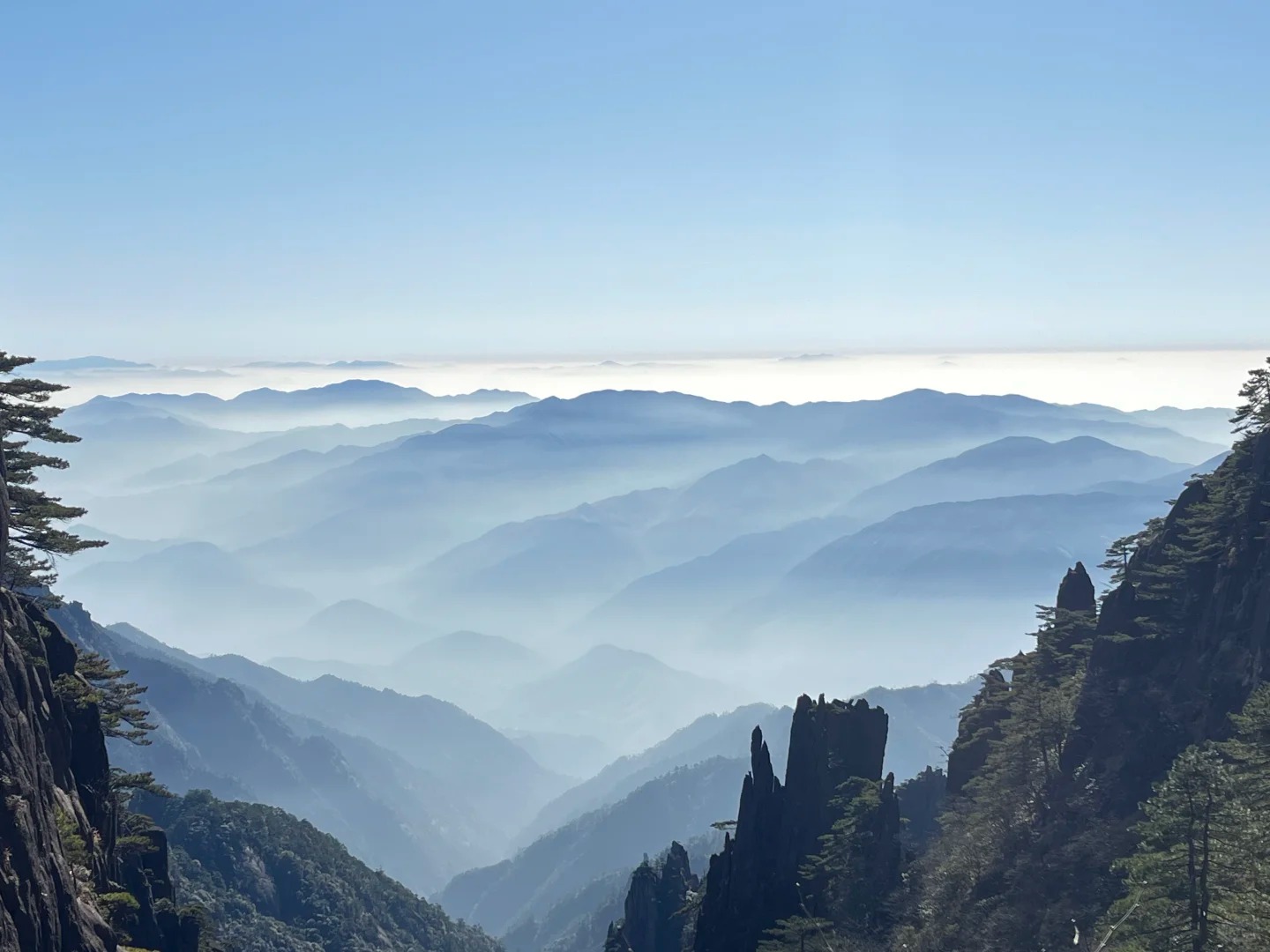
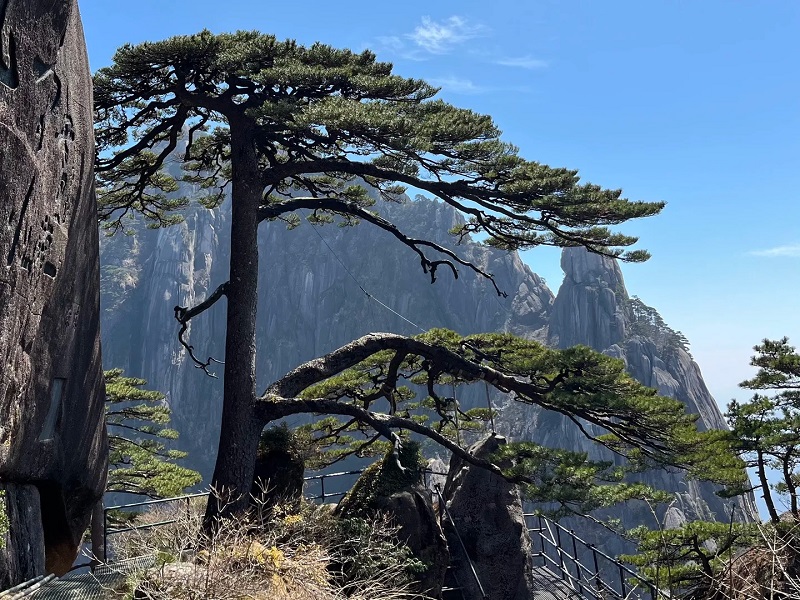
Known as "the most fantastic mountain under heaven," Huangshan (a UNESCO World Heritage Site) is a new highlight of the route, famous for its four wonders: peculiar pines, grotesque rocks, sea of clouds and hot springs. Key spots include Guest-Greeting Pine and Guangming Top (for sunrise/cloud views). It also features Huizhou culture and local delicacies, with a 2-hour high-speed rail ride from Hangzhou for seamless integration.
Best Way to Travel Around East China
When traveling between Shanghai, Suzhou, and Hangzhou, there are three main options: train, flight, or private car.
Train:
· Why it works: Fast, reliable, and city-center to city-center.
· Limitations: Less flexible if you want to change routes.
· Best for: Guests who want a smooth, efficient journey.
Flight:
· Why it works: Air travel is quick in the sky.
· Limitations: Airport transfers and check-in can take extra time.
· Best for: Those who value flying over trains.
Private Car:
· Why it works: Total flexibility, door-to-door service.
· Limitations: Slower for long distances and subject to traffic.
· Best for: Guests who prefer a fully customized pace.
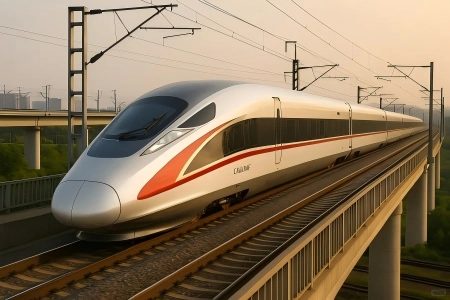
For a smooth, time-saving, and comfortable East China tour, the high-speed train is the clear winner. It combines speed, convenience, and comfort—giving you more time to enjoy the sights and less time worrying about travel logistics.
Why This Route Offers the Best Real China Experience
Spending a week on this route is like taking a mini journey through China's many faces:
· Shanghai = Futuristic China – Think sleek skyscrapers, buzzing streets, and that unforgettable Bund skyline. It's modern, lively, and full of energy.
· Suzhou = Classical China – Here, time seems to slow down. Walking through Suzhou's gardens and winding canals feels like stepping into a painting from centuries ago.
· Hangzhou = Poetic China – West Lake, tea terraces, and misty mornings—Hangzhou has a way of making you pause and just take it all in.
Traveling this way, you don't just see China—you feel it, from urban rush to serene beauty, all in one seamless journey.
Most Unforgettable Moments in East China
Here are the experiences that truly stay with you:
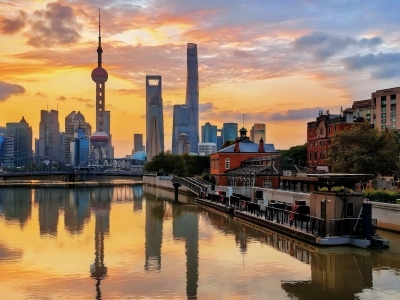
· Night view of The Bund, Shanghai – Watch the city lights reflecting on the Huangpu River. Sunset is the perfect time for a magical glow.
· Strolling through Suzhou's classical gardens – Hidden corridors, ornate bridges, and koi ponds make every step feel like a scene from a
painting.
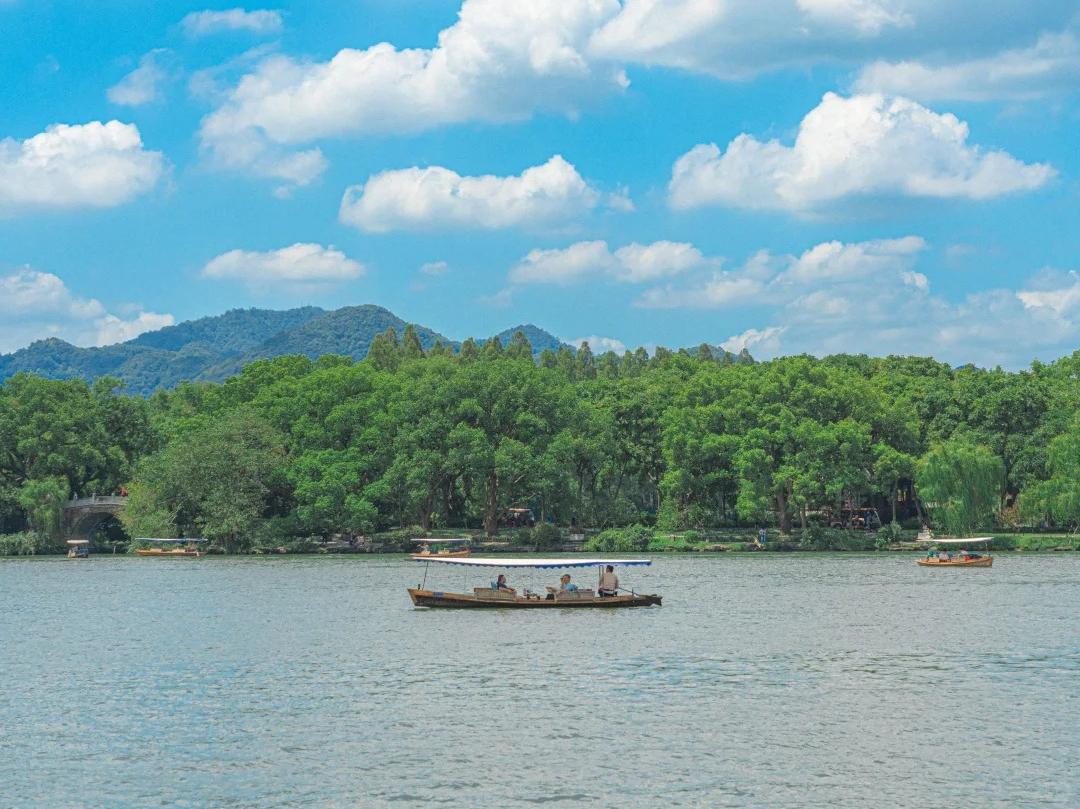
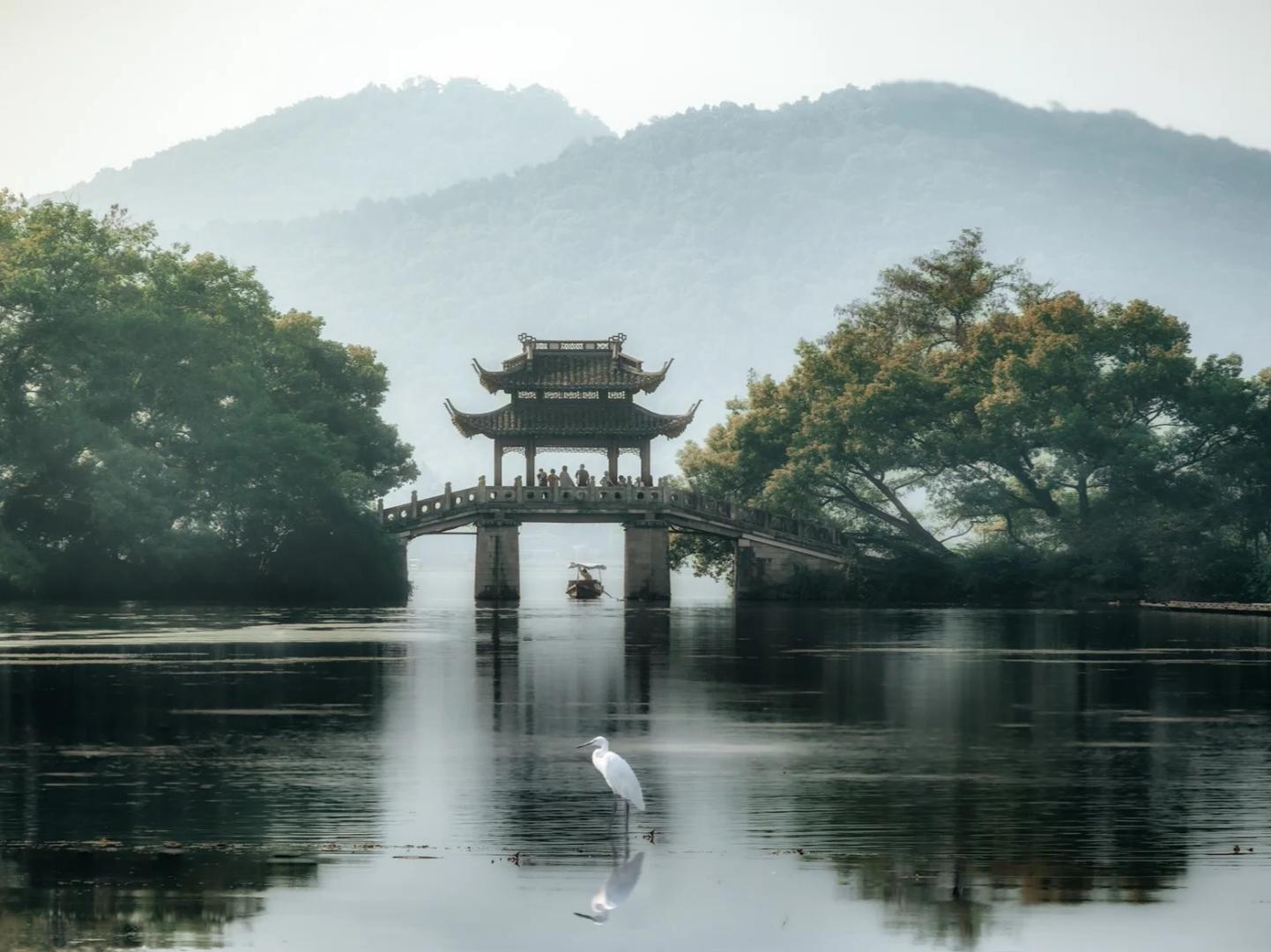
· Boat ride on Hangzhou's West Lake at sunset – Calm waters, elegant bridges, and pagodas bathed in golden light—pure serenity.
· Tea picking in Longjing Village – Join local farmers to pick tea leaves and enjoy freshly brewed Longjing tea. A peaceful way to connect with local culture.
· Hangzhou AI Interactive Experience – Explore cutting-edge technology with interactive exhibits and immersive installations. Fun, futuristic, and perfect for tech lovers or families.
· "Impression West Lake" Show by Zhang Yimou – An unforgettable outdoor performance set on West Lake itself, combining music, light, and local culture. Best enjoyed in the evening when the lake reflects the vibrant show.
Extra touches: wandering through quiet alleys, stopping at small tea shops, or catching local street performances—these are the little experiences that make the trip memorable.
Best Time to Visit East China
The East China Golden Triangle—mainly Shanghai, Suzhou, and Hangzhou—is one of the most rewarding regions to explore year-round. But the experience changes quite a lot depending on the season. Here's a practical breakdown to help you choose the right time for your trip.
Spring (March–May) — Best Scenery Season
Spring is when East China feels the most "alive."
You'll see:
· Blossoming cherry flowers, peach blossoms, and magnolias
· Fresh green tea fields in Hangzhou
· Classical gardens in Suzhou at their most photogenic state
· Soft light that makes city skylines look less harsh and more atmospheric
Why it's special:
· Perfect balance of mild weather and vibrant landscapes
· Great for walking tours, gardens, lakes, and photography
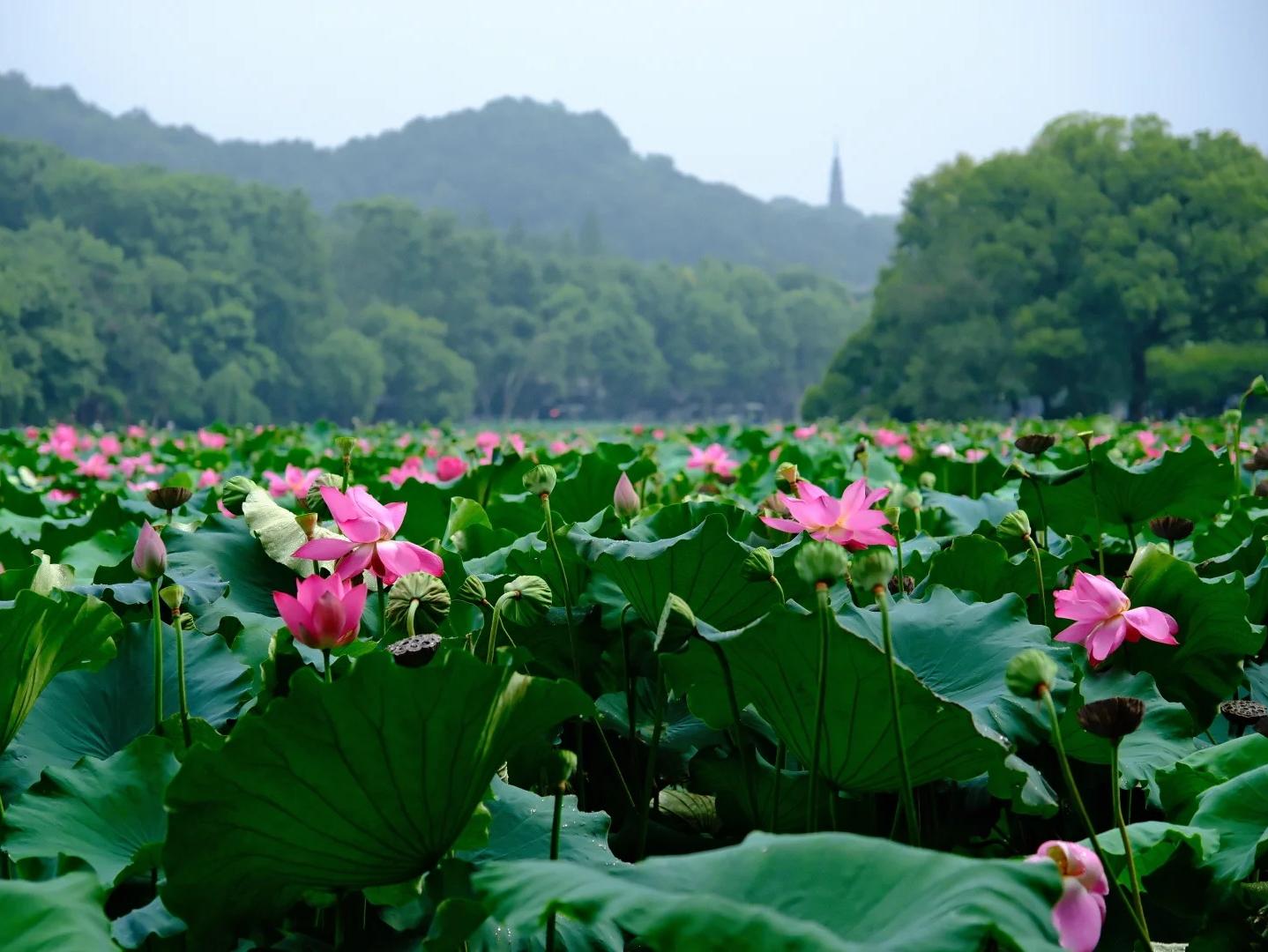
· West Lake in Hangzhou feels especially poetic in spring mist
If your priority is visual beauty + nature + photography, this is the top choice.
Autumn (September–November) — Best Weather Season
Autumn is widely considered the most comfortable time to travel this region.
You'll experience:
· Clear blue skies and low humidity
· Comfortable temperatures for long sightseeing days
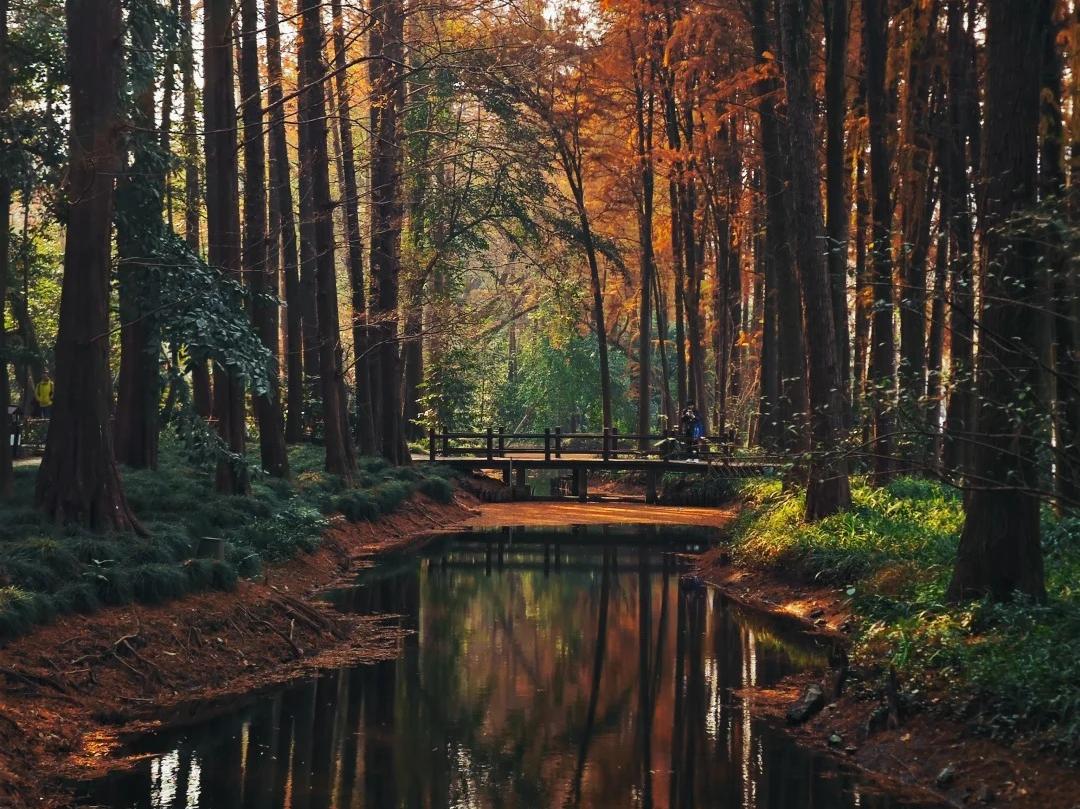
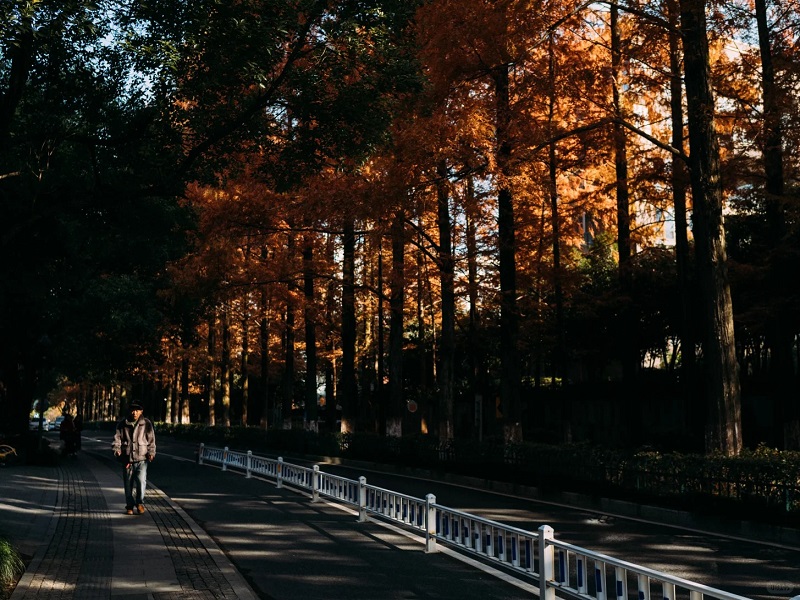
· Golden ginkgo trees and maple leaves in Suzhou gardens
· Sunset views over West Lake that feel almost cinematic
Why it stands out:
· Most stable weather conditions (less rain than spring)
· Excellent visibility for city skylines in Shanghai
· Ideal for multi-city itineraries with high-speed train travel
If you want easy travel, perfect weather, and clean views, autumn is unbeatable.
Summer vs Winter — What to Expect
Summer (June–August)
· Hot and humid (especially in Shanghai and Hangzhou)
· Occasional heavy rain or typhoons
· Longer daylight hours (good for packed itineraries)
Best for:
· Evening river cruises in Shanghai
· Night markets and food exploration
· Travelers who don't mind heat
Downside:
· Midday sightseeing can feel tiring due to humidity
Winter (December–February)
· Cold, damp, but rarely extreme snow in major cities
· Fewer tourists → quieter attractions
· More "local life" atmosphere
Best for:
· Budget travel (lower hotel prices)
· Peaceful visits to gardens and temples
· Off-season photography with misty, moody scenes
Downside:
· Some gardens and lakes feel less vibrant compared to spring/autumn
Crowd Level Tips (Very Important)
If you want a smoother experience across Shanghai, Suzhou, and Hangzhou:
· Avoid national holidays
o Especially: Chinese New Year, Labor Day (May 1–5), National Day (Oct 1–7)
· Best crowd balance periods
o Mid-March to early April
o Late May (before summer peak)
o Mid-October to early November
· Best time of day for attractions
o Arrive before 9:00 AM for West Lake, gardens, and museums
o Late afternoon is better for city skylines (Shanghai Bund, etc.)
How to Spend 7 Days in East China: Shanghai, Suzhou & Hangzhou
Planning a 7-day trip to East China can feel overwhelming if you want to experience the perfect mix of modern city life, classical gardens, and natural scenery. Here's a sample itinerary that balances comfort, sightseeing, and authentic local experiences.
For Your First Time in Eastern China
Day 1–2: Shanghai – Futuristic City & Vibrant Culture
· Must-visit: The Bund, Yu Garden, Shanghai Tower, Nanjing Road
· Insider tip: Take an evening Huangpu River cruise for the iconic skyline.
· Travel note: Shanghai is the perfect starting point with convenient international flight access.
Day 3–4: Suzhou – Classical Gardens & Water Towns
· Must-visit: Humble Administrator's Garden, Lingering Garden, Shantang Street
· Hidden gems: Tongli or Zhouzhuang Water Town
· Travel tip: High-speed train from Shanghai to Suzhou takes only ~30 minutes.
Day 5–7: Hangzhou – Poetic Scenery & Tea Culture
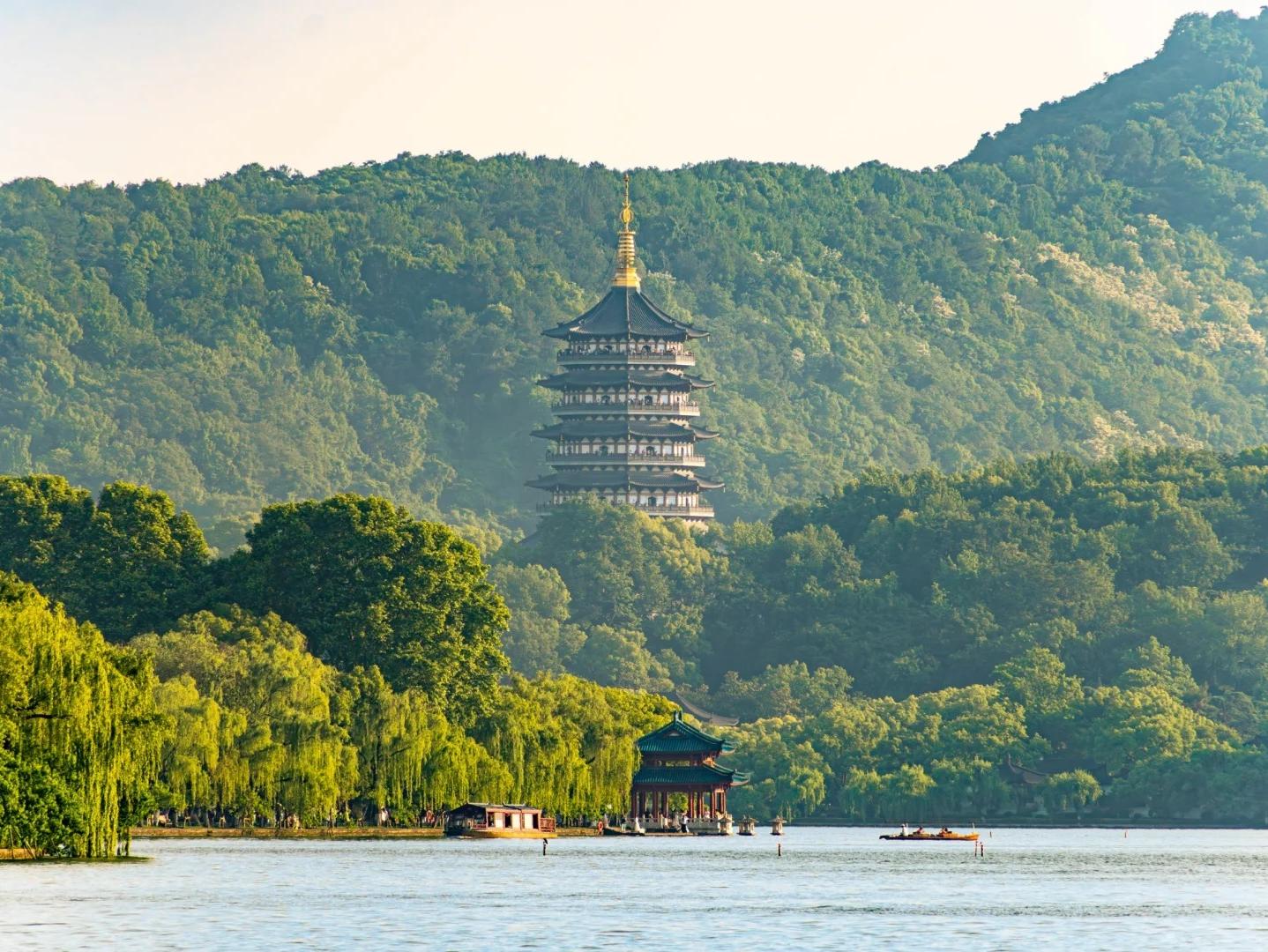
· Must-visit: West Lake, Longjing Tea Plantations, Leifeng Pagoda, Hupao Park
· Experience tip: Try a private boat ride on West Lake at sunrise or sunset for stunning views.
· Travel note: Suzhou to Hangzhou by high-speed train takes around 1.5 hours, perfect for a smooth transition.
Tips For Your First Experience
· Stick to high-speed trains for smooth transitions between cities
· Spring or Autumn is ideal for both weather and scenery
· Private guides help skip queues and make sightseeing stress-free
Beyond the Classics – A Deeper Exploration
For those looking for a richer experience, combining hidden gems and natural wonders, including Huangshan.
Day 1–2: Shanghai – Off-the-Beaten-Path
· Explore French Concession alleys, Tianzifang, or M50 Art District
· Enjoy rooftop bars or local craft coffee spots
Day 3: Suzhou – Beyond the Gardens
· Explore Pingjiang Road and quiet canals less crowded by visitors
· Try traditional Suzhou embroidery workshops or local tea houses
Day 4–5: Hangzhou – Nature & Culture
· Early morning West Lake cycling or boating
· Explore lesser-known spots: Guozhuang Village, Bamboo Trails, Hupao Park trails
· Tea tasting experience in a family-run plantation
Day 6–7: Huangshan & Ancient Villages
· Hike Huangshan for scenic sunrise and unique granite peaks
· Visit nearby UNESCO villages like Hongcun or Xidi, away from the usual crowds
· Optional: Hot springs or countryside homestay experience for a local touch
Extra Tips:
· Early planning ensures you avoid tourist rushes at Huangshan
· Use private transfers when possible for remote locations
· Consider spending a night in an ancient village for an immersive experience
Cost of a Private East China Tour
Planning a trip is easier when you have a clear idea of your budget. Here's a practical breakdown of the main costs for a 7-day journey through Shanghai, Suzhou, Hangzhou, and Huangshan.
1. Hotels
· Shanghai: $80–$200 per night for mid-range hotels; $250+ for boutique or luxury options
· Suzhou: $60–$150 per night for comfortable stays near gardens or canals
· Hangzhou: $70–$180 per night for lakeside or city-center hotels
· Huangshan: $50–$150 per night, higher for mountain-view hotels or ancient village stays
Tip: Booking in advance can secure better rates, especially during spring and autumn.
2. Train Tickets & Transportation
· High-speed trains (Shanghai - Suzhou - Hangzhou - Huangshan): $20–$60 per segment, depending on class
· Private transfers or taxis: $30–$100 per trip, convenient for groups or remote spots like Huangshan villages
· Local transportation: $1–$3 per metro/bus ride, optional bike rentals in Hangzhou/Shanghai
3. Attractions & Entry Fees
· Shanghai: The Bund (free), Yu Garden ~$10, Shanghai Tower Observation Deck ~$25
· Suzhou: Humble Administrator's Garden ~$10–$15, Water Town entrance ~$10–$15
· Hangzhou: West Lake (free), Leifeng Pagoda ~$5, Longjing Tea Plantation visit ~$10
· Huangshan: Mountain entry ~$30, cable car ~$25–$35, ancient villages ~$5–$10
Tip: Booking tickets online in advance can save time and sometimes money.
4. Private Guide Services
· Half-day tour: ~$80–$120
· Full-day tour: ~$150–$250
· Guides can help skip queues, provide cultural insights, and customize the itinerary for your interests
· Small private groups are more flexible and avoid crowded buses
Estimated Total Budget (Per Person)
· Budget-friendly: $700–$900
· Mid-range: $1,200–$1,500
· Luxury/private experience: $2,000+
Extra Tips:
· Costs vary depending on travel season, type of accommodation, and whether you choose private guides or self-planned sightseeing.
· Booking in advance for hotels and trains during peak seasons (spring, autumn, Chinese holidays) is highly recommended.
· Combining private guides with self-exploration days can maximize your experience while keeping costs reasonable.
Private Tour vs Independent Travel in East China
Exploring East China—Shanghai, Suzhou, Hangzhou, and Huangshan—can be done independently or with a travel service. Here's what to consider:
Traveling Independently (Self-Guided / DIY)
Pros:
· Complete freedom to choose your pace and attractions
· Can discover hidden gems off the beaten path
· Often cheaper if you manage accommodation, transport, and tickets yourself
Cons:
· Planning takes time and effort, especially with multiple cities
· Language barriers may make navigating trains, buses, or local restaurants tricky
· Risk of missing key sites or experiences if not well-researched
Booking a Travel Service (Private Tour or Group Tour)
Pros:
· Stress-free planning: Itinerary, tickets, and transfers arranged for you
· Local expertise: Guides provide cultural insights and practical tips
· Flexible options: Private tours can customize the schedule to your interests
· Time-efficient: Skip lines and maximize sightseeing in limited days
Cons:
· Higher cost than completely independent travel
· Less spontaneous freedom if in a group tour (private tours offer more flexibility)
Recommendation
· First-time visitors or short trips (7 days): Private tours are ideal to cover key cities efficiently and enjoy a hassle-free experience.
· Experienced explorers: A mix of DIY days and guided tours allows both freedom and insider insights.
Essential Travel Tips for Exploring East China
East China—Shanghai, Suzhou, Hangzhou, and Huangshan—is packed with modern city life, classical gardens, and stunning natural scenery. Here's what first-time visitors should know for a smooth and enjoyable trip.
1. Mobile Payments & Cash
· Alipay and WeChat Pay are widely used in East China, even at street food stalls and local tea shops.
· Major hotels, restaurants, and tourist attractions accept credit cards, but carrying a small amount of RMB is still recommended.
· Some scenic areas in Suzhou or Huangshan villages may not accept digital payments—cash is safer.
2. Navigation in East China
· Baidu Maps and AutoNavi (Gaode Maps) are the most reliable for public transport and walking routes.
· DiDi is convenient for taxis, especially in Shanghai and Hangzhou.
· Many train stations and scenic spots have English signage, but maps and apps will save time in smaller towns.
3. Language Tips for East China
· English is more common in Shanghai, less so in Suzhou, Hangzhou, and Huangshan.
· A translation app like Google Translate or Pleco helps with menus, tickets, and asking directions.
· Learning simple Mandarin phrases for greetings, numbers, and "how much" makes interactions smoother.
4. Packing for East China
· Comfortable walking shoes—cities like Suzhou and Hangzhou have lots of pedestrian streets and garden paths
· Layered clothing for spring or autumn; raincoat/umbrella for West Lake or Huangshan hikes
· Small backpack with water, snacks, and a portable charger for long sightseeing days
· Optional: binoculars or camera for West Lake scenery and Huangshan mountain peaks
5. Timing & Seasonal Tips
· Spring (March–May): Gardens bloom, West Lake is most scenic, weather is mild
· Autumn (September–October): Ideal for Huangshan hikes and fewer crowds
· Avoid major Chinese holidays like National Day (Oct 1–7) or Chinese New Year, when attractions are crowded
Extra Insider Tips
· Consider early morning visits to West Lake and classical gardens in Suzhou to avoid crowds
· Book high-speed train tickets in advance for smoother travel between cities
· Try local specialties: Xiaolongbao in Shanghai, Longjing tea in Hangzhou, Suzhou sweet snacks
Why Choose a Private Tour to Explore China's Golden Triangle?
Experience Shanghai, Suzhou, and Hangzhou like a local—without the stress of planning or crowds. Here's what makes our private tours stand out:
1. Tailor-Made Itinerary
· Every day is designed around your interests, pace, and preferences
· Skip generic sightseeing—focus on what you truly want to see
2. Hassle-Free Travel & Logistics
· Door-to-door transfers and seamless high-speed train connections
· Hotels, tickets, and routes all coordinated for maximum comfort
· Avoid long queues and confusing schedules
3. Professional, Knowledgeable Guides
· English-speaking local guides with deep knowledge of culture and history
· Insider tips, hidden gems, and photo-perfect spots you won't find in guidebooks
4. 24/7 Support
· Travel with peace of mind knowing help is available anytime
· Emergency support, itinerary adjustments, and local advice whenever needed
5. Seamless Train + Hotel Coordination
· Efficient high-speed train schedules integrated with hotel bookings
· Minimize travel stress and maximize sightseeing time
This East China travel guide helps you quickly plan a smooth trip through top destinations like Shanghai, Hangzhou, Suzhou and nearby cities.
You'll learn why this route is so popular, who it's best for, how to travel between cities, and what to expect for a 7-day itinerary and budget.
Looking for ready-made itineraries? Explore our East China tour packages and start planning your trip today.
Frequently Asked Questions About East China Tours
1. What is the best way to travel between Shanghai, Suzhou, Hangzhou, and Huangshan?
High-speed trains are the most convenient and time-efficient way to move between cities:
· Shanghai - Suzhou: ~30 minutes
· Suzhou - Hangzhou: ~1.5 hours
· Hangzhou - Huangshan: ~3 hours
For smaller towns or remote attractions, private transfers or taxis provide more flexibility.
2. Do I need to speak Chinese to visit East China?
Not necessarily, but English is limited outside major tourist areas.
· Translation apps like Google Translate or Pleco are very helpful.
· Learning basic Mandarin phrases for greetings, numbers, and directions improves your experience.
3. How much cash should I carry?
· Most shops, restaurants, and even small street vendors in East China accept WeChat Pay or Alipay.
· Carrying a small amount of RMB (~100–200 RMB) is recommended for remote villages or scenic spots in Suzhou and Huangshan.
4. When is the best time to visit East China?
· Spring (March–May): Ideal for gardens, West Lake, and mild weather
· Autumn (September–October): Perfect for Huangshan hikes and fewer crowds
· Avoid Chinese holidays like National Day (Oct 1–7) and Chinese New Year, as attractions can be extremely crowded.
5. Should I travel independently or book a private tour?
· First-time visitors / 7-day trip: Private tours save time, handle logistics, and provide local insights.
· Experienced travelers: A mix of DIY days and guided tours balances freedom and convenience.
6. What should I pack for East China?
· Comfortable walking shoes and layered clothing for seasonal changes
· Rain gear for Hangzhou West Lake and Huangshan hikes
· Portable charger, water bottle, snacks, and small backpack for daily excursions
· Optional: binoculars or camera for scenic spots
7. Are mobile payments safe for tourists?
· Yes, both WeChat Pay and Alipay are widely used and secure.
· Make sure your account is linked properly before your trip or ask your guide for help.
· Always keep a small amount of cash for places that don't accept digital payment.