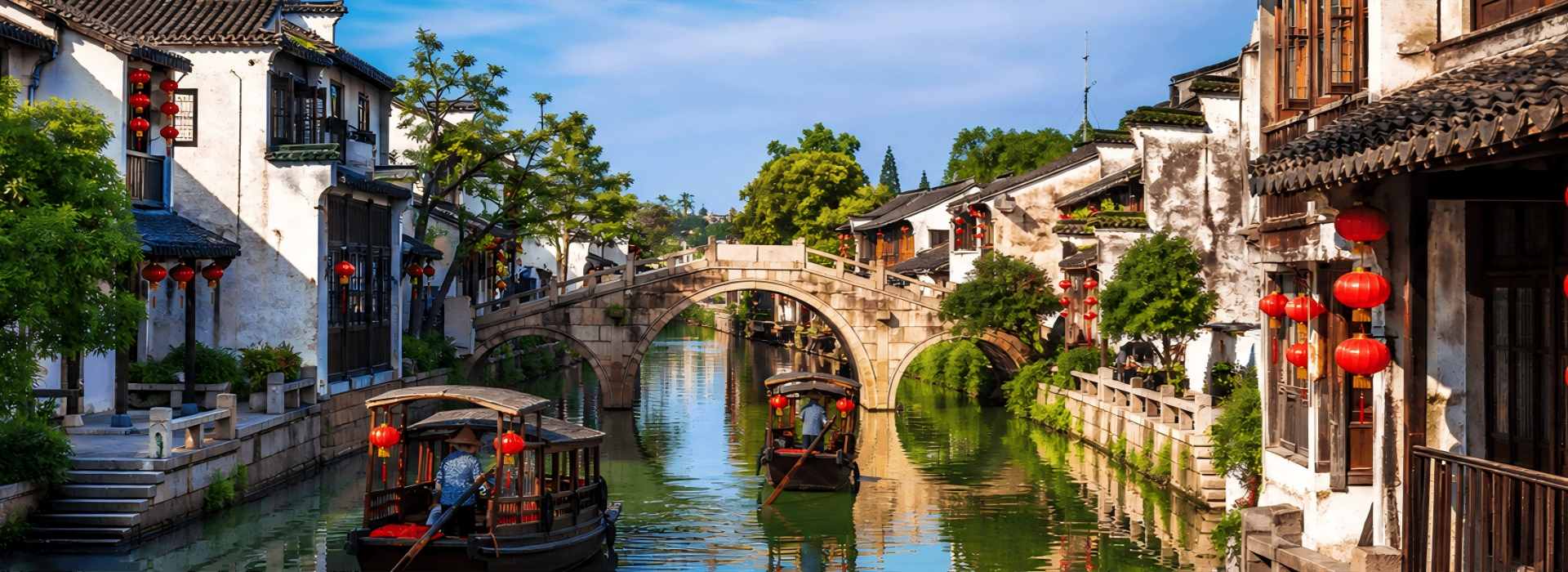
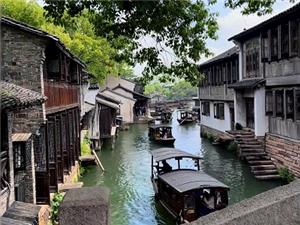
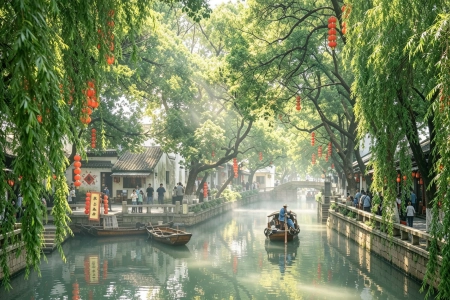
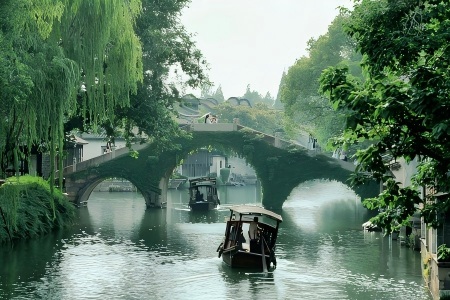
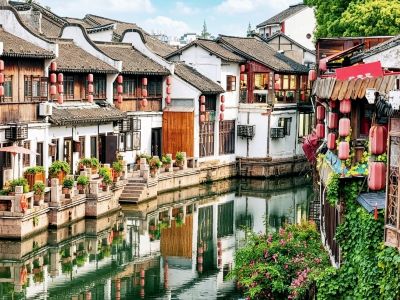
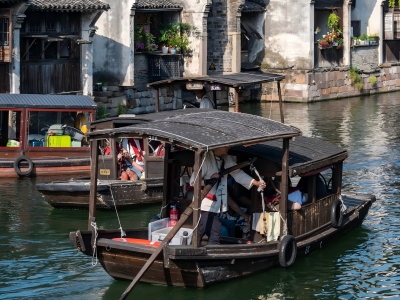
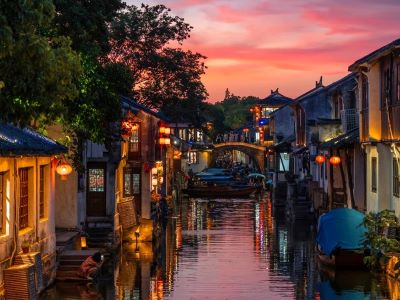
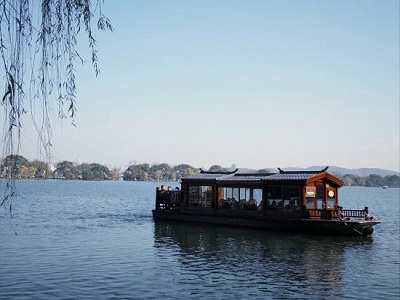
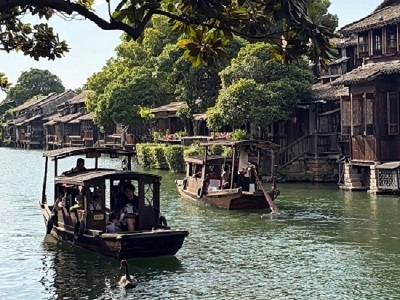
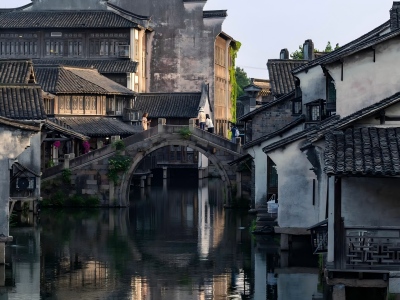
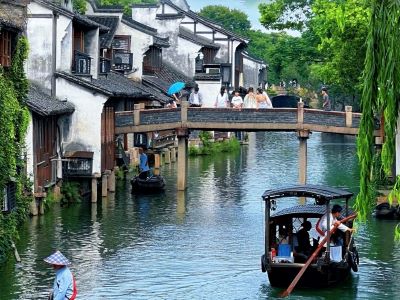
There are many ancient water towns in China, but few leave the same impression as Wuzhen. At first glance, it seems to have everything visitors expect from a classic Jiangnan water town: stone bridges, narrow canals, whitewashed houses and centuries-old streets. Yet spend a little more time here and you'll realize Wuzhen is much more than a pretty postcard. It's a place where history, culture, art, hospitality and everyday life still flow together along the water. Located between Shanghai and Hangzhou, Wuzhen Water Town has become one of China's most visited heritage destinations. Some travelers come for the famous night views, others for the museums and cultural festivals, while many simply want to slow down and experience a side of China that feels timeless.
This guide goes beyond a basic sightseeing checklist. You'll discover the top attractions in Wuzhen, learn about its fascinating history and culture, compare Xizha and Dongzha, explore the town's unique hotels, and find the easiest ways to travel to Wuzhen from Hangzhou or Shanghai. Most importantly, you'll learn how to experience Wuzhen the way locals and seasoned travelers do—not just as a tourist destination, but as a place with its own rhythm and character.
Quick Facts About Wuzhen Water Town
Item | Details |
Location | Tongxiang, Zhejiang |
Distance from Hangzhou | Around 80 km |
Distance from Shanghai | Around 130 km |
Best Known For | Ancient canals & traditional architecture |
Best Time to Visit | Spring & Autumn |
Recommended Stay | 1–2 Days |
Famous Areas | West Scenic Area & East Scenic Area |
Why Wuzhen Is More Than Just Another Water Town
At first glance, Wuzhen looks like the water town many travelers imagine when visiting eastern China—stone bridges arching over quiet canals, whitewashed houses reflected in the water, and narrow lanes that seem untouched by time. But Wuzhen offers much more than postcard scenery. With a history spanning more than 1,300 years, the town grew alongside China's Grand Canal and became an important center of trade, culture and craftsmanship in the Jiangnan region. Today, that heritage can still be seen in its traditional architecture, historic workshops and centuries-old waterways. What truly sets Wuzhen apart, however, is how it blends the past with the present. Alongside ancient streets, you'll find world-class cultural venues such as the Mu Xin Art Museum, internationally renowned events like the Wuzhen Theatre Festival, and even the annual World Internet Conference. Unlike many historic towns that feel like open-air museums, Wuzhen remains vibrant and evolving. It's a place where history, culture and modern creativity meet—making it one of the most rewarding water towns to visit in China.
Wuzhen vs Other Water Towns
Water Town | Best For | Highlights |
Wuzhen | First-time visitors, culture lovers, photographers | Iconic night views, museums, heritage hotels, cultural festivals |
Zhouzhuang | Traditional water-town scenery | Historic canals, classic Jiangnan atmosphere |
Xitang | Younger travelers | Lively old streets, bars and evening atmosphere |
Nanxun | Slow travelers and architecture enthusiasts | Elegant mansions, fewer crowds, local charm |
Which Wuzhen Experience Is Right for You?
One of the best things about Wuzhen is that it can feel completely different depending on how you choose to experience it. Whether you're here for photography, culture or simply a relaxing escape, there's a side of Wuzhen that will suit your travel style.
First-Time Visitor
If this is your first trip to Wuzhen, focus on the experiences that have made the town famous. Spend most of your time in Xizha (West Scenic Area), stay overnight if possible, and don't miss the magical night views when the canals and old streets glow under thousands of lanterns.
Photography Lover
Wuzhen offers some of the most photogenic scenery in Jiangnan. Visit White Lotus Pagoda for panoramic views, explore the canals in the early morning mist, and stay until evening when the reflections of lanterns create some of the town's most iconic images.
Culture Enthusiast
Beyond its picturesque waterways, Wuzhen is rich in history and cultural heritage. Discover the world of writer and artist Mu Xin at the Mu Xin Art Museum, learn about literary giant Mao Dun at his former residence, and experience traditional craftsmanship at the famous indigo dye workshop.
Slow Traveler
Wuzhen is at its best when you don't rush. Spend time sitting in a riverside tea house, wandering quiet backstreets and enjoying the slower rhythm of life along the canals. Staying overnight allows you to experience the town before the crowds arrive and after most day-trippers have left.
Families and Leisure Travelers
With pedestrian-friendly streets, scenic boat rides and plenty of places to relax, Wuzhen is an easy destination for families and casual travelers. It's compact enough to explore comfortably while offering enough variety to keep everyone engaged.
Luxury Traveler
Wuzhen is home to some of China's most distinctive heritage hotels. Staying inside Xizha gives you access to the town's most magical hours—quiet mornings and beautifully illuminated evenings. For travelers seeking comfort, atmosphere and a more exclusive experience, it's well worth the extra cost.
Wuzhen West Scenic Area (Xizha) — The Heart of Modern Wuzhen
If you ask ten people what they remember most about Wuzhen, chances are at least nine will mention Xizha. This is the part of town that appears in travel magazines, postcards and social media photos—the winding canals lined with lanterns, elegant stone bridges reflected in still water, and historic buildings glowing softly after dark. Yet Xizha is more than just Wuzhen's most photogenic neighborhood. It's where the town tells its most complete story. Here, centuries-old waterways flow past contemporary art museums, traditional tea houses sit beside boutique hotels, and cultural festivals bring new energy to streets that have existed for generations. It's this blend of heritage and modern life that makes Xizha feel less like an attraction and more like a place you can genuinely spend time in.
Why Visit Xizha?
· Home to Wuzhen's most famous night views
· The best area for first-time visitors
· Ideal for overnight stays inside the scenic area
· Rich mix of culture, history and modern amenities
· One of the most photogenic locations in Jiangnan
Top Things to Do in Xizha
Take a Night Canal Cruise
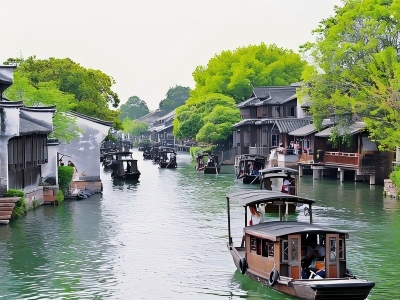
A traditional wooden boat ride is one of the most memorable ways to experience Xizha. As the boat drifts beneath ancient stone bridges and past lantern-lit houses, you'll see the town from the same waterways that once served as its main transportation routes. While boat rides are available during the day, evening cruises offer the most magical atmosphere, with reflections dancing across the canals and the historic architecture glowing softly in the background.
Walk Along the Lantern-Lit Waterways
Many visitors arrive with a checklist of attractions, only to discover that their favorite experience is simply wandering through Xizha after dark. Once the lanterns are lit, the entire town takes on a dreamlike quality. Quiet canals, narrow alleyways and illuminated bridges create endless opportunities to explore at your own pace. No two walks ever feel exactly the same.
Visit Mu Xin Art Museum
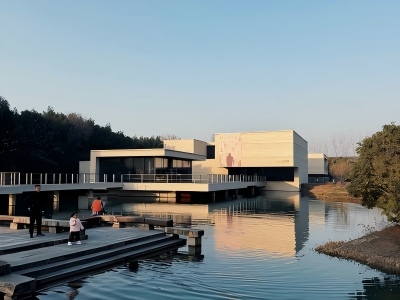
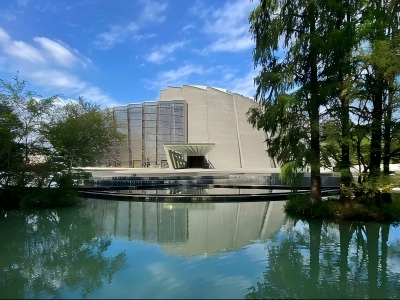
Located along the waterfront, the Mu Xin Art Museum is one of Wuzhen's most important cultural landmarks. Dedicated to the renowned writer, painter and philosopher Mu Xin, the museum combines contemporary design with the town's historic surroundings. Even visitors unfamiliar with his work often appreciate the museum's architecture, peaceful atmosphere and thoughtful exhibitions, making it a worthwhile stop beyond the typical sightseeing route.
Visit Wuzhen Grand Theater
One of the symbols of modern cultural life in Wuzhen, the Wuzhen Grand Theater reflects the town's growing reputation as a center for art and creativity. The venue plays an important role during the internationally acclaimed Wuzhen Theatre Festival, attracting performers and audiences from around the world. Even when no performances are scheduled, the building itself is an interesting example of contemporary architecture integrated into a historic setting.
White Lotus Pagoda
Rising above the canals of Xizha, the White Lotus Pagoda is one of the town's most recognizable landmarks. Its elegant silhouette has become a symbol of Wuzhen, particularly in photographs taken at sunrise and sunset. The surrounding waterfront area offers some of the best panoramic views in the scenic zone, making it a favorite stop for both photographers and first-time visitors.
Enjoy Riverside Tea Houses
Few experiences capture the slower rhythm of Jiangnan life better than sitting beside the water with a cup of tea. Xizha is home to numerous traditional tea houses overlooking the canals, where visitors can take a break from sightseeing and simply enjoy the scenery. Watching boats pass by while listening to the sounds of the water is often a highlight for travelers looking to experience a more relaxed side of Wuzhen.
Explore Water Markets
The waterways of Wuzhen were once bustling trade routes, and echoes of that history can still be found in the town's small markets and traditional shops. As you explore Xizha, you'll encounter local snacks, handcrafted souvenirs, artisanal products and cultural displays that offer insight into the region's heritage. These markets provide a pleasant contrast to the larger attractions and add character to the overall experience.
Museums and Cultural Venues in Xizha
Mu Xin Art Museum
More than just a museum, this architectural landmark has become a symbol of Wuzhen's contemporary cultural identity. The museum showcases Mu Xin's paintings, manuscripts and literary works while offering visitors a deeper understanding of one of China's most respected modern artists. Its minimalist design and tranquil waterfront location make it a destination in its own right.
Wuzhen Grand Theater
Best known as one of the main venues for the Wuzhen Theatre Festival, the Grand Theater represents the town's connection to contemporary performing arts. Throughout the year, it hosts performances, exhibitions and cultural events that bring new creative energy to the historic water town.
Contemporary Art Spaces
Beyond its famous museums, Xizha is home to a growing number of small galleries and exhibition spaces. These venues feature modern art, photography and design projects that create an interesting dialogue between Wuzhen's historic environment and contemporary culture.
Cultural Exhibition Halls
Scattered throughout Xizha are exhibition halls dedicated to traditional crafts, local customs and Jiangnan heritage. These spaces provide valuable context for visitors who want to understand the stories, skills and lifestyles that helped shape Wuzhen over the centuries.
Best Photo Spots in Xizha
White Lotus Pagoda
One of the most photographed landmarks in Wuzhen, the White Lotus Pagoda offers striking views over the canals and rooftops of Xizha. Sunrise and sunset are particularly rewarding times to visit.
Lantern-Lit Canals
As darkness falls, the main waterways of Xizha become a photographer's paradise. Warm lantern light reflecting on the water creates some of the town's most iconic images.
Ancient Stone Bridges
The bridges connecting Xizha's neighborhoods provide excellent vantage points for capturing both architectural details and canal scenes. Early morning often offers the best light and fewer crowds.
Quiet Side Alleys
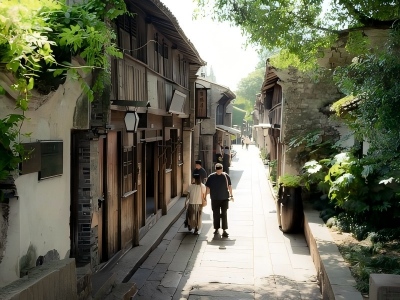
Some of Wuzhen's most charming photographs are found away from the busiest streets. Hidden lanes, wooden doorways and waterside residences reveal a more intimate side of the town.
Canal-View Tea Houses
For a classic Jiangnan scene, look for tea houses overlooking the water. These locations combine traditional architecture, local culture and beautiful canal views in a single frame.
Local Tip: The best photos in Xizha are rarely taken at midday. For softer light, fewer crowds and more atmospheric scenes, plan your photography around sunrise, sunset and the hours after the lanterns are switched on.
Wuzhen East Scenic Area (Dongzha) — A Journey into Traditional Life
If Xizha showcases Wuzhen's polished and romantic side, Dongzha reveals its roots. Smaller, quieter and less commercialized, Dongzha preserves the atmosphere of the old water town before tourism transformed it. Here, historic residences, traditional workshops and folk customs offer a glimpse into the daily life that once defined Wuzhen for generations. For travelers interested in local culture, traditional craftsmanship and authentic Jiangnan heritage, Dongzha is every bit as rewarding as Xizha.
Why Visit Dongzha?
· Historic residences and preserved streets
· Traditional workshops and local crafts
· Museums dedicated to folk culture and daily life
· Non-heritage performances unique to the Jiangnan region
· A quieter atmosphere with fewer crowds
Top Things to Do in Dongzha
Walk Through Ancient Streets
Dongzha's charm lies in its simplicity. Cobbled lanes, stone bridges, and old wooden houses create an immersive backdrop for exploring without a strict itinerary. Every alley has a story, and locals still go about their daily routines amidst the historic surroundings.
Follow the Footsteps of Mao Dun
One of Wuzhen's most important cultural landmarks, the former residence of renowned writer Mao Dun offers insight into the life of one of modern China's literary giants. Walking through the traditional Jiangnan courtyard, visitors gain a deeper appreciation of both Mao Dun's legacy and the intellectual heritage of the town.
Explore the Fascinating Hundred-Bed Museum
Unlike a traditional museum filled with artifacts behind glass, the Hundred-Bed Museum tells the story of Chinese family life through beautifully crafted antique beds from different dynasties. Intricate carvings, decorative details and regional styles make it one of Dongzha's most distinctive attractions.
Discover Jiangnan Traditions at the Folk Customs Museum
For those curious about traditional Jiangnan culture, this museum provides an engaging introduction to local customs, weddings, seasonal festivals and everyday life. Exhibits help visitors understand the traditions that shaped Wuzhen long before it became a tourist destination.
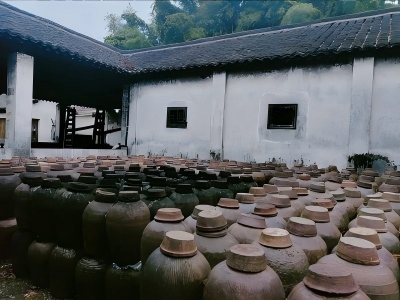
Learn the Art of Rice Wine Making at the Sanbai Wine Workshop
Rice wine has been produced in Wuzhen for centuries, and the Sanbai Wine Workshop offers a fascinating look at this local tradition. Visitors can learn about the brewing process, explore historic production spaces and discover why rice wine remains an important part of local culture.
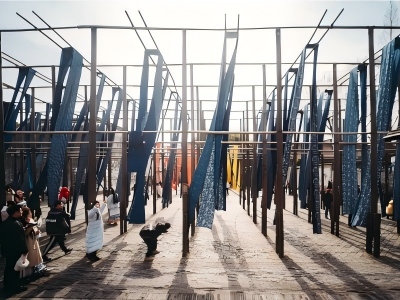
Experience the Craft of Indigo Dyeing
One of the most photographed locations in Dongzha, this traditional dye workshop showcases the centuries-old craft of indigo fabric production. Rows of blue-and-white cloth hanging in the courtyard create a striking visual scene while demonstrating a traditional skill that has been passed down through generations.
Step Into Traditional Chinese Pharmacies
Step inside historic Chinese medicine shops and discover a different side of Jiangnan life. Wooden cabinets filled with herbal remedies, ancient weighing scales and traditional prescriptions offer a glimpse into healthcare practices that have served local communities for centuries.
Don't Miss Dongzha's Intangible Cultural Heritage Performances
Beyond museums and historic buildings, Dongzha is one of the best places to experience Wuzhen's living traditions.
High-Pole Boat Performance
One of the most unique spectacles in the region, performers balance on tall poles mounted on moving boats while demonstrating incredible agility and skill. Originally developed by local boatmen, this folk performance remains a symbol of Wuzhen's relationship with its waterways.
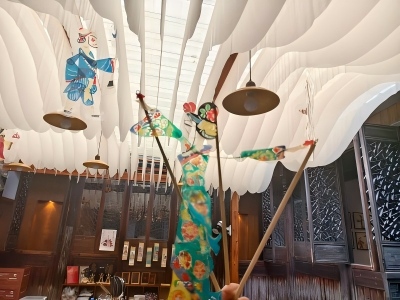
Shadow Puppetry
A beloved traditional art form with a history stretching back centuries, shadow puppet performances combine storytelling, music and handcrafted figures. Watching the delicate silhouettes come to life behind an illuminated screen offers a charming glimpse into China's folk entertainment traditions.
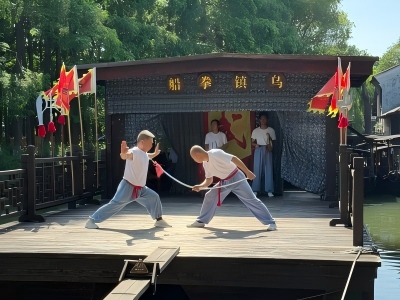
Boxing Boat Performance
Part martial arts demonstration and part cultural performance, Boxing Boat shows feature performers displaying traditional combat skills while standing on boats navigating the canals. The combination of movement, balance and local heritage makes it one of Dongzha's most memorable cultural experiences.
Local Tip:
Many travelers rush through Dongzha in just an hour or two before heading to Xizha. If time allows, slow down and attend a traditional performance, visit a workshop and spend time exploring the smaller side streets. These experiences often provide a richer understanding of Wuzhen than the famous photo spots alone.
Best Photo Spots in Dongzha
· Quiet bridges and canal corners for authentic Jiangnan shots
· Traditional workshops with artisans at work
· Family residences and historic doors for detailed architectural photos
· Riverside scenes in the soft morning light
Xizha vs Dongzha: Which Area Should You Visit?
Feature | Xizha (West Scenic Area) | Dongzha (East Scenic Area) |
Best For | First-time visitors, photographers, overnight stays | Culture lovers, history enthusiasts |
Atmosphere | Romantic, vibrant and polished | Traditional, authentic and local |
Highlights | Night views, White Lotus Pagoda, Mu Xin Art Museum | Mao Dun Former Residence, Indigo Fabric Workshop, Folk Customs Museum |
Cultural Experience | Contemporary art and cultural venues | Traditional crafts and folk heritage |
Photography | Lantern-lit canals and night reflections | Historic streets and local life |
Accommodation | Boutique and luxury hotels | Limited lodging options |
Local Tip: If you only have time for one scenic area, choose Xizha. It offers Wuzhen's iconic night scenery, best hotels, and most complete visitor experience. However, if you're interested in local culture, traditional crafts, and the stories behind the town, don't skip Dongzha. The ideal itinerary is to explore Dongzha during the day and experience Xizha from late afternoon into the evening, giving you the best of both worlds.
Want everything arranged for you? Our Hangzhou to Wuzhen trips cover transportation, local guidance, and enough free time to explore at your own pace.
Wuzhen Hotels: Where to Stay
One of the biggest decisions when planning a trip to Wuzhen is where to stay. While it's possible to visit as a day trip from Shanghai or Hangzhou, spending at least one night in Wuzhen completely changes the experience. The most memorable moments often happen after the tour groups leave and before they arrive the next morning.
Hotels Inside Xizha Scenic Area
For first-time visitors, staying inside Xizha (West Scenic Area) is one of the best investments you can make. As evening falls, the lanterns begin to glow across the canals, creating the iconic night scenery that has made Wuzhen famous. In the early morning, the streets are quiet, the water is calm and the town feels completely different from the busy daytime atmosphere.
Guests staying inside the scenic area also enjoy easy access to attractions, restaurants and cultural venues without needing to enter and exit the park repeatedly. Many official hotels include scenic area access and convenient luggage transfer services. Travelers often describe the overnight experience as the highlight of their visit.
Wuzhen Tong'an Inn (Tong'an Hotel) ★★★★
One of the most iconic hotels in Wuzhen, Tong'an Inn is a favorite among first-time visitors thanks to its unbeatable canal-side location. Step outside and you'll find yourself surrounded by stone bridges, traditional architecture and some of the best night views in Xizha.
The hotel is spread across several accommodation zones. If you're looking for a quieter and more scenic stay, Areas 3 and 4 are often considered the best choices, offering a more peaceful water-town atmosphere away from the busiest streets.
Best For: First-time visitors, couples and travelers seeking classic Wuzhen scenery.
Wuzhen Dishang Resort Hotel ★★★★★
Opened in 2023, Dishang Hotel has quickly become one of the most talked-about luxury hotels in Wuzhen. Unlike the traditional Jiangnan-style properties found throughout Xizha, this hotel embraces a more contemporary design with premium facilities and spacious rooms.
Its biggest highlight is the stunning rooftop infinity pool overlooking the White Lotus Pagoda and surrounding waterways. The combination of modern architecture and historic scenery creates one of the most photogenic hotel experiences in Wuzhen.
Best For: Luxury travelers, couples and photography lovers.
Jintang Hotel ★★★★★
Located in a quiet corner of Xizha's historic district, Jintang offers a more intimate and refined experience. Despite being within walking distance of the scenic area's main attractions, the hotel feels surprisingly secluded.
Many rooms overlook riverside gardens and seasonal flower fields, creating a peaceful retreat from the busy sightseeing routes. The elegant design, attentive service and made-to-order breakfast make it a popular choice for travelers looking for comfort and privacy.
Best For: Couples, slow travelers and guests seeking a tranquil boutique stay.
Hotels Outside the Scenic Area
While staying inside Xizha offers the most immersive experience, hotels outside the scenic area often provide larger rooms, resort-style facilities and better value for money. They're a great choice for families, self-drive travelers and visitors who prefer modern hotel amenities over the traditional water-town atmosphere.
Alila Wuzhen ★★★★★
Often considered the most luxurious hotel in the Wuzhen area, Alila Wuzhen blends contemporary architecture with traditional Jiangnan aesthetics. Designed around peaceful courtyards, waterways and landscaped gardens, the resort feels more like a private retreat than a typical hotel.
Rooms are spacious and beautifully designed, while the tranquil setting offers a welcome escape from the crowds. The property is particularly popular with honeymooners, luxury travelers and those looking for a high-end wellness getaway.
Best For: Luxury travelers, couples and special occasions.
Crowne Plaza Wuzhen ★★★★★
Conveniently located near the scenic area, Crowne Plaza Wuzhen combines international hotel standards with spacious accommodations and family-friendly facilities. Large rooms, multiple dining options and modern amenities make it a reliable choice for travelers seeking comfort and convenience.
Compared with the boutique hotels inside Xizha, Crowne Plaza offers a more traditional full-service hotel experience while remaining within easy reach of Wuzhen's main attractions.
Best For: Families, business travelers and visitors seeking international-brand comfort.
Hampton by Hilton Tongxiang Wuzhen Xizha Scenic Area ★★★★
For travelers looking for excellent value, Hampton by Hilton is one of the most practical choices near Wuzhen. The hotel offers clean, modern rooms, complimentary breakfast and reliable service at a more affordable price point than many properties inside the scenic area.
Its location provides easy access to Xizha while offering the comfort and familiarity many international travelers appreciate. It's particularly popular among families and independent travelers visiting Wuzhen on a shorter itinerary.
Best For: Budget-conscious travelers, families and international visitors.
Our Local Recommendation
If it's your first visit to Wuzhen, stay inside Xizha. The chance to wander lantern-lit canals after sunset and explore the quiet waterways at dawn is an experience day-trippers simply don't get. For the best balance of location and value, choose Tong'an Inn. Travelers prioritizing modern comfort and lower rates may find better value at hotels outside the scenic area, but they will miss one of Wuzhen's most memorable experiences: waking up inside the ancient water town itself.
Events & Festivals in Wuzhen — When the Town Comes Alive
Wuzhen is beautiful all year round, but during certain times of the year, the town transforms into something completely different. Ancient canals become performance spaces, quiet streets host international visitors, and the atmosphere feels far more dynamic than a typical water town. If you're flexible with your travel dates, timing your visit around one of Wuzhen's major events can completely change your experience.
Wuzhen Theatre Festival (Autumn Highlight)
The Wuzhen Theatre Festival is one of the most important cultural events in China and has put the town firmly on the global arts map. Held every autumn, the festival turns historic streets, courtyards and even canals into live performance spaces. International theatre groups, experimental performances and street artists all come together in one of the most atmospheric cultural settings in Asia. During this period, Wuzhen feels less like a quiet heritage town and more like an open-air stage filled with creativity and energy.
Best For: Culture lovers, art enthusiasts and repeat visitors
Local Tip: Hotels sell out quickly during the festival, so booking early is essential.
World Internet Conference (Global Tech Event)
Wuzhen is also known internationally as the permanent host of the World Internet Conference, an annual gathering of global tech leaders, policymakers and innovators. While most sessions are not open to general tourists, the event brings a noticeable increase in international presence, media coverage and high-profile discussions around digital innovation. For visitors, it adds an interesting contrast: a thousand-year-old water town temporarily becomes a stage for conversations about the future of technology.
Best For: Business travelers, tech enthusiasts and curious visitors
Seasonal Lanterns & Night Illumination
Beyond major international events, Wuzhen also celebrates seasonal changes in a more subtle way. During holidays such as Chinese New Year and Mid-Autumn Festival, the canals are decorated with lanterns and special lighting installations. These seasonal decorations make Xizha in particular feel even more atmospheric at night. It's not a large-scale festival, but rather a quiet enhancement of Wuzhen's natural beauty.
Best For: First-time visitors and photography lovers
Spring & Autumn: The Best Time to Visit
Outside of festivals, spring (March–May) and autumn (September–November) are generally considered the best times to visit Wuzhen. The weather is comfortable, the canals reflect soft natural light, and walking through both Xizha and Dongzha feels especially pleasant. Autumn is particularly popular due to cultural events and clearer night skies, while spring brings fresh greenery and a calmer atmosphere.
Local Tip
If you're visiting Wuzhen for the first time, don't feel pressured to time your trip around a major festival. Even on a normal day, the combination of canals, architecture, food and slow-paced lifestyle makes Wuzhen one of the most atmospheric water towns in China. But if you do happen to catch the Theatre Festival or seasonal lantern displays, you'll see a completely different side of the town—one that blends history, culture and contemporary creativity in a way few destinations can match.
Best Time to Visit Wuzhen
Wuzhen is a destination that changes its personality with the seasons. While it can be visited year-round, each season offers a slightly different experience—from blooming canals in spring to quiet misty mornings in winter.
Spring (March–May): Flower Season & Fresh Scenery
Spring is one of the most comfortable and visually pleasant times to visit Wuzhen. Flowers begin to bloom along the canals, greenery returns to the waterways, and the entire town feels fresh and alive. The weather is mild, making it ideal for walking through both Xizha and Dongzha without the summer heat or winter chill.
Best for: First-time visitors, relaxed sightseeing, photography
Summer (June–August): Night Views at Their Best
Summer is warm and often busy, but it's also when Wuzhen's famous night scenery shines brightest. As the sun sets later, evenings feel longer, and the lantern-lit canals of Xizha become the highlight of the entire trip. Daytime can be hot and humid, so most visitors prefer to explore in the late afternoon and stay out after dark.
Best for: Night photography, canal cruises, lively atmosphere
Autumn (September–November): The Photographer's Season
Autumn is widely considered the best overall season to visit Wuzhen. The weather is stable, the skies are clearer, and the light conditions are perfect for photography. Morning mist over the canals is more common, and both Xizha and Dongzha feel especially atmospheric during this time.
Best for: Photography lovers, cultural travelers, comfortable weather
Winter (December–February): Quiet & Atmospheric
Winter is the least crowded season in Wuzhen, making it ideal for travelers who prefer a slower and more peaceful experience. On misty days, the canals take on a soft, almost monochrome look that feels very different from the busy seasons. While it can be cold, the lack of crowds makes wandering through the streets more intimate.
Best for: Slow travel, crowd-free visits, atmospheric scenery
Wuzhen Through the Day
Beyond seasons, the experience of Wuzhen also changes dramatically throughout the day. Knowing this helps you plan your visit more effectively.
Morning: Quiet & Photogenic
Early mornings are one of the most underrated times in Wuzhen. The canals are calm, the streets are almost empty, and light mist often hovers over the water. It's the best time for photography and slow walking.
Afternoon: Most Lively
Afternoons are the busiest period, especially in Xizha. Shops, museums and attractions are in full operation, and the town feels energetic but also more crowded.
Sunset: Transition Hour
Sunset is when Wuzhen starts to change mood. The lighting becomes softer, reflections on the water become more visible, and visitors begin to settle in for the evening atmosphere.
Night: The Real Highlight
Night is when Wuzhen shows its most iconic face. Lanterns light up along the canals, bridges glow softly, and reflections ripple across the water. Xizha in particular becomes almost cinematic. This is also the reason many experienced travelers recommend staying overnight—the night scenery is not just an activity, but the defining moment of the entire visit.
Local Tip: If you only have a few hours in Wuzhen, try not to miss the transition from sunset to night. This is when the town feels most alive and most unforgettable.
How to Get to Wuzhen
How to Travel to Wuzhen from Hangzhou
Hangzhou is the closest major city to Wuzhen, making it the most convenient gateway for day trips and short stays.
High-Speed Rail + Shuttle Bus (Fastest & Most Balanced)
The most efficient way is to take a high-speed train from Hangzhou to Tongxiang Station, followed by a short shuttle bus or taxi ride to Wuzhen.
· Train duration: ~20–30 minutes
· Shuttle/taxi: ~30–40 minutes
· Total time: Around 1–1.5 hours
This option offers a good balance of speed, comfort and flexibility.
Best For: Time-conscious travelers, first-time visitors
Direct Bus (Most Economical)
Direct buses run regularly from Hangzhou city center and major bus stations to Wuzhen.
· Duration: ~1.5–2 hours
· Price: Budget-friendly
· Comfort: Standard coach
It's slower than rail-based options but very straightforward.
Best For: Solo travelers, budget travelers|
Private Transfer (Most Comfortable)
Private car services offer door-to-door travel between Hangzhou and Wuzhen.
· Duration: ~1–1.5 hours
· Flexible departure time
· Direct drop-off at hotel or scenic area entrance
This is the most comfortable and hassle-free option, especially if traveling with luggage or in a group.
Best For: Families, seniors, premium travelers
How to Get to Wuzhen from Shanghai
Shanghai is the most common starting point for international visitors. The journey is slightly longer than from Hangzhou but still very manageable.
High-Speed Rail + Shuttle (Most Popular Option)
Take a high-speed train from Shanghai Hongqiao Railway Station to Tongxiang or Jiaxing South, then transfer to a shuttle bus or taxi.
· Train duration: ~1–1.5 hours
· Shuttle/taxi: ~40–50 minutes
· Total time: ~2–2.5 hours
This is the most efficient and widely used route for independent travelers.
Best For: First-time visitors, flexible travelers
Direct Coach (Simplest Option)
Direct long-distance buses depart from Shanghai South Bus Station and other major hubs to Wuzhen.
· Duration: ~2.5–3 hours
· Comfort: Moderate
· Convenience: No transfers needed
This is a straightforward option but less flexible in timing.
Best For: Budget travelers, direct point-to-point travel
Private Car (Fastest & Most Flexible)
Private transfers from Shanghai offer door-to-door service directly to Wuzhen hotels or scenic area entrances.
· Duration: ~2–2.5 hours
· Fully flexible timing
· Ideal for luggage and group travel
This is the most efficient way to avoid transfers and waiting times.
Best For: Families, groups, luxury travelers
Which Option Is Best for You?
Traveler Type | Recommended Option |
Solo Travelers | Direct Bus |
Families | Private Transfer |
Seniors | Private Transfer |
Time-Conscious Travelers | High-Speed Rail + Shuttle |
Budget Travelers | Direct Bus |
Comfort Seekers | Private Transfer |
Local Tip:
If you're visiting Wuzhen for a short trip, consider staying overnight inside Xizha. This allows you to experience both the famous night scenery and the quieter early morning atmosphere without rushing your return journey to Shanghai or Hangzhou.
Useful Tips From Buer China Travel
Wuzhen is one of the easiest water towns to visit in China, but that doesn't mean it's impossible to "miss" the best version of it. From timing mistakes to over-simplified itineraries, many travelers only realize what they've missed after leaving.
Based on real visitor experiences, here are some practical tips that can help you avoid common regrets and experience Wuzhen at its best.
Focusing Only on Dongzha
One of the most common mistakes is treating Dongzha as the main attraction and skipping Xizha. While Dongzha offers authentic cultural heritage, it is smaller, quieter, and lacks the iconic night scenery that makes Wuzhen famous. For a complete experience, Xizha should always be part of your itinerary.
Arriving When the Day Is Almost Over
Wuzhen is not a destination you want to rush into late in the day. Arriving too late often means missing the best daylight atmosphere, museums closing early, and limited time to explore before nightfall. Ideally, arrive before midday so you can experience both afternoon and evening moods.
Leaving Before the Lights Come On
Many visitors leave after sunset, not realizing that night is when Wuzhen becomes most magical. Lantern reflections on the canals, quiet bridges, and glowing streets in Xizha create the town's signature atmosphere. Missing this means missing the highlight of the entire trip.
Visiting During Peak Holiday Crowds
Public holidays and peak weekends can significantly change the experience. Crowds increase, hotel prices rise, and popular photo spots become crowded. If possible, visit on weekdays or during shoulder seasons (spring or autumn) for a more relaxed atmosphere.
Overestimating How Quickly You Can Explore
Wuzhen may look small on the map, but both Xizha and Dongzha require a lot of walking. Cobblestone paths, bridges, and canals mean slower movement than expected. Comfortable shoes are essential, especially if you plan to explore both scenic areas in one day.
Expecting a Completely "Untouched" Ancient Town
Wuzhen is often described as a "water town," but Xizha in particular is a carefully preserved and developed scenic area. It is not an untouched village, but a well-managed cultural destination. Understanding this helps set realistic expectations and improves the overall experience.
Sticking Only to Main Canal Restaurants
Restaurants near the main canals are convenient but often crowded and tourist-oriented. Some of the best local food is found in quieter side alleys or near residential areas. Taking a few extra minutes to explore can lead to better prices and more authentic Jiangnan flavors.
The best way to enjoy Wuzhen is to slow down. Instead of rushing through attractions, allow time to sit by the canals, explore side streets, and revisit places at different times of day. The town reveals itself gradually, and the most memorable moments often come from unplanned discoveries.
FAQ
1. Is Wuzhen worth visiting?
Yes, especially if you enjoy traditional water towns, slow travel experiences, or photography. Wuzhen stands out because it combines preserved historic scenery with cultural venues, museums and well-developed visitor facilities. Most travelers find Xizha's night views and canal atmosphere the most memorable part of the trip.
2. How much time do you need in Wuzhen?
A half-day is enough for a quick visit to one scenic area, but most travelers recommend at least one full day. If you want to experience both Xizha and Dongzha at a relaxed pace and enjoy the night views, staying overnight is ideal.
3. What is the difference between Xizha and Dongzha?
Xizha is larger, more developed and famous for its night scenery, boutique hotels and cultural attractions. Dongzha is smaller, quieter and more traditional, focusing on local life, workshops and heritage museums. Most first-time visitors prioritize Xizha.
4. Can Wuzhen be visited as a day trip from Shanghai or Hangzhou?
Yes. Wuzhen is a very popular day-trip destination from both cities. However, a day trip usually feels rushed, especially if you want to see the sunset and night scenery. Staying overnight gives a much better overall experience.
5. What is the best time to visit Wuzhen?
Spring (March–May) and autumn (September–November) are the most comfortable seasons. Summer is best for night views, while winter offers fewer crowds and a quieter atmosphere. Each season provides a different version of Wuzhen.
6. Do I need to stay overnight in Wuzhen?
It is not required, but highly recommended. Staying inside Xizha allows you to experience the town after day visitors leave and early in the morning before crowds arrive—arguably the most atmospheric moments in Wuzhen.
7. Which is better for photography, Xizha or Dongzha?
Xizha is better for night photography, lantern reflections and iconic canal shots. Dongzha is better for traditional street scenes, workshops and cultural documentation. Many photographers choose to visit both for different styles.
8. Is Wuzhen too touristy?
Xizha is a developed scenic area and can be busy, especially on weekends. However, it is still beautifully maintained and atmospheric. Dongzha feels more traditional and less commercialized, offering a quieter contrast.
Wuzhen doesn't compete for your attention—it earns it quietly. It's the kind of place where the best moments aren't scheduled: a boat slipping under a stone bridge, lanterns switching on one by one, or a quiet street that suddenly feels different after sunset. Xizha gives you the cinematic version of Wuzhen—reflections, lights, and curated beauty—while Dongzha keeps things grounded with workshops, old residences and everyday local rhythm. Together, they show two sides of the same water town: one for atmosphere, one for roots. What most travelers remember isn't how many sights they checked off, but how the place made them slow down without realizing it. If Wuzhen leaves you with anything, it's usually not a photo—it's a feeling of having moved at a different pace for a while.