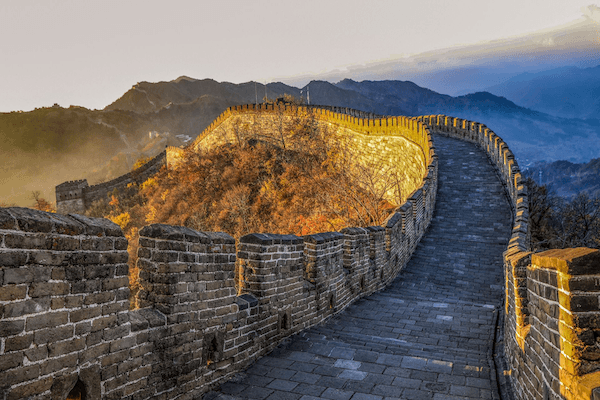
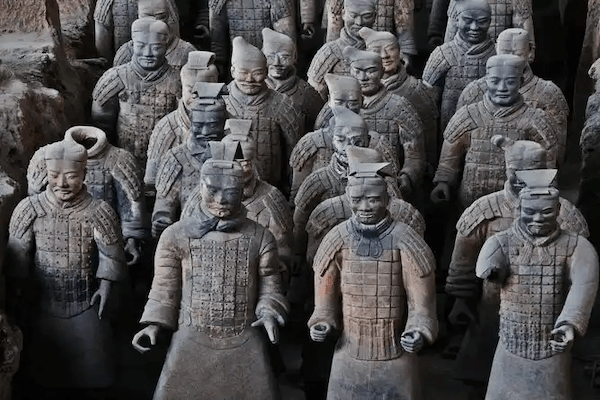
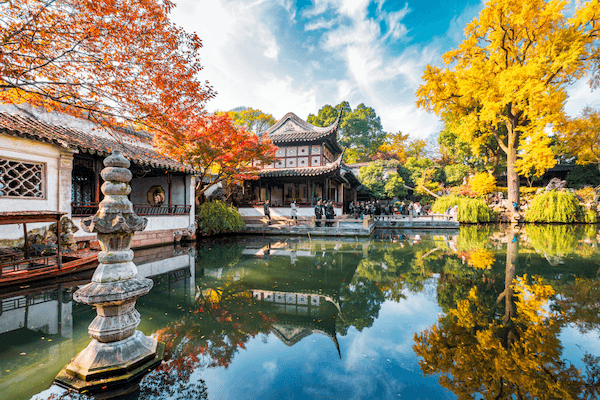
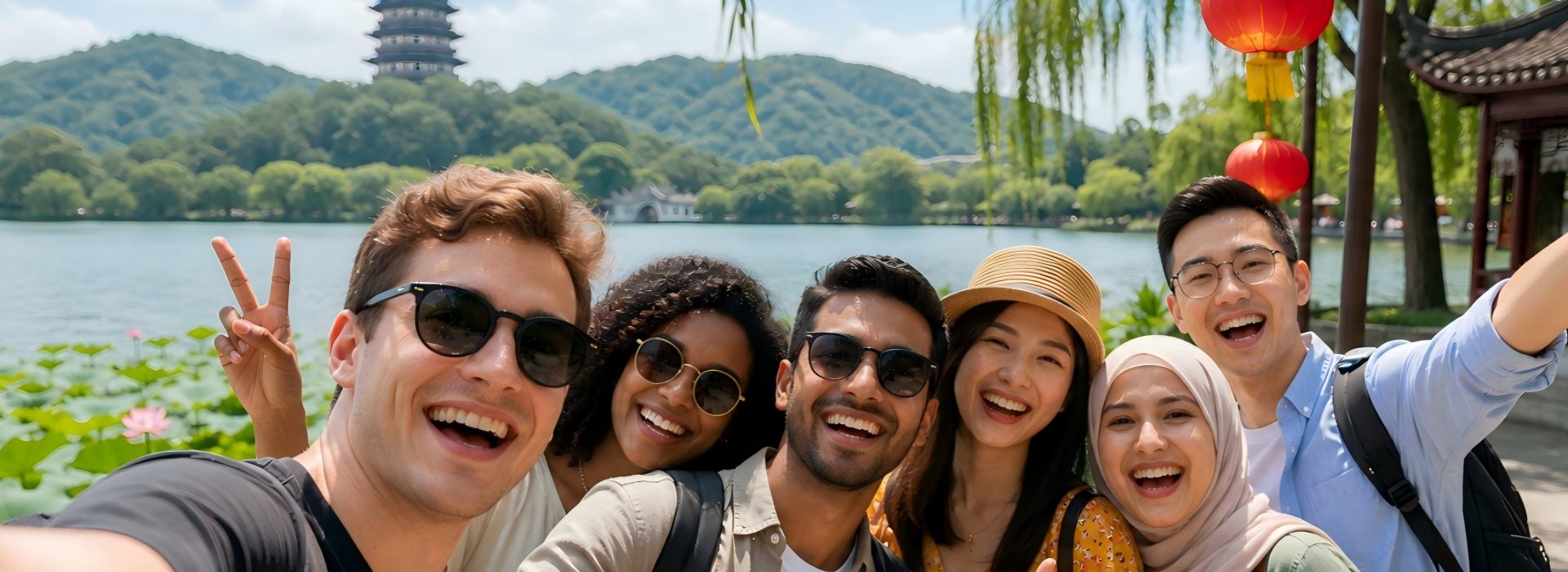
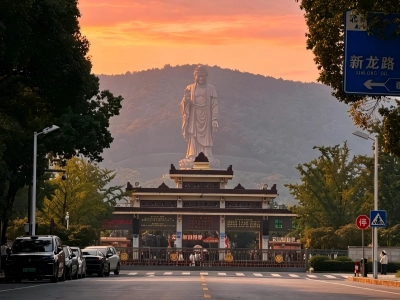
Shanghai, Hangzhou, Suzhou, Huangshan, Nanjing – East China boasts iconic skyline views, poetic West Lake, classical Suzhou gardens and profound ancient history, ranking among the world's top travel destinations. This region is extremely safe extremely safe for overseas visitors, yet a handful of targeted tourist scams targeted tourist scams often spoil vacation experiences, costing travelers extra money and causing unnecessary stress.
This guide sorts out the most frequent scamsmost frequent scams you will likely encounter across East China's core tourist cities, breaks down their routines, and shares a reliable, low-effort solution reliable, low-effort solution to avoid all traps – no endless vigilance or complicated pre-trip research required.
Common Tourist Scams and Travel Traps in East China
All local tourist traps fall into three core types, easy to identify before you get caught.
Friendly Stranger Social Engineering Scams
Scammers leverage travelers' politenesspoliteness and language barrierslanguage barriers to strike up casual conversations, then lure you to consumption venues for high-commission saleshigh-commission sales.
Tea House & Tea Ceremony Scam
- Hotspots: Shanghai Bund, Nanjing Road, Hangzhou West Lake, Suzhou Pingjiang Road
- Full Routine: Fluent English speakers (pretending to be local university students) take the initiative to chat with you, claim they want to practice oral English, and invite you to an alleged "authentic local tea house" for free tasting. The venue has no English menus or clear price tags. After drinking tea, you will receive an outrageous bill ranging from 1,400 to 3,800 RMB. Some scammers even pretend to split the bill to gain trust before disappearing.
- Core Truth: They receive high sales commissions from the tea shop.
Fake Art Student & Gallery Scam
- Hotspots: Shanghai Bund, People's Square
- Full Routine: Strangers claim to be art students needing English practice, then invite you to view their personal art exhibition. You will be led to a small storefront disguised as a gallery and pressured to buy mass-produced decorative paintings at 10 times their actual market price.
- Core Truth: No real art student or independent exhibition exists – it is a commissioned sales trick.
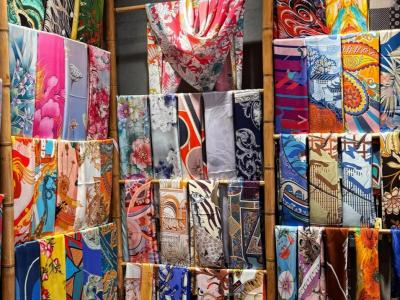
Free Silk Gift Guilt Scam
- Hotspots: Suzhou Pingjiang Road, Hangzhou Hefang Ancient Street
- Full Routine: Elderly vendors hand you silk fans, small ornaments labeled as free gifts. After you accept the item, they share fabricated hardship stories and demand 300 RMB for "handcraft material costs". Surrounding onlookers create psychological pressure, making you feel obligated to pay.
- Core Truth: The handicraft only costs roughly10 RMB; the whole set-up relies on exploiting travelers' sense of guilt.
Quick Identification Red Flags
Any stranger who takes the initiative to approach you, speaks unnaturally fluent English, and proposes taking you to an off-site venue is highly suspicious. Local residents are friendly but will never randomly invite foreign tourists to tea, exhibitions or shopping.
Transportation & Ticket Fraud Traps
Travelers exhausted after flights or high-speed rail are the primary targets for transport scams.
Unlicensed Black Taxi Scam
- Hotspots: Shanghai Pudong/Hongqiao Airports, Hangzhou East Railway Station, all major transport hubs
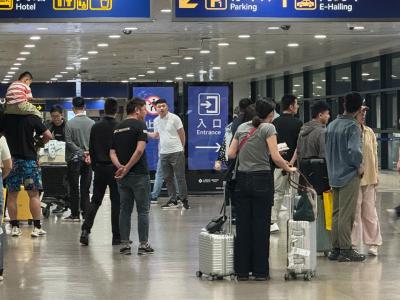
- Full Routine: Men walk into arrival halls to solicit passengers, quoting a flat overpriced fare (e.g., 150 RMB for a 40 RMB metered trip). Common excuses include "broken taximeter","night surcharge", or taking lengthy detours to inflate fees.
- Core Truth: Official taxis wait in designated queuing zones; legitimate drivers never walk inside terminals to hunt for customers.
Fake VIP Private Cruise Upgrade Scam
- Hotspots: Hangzhou West Lake docks
- Full Routine: Street touts sell "exclusive private lake cruise tickets" for 300 RMB. The boat they send you on is the identical public ferry available for just 55 RMB at official ticket windows, with the scammer pocketing the price difference.
- Core Truth: All official sightseeing tickets are only sold at marked counter windows; any off-site "special access" sales are fraudulent.
Fake Airport Exclusive Transfer Service
- Hotspots: Shanghai Pudong International Airport arrival halls
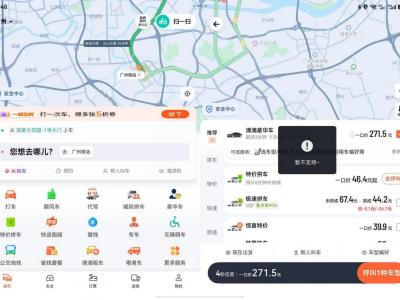
- Full Routine: People wearing vest-style fake uniforms offer airport-to-city transfer services priced at 400 RMB. Official ride-hailing (Didi) trips to downtown only cost 120–180 RMB.
- Prevention Tip: Use the Didi ride-hailing app, or head straight to the official taxi queue; never accept private car offers inside terminal buildings.
Tourist Shopping Traps
Souvenir shopping excitement makes visitors easy targets for overcharging and forced sales.
Foreigner Premium Markup Scam
- Hotspots: All commercial stalls adjacent to major scenic spots
- Full Routine: Vendors quote triple prices to foreign tourists with no clear price tags. The same cloisonné, silk or jade goods will be priced far lower for local Chinese shoppers minutes later.
- Red Flags: No visible price labels, drastically fluctuating prices when you speak English, shops directly next to landmark attractions.
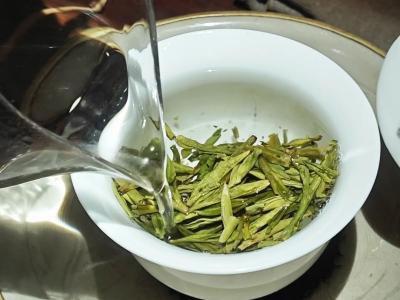
Hangzhou Longjing Tea Free Tasting Trap
- Hotspots: Longjing Village, Meijiawu Tea Plantations in Hangzhou
- Full Routine: Vendors invite you for complimentary tea tastings, sharing elaborate family tea heritage stories, then push overpriced low-grade tea marketed as premium imperial-grade Longjing at up to 4,000 RMB per 500g (actual value only around 200 RMB).
- Identification Tip: Reputable tea shops display fixed public prices; legitimate merchants do not force lengthy tea ceremonies to pressure purchases.
Mall Fake Tax Refund Scam
- Hotspots: Major shopping malls in Shanghai
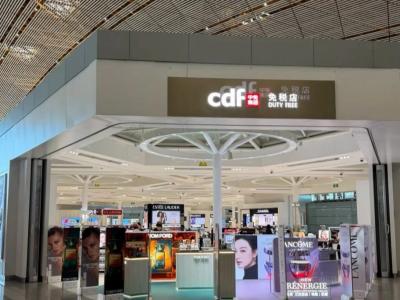
- Full Routine: Fake staff pull tourists aside to claim eligibility for tax refunds, directing you to hidden small counters that charge a15% service fee. Official tax refunds are only processed atairport customs with a standard 3% handling fee.
- Core Fact: No official tax refund service counters operate inside ordinary shopping malls.
Suzhou Silk Factory Forced Shopping Trap
- Hotspots: Areas surrounding Suzhou classical gardens
- Full Routine: Tour guides or street touts lead visitors to a store falsely labeled as a national silk museum outlet advertising massive 70% discounts. Doors are closed behind you, and staff use verbal pressure until you purchase silk products.
- Identification Tip: The official China Silk Museum offers free entry, clearly marked prices, and never restricts visitor exit.
Why Foreign Travelers Often Fall Into China Travel Traps
Generic travel reminders like "watch your surroundings" and "don't trust strangers" work only for experienced Chinese-speaking travelers. For first-time East China visitors, these tips are impractical for three key reasons:
1. You face jet lag, language barriers and unfamiliar street signage while navigating megacities with tens of millions of residents; sustained high alertness is exhausting.
2. Avoiding every scam requires memorizing dozens of fraud routines, verifying taxi routes, haggling for every souvenir and researching every restaurant/tea shop in advance – eating into valuable sightseeing time.
3. Politeness makes most travelers reluctant to reject strangers outright, creating openings for social engineering scams.
One moment of tiredness or courtesy is all scammers need to trick you.
How to Stay Safe and Avoid Scams When Traveling in China
Arranging your itinerary through a qualified, reputable local travel agency eliminates every scam listed above, acting as a comprehensive safety buffer for your trip. The core benefits are as follows:
Choose Pre-Vetted Local Travel Partners
Agencies screen all cooperating drivers, restaurants, tea houses and shopping venues in advance. You will only visit regulated businesses with transparent fixed prices, with zero risk of entering scam storefronts.
Understand Local Prices and Avoid Unfair Charges
Agencies secure long-term discounted rates with vendors, so you pay the same prices local residents enjoy – no foreigner markup, hidden tea pricing tricks or inflated souvenir fees.
Professional Guides Act as a Scam Barrier
Your local English-speaking guide can instantly identify and shut down scammers approaching you, whether fake student tea solicitors or West Lake cruise touts. You do not need to learn fraud tactics yourself.
Enjoy Your Trip with No Forced Shopping Stops
Formal licensed agencies provide written no-shopping tour plans, with unplanned forced stops at jade, silk or tea factories completely excluded. Your schedule prioritizes landmark sightseeing, not sales floors.
On-Site Local Support for Emergencies
In case of lost passports, minor medical incidents, payment disputes or language conflicts, your agency's local team speaks fluent Chinese and can resolve issues rapidly, far more reliably than translation apps alone.
Maximize Your Sightseeing Time
Cut hours of pre-trip scam research, price verification and confusing navigation. Reclaim precious vacation time to appreciate East China's top highlights: Bund sunset views, misty West Lake morning cruises and Suzhou canal water towns.
How to Choose a Reliable Local Travel Agency in East China
Not all travel operators deliver quality service – use this checklist to filter reliable providers:
1. Valid official tourism bureau license: Request their registration number; walk away if they cannot provide legal certification.
2. Written no-shopping & zero hidden fee clauses: Confirm these terms are printed in your formal contract, not just verbal sales promises.
3. Authentic overseas traveler reviews: Check feedback on TripAdvisor, Reddit and Google; agencies with only Chinese-language reviews rarely cater well to foreign visitors.
4. Fully transparent pricing: The itinerary document clearly lists all included and excluded expenses, with no ambiguous "optional stops" that become mandatory shopping detours.
5. Resident English-speaking local guides: Guides who permanently live in the region possess in-depth city knowledge, rather than temporary freelance translators.
Final Travel Takeaway
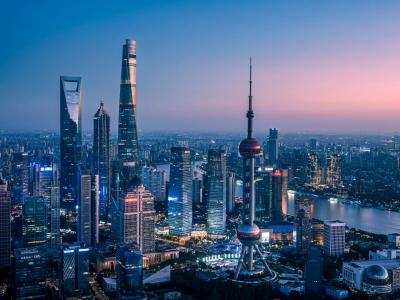
East China delivers unparalleled travel experiences: Shanghai's glittering night skyline, mist-shrouded Hangzhou West Lake, springtime Suzhou classical gardens and ancient Nanjing city walls. The region is extremely safe for international tourists, and all aforementioned scams are fully avoidable with proper planning.
Your trip experience hinges onone key choice: navigate independently with constant full vigilance, or partner with a certified local travel agency for a stress-free, immersive vacation.
Travelers who book reputable agency tours leave eager to revisit East China, while independent visitors who encounter scams often return home with costly, frustrating stories.