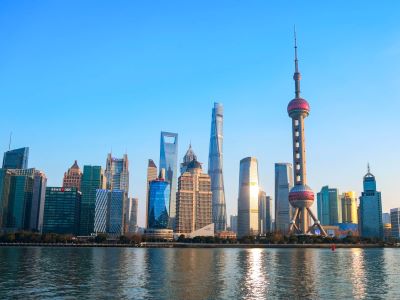
Your day begins with private pickup directly from your hotel. As the city wakes up outside your window, your guide starts introducing how Shanghai unexpectedly became one of the only places in the world that accepted Jewish refugees during World War II without requiring visas. The drive itself already feels like part of the experience. As you move toward Hongkou District, modern skyscrapers slowly give way to older residential blocks, narrow alleyways, hanging laundry, and surviving shikumen architecture. Your guide helps connect these visual details to Shanghai's colonial past, Japanese occupation period, and refugee-era history, so the neighborhoods gradually stop feeling like "old streets" and start feeling like living history.
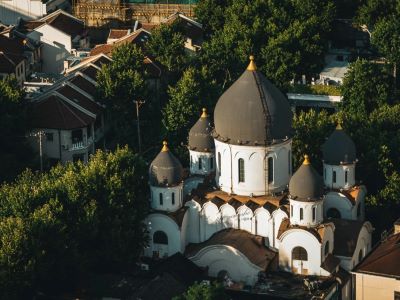
The emotional center of the tour begins at the Shanghai Jewish Refugees Museum, built around the former Ohel Moshe Synagogue. Rather than overwhelming you with endless historical timelines, the museum quietly pulls you into individual human stories through letters, passports, photographs, diaries, and reconstructed refugee living spaces. As you walk through the exhibits, your guide helps transform historical objects into vivid real-life moments. A simple suitcase suddenly becomes the story of a family escaping Europe with almost nothing. A crowded apartment reconstruction helps you imagine how several generations survived Shanghai summers together inside tiny shared spaces. Inside the preserved synagogue hall, your guide explains how refugee communities rebuilt fragments of normal life despite enormous uncertainty — creating schools, orchestras, cafés, newspapers, and social clubs within the overcrowded district. The deeper you explore, the more Shanghai stops feeling like a temporary backdrop and starts feeling like a genuine place of refuge during one of history's darkest chapters.
From the museum, the tour slows into a quieter rhythm as you arrive at HuoShan Park. At first glance, it simply feels like a peaceful local neighborhood park. Elderly residents practice tai chi beneath the trees while children run through the pathways. But this calm atmosphere is exactly what makes the place meaningful. During the refugee years, this park became a small emotional escape from crowded living conditions nearby. Families gathered here to rest, exchange news, play music, and briefly reconnect with everyday life during wartime uncertainty. Your guide helps you notice how history still lingers subtly in the space. Instead of dramatic monuments or oversized memorials, HuoShan Park tells its story quietly — through atmosphere, context, and the contrast between past hardship and present-day normal life. Sometimes these quieter locations become the moments you remember longest because they feel deeply human rather than staged for tourism.
By lunchtime, your guide brings you into the atmosphere inspired by the historic White Horse Café, one of the most fascinating social spaces connected to refugee-era Shanghai. Back in the 1940s, cafés like this were far more than places to drink coffee. They became informal meeting spaces where journalists, musicians, intellectuals, refugees, and travelers exchanged rumors, newspapers, ideas, and moments of hope. Instead of arranging a rushed tourist lunch, the experience here feels intentionally relaxed. While enjoying lunch or coffee in the old Hongkou area, your guide shares lesser-known stories about refugee daily life, the blending of European café culture into Shanghai, and the emotional importance of places where people could briefly feel normal again despite everything happening around them. You're not simply stopping for food. You're stepping into a slower, more atmospheric layer of old Shanghai.
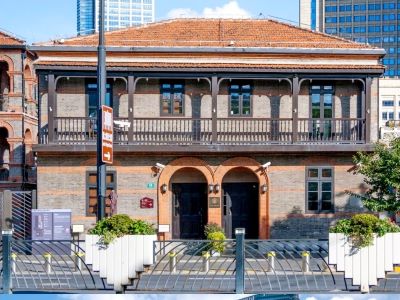
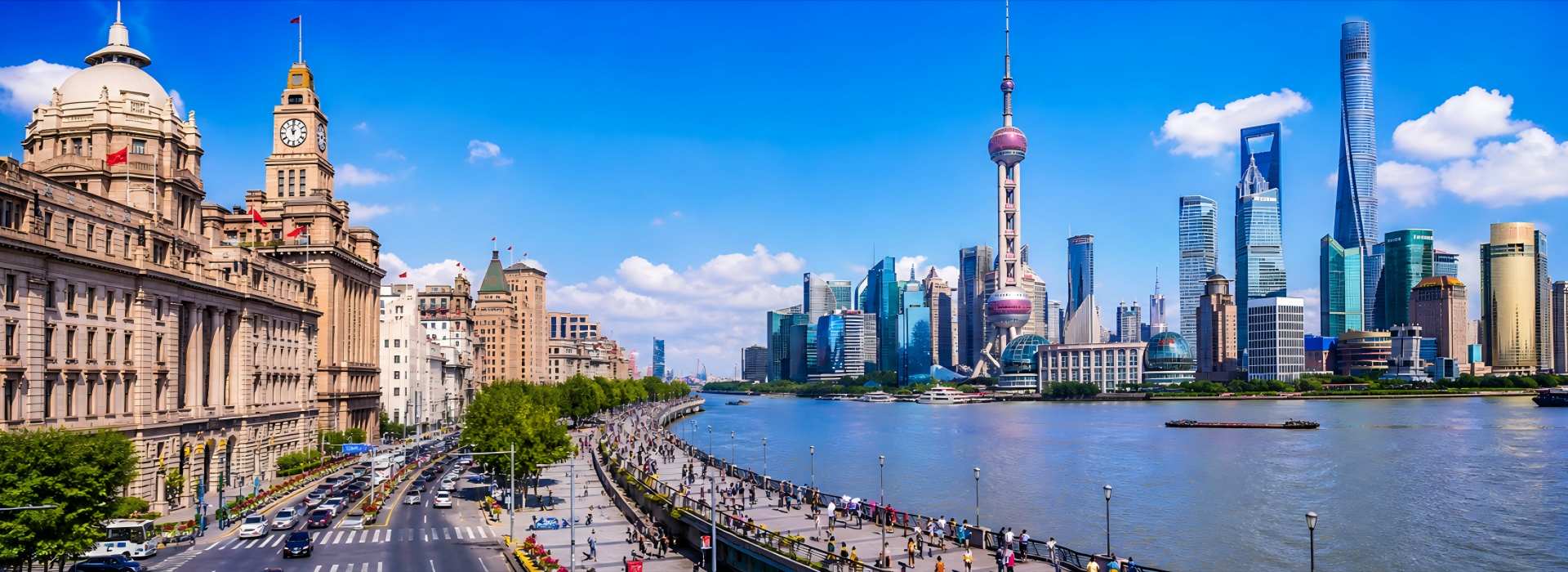
In the afternoon, the atmosphere shifts again as you explore Tilanqiao Prison, one of Shanghai's most historically layered landmarks. The prison's heavy architecture immediately feels different from the rest of the tour, and your guide carefully unpacks why this place mattered far beyond its walls. Built during Shanghai's foreign concession era, the prison witnessed colonial administration, wartime occupation, political transitions, and decades of changing urban history. Rather than treating the site like a dramatic "dark tourism" attraction, your guide helps you understand how Tilanqiao reflected the complicated realities of old Shanghai — a city where international settlements, foreign legal systems, colonial power, and wartime politics constantly overlapped. Walking through the area, you begin to see Shanghai's colonial history as something far more layered than elegant Bund architecture alone. The city suddenly feels more complex, more fragile, and more real.
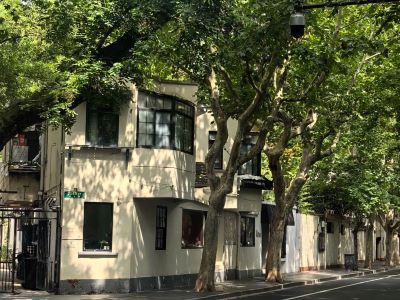
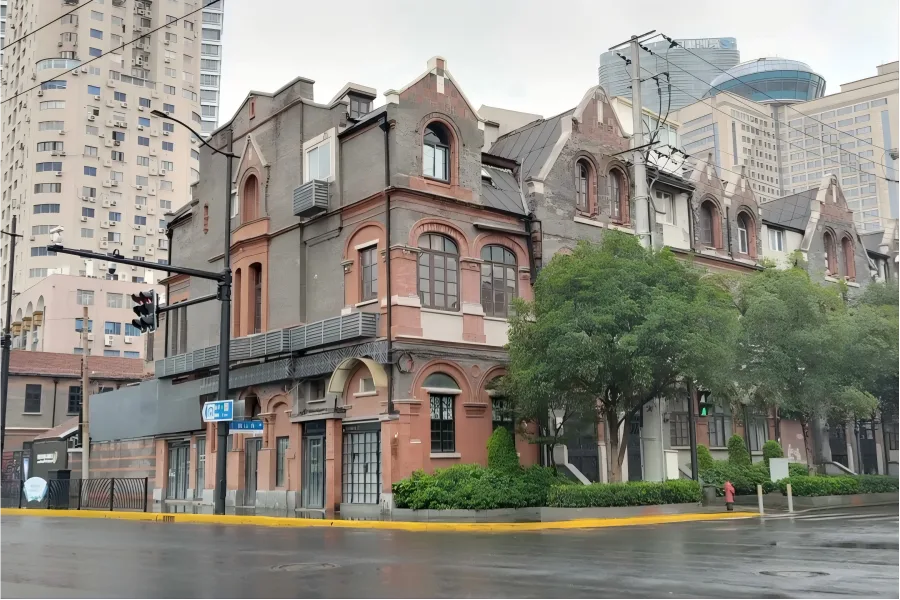
Before leaving Hongkou, your guide takes you deeper into smaller backstreets that many large group tours completely skip. This final walking section often becomes one of the most immersive parts of the entire experience. You may pass original lane houses, old wartime apartment buildings, tiny local noodle shops, hidden courtyards, and residents chatting casually outside their homes. The contrast between ordinary daily life and extraordinary historical memory becomes incredibly vivid here. As you walk, your guide points out architectural details, explains how the district evolved after the war, and shares stories that connect the neighborhood's past to modern Shanghai today. Instead of feeling like history frozen behind museum glass, the former Jewish ghetto feels alive, layered, and surprisingly intimate.
At the end of the tour, your private driver smoothly transfers you back to your hotel, airport, cruise terminal, or railway station according to your schedule. After a full day exploring hidden wartime history and colonial-era Shanghai, you won't need to worry about navigation, taxis, or complicated transportation connections. Everything remains flexible, comfortable, and fully coordinated by your private team throughout the experience.
This tour reveals a side of Shanghai that feels deeply different from the city's modern image. The former Jewish ghetto is not preserved like a perfectly polished outdoor museum. People still live here. Laundry still hangs from the balconies. Neighbors still sit downstairs talking in the afternoon sun. And somehow that everyday normality makes the history even more emotional. As you walk through these streets, the stories stop feeling distant. The city becomes personal. If you enjoy meaningful travel experiences, layered history, atmospheric neighborhoods, and guides who can transform historical facts into vivid storytelling, this private Shanghai Jewish tour offers one of the most unexpected and memorable perspectives of the city.

 Accommodation:
  Meal:
Meal: