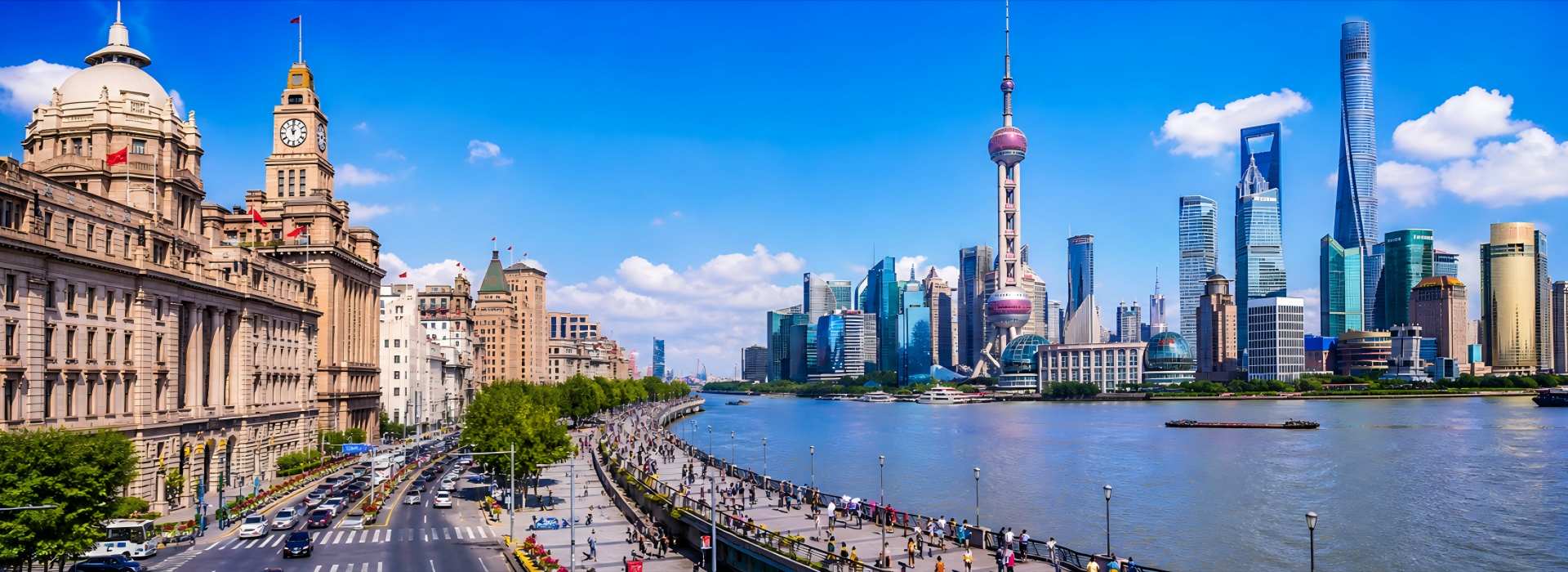
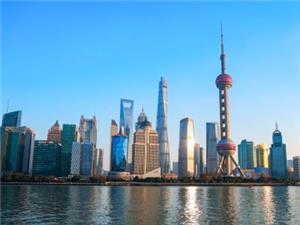
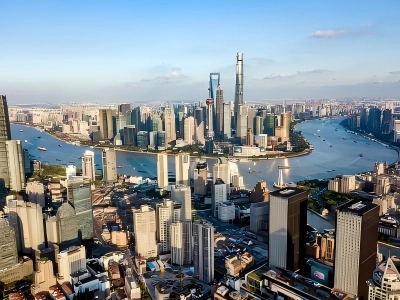
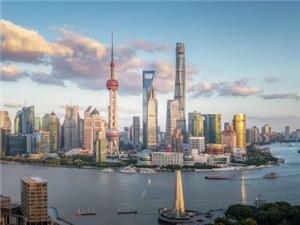
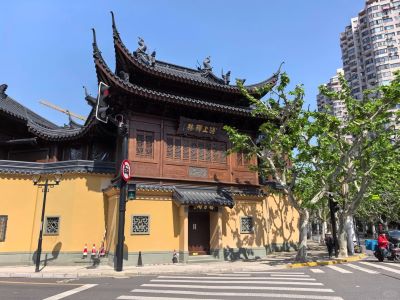
Shanghai is where modern skyscrapers meet historic streets. From the iconic Bund skyline to traditional gardens, local cuisine, and vibrant neighborhoods, the city offers a unique blend of China's past and future. This Shanghai city guide covers everything you need to plan your trip, including top attractions, hotels, transportation, visa requirements, weather, safety tips, and essential travel information.
Discover our handpicked Shanghai tour packages designed to help you experience the best of the city.
Shanghai at a Glance: Basic Facts You Should Know
Shanghai is China's largest city and one of the country's most important economic and cultural centers. Known for its futuristic skyline, historic neighborhoods, and international atmosphere, Shanghai combines traditional Chinese heritage with modern urban life.
Before planning your trip, these essential Shanghai facts will help you better understand the city, including its location, population, language, currency, and unique character.
Where Is Shanghai Located?
Shanghai is located on the east coast of China, at the mouth of the Yangtze River where it meets the East China Sea. Its strategic location has made it one of Asia's most important financial and transportation hubs.
Destination | Distance from Shanghai | Typical Travel Time |
Hangzhou | Around 170 km | About 45 minutes–1.5 hours by high-speed train |
Suzhou | Around 100 km | About 30 minutes by high-speed train |
Beijing | Around 1,200 km | About 4.5–6 hours by high-speed train |
Guangzhou | Around 1,400 km | About 7–8 hours by high-speed train |
Thanks to China's high-speed rail network, nearby cities such as Hangzhou and Suzhou can be reached easily for day trips or multi-city itineraries.
Shanghai Population, Language, and Currency
Shanghai is home to more than 24 million people, making it one of the most populous cities in the world.
Basic information:
· Population: Over 24 million
· Official language: Mandarin Chinese
· Local dialect: Shanghainese, a regional dialect with a unique history and pronunciation
· Currency: Chinese Yuan (RMB/CNY)
Payment methods in Shanghai:
· Alipay
· WeChat Pay
· International credit cards (accepted at many hotels, shopping malls, and major attractions)
Mobile payment is widely used in Shanghai, and setting up a convenient payment method before arrival can make daily purchases easier.
Why Visit Shanghai?
Shanghai is a city of contrasts, offering a mix of modern landmarks, cultural heritage, and unique experiences.
Top reasons to visit Shanghai:
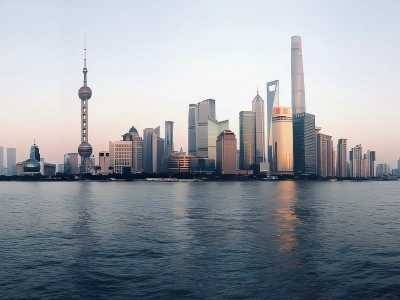
· Iconic skyline: Enjoy views of the Bund, Lujiazui, and Shanghai Tower
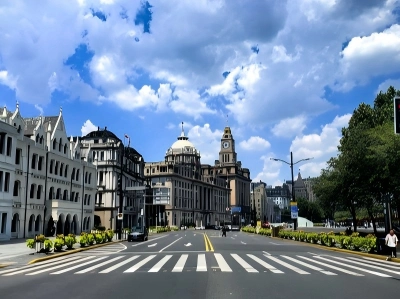
· Historic architecture: Explore the Former French Concession and colonial-era buildings
· Chinese culture: Discover traditional gardens, temples, and local neighborhoods
· Food paradise: Try Shanghai cuisine and regional specialties
· Shopping experiences: From luxury malls to traditional streets
· Family attractions: Enjoy Shanghai Disneyland, museums, and interactive experiences
· Convenient transportation: Explore the city easily by metro, taxi, and high-speed rail
Is Shanghai Safe to Visit?
Shanghai is generally considered a safe destination for international visitors, with a low crime rate, reliable public transportation, and well-developed city infrastructure. For most people, including solo travelers and families, Shanghai is a comfortable city to explore.
If you are wondering "is Shanghai safe", the answer is yes, but it is still important to follow basic safety precautions, especially in crowded tourist areas and when using local services.
Overall Safety in Shanghai
Shanghai is one of the safest major cities in China, offering a secure environment for daily sightseeing and city exploration.
Why Shanghai is considered safe:
· Low levels of violent crime
· Safe and efficient public transportation system
· Well-maintained tourist areas and city facilities
· Suitable for solo trips, couples, and families
Major attractions such as the Bund, Nanjing Road, and popular shopping areas are generally busy and well-managed, including during evening hours.
Safety Tips for Traveling in Shanghai
Although Shanghai is safe overall, being aware of common issues can help avoid unnecessary problems.
Avoid common tourist scams:
· Be cautious of strangers inviting you to unofficial tea ceremonies or special experiences
· Use official taxis or ride-hailing apps to avoid overpriced fares
· Choose licensed tour guides or reputable travel services
Personal safety tips:
· Keep valuables secure in crowded areas
· Pay extra attention to belongings in busy metro stations and shopping streets
· Carry important documents safely and keep digital copies
Transportation safety:
· Use official taxis or trusted ride-hailing apps
· Follow local traffic rules when crossing streets
· Be aware of electric bikes and scooters in busy areas
Do You Need a Visa to Travel to Shanghai?
Before planning your trip, it is important to check the latest Shanghai visa requirements and entry policies. China's visa policies and transit rules can change, and eligibility often depends on your nationality, travel purpose, and length of stay.
Understanding the latest Shanghai travel restrictions and entry requirements will help you prepare the necessary documents before departure.
Visa-Free Travel Policies for Shanghai
China has introduced several visa-free entry policies and transit options for eligible international passengers. Depending on your nationality and travel itinerary, you may be able to visit Shanghai without applying for a traditional tourist visa.
Common visa-free options include:
· Visa-free entry policies for eligible countries
· Visa-free transit programs for qualifying international connections
· Short stays that meet specific duration and itinerary requirements
Important notes:
· Eligibility depends on your passport nationality
· Stay duration and entry conditions vary by policy
· Always check the latest official updates before departure
When Do You Need a Visa for Shanghai?
A visa may be required if your trip does not meet the conditions of visa-free entry.
You may need to apply for a visa if you plan to:
· Stay longer than the allowed visa-free period
· Visit Shanghai for tourism beyond visa-free limits
· Enter China with a nationality that is not eligible for visa-free policies
· Travel for purposes other than permitted visa-free activities
Shanghai Entry Requirements Checklist
Before flying to Shanghai, prepare the following documents:
1)Valid passport with sufficient validity
2) China visa (if required)
3) Flight tickets or travel itinerary
4) Hotel booking information
5)Travel insurance (recommended)
Tip: Entry policies can change, so check the latest requirements from official sources before your departure date.
How to Get to Shanghai: International Flights, Airports & Transfers
Shanghai is one of China's most connected international cities, with direct flights from many major destinations around the world. Whether you are arriving from North America, Europe, Southeast Asia, or other regions, finding flights to Shanghai is usually convenient with a wide range of international and domestic connections.
Shanghai has two main airports: Shanghai Pudong International Airport (PVG) and Shanghai Hongqiao International Airport (SHA). Choosing the right airport depends on your arrival city and travel plans.
Shanghai Airports Overview
Shanghai Pudong International Airport (PVG)
Shanghai Pudong International Airport is the city's main international airport and the primary gateway for overseas flights. Most international routes from North America, Europe, Australia, and Southeast Asia arrive here.
Common international connections include:
· United States and Canada
· European cities
· Australia
· Southeast Asian destinations
Transportation options from Pudong Airport:
· Metro Line 2: Affordable option connecting the airport with central Shanghai
· Airport shuttle buses: Available for different city areas
· Taxi: Convenient for direct hotel transfers
· Private transfer: Recommended for families, groups, or those with heavy luggage
Shanghai Hongqiao International Airport (SHA)
Shanghai Hongqiao International Airport mainly serves domestic flights and some regional routes. It is located next to Shanghai Hongqiao Railway Station, making it especially convenient for connecting to high-speed trains.
Best for:
· Domestic flights within China
· Travelers transferring to high-speed rail
· Trips to cities such as Hangzhou, Suzhou, and Huangshan
Popular International Flights to Shanghai
Shanghai is well connected with major cities around the world, making it easy to find flights to Shanghai from North America, Europe, and Asia. Many international flights arrive at Shanghai Pudong International Airport (PVG), the city's main gateway for overseas connections.
Popular international routes to Shanghai include:
North America
· New York to Shanghai
· Los Angeles to Shanghai
· San Francisco to Shanghai
· Toronto to Shanghai
Europe
· London to Shanghai
· Paris to Shanghai
· Frankfurt to Shanghai
Asia
· Singapore to Shanghai
· Kuala Lumpur to Shanghai
· Tokyo to Shanghai
When booking flights to Shanghai, consider the arrival airport, flight schedule, and transportation options to your hotel. Pudong International Airport (PVG) is the main choice for most international arrivals, while Hongqiao International Airport (SHA) is more convenient for domestic flights and high-speed rail connections.
Shanghai Train Stations & High-Speed Rail Connections
Shanghai is one of China's major transportation hubs, with convenient high-speed rail connections to many popular destinations. Taking a train is often the fastest way to travel between Shanghai and nearby cities such as Hangzhou and Suzhou, as well as long-distance destinations including Beijing, Guangzhou, and Hong Kong.
For most high-speed rail journeys, Shanghai Hongqiao Railway Station is the main departure point, making it an important stop for multi-city China itineraries.
Shanghai Hongqiao Railway Station
Shanghai Hongqiao Railway Station is the city's main high-speed rail station and one of the largest railway hubs in China. It operates most long-distance high-speed trains and provides easy connections to major cities across the country.
Popular high-speed rail routes from Shanghai include:
Shanghai to Beijing Train
· Travel time: About 4.5–6 hours
· Multiple high-speed trains operate daily
· A convenient alternative to domestic flights
Shanghai to Guangzhou Train
· Travel time: About 7–8 hours
· Connects eastern and southern China by high-speed rail
Shanghai to Hangzhou Train
· Travel time: About 45 minutes–1.5 hours
· One of the most popular short trips from Shanghai
Shanghai to Suzhou Train
· Travel time: About 30 minutes
· Ideal for a quick day trip or stopover
Shanghai to Hong Kong Train
· Travel time: About 8–9 hours
· High-speed trains connect Shanghai Hongqiao with Hong Kong West Kowloon Station
How to Buy Train Tickets in Shanghai
High-speed rail tickets in Shanghai can be purchased online or through travel service providers. Booking in advance is recommended, especially during weekends, holidays, and peak travel seasons.
Where to buy train tickets:
· 12306 official website/app — China Railway's official booking platform
· Trip.com — An English-friendly option for international passengers
· Travel agency assistance — A convenient option for those who prefer help with ticket booking, itinerary planning, or multi-city train arrangements
Useful tips:
· A valid passport is required for ticket purchase and boarding
· Tickets usually become available around 15 days before departure
· Allow extra time at Shanghai Hongqiao Railway Station, as it is a large transportation hub
· During busy seasons, booking early is recommended to secure preferred departure times and seats
Best Time to Travel to Shanghai: Weather & Seasons
Understanding Shanghai weather can help you choose the best time to visit and plan your itinerary more comfortably. Shanghai has a humid subtropical climate with four distinct seasons, including warm springs, hot summers, pleasant autumns, and cool winters.
Each season offers a different experience, so the best time to travel to Shanghai depends on your preferred activities, weather expectations, and travel style.
Shanghai Weather Overview
Shanghai experiences four distinct seasons throughout the year:
· Spring (March–May): Mild temperatures and comfortable weather for outdoor sightseeing
· Summer (June–August): Hot, humid, and rainy, especially during the summer monsoon season
· Autumn (September–November): Pleasant temperatures, lower humidity, and the most comfortable season for exploring the city
· Winter (December–February): Cold and relatively dry, with fewer crowds and more indoor activities available
Shanghai's humid subtropical climate means weather conditions can change quickly, so checking the forecast before departure is recommended.
Spring (March–May) — Best for Outdoor Exploration
Spring is one of the most enjoyable seasons in Shanghai, with comfortable temperatures and blooming flowers across parks and gardens.
Why visit in spring:
· Pleasant weather for walking and sightseeing
· Beautiful seasonal scenery
· Ideal for exploring outdoor attractions
Summer (June–August) — Hot, Humid & Rainy
Summer in Shanghai can be hot and humid, with frequent rainfall during the rainy season. July and August are usually the hottest months.
Travel tips:
· Bring sunscreen, sunglasses, and breathable clothing
· Carry an umbrella for sudden rain showers
· Plan museums, shopping, and indoor attractions during the afternoon
Autumn (September–November) — Best Season to Visit Shanghai
Autumn is widely considered the best time to travel to Shanghai. The temperature is comfortable, humidity is lower, and clear skies make it perfect for sightseeing.
Why visit in autumn:
· Comfortable weather for outdoor activities
· Great visibility for skyline views
· Ideal conditions for city walks and photography
Winter (December–February) — Quiet Season with Indoor Experiences
Winter in Shanghai is cold but usually less crowded compared with other seasons. It can be a good choice for those who prefer a quieter trip.
Travel tips:
· Pack warm clothing, especially for evenings
· Consider indoor attractions on colder days
· Enjoy museums, shopping areas, cafes, and cultural experiences
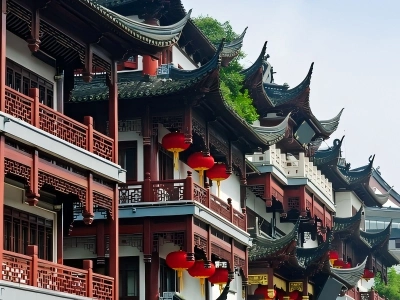
Shanghai Highlights: Top Attractions & Must-See Experiences
Shanghai is a city where traditional Chinese culture meets modern urban life. From iconic skyline views and historic neighborhoods to shopping streets and world-class attractions, there are many unforgettable experiences to enjoy.
If you are wondering what to do in Shanghai, exploring the city's landmarks, cultural areas, and modern districts is the best way to experience its unique character.
Explore Shanghai Skyline
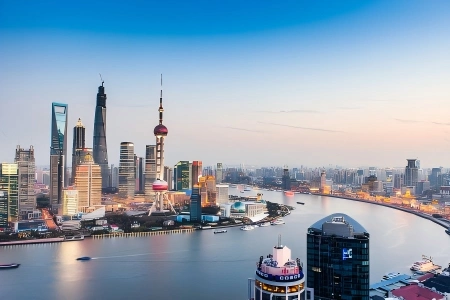
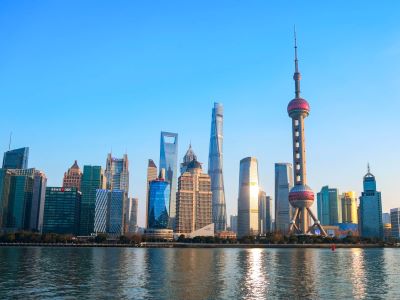
Shanghai's skyline is one of the most impressive in China, combining historic waterfront buildings with futuristic skyscrapers.
The Bund
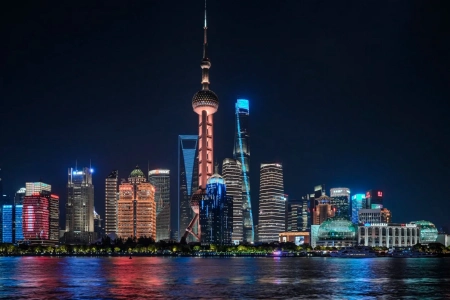
The Bund is the best place to admire Shanghai's classic architecture and enjoy panoramic views of the Pudong skyline across the Huangpu River. It is especially beautiful in the evening when the city lights come on.
Lujiazui
Located in Pudong, Lujiazui is Shanghai's modern financial center, home to some of the city's most famous skyscrapers and observation decks.
Shanghai Tower
As one of the tallest buildings in the world, Shanghai Tower offers breathtaking views of the city from its observation deck and showcases Shanghai's modern development.
Discover Shanghai History & Culture
Beyond its modern appearance, Shanghai has a rich history reflected in its traditional gardens, colonial-era streets, and historic neighborhoods.
Yu Garden
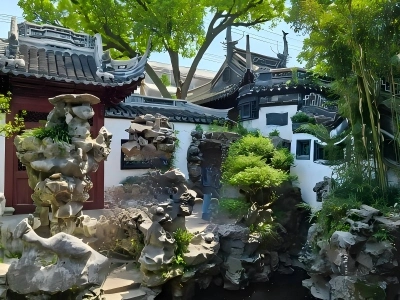
Yu Garden is a classic Chinese garden featuring traditional architecture, peaceful landscapes, and cultural heritage in the heart of the old city.
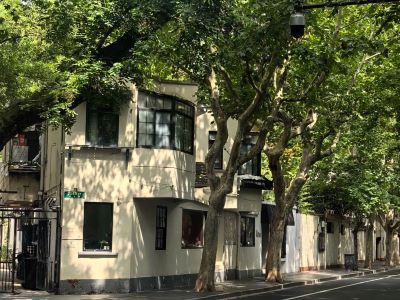
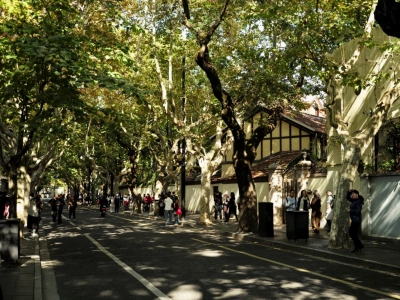
Former French Concession
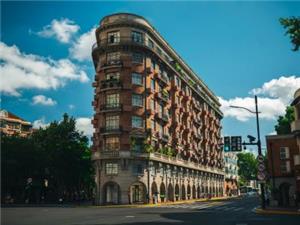
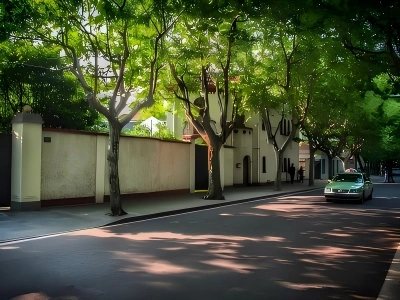
The Former French Concession is known for tree-lined streets, historic buildings, cafes, and a relaxed atmosphere that shows another side of Shanghai.
Tianzifang
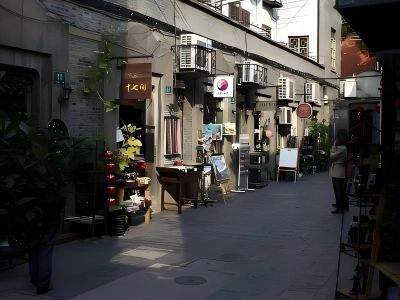
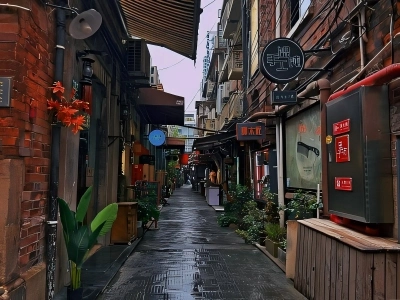
Tianzifang is a lively arts and cultural area with narrow lanes, creative shops, galleries, and local restaurants.
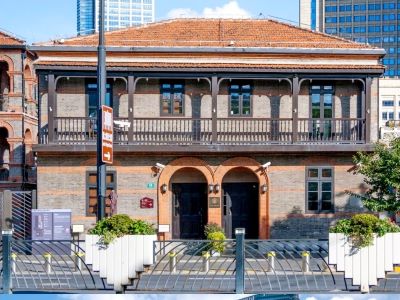
Former Residence Areas
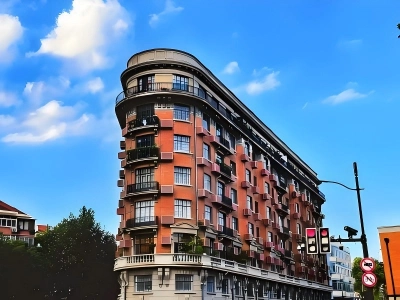
Historic residences around Shanghai offer a glimpse into the city's past, with preserved architecture and stories of important figures from different periods.
Experience Modern Shanghai
Shanghai continues to evolve as a global city, offering modern shopping, entertainment, and family-friendly attractions.
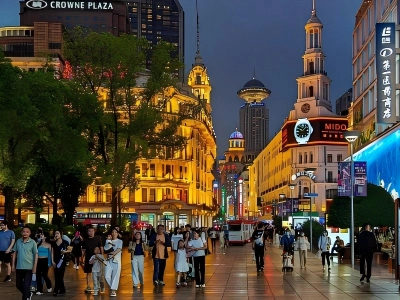
Nanjing Road
Nanjing Road is Shanghai's most famous shopping street, featuring department stores, restaurants, and vibrant city life.
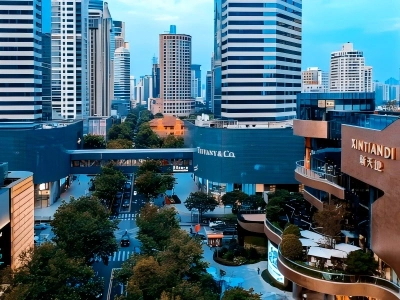
Xintiandi
Xintiandi combines historic Shikumen architecture with modern dining, cafes, and lifestyle experiences, making it a popular area for both daytime visits and evening walks.
Shanghai Disneyland
Shanghai Disneyland is a top family attraction, offering themed areas, entertainment shows, and rides suitable for children and adults.
Best Things to Do in Shanghai with Kids
Shanghai is a family-friendly destination with plenty of attractions and activities for children of different ages. From world-class theme parks and interactive museums to exciting transportation experiences, there are many Shanghai things to do for kids that combine entertainment, education, and cultural discovery.
Shanghai Disneyland
Shanghai Disneyland is one of the best family attractions in Shanghai, offering themed lands, exciting rides, live shows, and character experiences for children and adults.
Age suitability:
· Best for children aged 3–12
· Younger children can enjoy parades, character experiences, and gentle rides
· Older children can enjoy more adventurous attractions
Best visiting tips:
· Arrive early to enjoy popular attractions with shorter waiting times
· Avoid weekends and public holidays if possible
· Use the official app to check waiting times and show schedules
· Plan indoor shows and attractions during hot summer afternoons
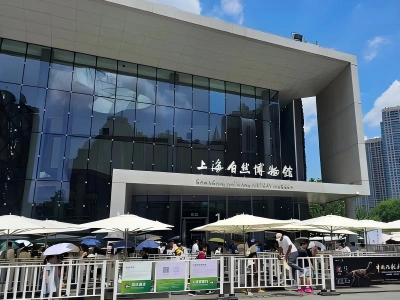
Shanghai Natural History Museum
Shanghai Natural History Museum is an excellent place for children to learn about nature, animals, and science through interactive exhibitions.
Highlights:
· Dinosaur fossils and prehistoric creatures
· Animal exhibitions from around the world
· Interactive displays suitable for children
Best for: Kids who enjoy science, nature, and educational experiences.
Shanghai Ocean Aquarium
Located near the Oriental Pearl Tower, Shanghai Ocean Aquarium offers an exciting underwater experience with thousands of marine animals.
Highlights:
· One of the world's longest underwater tunnels
· Colorful fish and jellyfish exhibitions
· Penguin and marine life areas
Best for: Families with younger children and kids who love animals.
Shanghai Science & Technology Museum
Shanghai Science & Technology Museum combines learning and fun through interactive exhibitions about science, technology, nature, and robotics.
Highlights:
· Hands-on science experiments
· Space and technology displays
· Robot exhibitions
Best for: School-age children interested in science and innovation.
Kid-Friendly Experiences in Shanghai
Beyond major attractions, Shanghai offers fun experiences that children can enjoy while exploring the city.
Maglev Train Ride
Experience one of the world's fastest commercial trains and enjoy a unique transportation adventure that kids will love.
Huangpu River Cruise
Enjoy Shanghai's famous skyline from the river, with views of the historic Bund and modern Pudong skyscrapers.
Interactive Museums & Hands-on Activities
Interactive museums allow children to learn through activities, making sightseeing more engaging and educational.

Where to Stay in Shanghai: Best Areas & Hotels
Choosing the right area to stay in Shanghai can make your trip more convenient and enjoyable. As one of China's largest cities, Shanghai has many different neighborhoods, each offering a unique experience, from historic streets and riverside views to modern skyscrapers and shopping districts.
Whether you prefer a luxury hotel with a skyline view, a comfortable mid-range hotel near metro stations, or an affordable stay with easy transportation, you can find plenty of options among the many hotels in Shanghai. This guide introduces the best areas to stay in Shanghai and recommended hotels for different budgets and travel styles.
Best Areas to Stay in Shanghai
The Bund & Huangpu District — Best for First-Time Trips
The Bund is the most iconic area in Shanghai, offering easy access to major attractions, historic buildings, and stunning Huangpu River views. It is a great choice for those who want to stay close to landmarks such as the Bund, Nanjing Road, and People's Square.
Best for: First-time trips, sightseeing, short stays
Jing'an District — Best for Convenience & Dining
Jing'an is a central and convenient area with excellent metro connections, shopping malls, restaurants, and cultural attractions. It offers a good balance between sightseeing convenience and local atmosphere.
Best for: Families, longer stays, business trips
Former French Concession — Best for Local Atmosphere
Known for tree-lined streets, historic buildings, cafes, and boutique shops, the Former French Concession is ideal for experiencing a more relaxed side of Shanghai.
Best for: Couples, culture lovers, photography enthusiasts
Pudong — Best for Luxury Hotels & Disneyland
Pudong is home to Shanghai's famous skyline, high-end hotels, and Shanghai Disneyland. It is a good option for those who prefer modern facilities and convenient access to attractions in eastern Shanghai.
Best for: Luxury stays, families, Disneyland trips
Shanghai Hotel Recommendations by Budget
Luxury Hotels
· The Peninsula Shanghai — Luxury stay with Bund views
· Waldorf Astoria Shanghai on the Bund — Historic design and premium service
· Mandarin Oriental Pudong, Shanghai — Modern hotel with skyline views
Mid-range Hotels
· Campanile Shanghai Bund Hotel — Convenient location near attractions
· Holiday Inn Shanghai Nanjing Road — Good for shopping and sightseeing
· Novotel Shanghai Clover — Suitable for families visiting Disneyland
Budget Hotels
· Hanting Hotel Shanghai — Affordable and practical
· JI Hotel Shanghai — Comfortable option with convenient locations
· Home Inn Shanghai — Budget-friendly choice
Hotel Tip: Staying near a metro station is highly recommended. For first-time trips, Huangpu and Jing'an are usually the most convenient areas, while Pudong and Hongqiao are better for specific itineraries such as Disneyland or high-speed train connections.
Shanghai Travel Restrictions & Latest Travel Updates
Before traveling to Shanghai, it is important to check the latest entry requirements and local travel information. Policies related to visas, transportation, payments, and health regulations may change over time, so confirming the latest updates before departure can help ensure a smoother journey.
Entry Requirements and Visa Policies
Entry requirements for Shanghai depend on your nationality, travel purpose, and length of stay. Before departure, check whether you need a visa or qualify for any visa-free transit policies.
Make sure you have:
· A valid passport
· Required visa or travel documents (if applicable)
· Confirmed flight and accommodation details when required
Transportation Rules and Travel Guidelines
Shanghai has a well-developed transportation system, including the metro, taxis, buses, and high-speed trains. When using public transportation:
· Follow local transportation rules and station guidelines
· Keep important travel documents with you
· Allow extra time during peak hours and major holidays
· Check train and flight schedules in advance
Mobile Apps and Digital Services
Many daily services in Shanghai rely on digital platforms. Before your trip, it is recommended to prepare essential apps for:
· Mobile payments (Alipay and WeChat Pay)
· Ride-hailing services
· Translation
· Maps and navigation
· Train ticket booking
Setting up these apps before arrival can make transportation, shopping, and dining much more convenient.
Payment Requirements and Cashless Travel
Shanghai is a highly cashless city, and mobile payment is widely used for everyday expenses. International visitors can usually use overseas bank cards through supported payment platforms.
Recommended preparations:
· Set up mobile payment apps before arrival
· Link your international bank card
· Carry some Chinese RMB for small purchases or backup use
Health Regulations and Travel Advisories
Health and safety requirements may change depending on current conditions. Before traveling, check the latest official information regarding:
· Health requirements
· Travel advisories
· Airline policies
· Entry procedures
Special Note: Travel policies and entry requirements may change. Always check the latest official information before departure to ensure you have the most up-to-date travel details.
Practical Shanghai Travel Guide: Essential Tips Before Your Trip
A little preparation before your Shanghai trip can make your experience much smoother. From setting up mobile payments and transportation apps to understanding local customs and packing essentials, these practical tips will help you navigate the city with confidence.
Stay Connected in Shanghai: Internet, SIM Cards, and eSIM Options
Staying connected is an important part of traveling in Shanghai. Most hotels, airports, shopping malls, and cafes offer Wi-Fi, but having your own mobile data makes it much easier to use maps, translation apps, transportation services, and payment platforms.
Before arriving in Shanghai, consider preparing:
· An international roaming plan from your home country
· A local SIM card or eSIM with mobile data
· Offline maps and translation tools
It is also recommended to download important apps before departure, especially if you need them immediately after landing.
Mobile Payments in Shanghai: How to Pay
Shanghai is a highly digital city, and mobile payments are used for almost everything, including restaurants, shopping, transportation, and small local stores.
Foreign visitors can use international cards with major payment platforms such as Alipay and WeChat Pay. Credit cards are also accepted at many hotels, shopping malls, and larger restaurants, but mobile payment is still the most convenient option for daily expenses.
Before your trip, it is recommended to:
· Set up Alipay or WeChat Pay in advance
· Link your international bank card
· Carry a small amount of Chinese RMB as a backup
Getting Around Shanghai: Metro, Taxi, and Private Transfers
Shanghai has one of the most convenient transportation systems in China, making it easy to explore the city independently.
Shanghai Metro
The metro is usually the fastest and most affordable way to reach major attractions, including:
· The Bund
· People's Square
· Yu Garden
· Shanghai Tower
· Nanjing Road
Taxi and Ride-Hailing Apps
Official taxis and ride-hailing services such as DiDi are widely available. For airport transfers or families with luggage, a private transfer can be a more comfortable option.
Walking Around Shanghai
Some of Shanghai's best experiences are found on foot. Walking through areas like the Bund, French Concession, and historic neighborhoods allows you to discover the city's architecture, cafes, and local atmosphere at a slower pace.
Language Tips for Traveling Around Shanghai
You can travel around Shanghai without speaking Chinese, especially in major tourist areas, airports, hotels, and transportation hubs. However, English may not be widely spoken in smaller local restaurants, markets, or neighborhoods.
A few simple preparations can make communication easier:
· Save hotel addresses in Chinese
· Keep attraction names in Chinese characters
· Use translation apps when needed
· Learn a few basic phrases such as greetings and thank you
What to Pack for Your Shanghai Trip
Packing for Shanghai mainly depends on the season and your travel plans. Comfortable shoes are essential, as many of the city's best experiences involve walking.
· Spring & Autumn: Light jackets, comfortable walking shoes, and a small umbrella
· Summer: Lightweight clothing, sunscreen, sunglasses, and a reusable water bottle
· Winter: Warm layers, a coat or down jacket, and comfortable shoes
For any season, it is recommended to bring:
· Power adapter
· Portable charger
· Passport copies
· Comfortable shoes for sightseeing
Local Tips for a Smoother Shanghai Experience
A few simple tips can help you enjoy Shanghai more comfortably:
· Carry your passport, as it may be required for certain services and ticket purchases
· Avoid visiting major attractions during national holidays if possible
· Reserve popular restaurants and shows in advance
· Keep some flexibility in your schedule, as Shanghai offers many unexpected discoveries beyond the famous landmarks
Frequently Asked Questions About Traveling to Shanghai
Planning a trip to Shanghai? Here are answers to some of the most common questions about visiting this dynamic city, including the best time to go, how long to stay, travel costs, safety, and practical tips.
Is Shanghai Worth Visiting for the First Time in China?
Yes, Shanghai is one of the best places to start your first trip to China. The city combines modern skyscrapers, historic neighborhoods, traditional culture, world-class dining, and convenient transportation. Its location also makes it easy to extend your journey to nearby destinations such as Hangzhou, Suzhou, and Huangshan.
How Many Days Do You Need for a Shanghai Trip?
A 3–4 day trip is usually enough to experience Shanghai's main highlights, including the Bund, Yu Garden, Nanjing Road, French Concession, and Shanghai Tower. If you prefer a more relaxed pace or want to explore museums, local neighborhoods, and nearby water towns, staying 5 days or longer would be ideal.
What Is the Best Time to Visit Shanghai?
The best time to visit Shanghai is during spring (March to May) and autumn (September to November) when the weather is comfortable for sightseeing. Summer can be hot and humid, while winter is colder but offers fewer crowds. Avoiding major public holidays can also help you enjoy a smoother travel experience.
Is Shanghai Safe for International Visitors?
Yes, Shanghai is generally considered a safe city with a low crime rate and reliable public transportation. Common precautions, such as keeping personal belongings secure in crowded areas and using official transportation services, are usually enough for a comfortable trip.
Is Shanghai Expensive to Travel?
Shanghai is one of China's more developed cities, but travel costs can be flexible depending on your travel style. Accommodation and dining options range from budget-friendly choices to luxury experiences. Compared with many major international cities, Shanghai can still offer good value for transportation, food, and sightseeing.
Can I Travel Around Shanghai Without Speaking Chinese?
Yes, it is possible to explore Shanghai without speaking Chinese. Major attractions, airports, hotels, and transportation systems provide English information, and translation apps, digital maps, and mobile payment tools make daily travel much easier. Learning a few basic Chinese phrases can also make local interactions more enjoyable.
Conclusion: Start Planning Your Shanghai Trip
Shanghai is a city that brings together the best of both worlds — a futuristic skyline, rich cultural heritage, diverse cuisine, and a convenient transportation network that makes exploring the city simple and enjoyable.
Before your trip, a little preparation on entry requirements, transportation, weather, and accommodation can help you make the most of your time in Shanghai. Whether you are visiting iconic landmarks, exploring hidden local neighborhoods, or using Shanghai as the gateway to nearby destinations such as Hangzhou and Suzhou, this dynamic city offers experiences for every type of trip.
With its unique blend of tradition and modernity, Shanghai is more than just a stop on your China journey — it is a place where every street, view, and local experience tells a story.
Ready to experience Shanghai beyond the guidebooks? Check out our Shanghai tours and let us help you create a memorable journey with local insights and flexible itineraries.