Yu Garden is one of Shanghai's most iconic classical gardens, offering a closer look at traditional Chinese garden design, architecture, and the character of old Shanghai. Located in the heart of the historic city, it makes an easy stop for anyone exploring Shanghai's traditional side and remains a worthwhile contrast to the city's modern skyline.
Yu Garden at a Glance
Information | Details |
Chinese Name | 豫园 |
Also Known As | Yuyuan / Yuyuan Garden |
Location | Shanghai Old Town |
Type | Classical Chinese Garden |
History | Built during the Ming Dynasty |
Recommended Time | Around 1–2 hours |
Best For | History, architecture, photography, culture |
Nearby | Yuyuan Bazaar, City God Temple, Old Town |
What Is Yu Garden in Shanghai
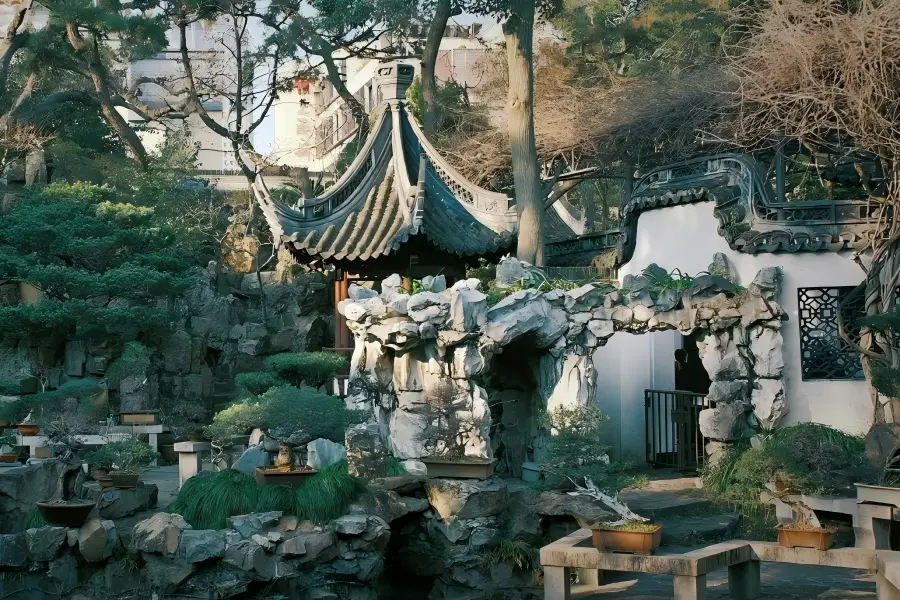
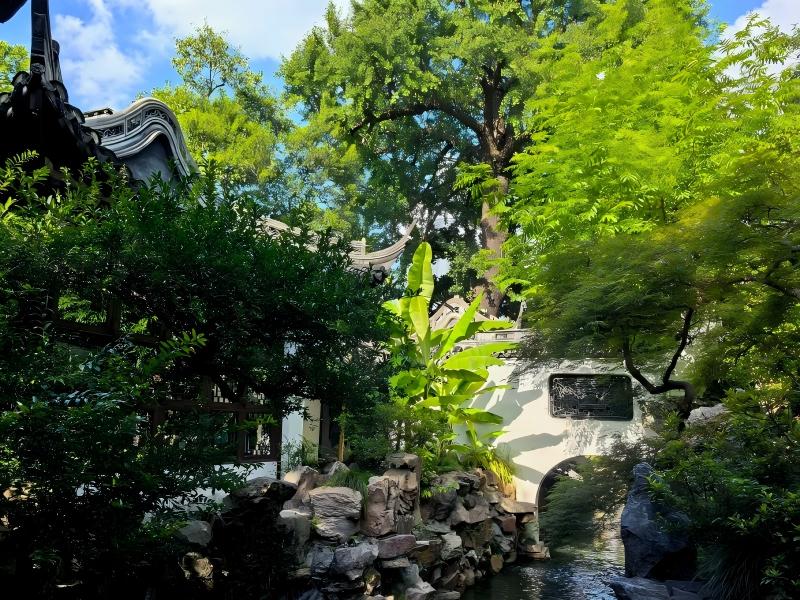
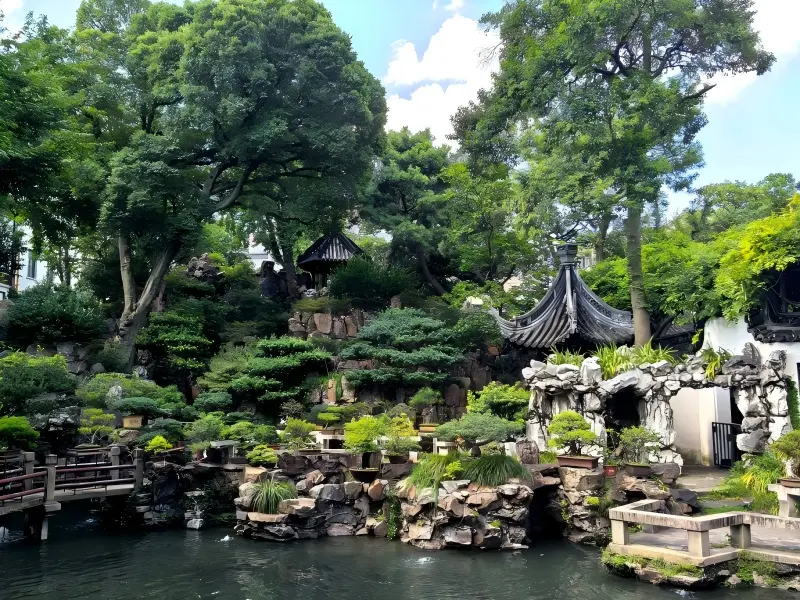
Yu Garden, also known as Yuyuan Garden, is a classical Chinese garden in the heart of Shanghai's Old City. Built during the Ming Dynasty, it combines pavilions, ponds, rockeries, corridors, and traditional buildings in a relatively compact space. Unlike Shanghai's modern landmarks, Yu Garden offers a glimpse of the city's older architectural and cultural character.
The garden is not particularly large, but its design is full of changes. Narrow passages open onto courtyards, windows frame different views, and rockeries and water features are carefully arranged around the buildings. For a first visit to Shanghai, it is one of the easiest places to see traditional Chinese garden design without leaving the city center.
A Brief History of Yu Garden
Yu Garden was originally built in the Ming Dynasty by Pan Yunduan, a government official who created the garden for his parents as a place to relax in their later years. Construction began in the 1550s and continued for many years.
Over the centuries, the garden went through periods of decline and damage, particularly during times of conflict. It was restored several times before becoming the historic attraction seen today. Its layout still reflects the principles of traditional Chinese private gardens, where architecture, water, rocks, plants, and changing views are brought together rather than separated into formal sections.Today, Yu Garden stands beside the busy Yuyuan Bazaar and the City God Temple area, making it an easy place to combine traditional gardens with a walk through one of Shanghai's oldest neighborhoods.
What to See Inside Yu Garden
Yu Garden is best explored at a relaxed pace. Instead of simply moving from one named attraction to another, take time to notice how the garden uses buildings, water, rocks, and walls to create different views along the way.
Sansui Hall
Sansui Hall is one of the important halls in Yu Garden and was traditionally used for gatherings and formal occasions. Its traditional architectural details and spacious courtyard make it a good introduction to the garden's overall style.
Look beyond the building itself at the surrounding stonework, roof details, and open spaces. The relationship between the hall and the garden around it is part of what makes classical Chinese gardens different from standalone historic buildings.
Grand Rockery
The Grand Rockery is one of Yu Garden's most recognizable features. Made from Huangshi stone, it rises prominently within the garden and creates a strong contrast with the surrounding ponds, trees, and buildings.
Its size is particularly striking considering the compact scale of Yu Garden. The rockery also reflects the traditional Chinese appreciation of mountains in garden design, bringing the feeling of a natural landscape into an urban setting.
Exquisite Jade Rock
The Exquisite Jade Rock is a famous Taihu stone displayed in Yu Garden. Its unusual shape, numerous holes, and delicate appearance make it one of the garden's most distinctive individual features.
The stone is admired not simply for its appearance but also for its place in traditional Chinese garden aesthetics, where naturally formed rocks were valued as miniature representations of mountains and landscapes.
Nine-Zigzag Bridge
The Nine-Zigzag Bridge leads across the pond near the entrance to the garden. Its unusual shape is not just decorative; the winding design creates changing views as you walk across it.
From different points along the bridge, you can see the water, pavilions, surrounding buildings, and traditional architecture from slightly different angles. It is also closely associated with the nearby Huxinting Teahouse.
Huxinting Teahouse
Huxinting Teahouse, or Mid-Lake Pavilion Teahouse, sits beside the pond near Yu Garden and is one of the best-known traditional teahouses in Shanghai.
Its location on the water, connected by the Nine-Zigzag Bridge, gives it a distinctive appearance. The teahouse is technically outside the garden itself, but it is so closely connected with the Yu Garden area that most visits naturally take in both.
Dragon Walls and Traditional Architecture
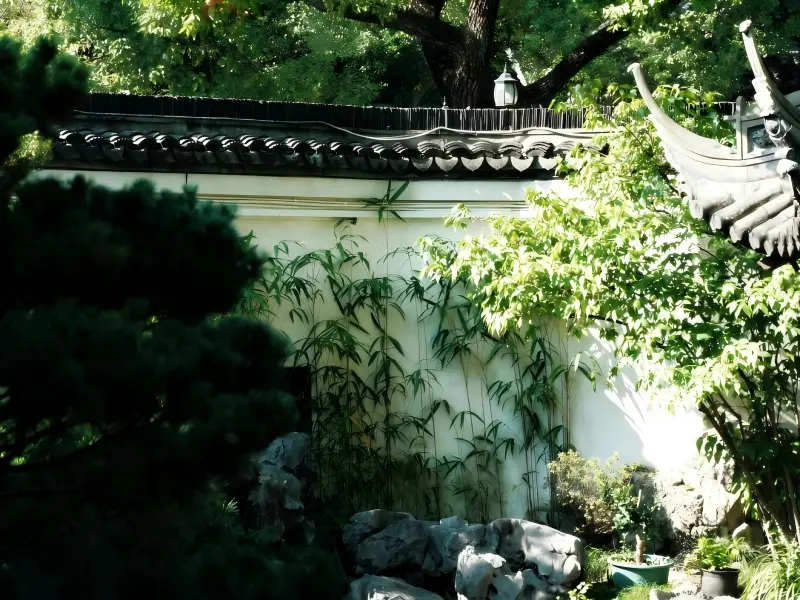
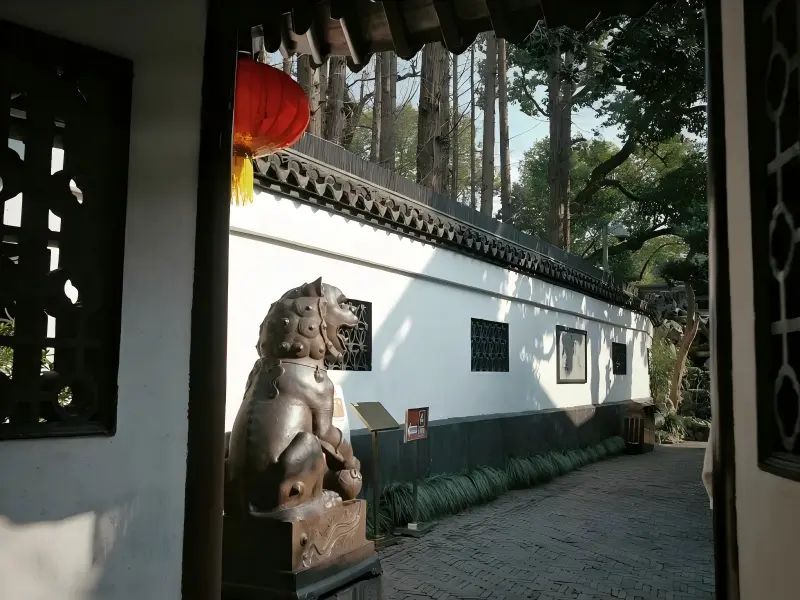
The dragon walls are among the details that give Yu Garden its distinctive character. Decorative walls topped with dragon-shaped ridges wind through different parts of the garden, separating spaces while adding visual interest.
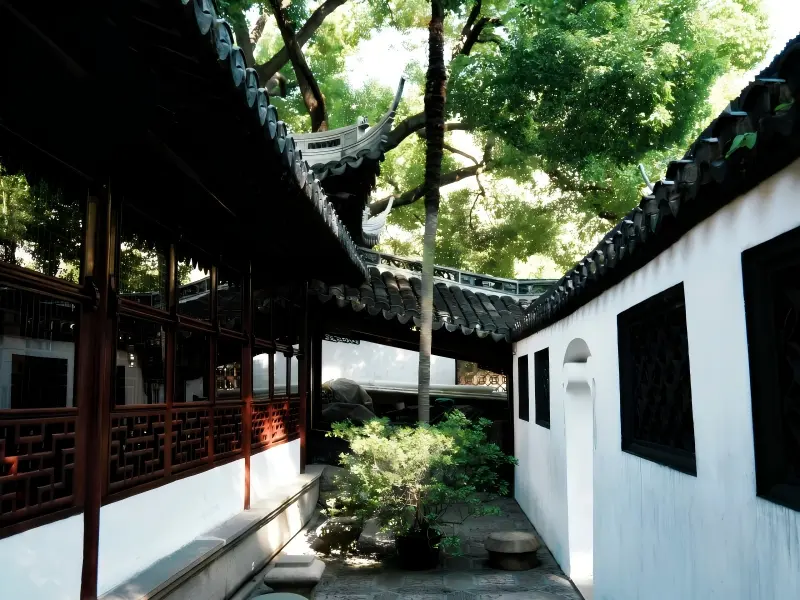
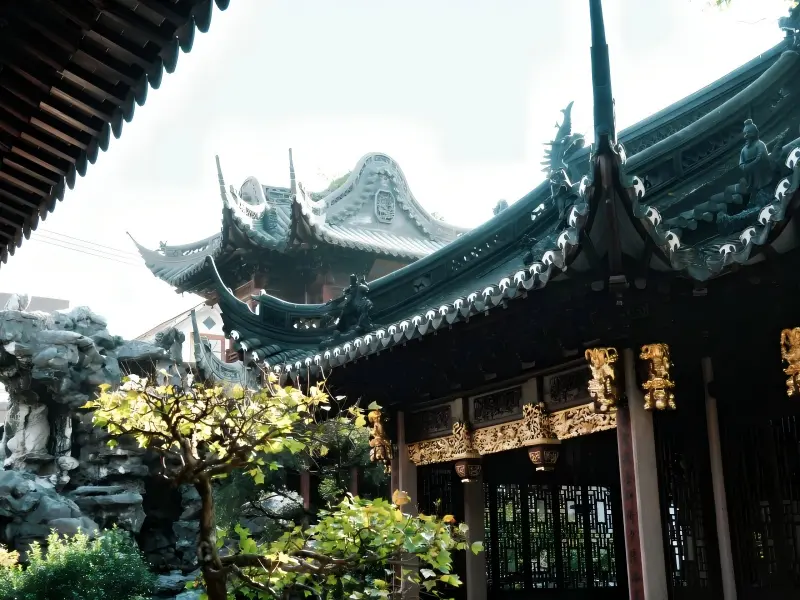
Beyond the dragon walls, pay attention to the garden's traditional roofs, carved windows, decorative doorways, corridors, and stonework. These details are easy to miss if you rush through, but they help explain why Yu Garden is valued as much for its architectural details and layout as for its individual attractions.
Things to Do in Yu Garden
A visit to Yu Garden is not just about checking off a few landmarks. The best way to experience it is to slow down and pay attention to how the garden's buildings, water, rocks, and pathways work together. You can explore the garden itself and then continue into the lively streets around it.
Explore the Classical Chinese Garden
Take your time walking through the garden's halls, courtyards, ponds, rockeries, and winding passages. The layout changes as you move from one section to another, with new views appearing around corners and through doorways.
Rather than following a fixed route, it is worth slowing down in the quieter corners and noticing how the different elements are arranged together.
Admire Traditional Chinese Architecture
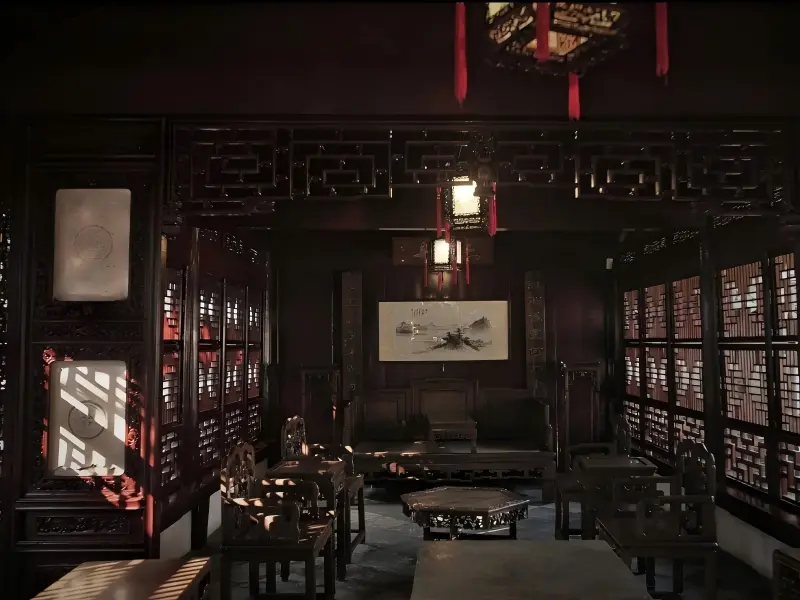
Yu Garden is a good place to see traditional Chinese architecture on a manageable scale. Look for upturned rooflines, carved windows, decorative doorways, wooden details, and covered corridors as you move between different parts of the garden.
The buildings are designed as part of the garden rather than standing separately, creating a close relationship between architecture and landscape.
Walk Across the Nine-Zigzag Bridge
The Nine-Zigzag Bridge is one of the easiest features to experience as you explore Yu Garden. Its winding path crosses the pond and gives you changing views of the surrounding pavilions, water, and traditional buildings.
The short walk also connects naturally with the area around Huxinting Teahouse, making it an easy part of your garden visit.
Discover Rockeries, Ponds and Garden Details
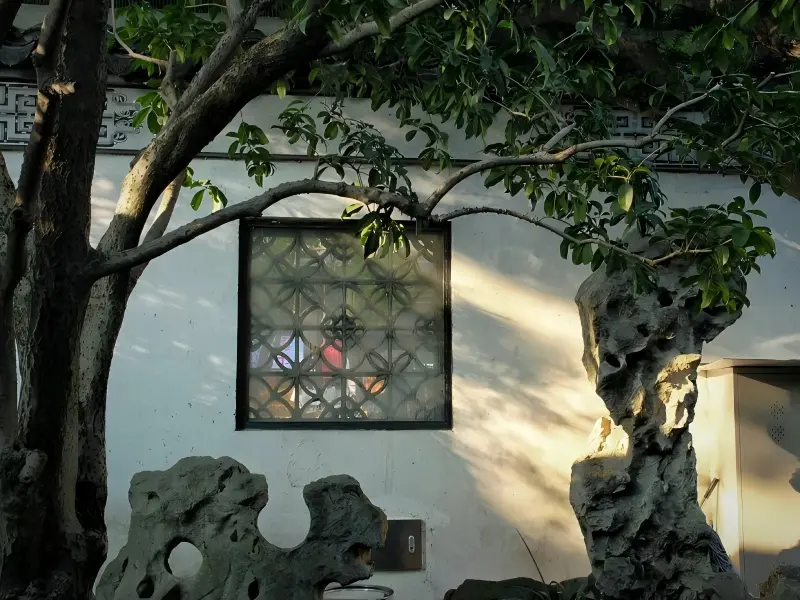
Take a closer look at the smaller details that give Yu Garden its character. Rockeries, Taihu stones, ponds, decorative walls, plants, and framed views are carefully arranged throughout the garden.
These elements are part of the traditional Chinese approach to garden design, where a relatively small space can suggest a much larger natural landscape.
Explore Yuyuan Bazaar and Try Local Snacks
After exploring the garden, continue into Yuyuan Bazaar just outside. The area has traditional-style buildings, shops, restaurants, and stalls selling popular Shanghai snacks.
It is a natural place to take a break after visiting the garden and experience the busier side of Shanghai's Old City.
Experience Shanghai's Old Town Atmosphere
Yu Garden is part of a wider historic neighborhood, so it is worth spending some time exploring beyond the garden walls. Walk through the surrounding streets, look at the older buildings, and see how the traditional parts of Shanghai sit alongside the city's modern urban landscape.
For a first-time visit, this combination of Yu Garden and the surrounding Old City gives you a more complete picture of Shanghai than visiting the garden alone.
Best Time to Visit Yu Garden
Spring (March–May)
Spring is a comfortable time to explore Yu Garden, with mild temperatures and fresh greenery throughout the garden. It is a good season for walking slowly through the courtyards, along the ponds, and around the surrounding Old City.
Summer (June–August)
Summer is hot and humid, and July and August can be particularly warm. If you visit during this period, mornings are generally more comfortable for exploring the garden. Summer also brings fuller greenery, which adds to the garden's traditional landscape.
Autumn (September–November)
Autumn is one of the best seasons to visit Yu Garden. Temperatures are generally more comfortable for walking, while the garden takes on a quieter and more relaxed feel. September and October are especially suitable for combining Yu Garden with a longer walk around Shanghai Old City.
Winter (December–February)
Winter is cooler but can be a good option if you prefer fewer crowds. The garden has a more understated atmosphere during this season, and its architecture, rockeries, ponds, and winding corridors remain the main focus. Dress warmly, especially on cloudy or windy days.
Yu Garden Tickets, Opening Hours & Entrance
A little planning goes a long way when visiting Yu Garden. Knowing the current ticket rules, opening schedule, and entry arrangements will help you make the most of your time, especially during busy travel periods.
Yu Garden Ticket Prices
Yu Garden uses different ticket prices for peak and off-peak seasons:
· Peak Season: July–August and December–March
· Off-Peak Season: April–June and September–November
Adult admission is RMB 40 during the peak season and RMB 30 during the off-peak season.
Yu Garden Opening Hours
Yu Garden is open 9:00 AM–4:30 PM, with the last admission at 4:00 PM. It is normally closed every Monday, except during national public holidays. During major holidays such as Chinese New Year, opening arrangements may change, so it is best to check the official notice before visiting.
If you want a more relaxed visit, allow around 1–2 hours for the garden itself and leave some extra time if you plan to explore Yuyuan Bazaar and the surrounding Old City.
Yu Garden Entrance
There are currently two main entrances:
· North Gate: 168 Fuyou Road — used by both group and individual visitors.
· South Gate: 279 Yuyuan Old Street — for individual visitors, near the exit of the Nine-Zigzag Bridge.
For most independent visitors, either entrance works, but your route through the garden may be slightly different depending on where you arrive from.
How to Buy Yu Garden Tickets
Yu Garden tickets can be purchased online through the official Shanghai Yu Garden mini-program or in person at the ticket windows at the garden's north and south gates.
If you book one of our Shanghai private tours, we can also help arrange your Yu Garden tickets as part of the tour service. This saves you the extra step of arranging tickets yourself, while your guide and transportation can be organized around the rest of your Shanghai itinerary.
For independent visits, we recommend checking the latest ticket availability and admission arrangements before heading to the garden, especially during weekends and holidays.
Do You Need to Book in Advance?
Booking in advance is not always necessary, especially on ordinary weekdays when you can usually purchase a ticket on the day of your visit. However, advance booking is a good idea during weekends, public holidays, and peak travel periods, when Yu Garden can be noticeably busier.
If you already know your travel date, booking ahead can also make your visit easier and help you avoid spending extra time at the ticket counter.
How to Get to Yu Garden Shanghai
Yu Garden sits in the historic heart of Shanghai, surrounded by some of the city's oldest streets and neighborhoods. Its central location makes it easy to reach and convenient to include in a day of sightseeing around the Old City and nearby landmarks.
By Metro
The metro is one of the easiest ways to get to Yu Garden. Yuyuan Garden Station on Metro Line 10 or Line 14 is the most convenient stop, followed by a short walk to the garden.
From the station, follow the signs toward Yu Garden and Yuyuan Bazaar. The walk takes you through the busy streets of Shanghai's Old City before reaching the garden area.
By Taxi
Taking a taxi is a convenient option if you are traveling with children, older family members, or luggage. You can simply enter Yu Garden (豫园) as your destination.
Traffic in central Shanghai can be heavy during weekday rush hours and weekends, so allow some extra time if you are traveling by car. If you are visiting several attractions in one day, a private car can also make it easier to move between stops.
On Foot
If you are staying or sightseeing around The Bund, Nanjing Road, or Shanghai Old City, walking to Yu Garden can be an enjoyable option.
Walking allows you to see more of the older streets and buildings along the way rather than going directly from one attraction to another. Yu Garden is also easy to combine with nearby sights, making it a natural stop during a walking route through central Shanghai.
How to Plan a Shanghai Trip with Yu Garden
Yu Garden fits easily into both short Shanghai visits and longer China trips. If you only have a day, you can include it in a Shanghai highlights tour; with two or three days, there is more time to explore the city at a relaxed pace. For longer holidays, Yu Garden can also be a starting point for extending your journey to nearby cities or other parts of China.
Explore Shanghai on a One-Day Tour
If you have just one day in Shanghai, Yu Garden can be combined with some of the city's best-known landmarks for a compact introduction to both old and modern Shanghai.
Popular one-day tours:
Discover Shanghai in 2 Days
Two days give you more flexibility to explore Yu Garden and Shanghai's historic neighborhoods without rushing. You can also leave more time for the Bund, French Concession, Nanjing Road, or Shanghai's modern skyline.
Popular 2-day tours:
Experience Shanghai in 3 Days
With three days, you can explore Shanghai at a more relaxed pace and include a wider mix of historic sites, neighborhoods, shopping areas, and modern attractions. Yu Garden works particularly well as part of a day focused on the city's historic center.
Popular 3-day tour:
Explore Shanghai and Nearby Destinations
If you have extra time, Shanghai can be combined with nearby destinations such as Suzhou, Hangzhou, or water towns. These trips offer a different side of the region, from classical gardens and canals to tea villages and historic streets.
Popular multi-destination tours:
Continue Your Journey Across China
For a longer holiday, Yu Garden can easily be one stop on a wider China itinerary. Popular routes can combine Shanghai with destinations such as Beijing, Xi'an, Chengdu, Guilin, or Zhangjiajie, allowing you to experience very different landscapes, cultures, and historic sites in one trip.
Popular China tours:
Practical Tips for Visiting Yu Garden
A few simple tips can make your visit to Yu Garden more comfortable, especially if you are visiting for the first time.
Visit Early for a More Relaxed Experience
Yu Garden can become busy later in the day, particularly on weekends and holidays. Arriving earlier gives you more time to explore the garden at a comfortable pace before the surrounding area gets busier.
Allow Enough Time for the Surrounding Area
The garden itself does not take an entire day to explore. However, it is worth leaving extra time for Yuyuan Bazaar, the City God Temple area, and Shanghai Old City nearby. This way, you can see more of the historic neighborhood without rushing from one place to another.
Wear Comfortable Shoes
There are steps, stone paths, bridges, and uneven surfaces inside the garden. Comfortable shoes are a better choice than formal footwear, especially if you plan to continue walking around the Old City afterward.
Take Your Time Inside the Garden
Yu Garden is compact, but there is plenty of detail to notice. Instead of rushing between the main sights, slow down and look at the rockeries, carved windows, traditional roofs, ponds, and garden walls along the way.
Check the Weather Before You Go
Much of the experience involves walking outdoors, so Shanghai's weather can make a noticeable difference. In summer, an earlier visit can help avoid the strongest heat, while cooler months may call for an extra layer.
Keep an Eye on Your Belongings
Yu Garden and the surrounding Yuyuan area can get crowded. Keep your phone, wallet, passport, and other valuables secure, particularly around busy entrances, shopping streets, and public transport.
Combine Yu Garden with Nearby Attractions
Yu Garden is conveniently located for exploring other parts of central Shanghai. If you have limited time, consider including it in the same day as nearby historic areas rather than making a separate trip just for the garden.
Keep Your Phone Ready for Mobile Payments
Mobile payments are widely used in Shanghai, including around Yu Garden and Yuyuan Bazaar. Having Alipay or WeChat Pay set up on your phone makes it easier to pay for food, drinks, shopping, and other small purchases. It is also worth keeping your phone charged, especially if you rely on it for maps and translation.
Be Careful with Food and Shopping Choices
Yuyuan Bazaar has plenty of restaurants, snack shops, and souvenir stores, so it is easy to spend more time and money than planned. If you want to try local food or buy souvenirs, take a look at a few options before deciding. For specialty products, check the price and what is included before paying.
Check Festival Arrangements Separately
Yu Garden and the surrounding area can be especially busy during major Chinese festivals, particularly Chinese New Year. Special events, decorations, crowd controls, and opening arrangements may differ from regular days. If you are visiting specifically for a festival, check the latest official information before you go.
Frequently Asked Questions About Yu Garden
Can I take photos and videos inside Yu Garden?
Yes, photography and personal videos are generally allowed in Yu Garden. However, some areas may have specific restrictions, and tripods or professional equipment may not be suitable in crowded sections. Be mindful of other visitors and avoid blocking narrow paths or entrances while taking photos.
Is Yu Garden suitable for older visitors?
Yes, but the garden is not completely flat. There are steps, narrow paths, stone bridges, and uneven surfaces in some areas. Older visitors who prefer a slower pace should allow extra time and take breaks when needed.
Can I bring luggage into Yu Garden?
It is better to avoid bringing large luggage into the garden. Some paths and entrances can be narrow, and carrying a suitcase can make moving around less convenient. If you are visiting between hotels or train stations, arrange luggage storage or leave your bags at your hotel first.
Can I eat inside Yu Garden?
Yu Garden itself is mainly a sightseeing attraction rather than a place for a full meal. You will find plenty of restaurants, snack shops, and traditional food around Yuyuan Bazaar, so it is easier to plan your meal before or after visiting the garden.
Are there English signs at Yu Garden?
Some signs and information are available in English, but English coverage may vary around the garden and surrounding Old City. A translation app can be useful if you want to understand more about individual buildings, inscriptions, or historical details.
Can I visit Yu Garden with a stroller?
A stroller can be inconvenient in some parts of the garden because of steps, narrow passages, bridges, and uneven surfaces. If you are traveling with a baby or toddler, a lightweight stroller or baby carrier may be easier for moving through the garden.
Is there a dress code for visiting Yu Garden?
There is no special dress code for Yu Garden. Casual clothing is fine, but comfortable and practical clothes are recommended because you will spend most of the visit walking. In summer, lightweight clothing is particularly useful in Shanghai's heat and humidity.
Can I visit Yu Garden during bad weather?
You can still visit in light rain, and the garden's covered corridors and traditional buildings provide some shelter. However, heavy rain can make stone paths and bridges slippery and may reduce the overall experience. On rainy days, take your time and consider pairing Yu Garden with nearby indoor attractions.
Final Thoughts
Yu Garden offers a refreshing change from Shanghai's modern skyline, with a chance to experience the city's traditional side at an easy pace. Its historic setting, classical garden design, and surrounding Old City make it well worth adding to a Shanghai itinerary. Whether you spend an hour exploring the garden or stay longer to wander through the nearby streets, Yu Garden is a simple way to see a different side of Shanghai.
If Yu Garden has given you a taste of Shanghai's historic side, why not see more of the city? Explore our Shanghai private tours for easy ways to discover Shanghai's major landmarks and hidden corners.