Beijing Zoo is one of the best-known zoological attractions in Beijing and a popular stop for travelers interested in wildlife and family-friendly experiences. As one of the most established beijing china zoo attractions, it offers visitors the opportunity to see giant pandas, rare Chinese animals, and wildlife from different parts of the world in a convenient urban setting.
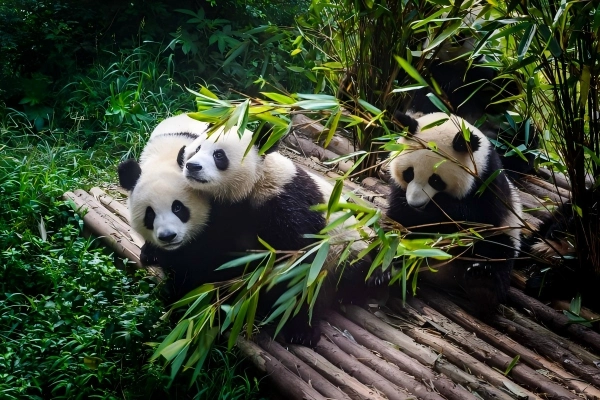
For many international visitors, the highlight of a visit is seeing the famous beijing zoo pandas. Giant pandas are among China's most recognizable animals, and watching them eat bamboo, climb, play, or simply relax can be a memorable part of a Beijing trip. Beyond pandas, the zoo also houses a wide variety of mammals, birds, reptiles, and aquatic animals, making it a worthwhile introduction to China's wildlife.
Beijing Zoo is particularly suitable for families with children, first-time visitors to Beijing, and travelers who enjoy nature and animals. Its location within the city also makes it easy to combine with other attractions, creating a relaxed half-day or full-day itinerary. Whether you are specifically looking for pandas or simply want to experience a traditional Chinese zoo, this guide will help you plan your visit.
What Is Beijing Zoo?
Beijing Zoo is a major zoological attraction in the western part of central Beijing. Established in the early 20th century, it has become an important place for wildlife education, conservation, and public recreation.
The zoo covers a large area with landscaped gardens, animal enclosures, pathways, and dedicated exhibition areas. Visitors can explore different sections throughout the day while learning about animals from China and other regions of the world.
For international travelers, Beijing Zoo offers more than simply an opportunity to see animals. It provides a convenient way to learn about China's native wildlife, particularly giant pandas and other species that are closely associated with the country's natural environment.
Why Visit Beijing Zoo?
See Giant Pandas in Beijing
For many international travelers, the chance to see giant pandas is the main reason to visit Beijing Zoo. These gentle animals are one of China's most recognizable national symbols, and watching them in person feels far more memorable than seeing them in a documentary or on a screen.
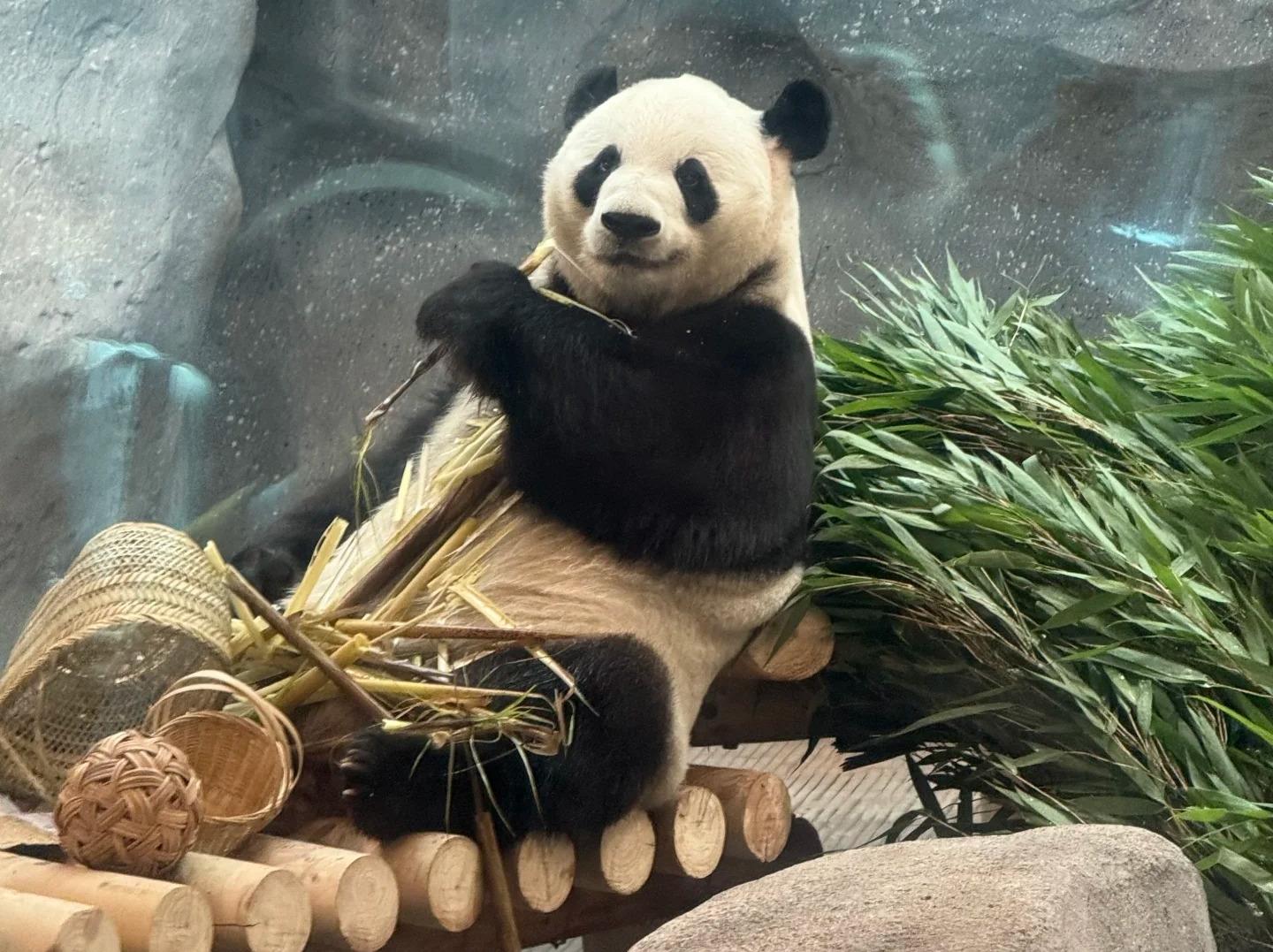
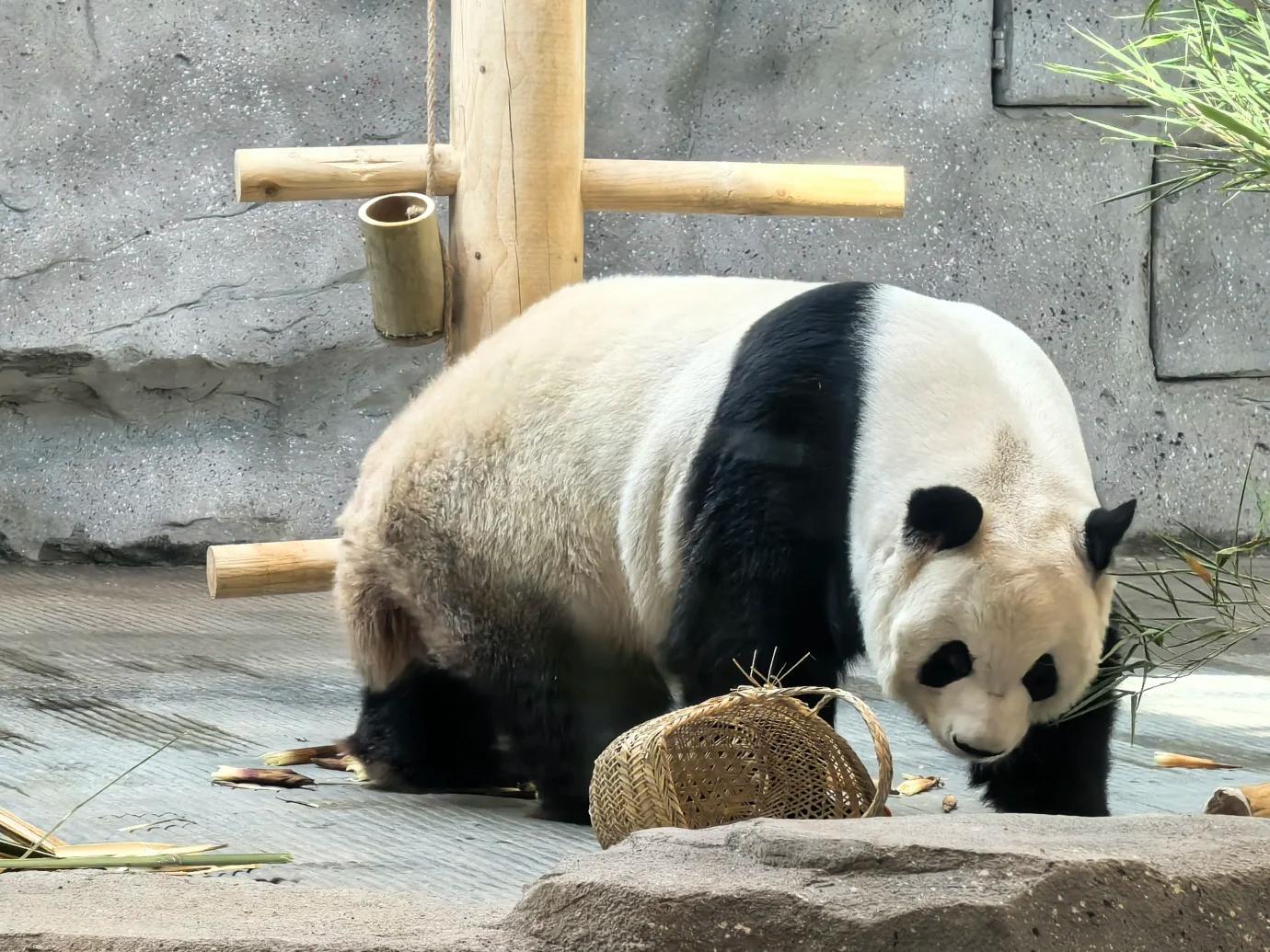
At the panda area, visitors may see pandas sitting contentedly as they strip leaves from bamboo, slowly exploring their enclosure, climbing onto platforms, or curling up for a peaceful nap. Their relaxed, playful, and sometimes surprisingly clumsy behavior makes them especially entertaining to watch.
The panda area is also a favorite stop for families. Children can observe these beloved animals at close range while learning more about their habits, diet, and natural environment. Since pandas may be more active at certain times of day, arriving earlier can make the experience even more rewarding.
Discover Animals from China and Around the World
Pandas may be the stars of Beijing Zoo, but they are only the beginning. The zoo is home to a wide range of animals from China and other parts of the world, offering visitors the chance to move between different habitats and discover something new around every corner.
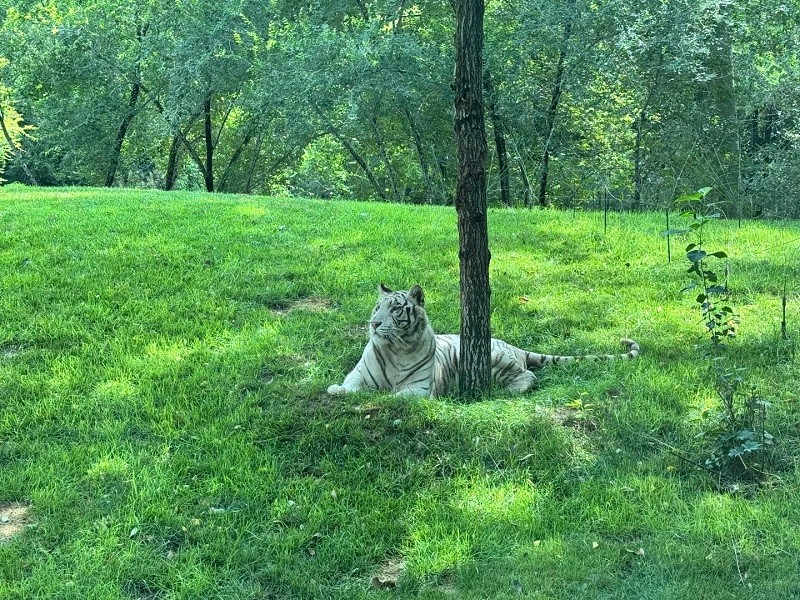
You may encounter powerful tigers and lions, towering giraffes, playful monkeys, elephants, zebras, bears, colorful birds, reptiles, and many other species. The variety creates a more complete wildlife experience and makes the zoo enjoyable even for visitors who are not traveling specifically to see pandas.
For travelers interested in Chinese wildlife, the zoo also provides an introduction to animals that are closely connected with the country's natural landscapes and conservation efforts. Each section offers a different atmosphere, making the visit feel more like a journey through several ecosystems than a simple walk between enclosures.
A Family-Friendly Beijing Attraction
Beijing Zoo is an excellent choice for families looking for an engaging and easy-going activity in the city. Children can see animals they may previously have known only from storybooks, cartoons, or videos, turning familiar images into a real-world experience.
The zoo also offers a welcome change of pace from Beijing's grand palaces, historic temples, museums, and busy shopping areas. Instead of spending the entire day indoors or following a tightly scheduled sightseeing route, families can enjoy a more relaxed outing with plenty of opportunities to walk, pause, take photos, and let children explore at their own pace.
For parents, the zoo is also a practical option because it can be visited in a few hours and easily added to a wider Beijing itinerary.
An Easy Addition to a Beijing Itinerary
One of Beijing Zoo's greatest advantages is its convenient urban location. You do not need to travel far outside the city to enjoy a wildlife experience, making it easy to include in a busy Beijing travel plan.
Visitors can spend a morning seeing the pandas and other animals before continuing to another attraction, or plan a relaxed half-day visit without feeling rushed. Depending on your route, the zoo can also be combined with nearby cultural, educational, or family-friendly attractions.
Whether you are traveling with children, looking for a break from historic sightseeing, or simply want to add something different to your Beijing adventure, Beijing Zoo offers an enjoyable and accessible way to experience wildlife in the heart of the capital.
Beijing Zoo Pandas: What to Expect
Giant pandas are the main attraction for many visitors to Beijing Zoo. If seeing pandas is one of your priorities, planning your visit around their natural activity patterns can improve your experience.
Where Can You See Pandas at Beijing Zoo?
Visitors can see giant pandas in the zoo's dedicated panda facilities. These areas are designed to provide clear viewing opportunities while giving the animals appropriate space, shelter, and care.
The panda facilities may include indoor and outdoor viewing areas, depending on the season, weather, and current animal management arrangements. Since pandas often spend much of the day resting, eating, or moving between indoor and outdoor spaces, the viewing experience can vary.
For the most up-to-date information about panda locations and access, check the zoo's official visitor information before your trip.
What Do Giant Pandas Eat?
Bamboo is the main part of a giant panda's diet. Visitors may see pandas sitting quietly while holding bamboo, selecting individual stalks, and eating for extended periods.
Although pandas appear relaxed, they spend many hours eating because bamboo contains relatively little energy. Their distinctive eating habits are often one of the most enjoyable parts of a visit, especially for children.
Pandas may also eat other foods as part of their managed diet, but bamboo is the food visitors are most likely to see them enjoying.
What Is the Best Time to See Pandas?
Morning is generally a good time to visit if seeing active pandas is important to you. Pandas may be more alert and engaged during cooler parts of the day, while warmer temperatures can encourage them to rest indoors or in shaded areas.
Arriving early may also help you avoid the largest crowds and enjoy better viewing conditions. However, animal behavior is unpredictable. Even at a recommended time, a panda may choose to sleep, rest, or remain in a less visible part of its enclosure.
For the best experience:
Arrive early, especially on weekends and public holidays.
Allow enough time at the panda facilities rather than making a quick stop.
Visit more than once during your zoo tour if your schedule allows.
Avoid tapping on glass, making loud noises, or trying to attract the animals' attention.
Be patient and observe the pandas at their own pace.
Seeing a panda resting is still a normal and authentic part of the experience. The most enjoyable visit is one that focuses on observing the animals respectfully rather than expecting a particular behavior.
Animals You Can See at Beijing Zoo
Although giant pandas receive the most attention, Beijing Zoo offers a much broader wildlife experience. The zoo is divided into different exhibition areas, each focusing on particular animal groups and habitats. This makes it easy for visitors to explore a variety of species while learning about wildlife from China and around the world.
Panda House: Beijing Zoo's Most Popular Area
The Panda House is usually the main highlight for first-time visitors. It is designed around the needs of giant pandas and provides viewing areas where visitors may see pandas eating bamboo, resting, climbing, or moving around their enclosures.
The main feature of this area is its focus on China's national treasure. Pandas are often most active while eating, so visiting earlier in the day may offer better opportunities to observe them. However, their behavior is unpredictable, and they may also spend long periods sleeping.
Big Cat Area: Tigers, Lions and Other Predators
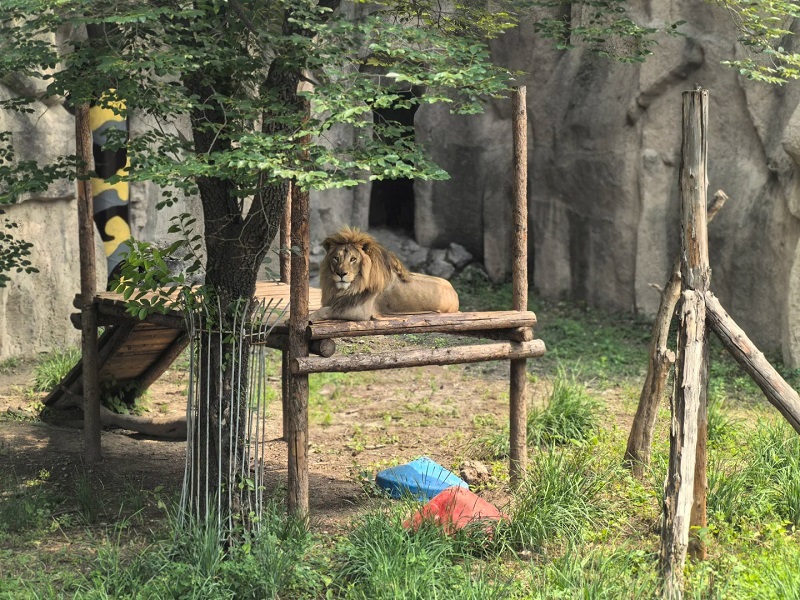
The big cat section features powerful predators such as tigers and lions. These animals are popular with visitors because of their size, strength, and distinctive behavior.
The area is particularly interesting for travelers who want to compare different large cats. Tigers are known for their striped coats and solitary nature, while lions are recognized for their social behavior and, in the case of males, prominent manes.
Large predators may be less active during hot weather, so visitors should not be surprised if they are resting in shaded areas.
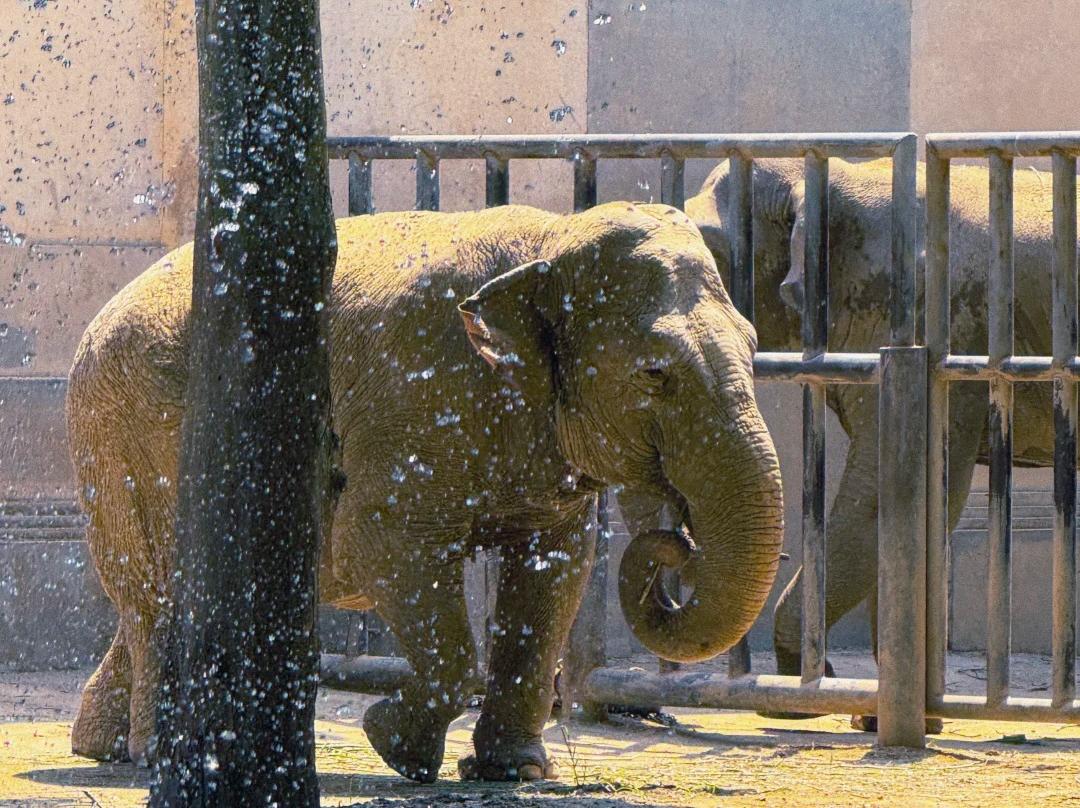
Elephant House: Large Mammals and Intelligent Behavior
The elephant area allows visitors to observe one of the world's largest land animals. Elephants are known for their intelligence, strong family bonds, and highly developed trunks.
This section is especially popular with children. Visitors may see elephants eating, walking, bathing, or interacting with objects in their enclosure. Because elephants require considerable space and specialized care, their exhibition area is one of the more distinctive parts of the zoo.
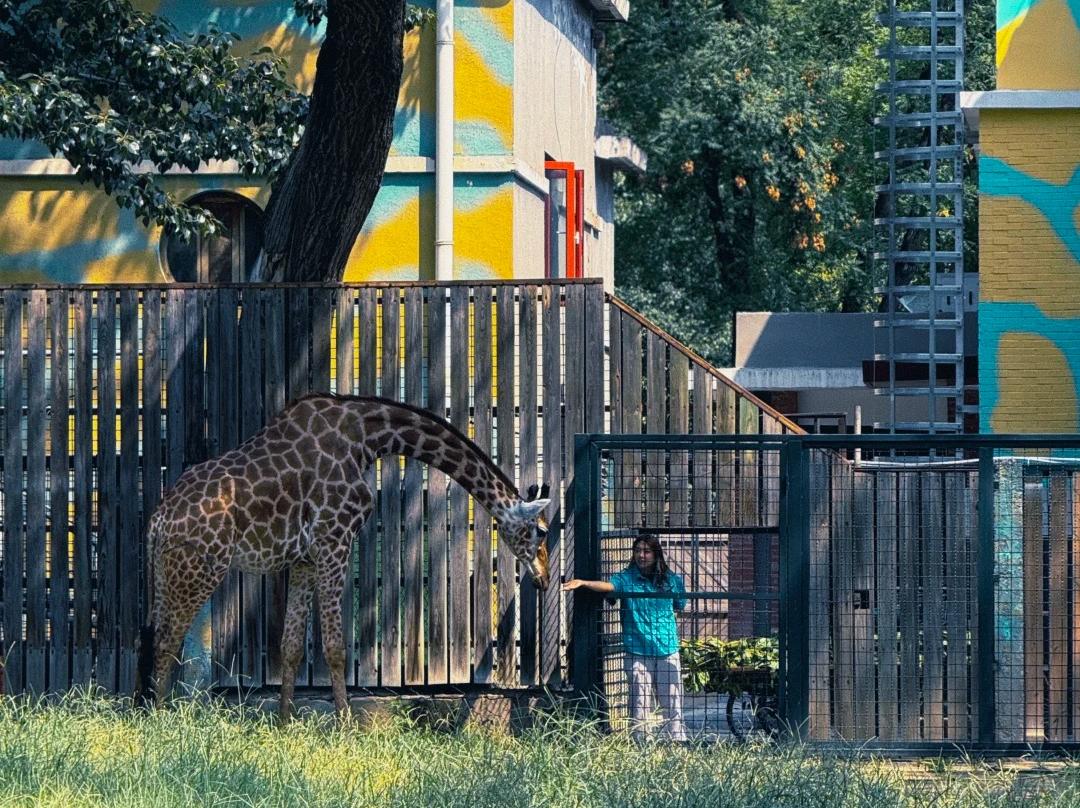
Giraffe and Zebra Area: African Grassland Animals
The giraffe and zebra section introduces visitors to animals associated with African grassland environments.
Giraffes are easy to recognize because of their long necks, patterned coats, and unusual feeding habits. Zebras attract attention with their black-and-white stripes and herd behavior.
This area is a good choice for families because the animals are visually distinctive and easy for children to identify. It also provides a simple introduction to the relationship between animals and open grassland habitats.
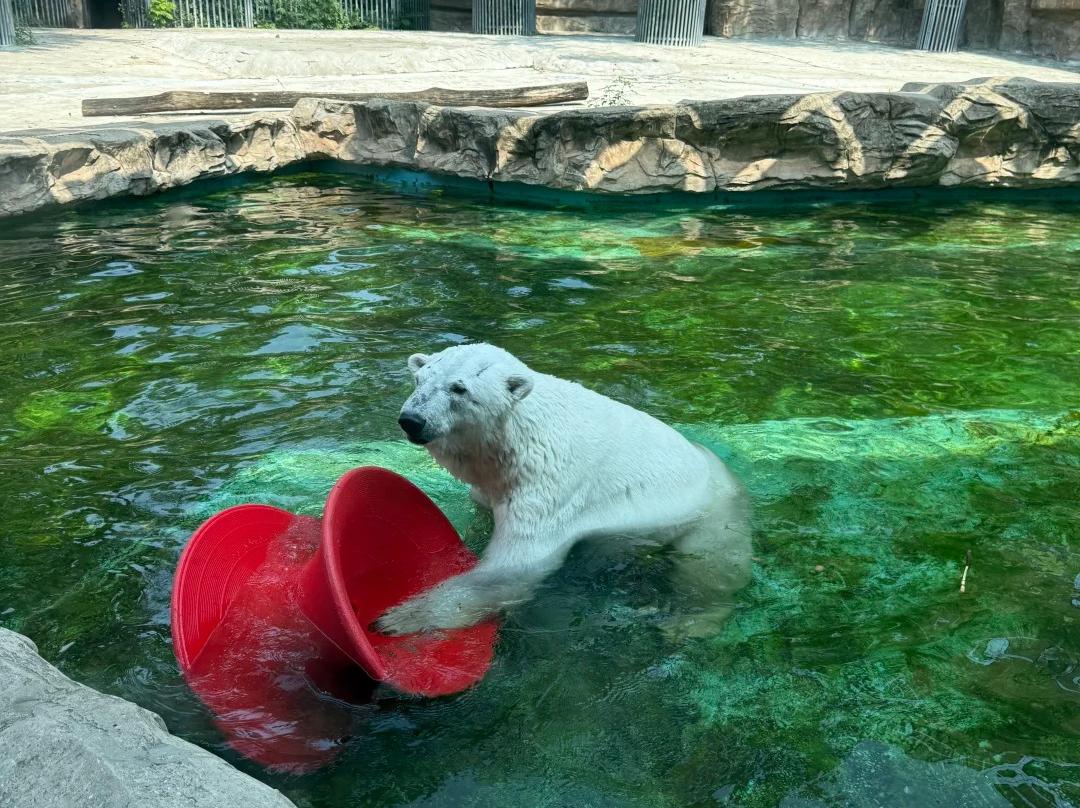
Bear Area: Powerful Mammals from Northern Regions
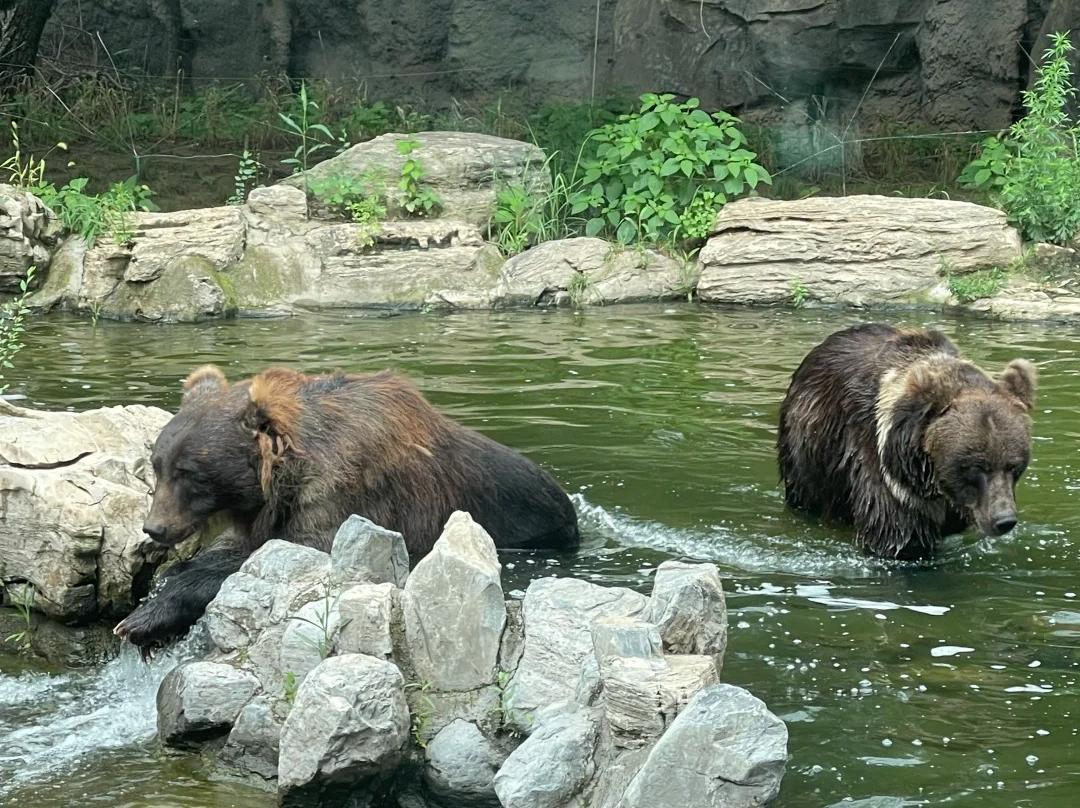
The bear section may include different types of bears and offers visitors the chance to observe their size, strength, and varied behavior.
Bears can be active, curious, or relaxed depending on the time of day and weather. During warmer periods, they may spend more time in shaded areas, while cooler conditions can encourage more movement.
This area is useful for understanding how large mammals adapt to different climates and environments.
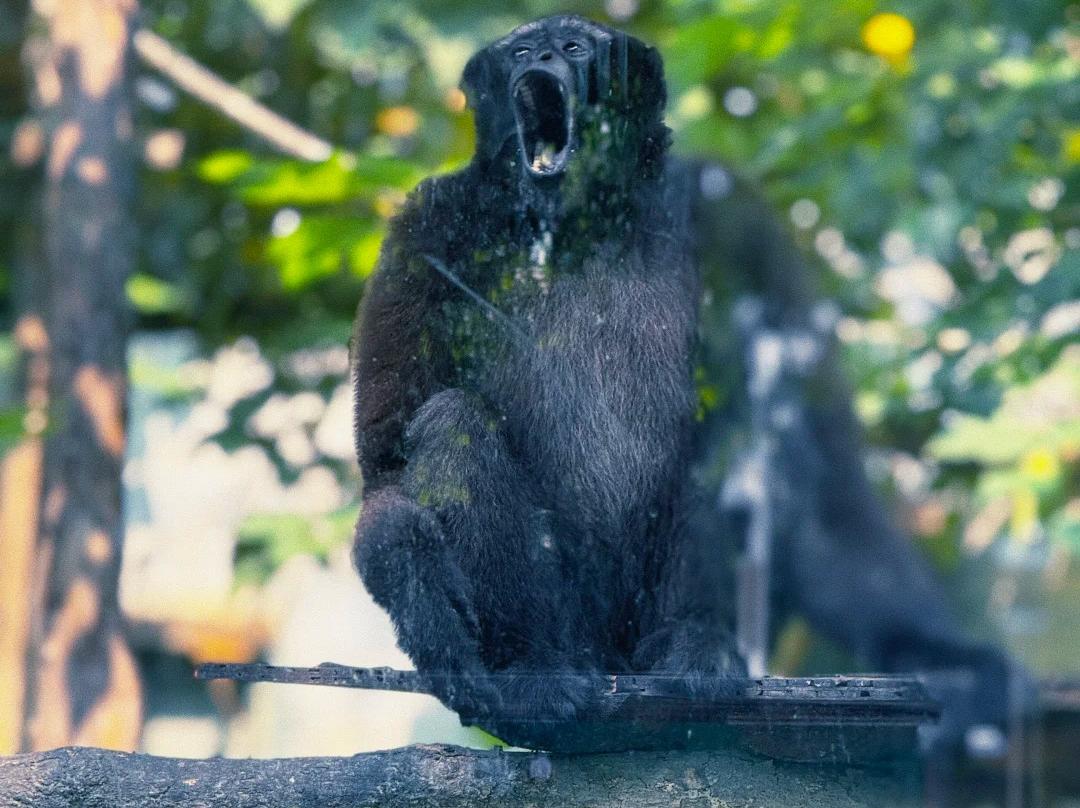
Monkey and Primate Area: Active and Social Animals
The primate section is often one of the liveliest areas in the zoo. It may include monkeys and other primates with different body shapes, colors, and social behaviors.
Visitors may see them climbing, grooming one another, searching for food, or interacting within their groups. Their frequent movement and expressive behavior make this area particularly engaging for children.
The main feature of the primate area is the opportunity to observe social behavior. Unlike many solitary animals, primates often live in groups and communicate through movement, sound, and physical interaction.
Bird Areas: Colorful Species and Native Wildlife
Beijing Zoo also includes areas dedicated to birds. Depending on the exhibition arrangement, visitors may see large birds, waterfowl, colorful tropical species, and birds native to China.
Bird areas are often quieter than the large mammal sections and provide a different type of wildlife experience. Visitors can observe differences in beak shape, feather patterns, flight behavior, and feeding habits.
For travelers interested in Chinese wildlife, the bird exhibits may be especially valuable because they introduce species that are less familiar to international visitors.
Reptile House: Snakes, Lizards and Other Cold-Blooded Animals
The reptile area provides an indoor experience featuring animals such as snakes, lizards, turtles, and other reptiles.
This section is different from the outdoor mammal areas because many reptiles are displayed in carefully controlled environments that reflect their natural temperature and humidity requirements.
The reptile house is a useful stop during hot, cold, or rainy weather. It also gives visitors the chance to learn how reptiles survive through camouflage, body shape, and temperature regulation.
Aquatic and Other Wildlife Exhibits
Some areas of Beijing Zoo may also feature aquatic animals or other specialized wildlife exhibits. These sections can include animals adapted to rivers, lakes, wetlands, or other water-based environments.
The exact animals and exhibition layouts may change over time because of conservation programs, enclosure improvements, seasonal arrangements, and animal-care requirements.
Beijing Zoo Opening Hours, Tickets & Best Time to Visit
Before visiting, check the latest official information because opening hours, ticket arrangements, and access to individual facilities can change according to season or special circumstances.
Beijing Zoo Opening Hours
Opening hours may vary between different seasons. Some exhibition areas may also have their own operating schedules.
It is recommended to check the latest opening information before your visit, particularly if you are traveling during public holidays or peak tourist periods.
Beijing Zoo Tickets
Foreign visitors can usually purchase Beijing Zoo tickets through several convenient options. The most important step is to use the same passport information that you will present when entering the zoo.
How to Book Beijing Zoo Tickets Online
The easiest option for many international travelers is to book tickets through the official Beijing Zoo website, official WeChat account, or a reputable travel booking platform.
When booking online, you may need to:
Select your preferred visit date.
Choose the number of visitors.
Enter each visitor's full name and passport number exactly as shown on the passport.
Provide a valid email address or mobile phone number.
Complete payment using an accepted international bank card or the payment methods supported by the booking platform.
Save the booking confirmation, QR code, or reservation number.
Some platforms may require visitors to create an account or complete identity verification before payment. If the official booking system is only available in Chinese, an international travel agency or reputable online ticket platform may be easier for foreign visitors to use.
Booking Tickets at the Zoo
Visitors may also be able to purchase tickets at the entrance ticket office on the day of their visit. Bring your original passport, as foreign visitors may need to use it for identity verification.
However, same-day tickets may be limited during weekends, public holidays, school vacations, or other busy periods. If seeing the giant pandas is a priority, advance booking is recommended.
What Foreign Visitors Should Bring
When visiting Beijing Zoo, foreign travelers should carry:
The original passport used for the reservation
The booking confirmation or electronic ticket
The QR code or reservation number, if provided
The payment card or mobile phone used for booking, if required
The name and passport number on the reservation should match the travel document presented at the entrance. Avoid using nicknames, shortened names, or incorrect passport details.
Important Booking Tips
Ticket prices, opening hours, reservation rules, and payment methods may change according to the season or official policies. Check the latest information before booking.
If you are traveling during a Chinese public holiday or peak season, reserve your ticket as early as possible. Also check whether the ticket includes only general admission or whether special facilities, such as a panda exhibition area, require an additional ticket.
If you cannot complete the booking independently, a hotel concierge, local guide, or reputable Beijing travel agency can assist with the reservation.
Best Time to Visit Beijing Zoo
Spring and autumn are generally comfortable seasons for outdoor sightseeing in Beijing, with pleasant conditions for walking around the zoo.
If you are visiting during summer, an early start can help you avoid the strongest midday heat. Winter can be quieter, although some animals may be less active in cold weather.
For crowd levels, weekdays are usually preferable to weekends and major Chinese public holidays.
How to Get to Beijing Zoo
Beijing Zoo is located in Xicheng District in western central Beijing and is easy to reach by subway, taxi, ride-hailing service, or private car. For most independent travelers, the subway is the most predictable option because traffic around the zoo can be busy, especially on weekends and public holidays.
By Subway
The most convenient subway station for Beijing Zoo is Beijing Zoo Station on Line 4.
Option 1: Beijing Zoo Station, Line 4
Take Beijing Subway Line 4 and get off at Beijing Zoo Station (动物园站).
Use Exit A for the most direct route to the zoo.
From Exit A, walk for approximately 5–10 minutes to the main entrance of Beijing Zoo.
Follow the signs toward Beijing Zoo or walk along Xizhimen Outer Street toward the zoo entrance.
This is usually the best option for visitors who want the shortest walk from the subway station. It is also convenient for families with children and travelers who do not want to cross busy roads or walk a long distance.
Option 2: National Library Station, Lines 4, 9 and 16
Another possible route is National Library Station (国家图书馆站), served by Lines 4, 9, and 16.
Get off at National Library Station.
Use Exit D or another exit directed toward the zoo area.
Walk for approximately 15–20 minutes to Beijing Zoo, depending on the exit and walking route.
This option may be useful if you are already traveling on Line 9 or Line 16, but it is generally less convenient than Beijing Zoo Station on Line 4 because the walking distance is longer.
Subway Travel Tips
If you are coming from central Beijing, Line 4 connects with several major sightseeing and transportation areas, including Xidan, Xuanwumen, and Beijing South Railway Station.
From Beijing South Railway Station, take Line 4 directly toward the northwest and get off at Beijing Zoo Station.
From Xidan, take Line 4 toward Anheqiaobei and get off at Beijing Zoo Station.
From Beijing Railway Station, take Line 2 to Xuanwumen or Xizhimen and transfer to Line 4, depending on the direction of travel.
From Beijing Capital International Airport, take the Airport Express to Dongzhimen, transfer to Line 2, then transfer to Line 4 at Xuanwumen or Xizhimen.
From Beijing Daxing International Airport, take the Daxing Airport Express to Caoqiao, transfer to Line 10, and then connect with Line 4.
Subway routes and exit arrangements can occasionally change because of construction or station management. Before leaving your hotel, check the latest route using a Beijing subway map, Baidu Maps, Amap, or another reliable navigation app.
By Taxi or Ride-Hailing Service
Taking a taxi or using a ride-hailing service such as Didi is convenient for families, older travelers, visitors carrying luggage, or travelers staying in areas without a direct subway connection.
When booking a car, set the destination as:
The main entrance is generally the most convenient drop-off point for first-time visitors. Ask the driver to stop near the south gate or main entrance on Xizhimen Outer Street, rather than simply stopping at Beijing Zoo Station.
Travel time varies greatly depending on traffic:
From Xidan: approximately 15–25 minutes
From Wangfujing: approximately 25–40 minutes
From Sanlitun: approximately 30–45 minutes
From Beijing South Railway Station: approximately 20–35 minutes
From Beijing Capital International Airport: approximately 50–90 minutes
From Beijing Daxing International Airport: approximately 70–110 minutes
These times are only estimates. During weekday rush hours, weekends, and public holidays, the journey may take considerably longer.
For a return trip, it is usually easier to order a taxi or Didi from a designated pick-up area near the zoo rather than waiting directly in front of the busiest entrance. If you are traveling with children or elderly family members, confirm the pick-up location with the driver in Chinese because traffic restrictions may prevent the car from stopping exactly at the gate.
By Private Car or Self-Driving
If you are driving yourself or arriving by private tour vehicle, the most convenient destination is generally the Beijing Zoo parking area near the South Gate/Main Entrance.
Use the following Chinese destination names when searching in a navigation app:
北京动物园停车场
北京动物园南门停车场
北京动物园正门停车场
The parking facilities and available spaces may vary according to the day, season, and visitor volume. Parking near the main entrance is usually the most practical because it reduces the walking distance to the ticket area and the panda exhibition area.
However, parking around Beijing Zoo can be limited during weekends and public holidays. If the main parking area is full, your driver may need to use a nearby public parking facility and walk approximately 10–20 minutes to the entrance.
For private tours, it is best to ask the driver to drop passengers at the South Gate/Main Entrance first, then park the vehicle if necessary. This is more convenient for families, older travelers, and groups carrying bags or strollers.
Drivers should also be aware that stopping directly on busy roads near the zoo may not be permitted. Follow local traffic signs and use official parking areas rather than asking the driver to wait beside the road.
From Central Beijing
From central Beijing, the subway is often faster and more reliable than driving.
From Tiananmen Square, take Line 2 from Qianmen or another nearby station, transfer to Line 4, and get off at Beijing Zoo Station.
From Wangfujing, take Line 1 to Xidan, transfer to Line 4, and get off at Beijing Zoo Station.
From Xidan, take Line 4 directly to Beijing Zoo Station.
From Beijing South Railway Station, take Line 4 directly to Beijing Zoo Station.
From Xizhimen, take Line 4 for one stop to Beijing Zoo Station.
From Summer Palace, take Line 4 toward the city center and get off at Beijing Zoo Station.
From Beijing Olympic Park, take Line 15 or another suitable route to connect with Line 4, depending on your starting station.
For most visitors, the simplest route is to take Line 4 to Beijing Zoo Station, leave through Exit A, and walk approximately 5–10 minutes to the main entrance.
If you are traveling as part of a private Beijing tour, the driver can usually arrange a drop-off at the South Gate and then park nearby. Confirm the exact entrance with your guide in advance, as Beijing Zoo has several gates and not every gate is equally convenient for ticketing, panda viewing, or group access.
How Long Do You Need at Beijing Zoo?
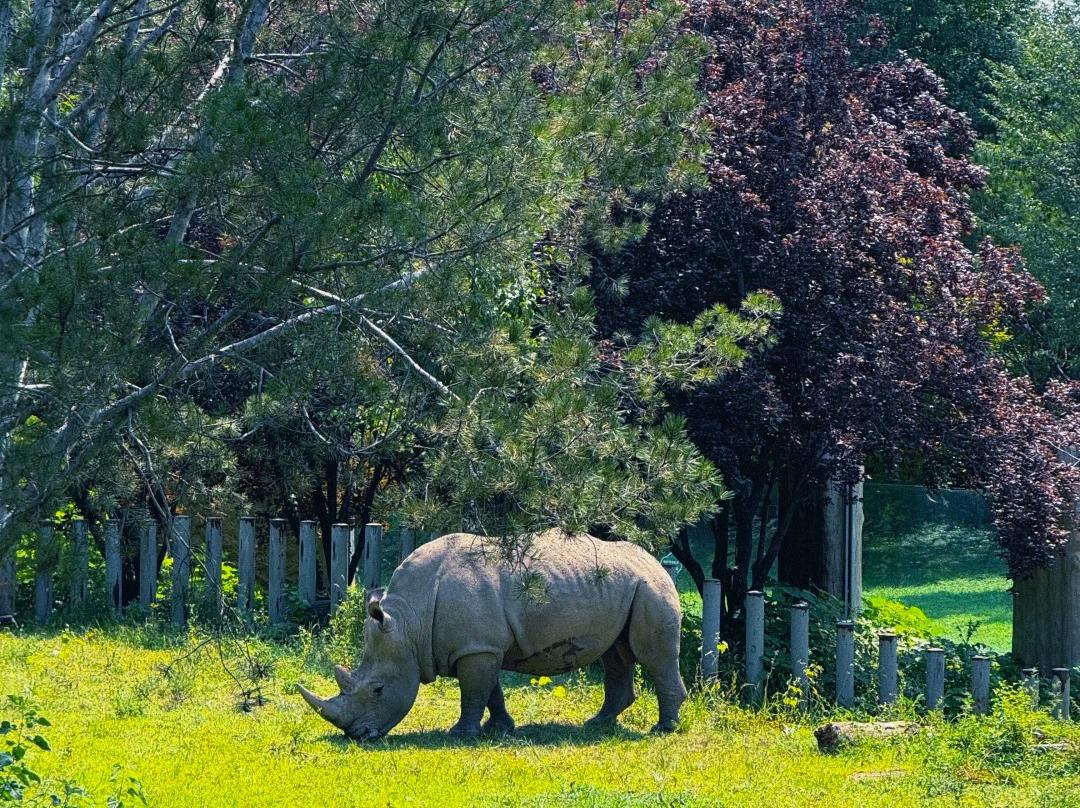
The amount of time you need at Beijing Zoo depends on whether you want to focus mainly on the giant pandas or explore more of the zoo's animal areas. The zoo is large, and walking between different sections can take time, so choosing the right visit length will help you avoid rushing or missing the attractions that matter most to you.
1–2 Hours: A Quick Panda-Focused Visit
A 1–2 hour visit is suitable for travelers with a tight schedule who mainly want to see the giant pandas.
This route usually allows time to:
Enter the zoo and walk directly to the panda area
Visit the main panda viewing facilities
See some nearby animal enclosures
Take a few photos and leave without exploring the entire zoo
This is the most efficient option if Beijing Zoo is only a short stop between other attractions. It may also work well for travelers who are not especially interested in large mammals, birds, or reptiles.
However, a short visit means you will probably miss many of the zoo's other animal areas, including larger sections featuring big cats, elephants, giraffes, monkeys, birds, and reptiles. You may also have limited time to wait for pandas to become active. If the pandas are resting or the panda area is crowded, the visit may feel rushed.
2–3 Hours: Panda Area Plus Selected Animals
A 2–3 hour visit is a good choice for first-time visitors who want to see the pandas but also explore part of the wider zoo.
With this amount of time, you can usually:
Visit the giant panda area
See several popular mammal enclosures
Walk through selected sections at a comfortable pace
Take short breaks and photos
Experience more of the zoo without spending a full day there
This route offers a better balance between pandas and other animals. You can choose a few priority areas instead of trying to see everything.
The main limitation is that you still need to be selective. You may not have enough time to visit every section, especially if you are traveling with children, stopping frequently, or visiting on a busy day. Some less central animal areas, quieter exhibits, and additional facilities may need to be skipped.
For many independent travelers, 2–3 hours is the most practical visit length if Beijing Zoo is one part of a larger Beijing sightseeing itinerary.
3–4 Hours: A More Complete Zoo Visit
A 3–4 hour visit is recommended for families, animal lovers, and travelers who want to explore Beijing Zoo at a relaxed pace.
This route generally gives you enough time to:
Visit the giant panda area without rushing
Explore several major mammal sections
See animals such as big cats, elephants, giraffes, bears, and primates
Visit selected bird or reptile areas
Take breaks, use facilities, and allow children more time at favorite exhibits
Return to an area if an animal was not active during your first visit
The main advantage of this option is flexibility. You do not need to move immediately from one enclosure to the next, and you have a better chance of seeing more animals behaving naturally rather than simply passing through each area.
Even with 3–4 hours, you may still not see every part of the zoo in detail. The zoo covers a large area, and walking distances, crowds, weather, and animal activity can affect your pace. If you want to visit every major section or include additional attractions such as special exhibition areas, you may need more time.
Half a Day or Longer: A Full and Relaxed Exploration
A half-day visit is best for travelers who want Beijing Zoo to be a main activity rather than a short stop.
With 4 hours or more, you can:
Spend more time at the panda facilities
Explore a wider range of mammals, birds, reptiles, and other animals
Walk through the zoo at a slower pace
Take regular rest and meal breaks
Allow children to revisit their favorite animals
Include additional exhibition areas if they are open
Avoid rushing between distant sections
This is the best option for families with young children, visitors who enjoy photography, and travelers who prefer a relaxed sightseeing experience.
The trade-off is that Beijing Zoo can take up a significant part of your day. If your itinerary also includes major attractions on the other side of Beijing, a longer zoo visit may leave less time for palaces, temples, museums, or historic sites. Travelers with limited time in Beijing may therefore prefer a shorter panda-focused route.
Which Visit Length Should You Choose?
Choose a 1–2 hour visit if you only want a quick look at the pandas and have other important plans that day.
Choose a 2–3 hour visit if you want to see the pandas and a selection of other popular animals while keeping your itinerary flexible.
Choose a 3–4 hour visit if you are traveling with children or want to explore the zoo without feeling rushed.
Choose half a day or longer if Beijing Zoo is one of your main attractions and you want to see a broad range of animals at a relaxed pace.
For most international visitors, a 2–3 hour visit provides the best balance between seeing the giant pandas, exploring other animal areas, and leaving enough time for additional Beijing attractions.
Best Things to Do Near Beijing Zoo
A visit to Beijing Zoo does not have to take up an entire day. Its location makes it possible to combine the zoo with other Beijing attractions. Depending on your interests and available time, you can visit one nearby attraction or plan a full-day itinerary.
Beijing Planetarium
Recommended visit duration: About 1.5–2 hours
The Beijing Planetarium is a good choice for families with children and travelers interested in astronomy, space science, and interactive educational experiences. Its main highlights include astronomy exhibitions, educational displays, and planetarium shows that introduce visitors to the universe in an engaging way.
A visit to the planetarium can be combined with Beijing Zoo because both attractions are located in the same general area. If you plan to visit both, allow approximately 4–5 hours in total, including time for walking, entrance procedures, and a break.
Summer Palace
Recommended visit duration: About 3–4 hours
The Summer Palace is one of Beijing's most famous imperial gardens and a highlight for travelers interested in Chinese history, traditional architecture, and classical landscapes. Its main attractions include Kunming Lake, Longevity Hill, historic pavilions, landscaped gardens, bridges, and long covered corridors decorated with traditional paintings.
Because the Summer Palace is a large scenic area, visitors should allow several hours to explore it comfortably. Combining Beijing Zoo with the Summer Palace is possible, but it may create a relatively full day. Including transportation and a meal break, plan for approximately 7–9 hours in total.
Beijing Olympic Park
Recommended visit duration: About 2–3 hours
Beijing Olympic Park offers a modern contrast to the historic atmosphere of Beijing Zoo. Its highlights include the Bird's Nest National Stadium, the Water Cube, wide public spaces, modern architecture, and the Olympic Forest Park.
The area is especially interesting for visitors who want to see landmarks from the 2008 Beijing Olympic Games or take photographs of contemporary Beijing architecture. A short visit focused on the main Olympic buildings may take around 2 hours, while visitors who want to explore the park and surrounding areas should allow 3–4 hours.
Combining Beijing Zoo with Olympic Park can make a varied full-day itinerary. Including transportation, meals, and time at both attractions, plan for approximately 7–9 hours in total.
How to Choose the Best Combination
Choose Beijing Planetarium for a shorter family-friendly visit focused on science and astronomy.
Choose the Summer Palace for imperial history, classical gardens, and scenic landscapes.
Choose Beijing Olympic Park for modern architecture, Olympic landmarks, and photography.
If you want to visit Beijing Zoo and one additional attraction comfortably, allow at least half a day.
For Beijing Zoo plus the Summer Palace or Olympic Park, plan a full day and leave extra time for traffic and transportation.
Combining attractions according to their location can help reduce unnecessary travel time across Beijing. Before visiting, check current opening hours, ticket requirements, and transportation conditions, as these may change by season or during public holidays.
Beijing Zoo vs. Other Chinese Zoos
| Comparison Point | Beijing Zoo | Other Chinese Zoos and Wildlife Parks |
|---|
| Location | Located in central Beijing, making it convenient to include in a city sightseeing itinerary | Many are located farther from city centers or in suburban and scenic areas |
| Main Attraction | Giant pandas, diverse wildlife, and a long history as a major zoological attraction | Some focus on safari-style experiences, wildlife photography, breeding programs, or specific animal species |
| Accessibility | Easy to reach by Beijing's public transportation network, including the subway | Accessibility varies depending on the location and transportation options |
| Visitor Experience | A traditional urban Chinese zoo combined with gardens, animal exhibits, and family-friendly sightseeing | Experiences may include larger open spaces, safari vehicles, outdoor habitats, or specialized animal attractions |
| Best For | International travelers who want to see pandas while exploring Beijing | Travelers mainly interested in wildlife photography, large safari-style environments, or specialized wildlife experiences |
| Main Advantage | Combines a central Beijing location, giant pandas, diverse wildlife, and convenient access | May offer more spacious habitats or more specialized wildlife activities |
| Recommended Choice | A practical choice for first-time visitors to Beijing, families, and panda lovers | A better option for travelers willing to travel farther for a specific wildlife experience |
If your primary goal is to see pandas while also experiencing a traditional urban Chinese zoo, Beijing Zoo is a practical choice. Travelers whose main interest is wildlife photography or large safari-style environments may prefer other wildlife parks or specialized animal attractions in China.
Tips for Visiting Beijing Zoo
A few simple tips can make your visit more comfortable and help you enjoy the zoo at a relaxed pace:
Arrive Early for the Panda Area
If seeing pandas is your main priority, try to arrive early in the day. The panda area can become busy, especially on weekends and public holidays, and visiting early may provide a more comfortable viewing experience. Animals may also be more active in the morning, although their behavior can vary.
Wear Comfortable Walking Shoes
Beijing Zoo covers a large area, and visitors may need to walk considerable distances between different animal enclosures. Comfortable shoes are especially important for families, older travelers, and anyone planning to stay for several hours.
Check the Weather Before You Go
Much of the visit takes place outdoors, so weather conditions can affect your experience. In summer, bring sun protection and drinking water, while in winter, wear warm clothing. Spring and autumn are usually comfortable seasons for walking around the zoo.
Avoid Major Holidays for Smaller Crowds
Beijing Zoo can become very crowded during Chinese public holidays, school vacations, and weekends. If you prefer a quieter visit, consider going on a weekday outside the peak travel periods. Fewer crowds can make it easier to see the animals and move between exhibits.
Allow Extra Time When Traveling with Children
Families with children should plan for a slower pace. Children may want to spend more time at certain exhibits, take regular breaks, or stop for food and drinks. Allowing extra time can make the visit more enjoyable and prevent the itinerary from feeling rushed.
Follow Zoo Rules and Respect the Animals
Always follow the zoo's instructions and keep a safe distance from the animals. Do not feed, tease, tap on enclosures, or make loud noises near the exhibits. Respecting these rules helps protect both visitors and animals while supporting a better environment for wildlife.
Check Opening Hours and Ticket Information in Advance
Opening hours, ticket policies, and access to individual exhibition areas may change depending on the season or special events. Check the latest official information before setting out so you can plan your route and avoid unexpected changes at the entrance.
Frequently Asked Questions About Beijing Zoo
Does Beijing Zoo have pandas?
Yes. Giant pandas are one of the zoo's most popular attractions and a major reason many visitors choose to visit.
Where can I see pandas in Beijing?
Beijing Zoo is one of the well-known places in the city where visitors can see giant pandas.
Is Beijing Zoo worth visiting?
For travelers interested in pandas, Chinese wildlife, or family-friendly attractions, Beijing Zoo can be a worthwhile addition to a Beijing itinerary.
How long does it take to visit Beijing Zoo?
A visit of around 2–3 hours is suitable for a quick trip, while 3–4 hours or more allows time to explore more animal areas at a relaxed pace.
What animals can you see at Beijing Zoo?
Besides giant pandas, visitors can see a wide variety of mammals, birds, reptiles, and other wildlife.
What is the best time to visit Beijing Zoo?
Morning is generally a good choice, particularly if seeing pandas is a priority. Spring and autumn also offer comfortable conditions for walking outdoors.
Is Beijing Zoo suitable for children?
Yes. Its variety of animals makes it a popular family attraction and an engaging experience for children.
How do I get to Beijing Zoo?
The zoo can be reached by Beijing's public transportation network, including the subway. Taxis and private transfers are also convenient options.
Can I visit Beijing Zoo with other Beijing attractions?
Yes. Depending on your itinerary, you can combine the zoo with nearby attractions or include it as part of a private Beijing sightseeing tour.
Is Beijing Zoo one of the best zoos in China?
Beijing Zoo is one of China's best-known traditional urban zoos, particularly for visitors who want to see giant pandas while sightseeing in Beijing.