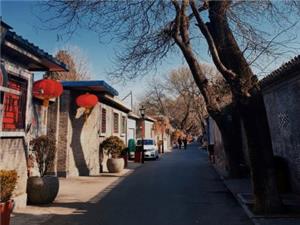
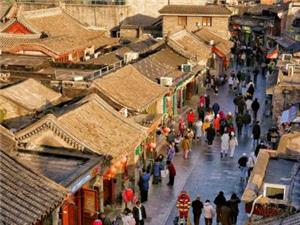
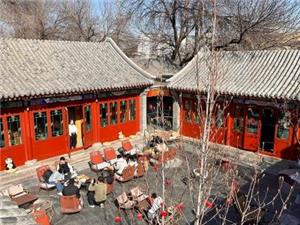
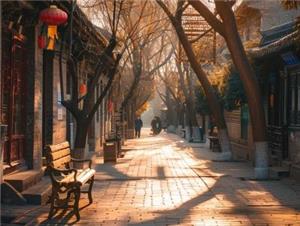
Beijing's hutongs are more than just old streets — they are living museums that preserve the city's history, traditions, and neighborhood culture. Hidden behind the modern city skyline, these narrow alleys offer a glimpse into the daily life of old Beijing.
The word "hutong" (胡同) refers to traditional lanes formed during the Yuan, Ming, and Qing dynasties. These neighborhoods were originally built around Siheyuan (四合院), traditional courtyard houses where families lived together. The layout of hutongs reflects the unique urban planning and social life of ancient Beijing.
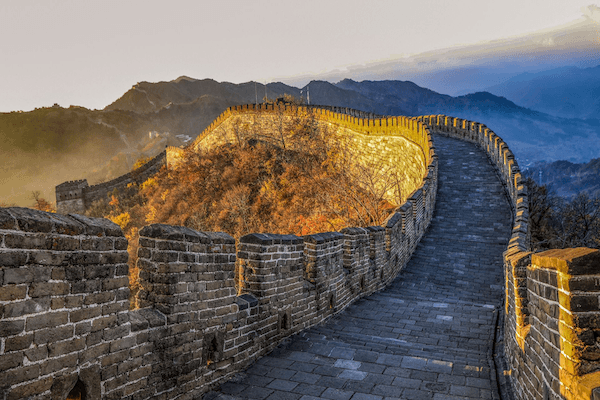
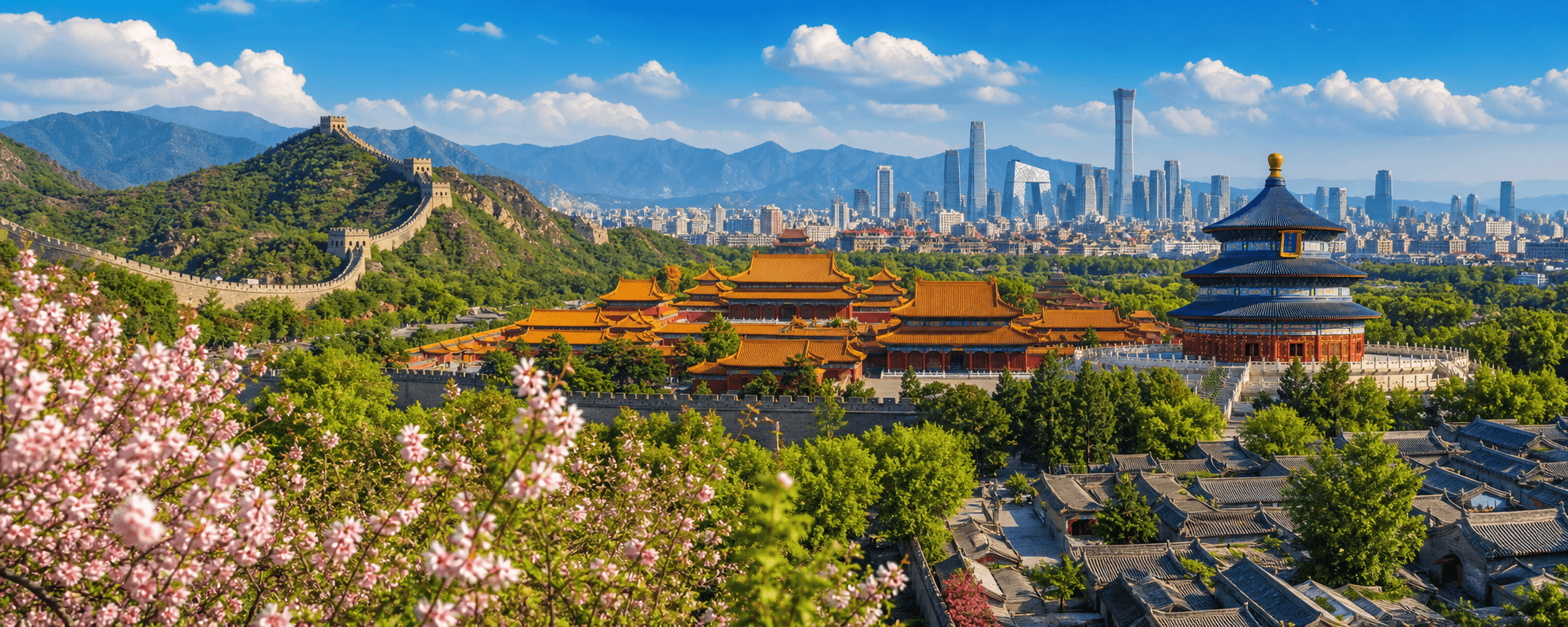
Today, Beijing hutongs are among the city's most charming cultural attractions. Walking through these historic alleys, visitors can discover traditional architecture, local shops, old trees, and stories passed down through generations. Compared with famous landmarks like the Forbidden City and the Great Wall, hutongs provide a more personal way to experience Beijing's everyday life and local culture.
Whether you explore the lively Nanluoguxiang, the artistic Wudaoying Hutong, or the peaceful Mao'er Hutong, each neighborhood has its own character and history waiting to be discovered.
Beijing Hutongs at a Glance
What Is a Hutong?
A hutong (胡同) is a traditional narrow alley or lane found mainly in Beijing. Many hutongs were built hundreds of years ago and became the residential neighborhoods of ordinary Beijing families.
A typical hutong features:
- Narrow lanes and pathways connecting local homes
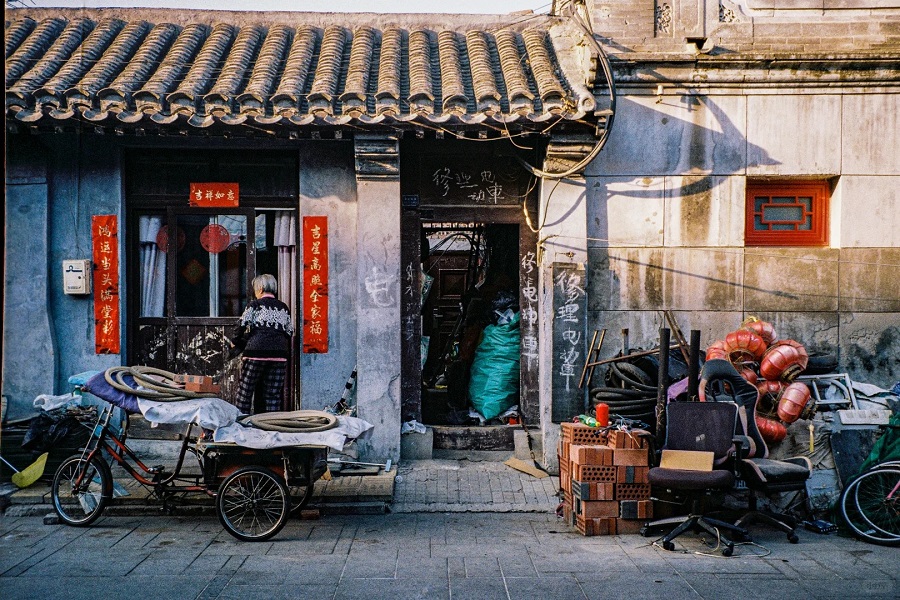
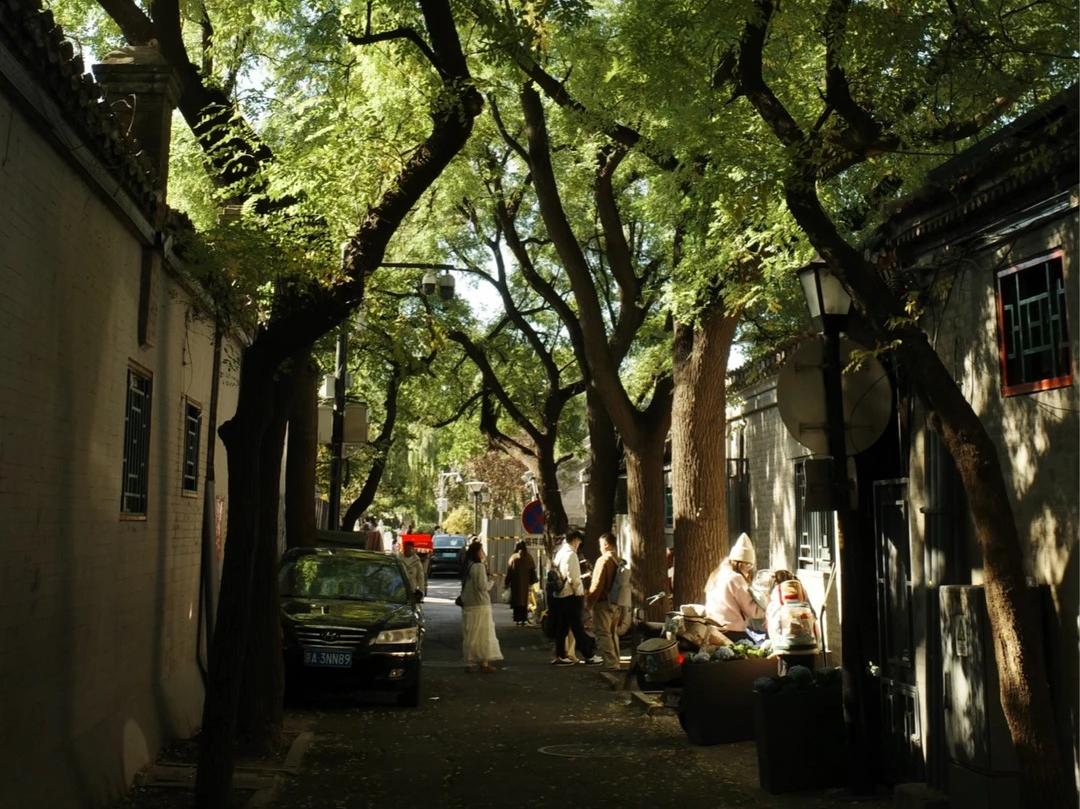
- Gray brick walls and traditional Beijing-style buildings
- Siheyuan courtyard houses, which represent classic Chinese residential architecture
- Old trees, small shops, tea houses, and local restaurants that create a warm neighborhood atmosphere
Although many modern buildings have appeared around Beijing, hutongs continue to preserve the city's historical charm and traditional lifestyle.
Why Are Beijing Hutongs Worth Visiting?
Exploring hutongs is one of the best ways to experience the authentic side of Beijing. Instead of only visiting famous landmarks, travelers can slow down and discover the city's hidden stories through its old neighborhoods.
Experience Authentic Local Life
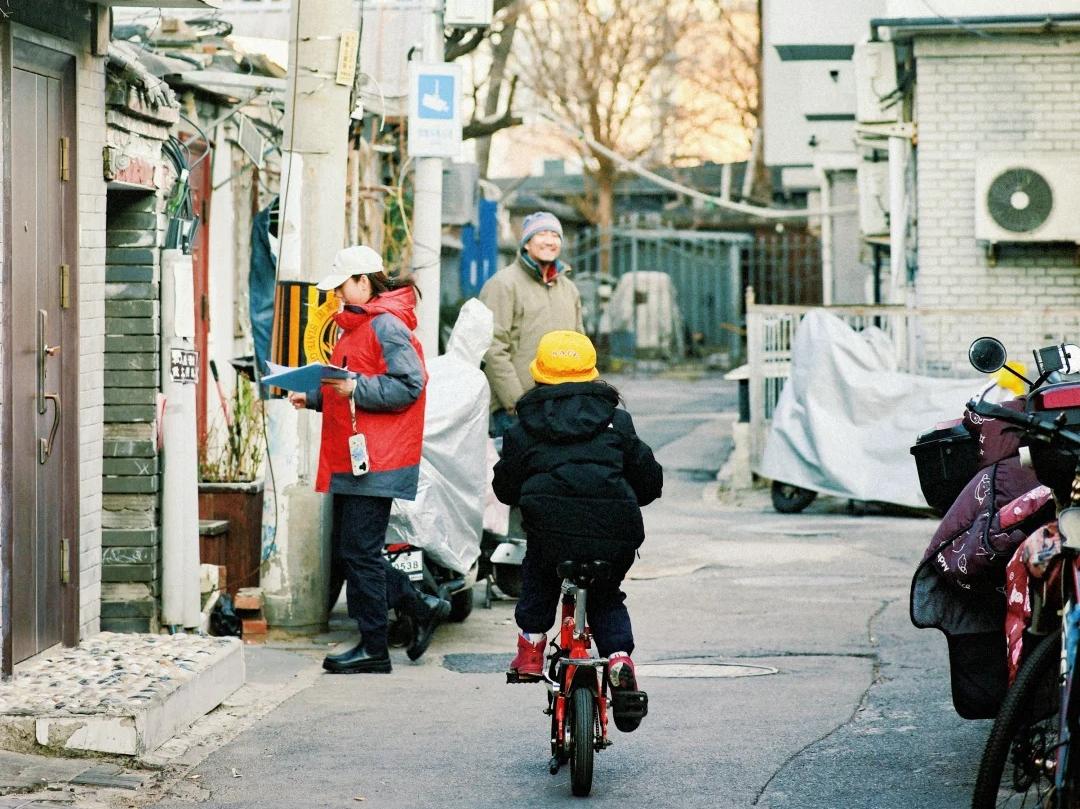
Hutongs show how local residents live today. Visitors can see people chatting in the alleys, enjoying morning activities, and maintaining traditional customs.
Discover Traditional Architecture
From courtyard homes to historic streets, hutongs provide a closer look at Beijing's unique architectural style and urban history.
Enjoy Local Food and Street Culture
Many hutong areas are home to traditional snacks, small restaurants, cafes, and local markets where visitors can taste authentic Beijing flavors.
Capture Unique Photography Moments
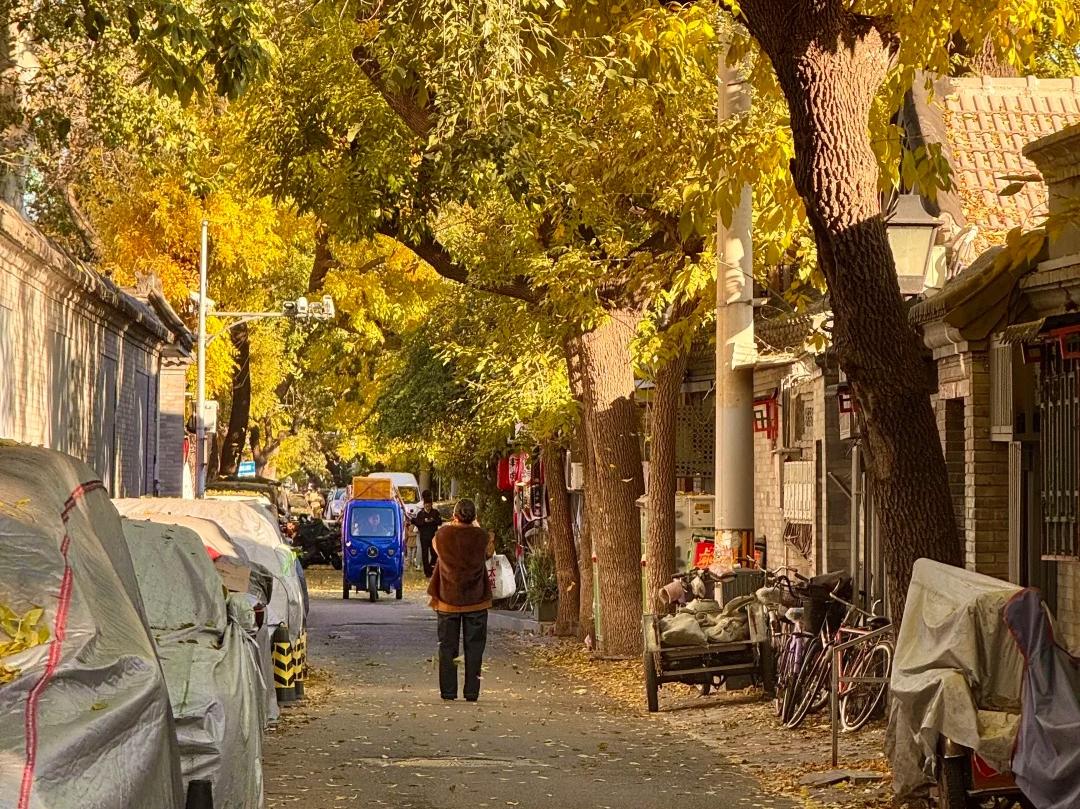
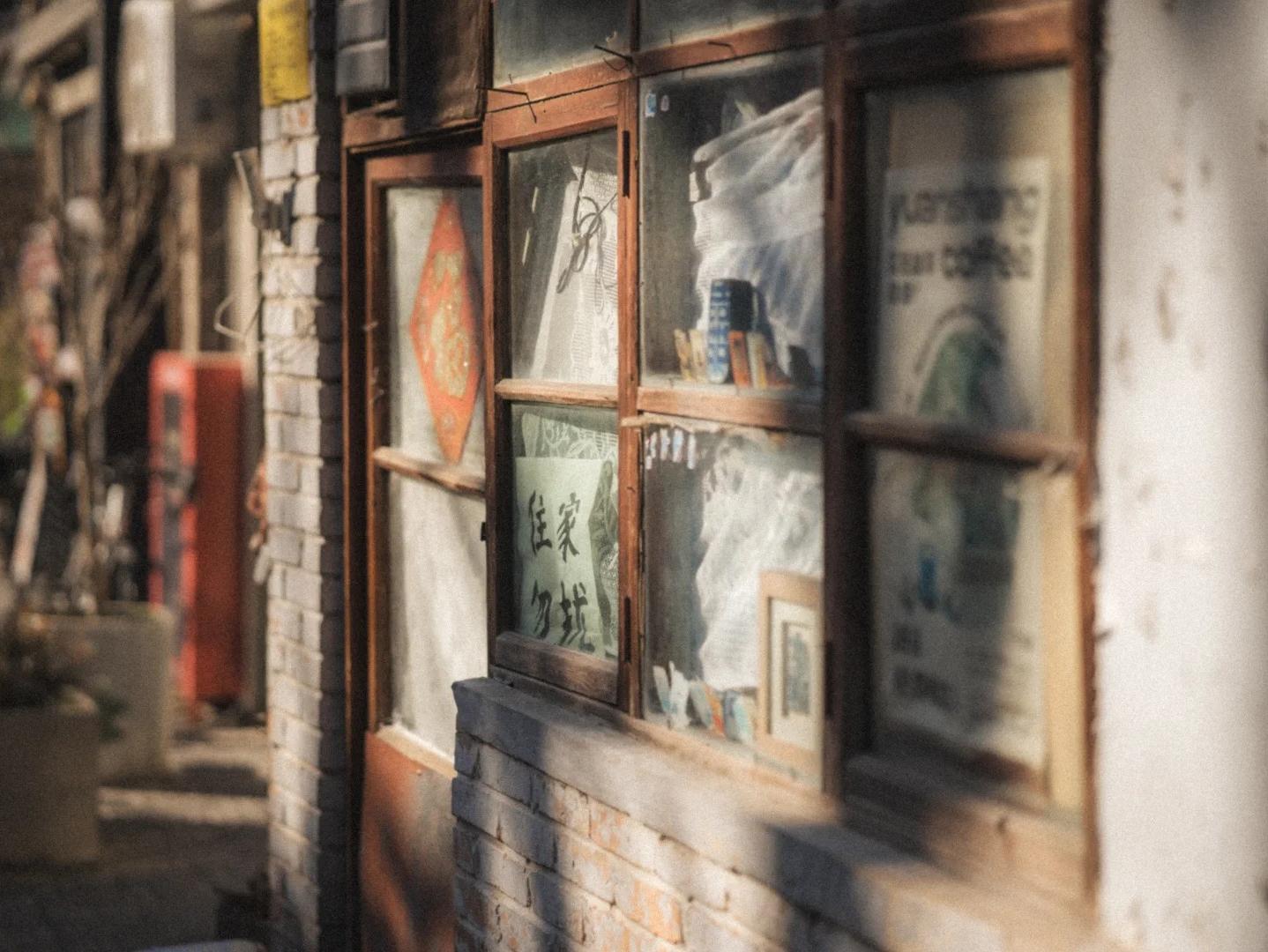
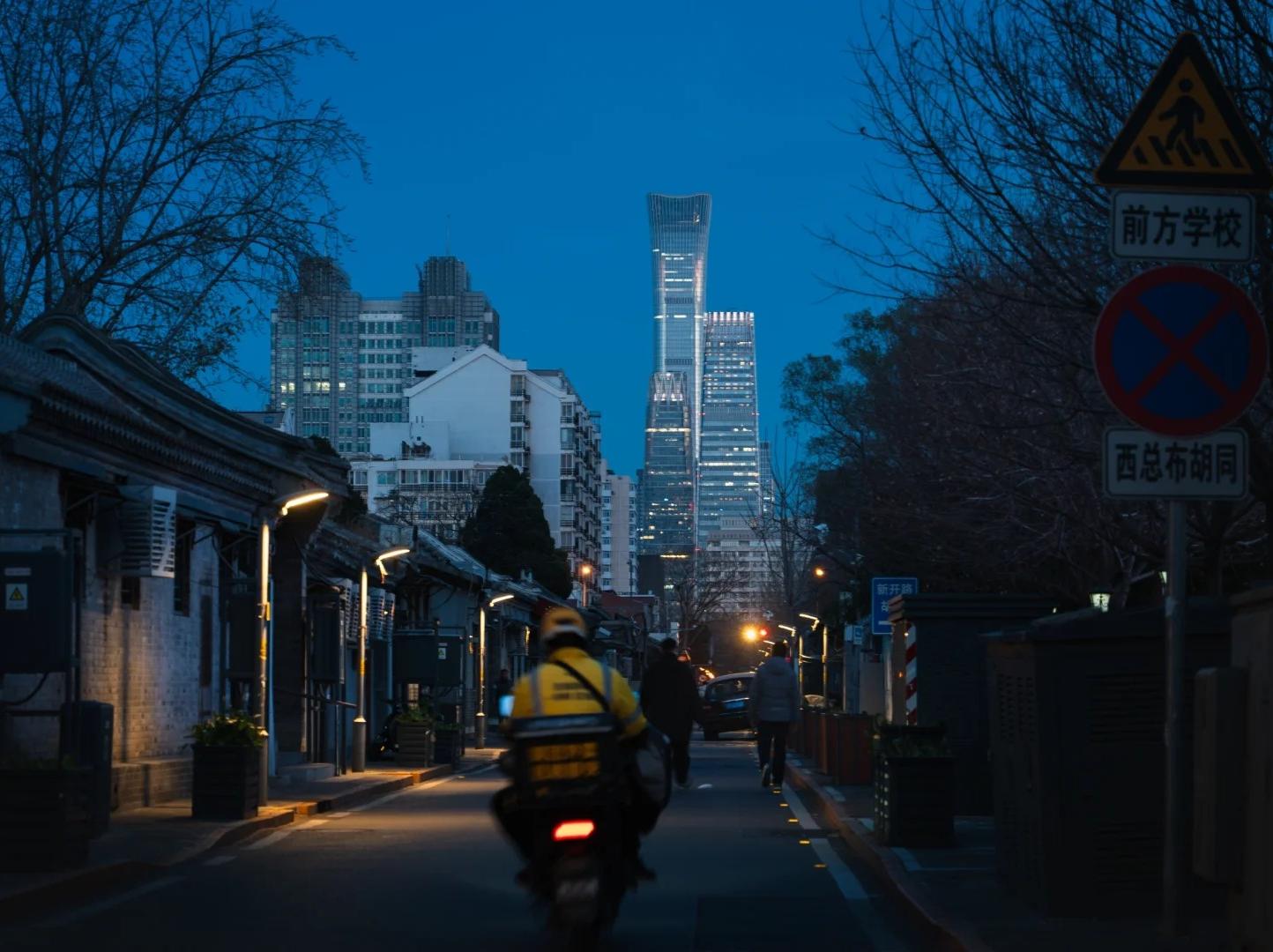
The combination of old brick walls, traditional doors, bicycles, trees, and local life makes hutongs perfect for photography.
Best Time to Explore Beijing Hutongs
Spring (March–May)
Spring is one of the best seasons to explore Beijing hutongs. The weather is comfortable, flowers begin to bloom, and the old streets become lively with fresh greenery.
Best for: Walking tours, photography, and outdoor sightseeing.
Autumn (September–November)
Autumn is considered the ideal season for hutong exploration. The weather is cool, the sky is usually clear, and golden leaves create a beautiful atmosphere along historic streets.
Best for: Long walks, cultural tours, and enjoying Beijing's traditional scenery.
Winter (December–February)
Winter offers a quieter and more authentic hutong experience. With fewer tourists, visitors can enjoy peaceful streets and observe local daily life at a slower pace.
Best for: Travelers who prefer a calm atmosphere and deeper cultural experiences.
Best Beijing Hutongs to Visit
Beijing is home to thousands of hutongs, but each neighborhood has its own unique atmosphere and story. Some hutongs are famous for their lively streets and cultural shops, while others preserve a quieter side of traditional Beijing life. From historic lanes near the Forbidden City to creative neighborhoods filled with cafes and galleries, these are some of the best Beijing hutongs to explore.
Nanluoguxiang (South Gong and Drum Lane) 南锣鼓巷
Highlight: The Most Famous Hutong Area in Beijing
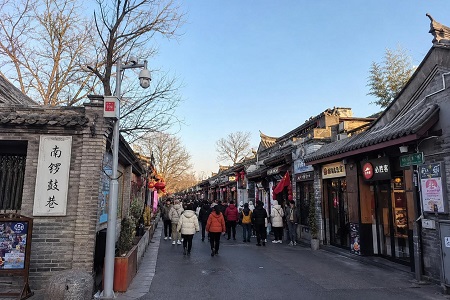
Nanluoguxiang is one of Beijing's most famous and best-preserved hutong areas. With a history of more than 700 years, this historic lane offers a perfect combination of traditional Beijing architecture and modern lifestyle.
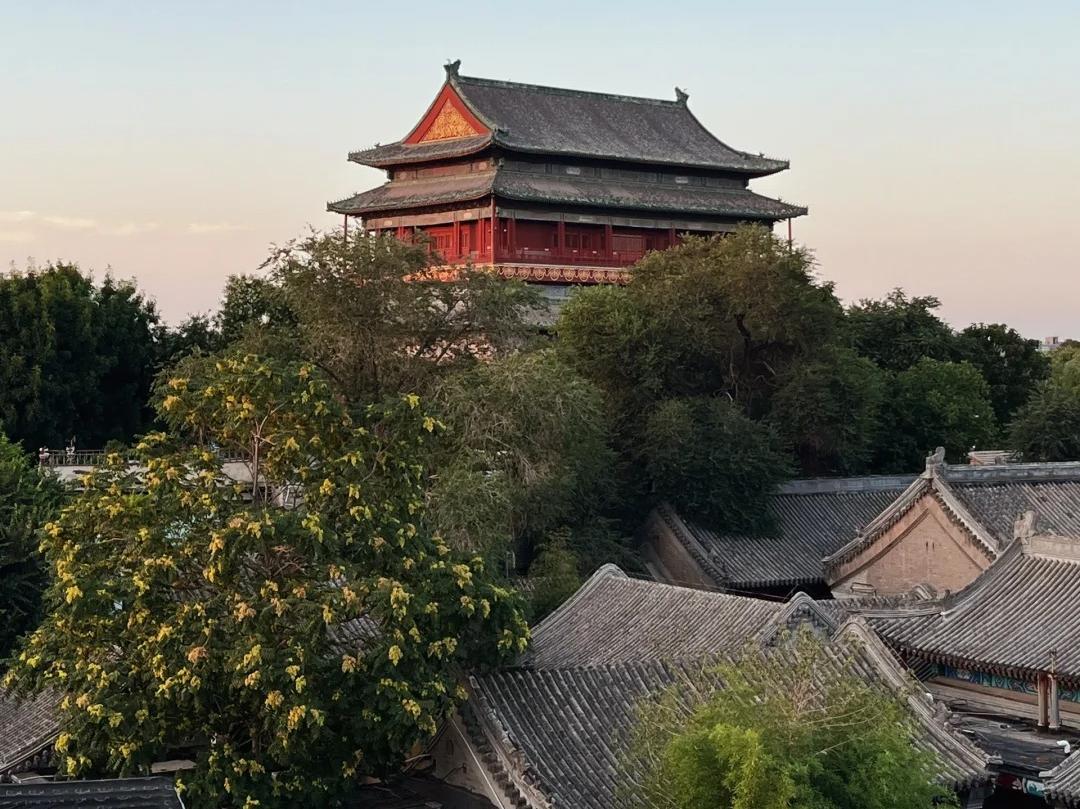
Located near the Drum Tower and Shichahai area, Nanluoguxiang is known for its well-preserved Siheyuan courtyard houses, narrow alleys, and lively cultural atmosphere. Today, the street is filled with boutique shops, cafes, creative stores, and local restaurants.
Things to Experience
- Explore traditional courtyard houses and old Beijing-style streets
- Browse unique cultural shops and handmade souvenirs
- Enjoy coffee, snacks, and local food
- Take photos of historic buildings and charming alleyways
Best For
- First-time visitors to Beijing
- Travelers who enjoy shopping and local culture
- Photography lovers
Travel Tips: Visit early in the morning or after sunset to avoid the biggest crowds. Nanluoguxiang can also be combined with Shichahai, Drum Tower, and Yandai Xiejie for a half-day hutong walking route.
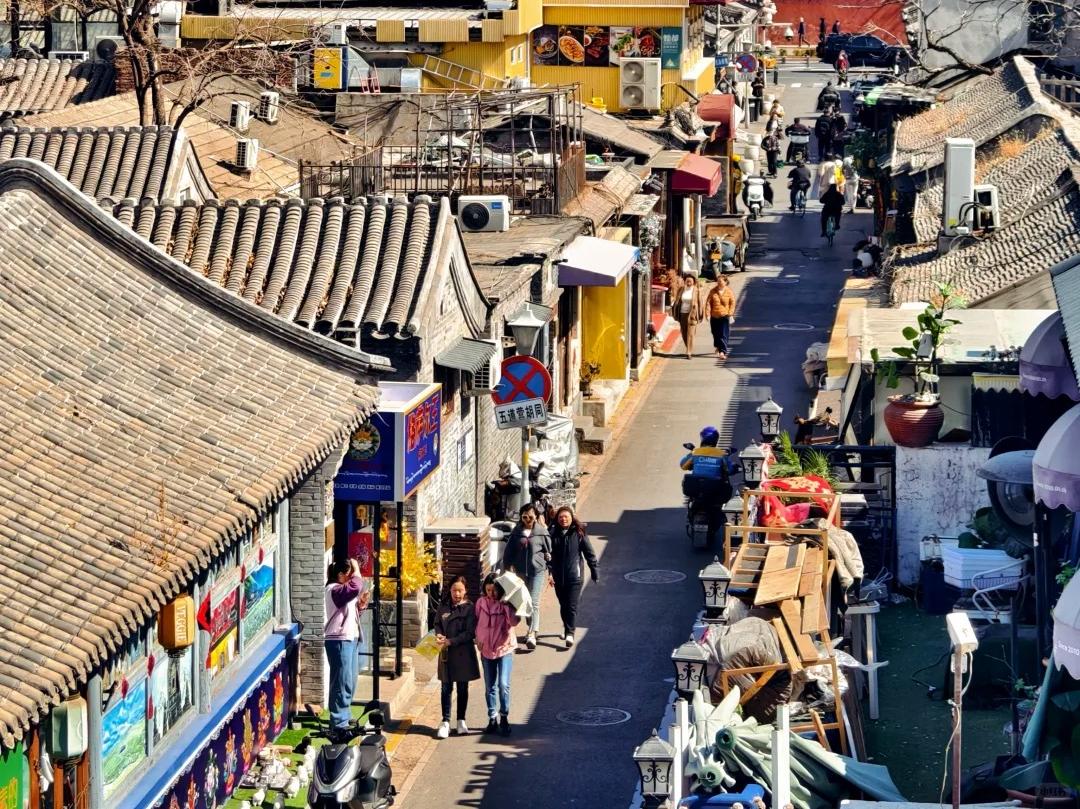
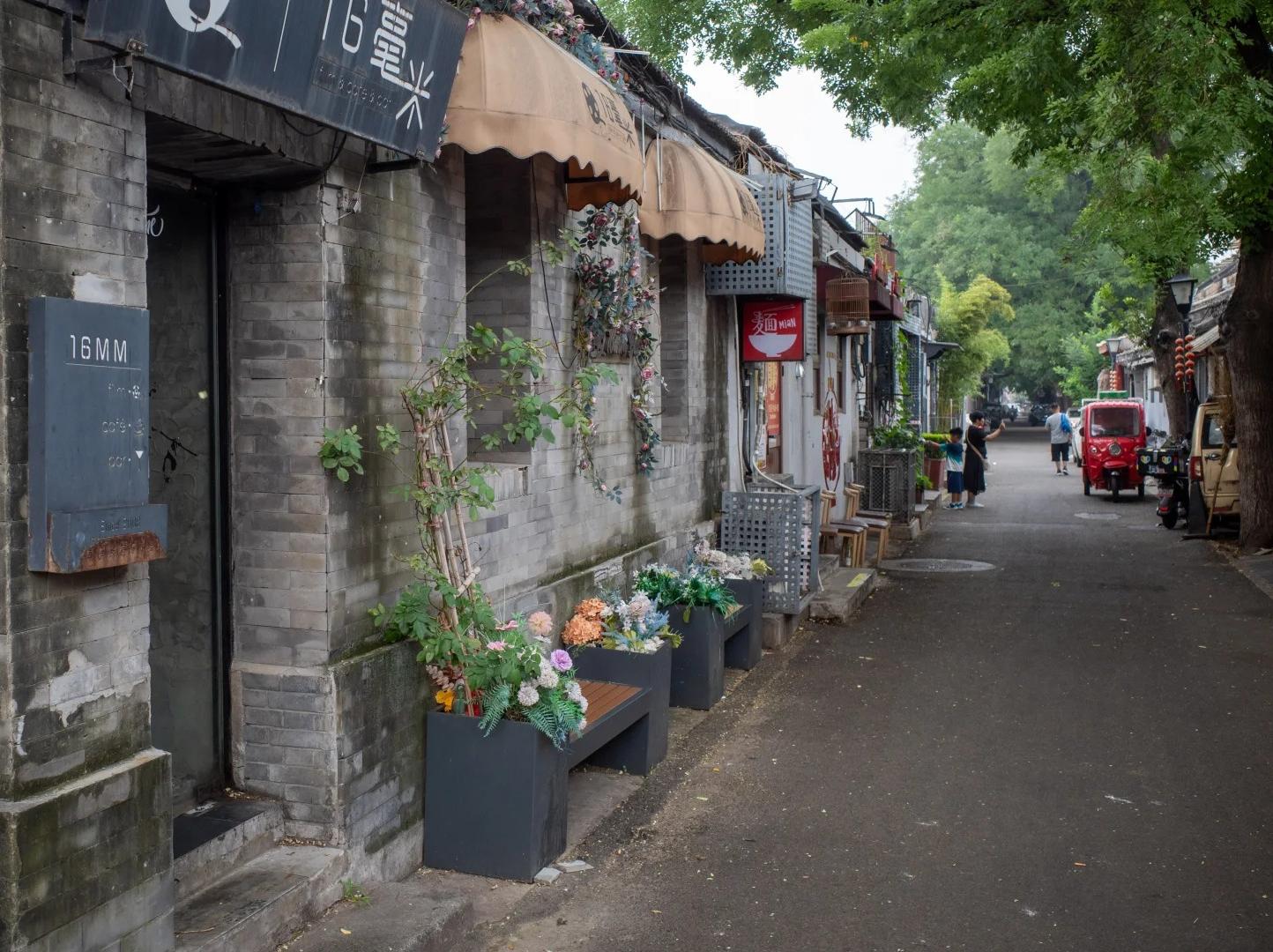
Wudaoying Hutong 五道营胡同
Highlight: A Trendy Hutong Combining History and Modern Lifestyle
Wudaoying Hutong is a quieter and more relaxed alternative to Nanluoguxiang. Located near the famous Lama Temple, this historic lane combines traditional Beijing charm with a modern creative atmosphere.
Unlike some crowded tourist streets, Wudaoying keeps a slower pace. The old brick walls and traditional houses blend naturally with stylish cafes, art spaces, and independent shops.
Things to Experience
- Relax at independent cafes and coffee shops
- Visit small art galleries and design stores
- Discover creative restaurants and international cuisine
- Enjoy a peaceful walk through old Beijing streets
Best For
- Young travelers
- Slow travelers
- Visitors interested in lifestyle and local creativity
Travel Tips: Wudaoying Hutong is a great stop before or after visiting the Lama Temple and Guozijian Street.
Yandaixie Street (Yandai Xiejie) 烟袋斜街
Highlight: One of Beijing's Oldest Commercial Streets
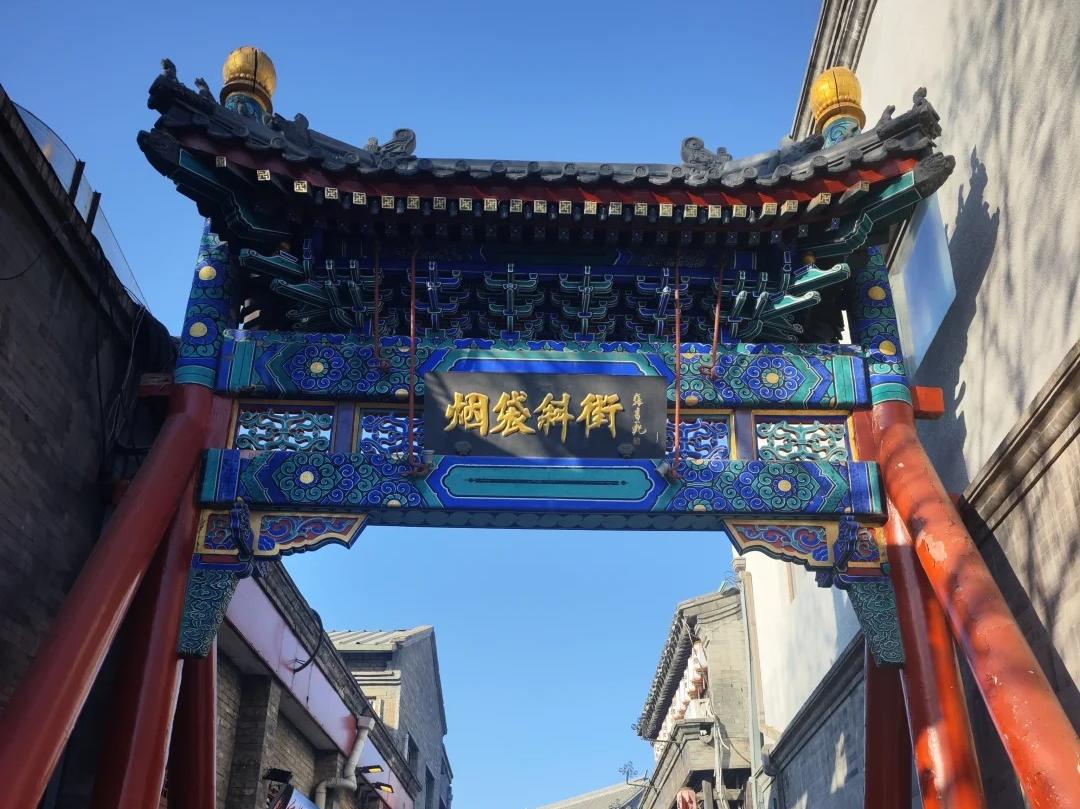
Yandai Xiejie is one of Beijing's most historic commercial streets. Located near Houhai Lake, this unique street is famous for its diagonal layout and traditional marketplace atmosphere.
The street was once an important shopping area for local residents and has preserved much of its old Beijing character. Today, visitors can enjoy traditional snacks, handicrafts, and small shops while exploring the nearby Shichahai area.
Things to Experience
- Shop for traditional handicrafts and souvenirs
- Taste Beijing-style snacks
- Photograph historic shop signs and old buildings
- Walk along the charming streets near Houhai Lake
Nearby Attractions
- Shichahai
- Drum Tower
- Bell Tower
Travel Tips: Combine Yandai Xiejie with Nanluoguxiang and Shichahai for one of the classic Beijing hutong walking routes.
Mao'er Hutong 帽儿胡同
Highlight: An Authentic Residential Hutong Experience
Mao'er Hutong is one of the best places to experience the quieter side of traditional Beijing. Compared with the commercial atmosphere of Nanluoguxiang, Mao'er Hutong remains more residential and peaceful.
The hutong is known for its traditional courtyard houses, historic residences, and authentic neighborhood atmosphere. Walking here feels like stepping into old Beijing.
Things to Discover
- Traditional Siheyuan architecture
- Historic residential buildings
- Local neighborhood life
- Quiet streets away from tourist crowds
Best For
- Travelers searching for hidden gems
- Cultural explorers
- Photography enthusiasts
Travel Tips: Visit slowly and respectfully, as many areas are still home to local residents.
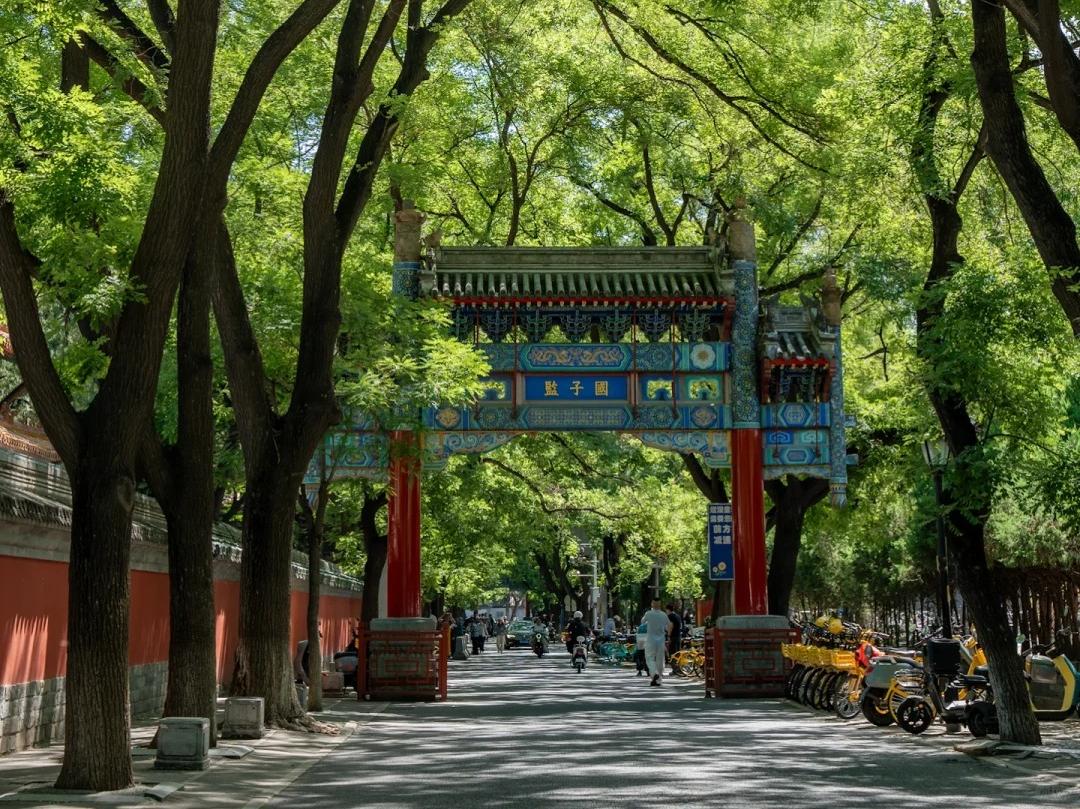
Guozijian Street 国子监街
Highlight: History, Education, and Traditional Culture
Guozijian Street is one of Beijing's most culturally significant historic streets. It was home to the ancient Imperial Academy (Guozijian), the highest educational institution in imperial China.
The street preserves traditional architecture and offers visitors a deeper understanding of Chinese education, Confucian culture, and ancient Beijing society.
Things to Experience
- Learn about traditional Confucian culture
- Visit historic educational buildings
- Admire traditional Chinese architecture
- Explore the peaceful atmosphere of old Beijing
Nearby Attractions
- Lama Temple
- Confucius Temple
Travel Tips: Guozijian Street is ideal for travelers who want a cultural experience beyond sightseeing.
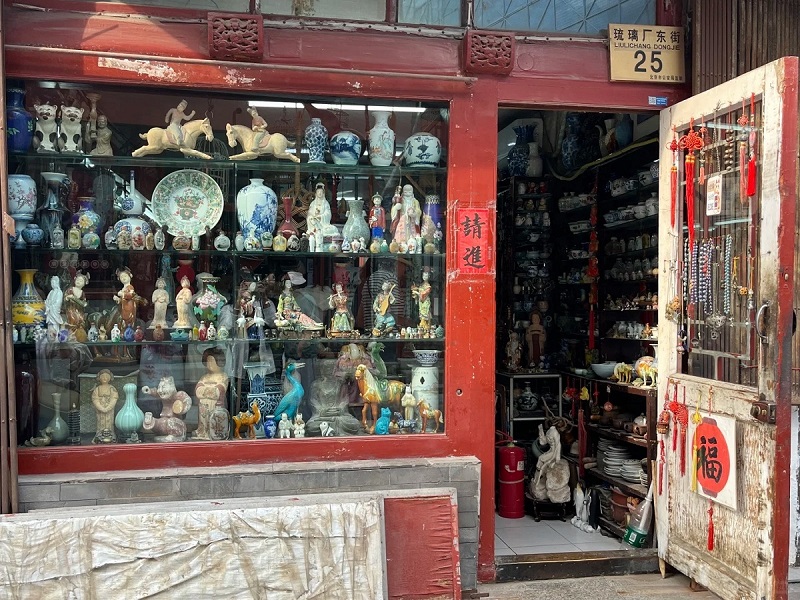
Liulichang Cultural Street 琉璃厂文化街
Highlight: Beijing's Traditional Art and Antique Street
Liulichang Cultural Street is one of Beijing's most famous cultural streets, with a history of several hundred years. During the Qing Dynasty, it became a gathering place for scholars, artists, and collectors.
Today, the street is known for traditional Chinese arts, calligraphy, paintings, and antique shops.
Things to Experience
- Browse Chinese calligraphy and paintings
- Visit traditional art shops
- Discover antique collections
- Learn about Chinese craftsmanship
Best For
- Culture lovers
- Art enthusiasts
- Travelers interested in traditional Chinese heritage
Travel Tips: Liulichang is located near Qianmen and can be combined with Tiananmen Square and Dashilan Street.
Jinyu Hutong 金鱼胡同
Highlight: A Historic Hutong in Modern Downtown Beijing
Jinyu Hutong offers a unique contrast between old Beijing history and modern city life. Located near Wangfujing, one of Beijing's busiest shopping areas, this historic lane provides easy access to both cultural attractions and modern entertainment.
Things to Experience
- Discover historic buildings and traditional architecture
- Explore nearby royal-related sites
- Enjoy shopping and dining around Wangfujing
Best For
- Travelers staying in central Beijing
- Visitors who want to combine history with convenience
Travel Tips: Jinyu Hutong is a good choice for visitors with limited time who want to experience Beijing's history without traveling far from downtown.
Dongjiaomin Lane 东交民巷
Highlight: Beijing's Former Diplomatic Quarter
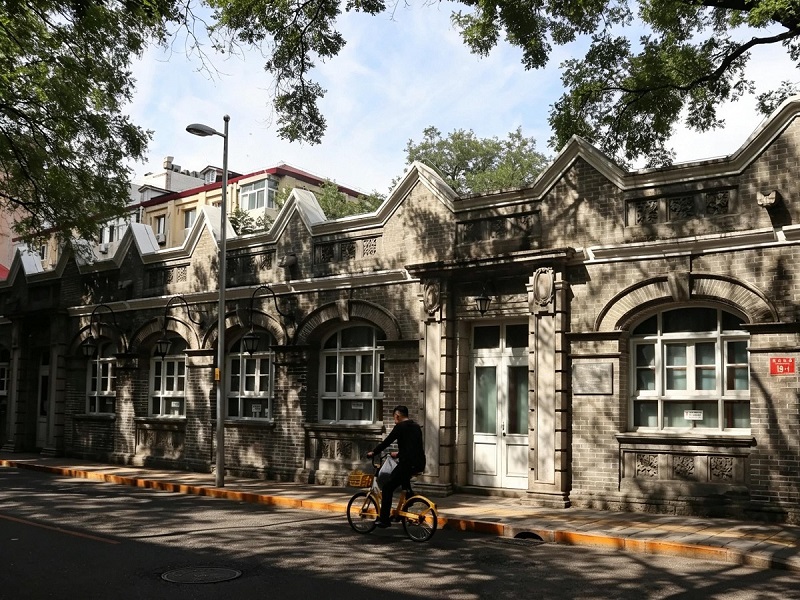
Dongjiaomin Lane is one of Beijing's most unique historic streets. It was once the city's diplomatic area during the late Qing Dynasty and was home to many foreign embassies.
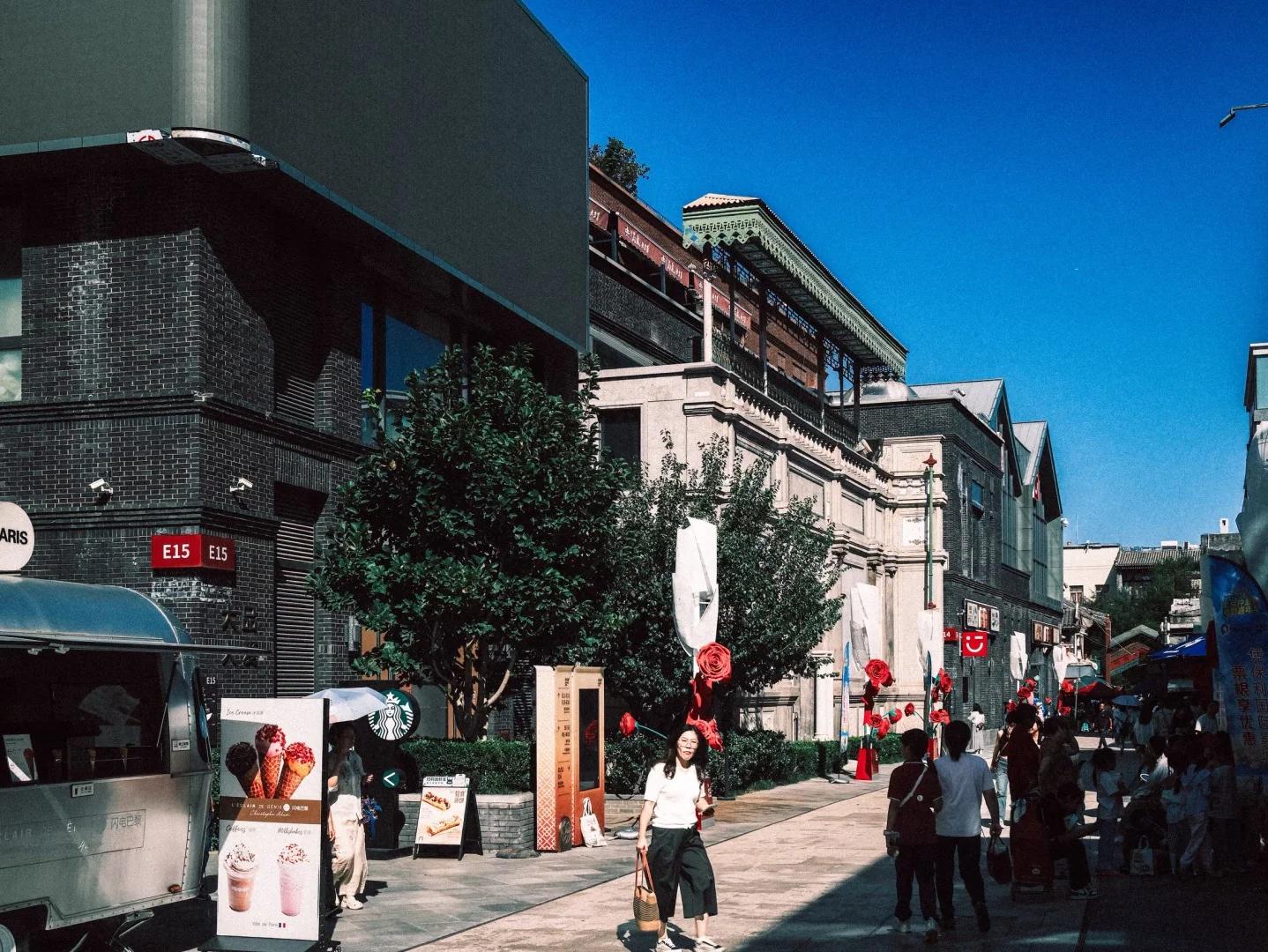
Unlike traditional residential hutongs, Dongjiaomin Lane features a mixture of Chinese and Western architectural styles, making it a fascinating place for history and architecture lovers.
Things to Experience
- Admire European-style historic buildings
- Learn about modern Chinese history
- Explore the unique architectural combination
Best For
- History lovers
- Architecture photographers
Travel Tips: Dongjiaomin Lane is close to Tiananmen Square and is a great addition to a Beijing city center walking tour.
Xijiaomin Lane 西交民巷
Highlight: A Hidden Historical Street Near Tiananmen Square
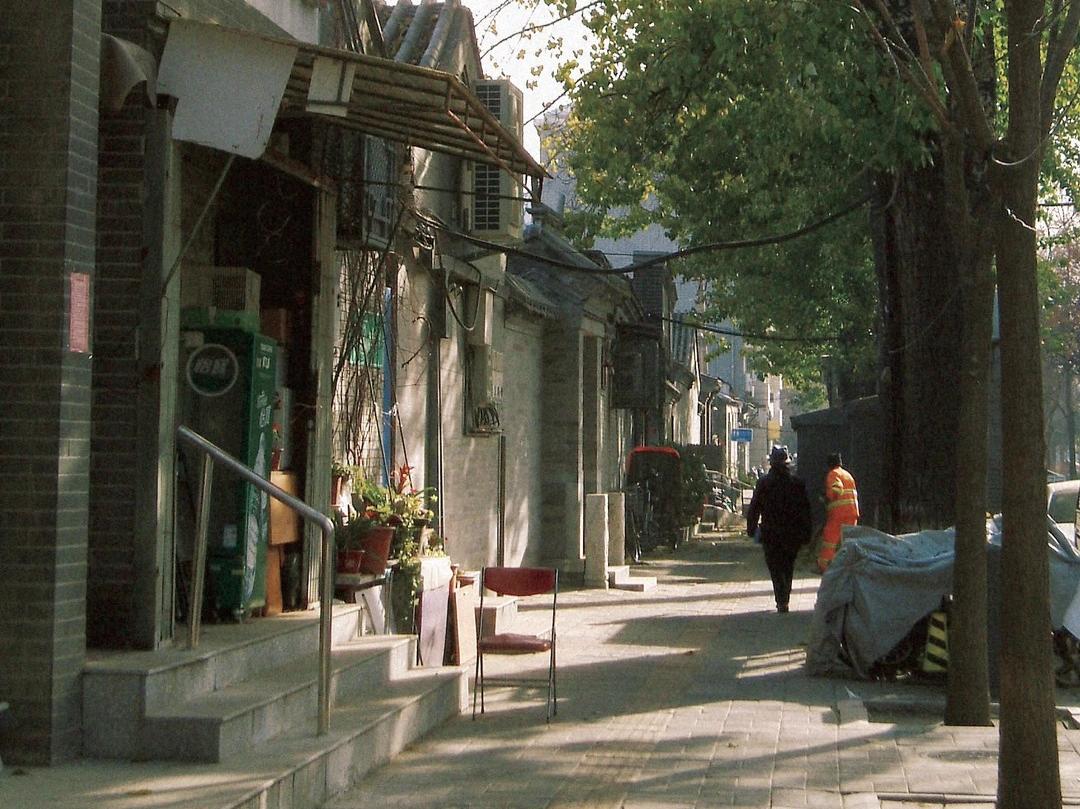
Xijiaomin Lane is one of Beijing's oldest streets and is often overlooked by tourists. It has played an important role in Beijing's financial and political history.
Compared with more popular hutongs, Xijiaomin Lane offers a quieter walking experience with fewer crowds.
Things to Experience
- Explore historic bank buildings
- Discover old landmarks
- Enjoy a peaceful historic walk
Nearby Attractions
- Tiananmen Square
- Qianmen Street
Travel Tips: This street is perfect for travelers who want to discover lesser-known historical areas of Beijing.
Ju'er Hutong 菊儿胡同
Highlight: Traditional Hutong with Modern Architectural Innovation
Ju'er Hutong is famous for its successful hutong renovation project, which shows how traditional Beijing neighborhoods can adapt to modern life.
The area combines classic courtyard-style design with improved living spaces, creating a balance between heritage preservation and modern comfort.
Things to Experience
- Observe innovative residential design
- Experience a local neighborhood atmosphere
- Learn about Beijing's hutong preservation efforts
Best For
- Architecture lovers
- Travelers interested in urban development
Bada Hutong 八大胡同
Highlight: A Historic and Legendary Hutong Area
Bada Hutong is one of Beijing's most famous historic areas near Qianmen. During the late Qing Dynasty, it was known as an entertainment district and became part of many old Beijing stories.
Today, the area is valued mainly for its cultural and historical significance, with traditional buildings and streets that reflect the city's past.
Things to Experience
- Discover stories from old Beijing
- Explore traditional street layouts
- Appreciate historic architecture
Travel Tips: Focus on the area's history and cultural background rather than nightlife. It is best visited as part of a historical walking tour around Qianmen and Dashilan.
Best Beijing Hutong Routes for Travelers
Beijing's hutongs are spread across different parts of the city, and each area offers a different cultural experience. Instead of visiting only one street, travelers can follow carefully designed walking routes to discover traditional architecture, local life, historic landmarks, and hidden stories of old Beijing.
Route 1: Classic Beijing Hutong Walking Route
Nanluoguxiang → Mao'er Hutong → Yandaixie Street → Shichahai
Best For:
- First-time visitors to Beijing
- Travelers who want a classic hutong experience
- Half-day walking tours
This is one of the most popular hutong routes in Beijing, combining famous attractions with authentic neighborhood scenery. Starting from Nanluoguxiang, visitors can explore a lively historic street filled with traditional buildings, boutique shops, and local restaurants.
Continue to Mao'er Hutong for a quieter and more traditional atmosphere. Unlike the busy Nanluoguxiang, Mao'er Hutong allows visitors to see the residential side of Beijing, with old courtyard houses and peaceful alleyways.
The route then leads to Yandaixie Street, a historic shopping street near Shichahai. Here, travelers can enjoy traditional snacks, browse local handicrafts, and experience the atmosphere of old Beijing markets.
Finally, end the walk at Shichahai, a beautiful lake area surrounded by historic streets, cafes, and traditional neighborhoods.
Highlights:
- Traditional hutong streets and courtyard houses
- Local snacks and small shops
- Historic architecture
- Beautiful lakeside scenery at Shichahai
Suggested Duration: 3–4 hours
Travel Tips: Visit in the late afternoon to enjoy both daytime street views and the evening atmosphere around Shichahai.
Route 2: Culture & History Route
Guozijian Street → Lama Temple → Wudaoying Hutong
Best For:
- History lovers
- Culture enthusiasts
- Travelers interested in traditional Chinese philosophy
This route focuses on Beijing's cultural heritage and offers a deeper understanding of China's history, education, and religious traditions.
Start at Guozijian Street, home to the ancient Imperial Academy, where scholars studied during imperial times. The quiet street preserves traditional architecture and provides insight into Confucian culture and China's education system.
Next, visit the nearby Lama Temple, one of Beijing's most famous Tibetan Buddhist temples. The beautiful architecture, colorful decorations, and peaceful atmosphere make it one of the city's most impressive cultural sites.
Finish your journey at Wudaoying Hutong, where old Beijing meets modern creativity. The street combines traditional houses with stylish cafes, art spaces, and independent shops, creating a unique cultural atmosphere.
Highlights:
- Confucian culture and ancient education history
- Traditional temple architecture
- Creative hutong lifestyle
- A mix of old and new Beijing
Suggested Duration: Half day
Travel Tips: This route is ideal for travelers who want more than sightseeing and hope to understand Beijing's cultural background.
Route 3: Hidden Historic Beijing Route
Dongjiaomin Lane → Xijiaomin Lane → Liulichang Cultural Street
Best For:
- Returning visitors
- Architecture enthusiasts
- Travelers interested in modern Chinese history
This route explores a lesser-known side of Beijing, focusing on historic buildings, political history, and traditional arts.
Begin at Dongjiaomin Lane, once Beijing's former diplomatic quarter. Unlike typical residential hutongs, this street features a unique combination of Chinese and Western architectural styles, reflecting the city's international history.
Continue to Xijiaomin Lane, a historic street connected with Beijing's financial development. The quieter atmosphere and old buildings make it a great place for travelers who want to avoid crowded tourist areas.
End at Liulichang Cultural Street, one of Beijing's most famous cultural streets. Visitors can explore traditional Chinese calligraphy, paintings, antiques, and handicrafts while learning about Beijing's artistic heritage.
Highlights:
- Historic European-style buildings
- Old Beijing financial history
- Traditional Chinese arts and crafts
- Fewer crowds and hidden cultural sites
Suggested Duration: Half day to full day
Travel Tips: This route can be combined with Qianmen Street, Dashilan, and Tiananmen Square for a complete historic Beijing experience.
Experience Beijing Hutongs with a Local Guide
Exploring Beijing's hutongs is not just about visiting old streets — it is about discovering the stories, traditions, and everyday life hidden behind the city's historic walls. To help travelers experience the most authentic side of Beijing, we have carefully designed private hutong tours that combine classic routes with hidden cultural gems.
Our hutong experiences take you beyond crowded tourist spots, leading you through traditional neighborhoods, ancient courtyard houses, local food streets, and historic alleys with the insights of a knowledgeable local guide. Whether you want to explore the famous Nanluoguxiang area, discover the quiet charm of Mao'er Hutong, or uncover the history of Dongjiaomin Lane and Liulichang, our customized routes allow you to experience Beijing like a local.
From walking through centuries-old lanes to tasting authentic Beijing snacks and learning the stories behind traditional architecture, our private hutong tours offer a deeper connection with the city's past and present. Choose a route that matches your interests and let us create a memorable Beijing cultural journey for you.
How to Experience Beijing Hutongs Like a Local
Visiting Beijing hutongs is not only about seeing old buildings — it is about slowing down and experiencing the daily rhythm of local life. To truly appreciate hutong culture, travelers should explore these neighborhoods at a relaxed pace.
Walk Slowly Instead of Rushing
Hutongs are best experienced on foot. Unlike major tourist attractions where visitors move quickly between famous spots, hutongs are about small details and everyday moments.
Take time to notice:
- Traditional courtyard gates
- Old brick walls and street signs
- Local residents chatting in the neighborhood
- Small shops and hidden cafes
A slow walk allows visitors to discover the authentic atmosphere of old Beijing.
Try Local Foods
Food is an important part of Beijing's hutong culture. Many traditional snacks can be found in small restaurants and local shops hidden inside old neighborhoods.
Recommended foods include:
Zhajiangmian (炸酱面): A classic Beijing noodle dish made with noodles, soybean paste sauce, and fresh vegetables. It is one of the most representative foods of Beijing.
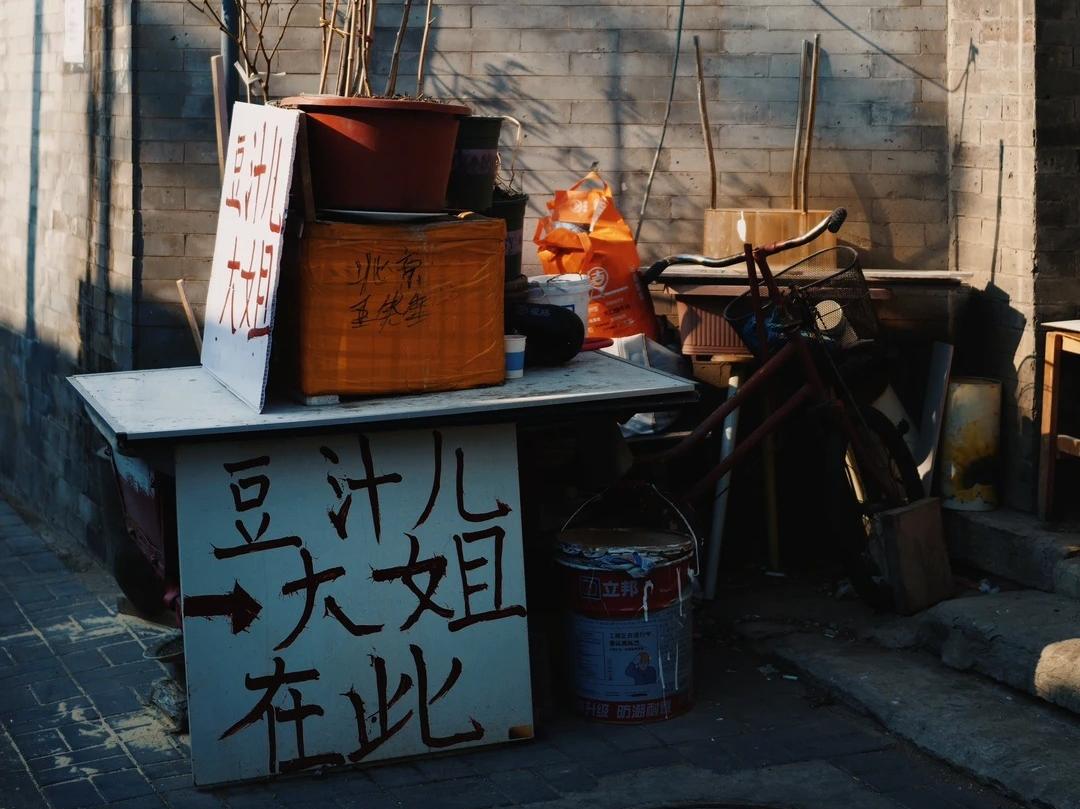
Douzhi (豆汁): A traditional Beijing fermented drink with a unique flavor. It has a long history and is often enjoyed with jiaoquan (焦圈), a crispy fried snack.
Tanghulu (糖葫芦): A popular street snack made with fruit coated in hardened sugar. It is especially common during winter and is loved for its sweet and crunchy taste.
Travel Tip: Try local food from small neighborhood restaurants instead of only famous tourist restaurants for a more authentic experience.
Visit in the Morning
Morning is one of the best times to experience the real atmosphere of Beijing hutongs.
Early in the day, visitors can see:
- Local residents starting their daily routines
- Traditional markets selling fresh food
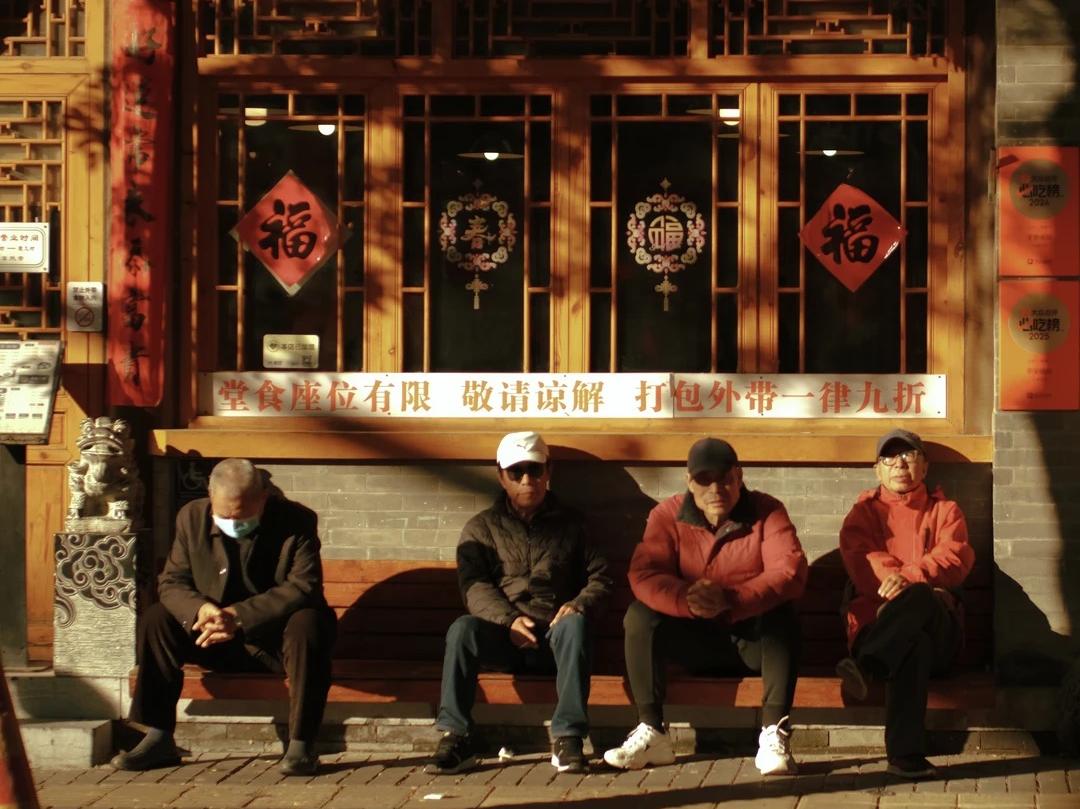
- Elderly neighbors chatting outside their homes
- Quiet streets with fewer tourists
The peaceful morning atmosphere offers a more authentic view of Beijing neighborhood life.
Take a Hutong Rickshaw Ride
A traditional rickshaw ride is a popular way to explore Beijing hutongs, especially for first-time visitors.
Sitting in a rickshaw allows travelers to enjoy the narrow lanes comfortably while learning about local history and stories from a guide.
A good rickshaw experience usually includes:
- Passing through traditional alleyways
- Viewing old courtyard houses
- Learning about hutong history and local customs
- Discovering hidden corners that are easy to miss on foot
Best For:
- Families
- Senior travelers
- Visitors with limited walking time
Travel Tips: Choose a licensed rickshaw service and combine the ride with a walking tour to experience both the scenery and local culture.
Beijing Hutong Tour Tips
How Long Do You Need for a Beijing Hutong Tour?
A short hutong walk takes around 2–3 hours and is suitable for travelers with limited time. Popular areas like Nanluoguxiang, Yandaixie Street, and Wudaoying Hutong are great choices for a quick cultural experience.
A half-day tour allows you to explore multiple hutongs at a relaxed pace. You can visit historic alleys, traditional courtyard houses, local shops, and nearby attractions like Shichahai or Lama Temple.
A full-day hutong tour is ideal for travelers who want a deeper cultural experience. It can include historic neighborhoods, traditional architecture, local food, and hidden gems of old Beijing.
What to Bring for a Beijing Hutong Tour
Wear comfortable walking shoes because most hutongs are explored on foot and some historic lanes have uneven surfaces.
Bring a camera or smartphone to capture traditional gates, old buildings, and local street scenes. Morning and late afternoon usually offer the best lighting for photography.
Prepare Alipay or WeChat Pay, as digital payment is widely used in Beijing's shops, cafes, and restaurants.
Respect Local Residents
Remember that many hutongs are still active residential neighborhoods, so keep your voice low and respect the local atmosphere.
Avoid entering private courtyard houses unless you have permission. Most traditional homes are still used by local residents.
Ask before photographing local people or private spaces. A polite approach helps create a more respectful cultural experience.
Frequently Asked Questions (FAQ)
What Is the Best Hutong in Beijing?
Nanluoguxiang is the most famous hutong and a great choice for first-time visitors. For a quieter experience, Mao'er Hutong and Wudaoying Hutong offer a more authentic atmosphere.
Are Beijing Hutongs Worth Visiting?
Yes, hutongs are one of the best ways to experience traditional Beijing life. They showcase historic architecture, local neighborhoods, and cultural traditions beyond the city's famous landmarks.
What Is the Most Authentic Hutong in Beijing?
Mao'er Hutong, Ju'er Hutong, and Dongjiaomin Lane are excellent choices for travelers seeking authentic experiences. Each area preserves different aspects of Beijing's history, architecture, and local lifestyle.
How Do I Visit Beijing Hutongs?
You can explore hutongs by walking, cycling, or joining a guided tour. A local guide can help you discover hidden stories, traditional buildings, and cultural details that are easy to miss.
What Is the Best Time to Visit Beijing Hutongs?
Spring and autumn are the best seasons for hutong tours because the weather is comfortable for walking. Early mornings and late afternoons are also ideal for fewer crowds and better photos.
Can I Visit Beijing Hutongs Without a Guide?
Yes, many hutongs are easy to explore independently. However, a guided tour provides deeper historical knowledge and access to hidden cultural spots.
How Much Time Should I Spend in Beijing Hutongs?
Most visitors can enjoy a hutong experience in 2–4 hours. Travelers interested in history, photography, or local culture may prefer a half-day or full-day tour.