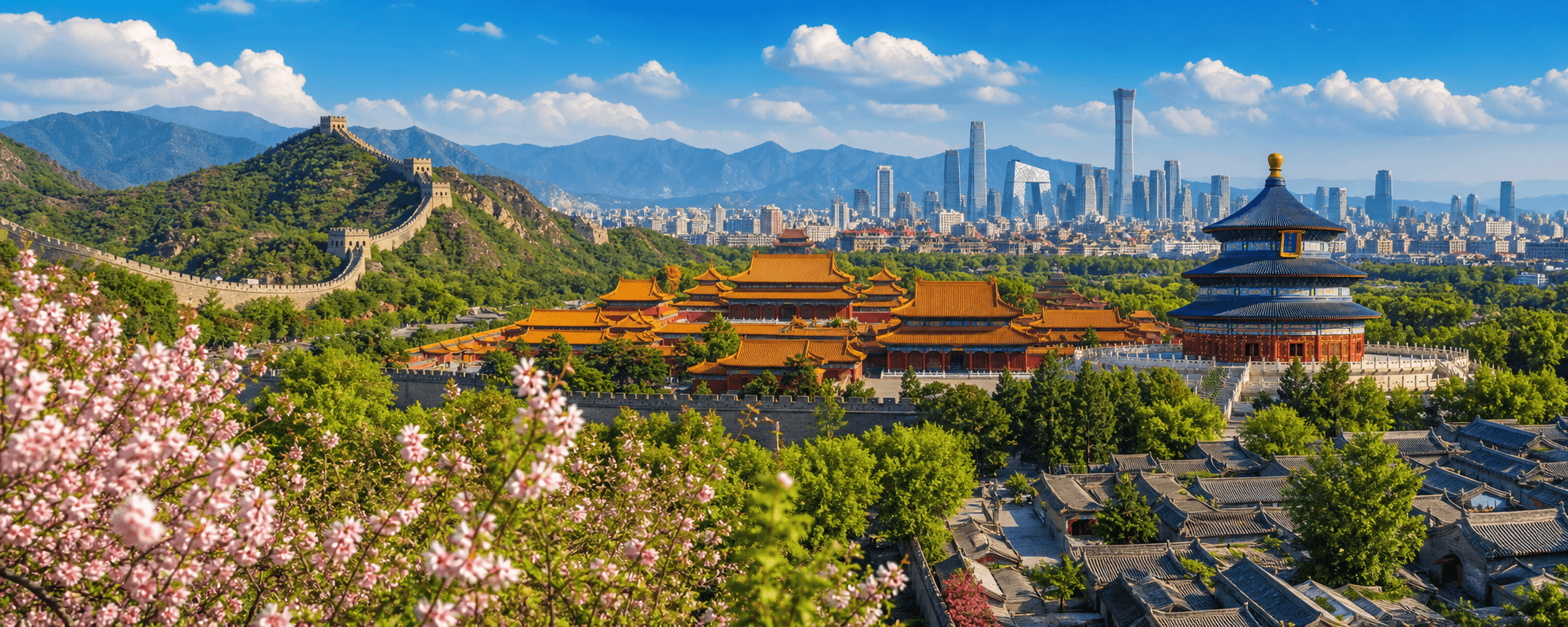
Located in the heart of Beijing, the Temple of Heaven Beijing is one of the city's most iconic cultural landmarks and a must-visit attraction for travelers interested in Chinese history, architecture, and traditional culture. Built during the Ming Dynasty, this magnificent imperial complex was once the place where emperors performed solemn ceremonies to pray for good harvests and communicate with heaven.
Covering an area nearly four times larger than the Forbidden City, the Temple of Heaven combines stunning ancient architecture, peaceful gardens, and fascinating cultural traditions. Unlike many historical sites that focus only on grand buildings, the Temple of Heaven offers visitors a chance to experience local Beijing life, especially in the early morning when residents gather here for tai chi, dancing, singing, and other activities.
Recognized as a UNESCO World Heritage Site in 1998, the Temple of Heaven remains one of the best places to understand ancient Chinese beliefs about harmony between humans and nature. Whether you are visiting Beijing for the first time or looking for unique cultural experiences beyond the typical sightseeing routes, this historic site is among the best things to do in Beijing.
Why Visit the Temple of Heaven Beijing?
Explore Ancient Chinese Imperial Ritual Culture
The Temple of Heaven provides a unique opportunity to discover the spiritual world of ancient Chinese emperors. During the Ming and Qing dynasties, emperors were considered the “Sons of Heaven” and performed important ceremonies here to pray for good weather, abundant harvests, and prosperity for the country.
The layout, architecture, and decorations of the temple reflect traditional Chinese concepts of the universe. The circular shapes represent heaven, while the square designs symbolize the earth, expressing the ancient belief in harmony between humans and nature.
Walking through the temple grounds allows visitors to experience more than just beautiful architecture — it offers a deeper understanding of China's traditional philosophy, religion, and imperial culture.
Admire the Iconic Hall of Prayer for Good Harvests
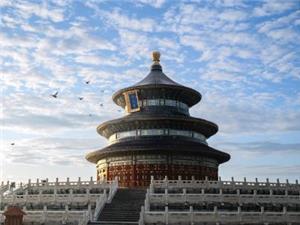
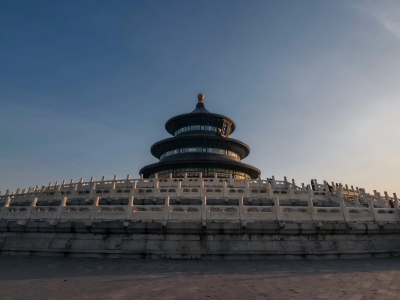
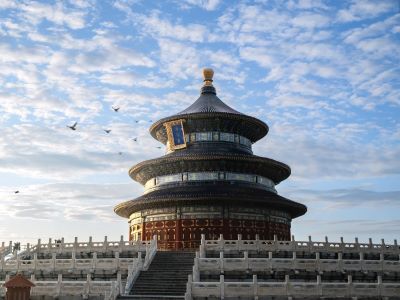
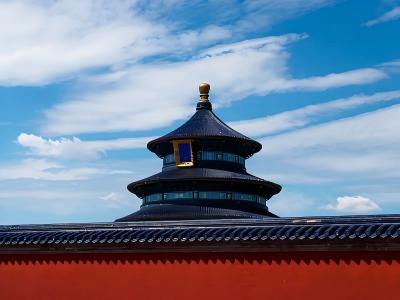
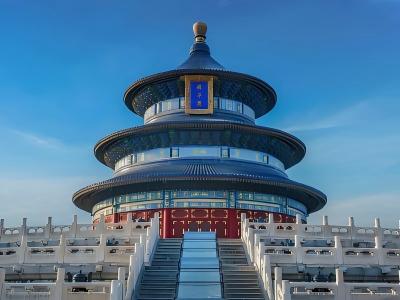
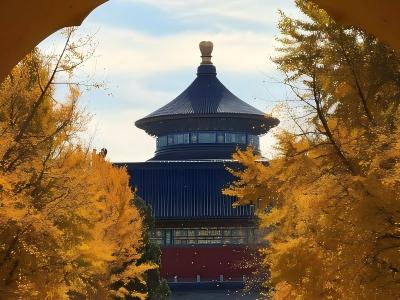
The Hall of Prayer for Good Harvests (祈年殿) is the most recognizable symbol of the Temple of Heaven and one of Beijing's most photographed landmarks. This stunning circular wooden building features three levels of blue glazed tile roofs, representing the connection between heaven and earth.
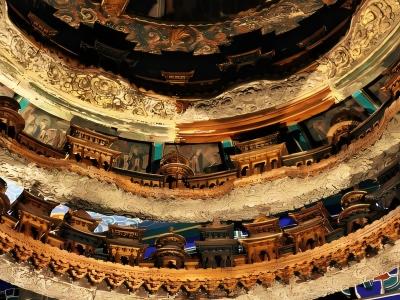
Built entirely with traditional Chinese construction techniques, the hall was designed without using nails. Its impressive wooden structure, colorful decorations, and perfect symmetry demonstrate the high level of craftsmanship achieved by ancient Chinese architects.
Visitors can admire the elegant design from different angles, learn about the symbolic meanings behind its colors and shapes, and capture memorable photos of one of Beijing's most famous cultural icons.
Experience Authentic Local Beijing Life
Beyond its historical significance, the Temple of Heaven is also one of the favorite gathering places for local residents. Visiting in the early morning offers a different side of Beijing that many tourists miss.
You may see elderly locals practicing tai chi, playing traditional instruments, singing, dancing, or playing chess under the ancient trees. These everyday activities create a lively and welcoming atmosphere that connects the city's past with modern life.
For travelers looking for authentic experiences and fun things to do in Beijing, spending a morning at the Temple of Heaven is a great way to observe local traditions and experience Beijing like a resident.
Discover the History of the Temple of Heaven
The Temple of Heaven was originally built in 1420 during the reign of the Yongle Emperor of the Ming Dynasty, the same period when the Forbidden City was constructed. It was created as a sacred place where emperors could hold ceremonies to worship heaven and pray for favorable weather and successful harvests.
During the Ming and Qing dynasties, the temple played an important role in imperial rituals. Each year, the emperor would personally visit the Circular Mound Altar to perform ceremonies, especially the important Winter Solstice ritual. These ceremonies reflected the ancient belief that the emperor ruled with the approval of heaven.
After the fall of the Qing Dynasty in 1912, the Temple of Heaven was opened to the public and gradually became a popular cultural park. Today, it is not only a historic monument but also an important part of Beijing's daily life.
In 1998, the Temple of Heaven was added to the UNESCO World Heritage List for its outstanding architectural design and cultural significance. It remains one of the best-preserved examples of ancient Chinese ceremonial architecture and a highlight of any Beijing travel itinerary.
Top Attractions Inside the Temple of Heaven Beijing
The Temple of Heaven complex includes several important buildings and areas, each with its own historical meaning. To fully appreciate the site, visitors should explore more than just the famous Hall of Prayer for Good Harvests.
Hall of Prayer for Good Harvests (祈年殿)
The Hall of Prayer for Good Harvests is the centerpiece of the Temple of Heaven and the building most visitors come to see. Originally built for imperial ceremonies praying for agricultural success, it is famous for its circular design, three-tiered roof, and deep blue colors symbolizing the sky.
Inside the hall, visitors can see the impressive wooden columns and learn about their symbolic meanings. The four central columns represent the four seasons, while the surrounding columns represent months and traditional time divisions.
Highlights:
- Most iconic photo spot in Temple of Heaven
- Unique circular Ming-style architecture
- Symbol of ancient Chinese beliefs about heaven and nature
Circular Mound Altar (圜丘坛)
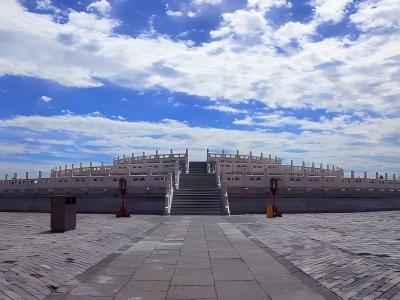
Located in the southern part of the complex, the Circular Mound Altar was the most important ceremonial area where emperors worshipped heaven. Unlike the colorful Hall of Prayer for Good Harvests, this open-air stone platform features a simple but powerful design.
The altar is built with three circular levels, representing the ancient Chinese concept of heaven being round. At the center of the top platform is the Heart of Heaven Stone (天心石), where visitors can experience a unique echo effect when standing in the middle.
Highlights:
- Main site for imperial heaven-worship ceremonies
- Beautiful example of symbolic Chinese architecture
- Famous acoustic experience
Imperial Vault of Heaven (皇穹宇)
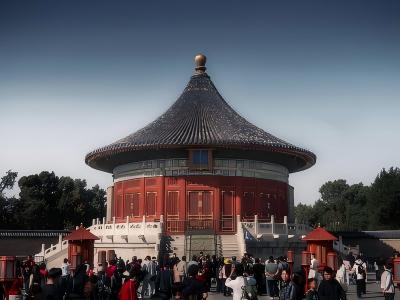
The Imperial Vault of Heaven was used to store ceremonial tablets of gods before important rituals. This elegant circular building is smaller than the Hall of Prayer for Good Harvests but equally impressive.
The area is especially famous for the Echo Wall, where sounds can travel clearly along the curved wall due to its special architectural design. Visitors can also explore the Three Echo Stones, another interesting example of ancient Chinese acoustic engineering.
Highlights:
- Experience the famous Echo Wall
- Discover ancient architectural science
- Great stop between major attractions
The Long Corridor and Ancient Cypress Trees
The Long Corridor is one of the most relaxing areas inside the Temple of Heaven. Unlike the formal ceremonial buildings, this open walkway is where locals gather, chat, play games, and enjoy their daily activities.
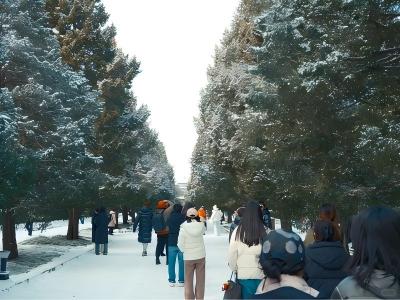
The temple grounds are also home to hundreds of ancient cypress trees, some of which are several hundred years old. Walking among these trees provides a peaceful escape from Beijing's busy city streets.
Highlights:
- Best place to observe local life
- Peaceful walking route
- Excellent for relaxing and photography
Top Things to Do at Temple of Heaven Beijing
The Temple of Heaven is more than a historic landmark — it is also a place where visitors can experience traditional culture, local lifestyles, and unique activities. For travelers searching for fun things to do in Beijing, a visit to the Temple of Heaven offers a relaxing and authentic way to connect with the city.
Watch Morning Activities with Local Residents
One of the best experiences at the Temple of Heaven is arriving early in the morning to see how local Beijing residents enjoy their daily routines. The park becomes a lively community space where people practice tai chi, play traditional instruments, sing, dance, and socialize under the ancient trees.
Watching these activities provides a glimpse into everyday Chinese life and creates a more meaningful travel experience beyond ordinary sightseeing.
Best time: Around 7:00–9:00 AM
Best locations: Long Corridor, surrounding gardens, and open plazas
Capture Traditional Chinese Architecture Through Photography
The Temple of Heaven is one of the best photography spots in Beijing, offering countless opportunities to capture traditional Chinese architecture. The blue roofs of the Hall of Prayer for Good Harvests, ancient cypress trees, and symmetrical courtyards create stunning backgrounds in every season.
For a more memorable experience, visitors can also try a traditional Hanfu (汉服) photo session, wearing ancient Chinese-style clothing while exploring the historic surroundings.
Photography tips:
- Visit early morning for fewer crowds
- Use the wide view of the Hall of Prayer for Good Harvests
- Autumn is ideal for photos with golden leaves
Experience Ancient Chinese Architectural Wisdom
The Temple of Heaven is not only beautiful but also showcases remarkable ancient engineering and design. Visitors can explore the Echo Wall, Three Echo Stones, and other architectural features that demonstrate how ancient Chinese builders used mathematics, sound, and symbolism.
These interactive experiences make the temple especially enjoyable for families and travelers interested in history, science, and culture.
Enjoy a Relaxing Walk Through the Imperial Gardens
With its wide pathways, peaceful gardens, and centuries-old trees, the Temple of Heaven offers a refreshing break from Beijing's busy streets. Visitors can slow down, enjoy the scenery, and appreciate the harmony between architecture and nature.
A leisurely walk through the park is especially recommended after visiting crowded attractions like the Forbidden City or Tiananmen Square.

How to Visit Temple of Heaven Beijing
Temple of Heaven Location
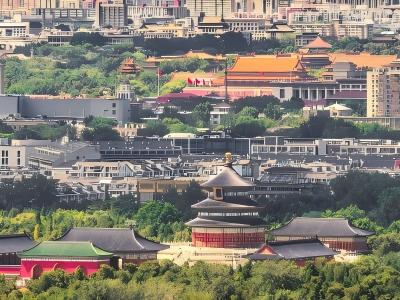
The Temple of Heaven is located in Dongcheng District, southern central Beijing, making it easy to combine with other famous attractions such as Tiananmen Square, the Forbidden City, and Qianmen Street.
Address:
Temple of Heaven Park, Dongcheng District, Beijing, China
The park covers approximately 273 hectares, so visitors should plan enough time to explore the main buildings and walking areas.
Temple of Heaven Opening Hours
Opening hours vary depending on the season and whether you visit the park area or the main scenic spots.
General opening hours:
- Park area: 6:00 AM – 10:00 PM
- Main attractions: Around 8:00 AM – 5:30 PM
The best visiting time is in the morning when the weather is cooler and local activities create a lively atmosphere.
Note: Opening hours may change during holidays or special events. Check the latest information before visiting.
Temple of Heaven Tickets
Visitors need an entrance ticket to enter the Temple of Heaven Park. A combined ticket including the main attractions is recommended because it provides access to the Hall of Prayer for Good Harvests, Circular Mound Altar, and Imperial Vault of Heaven.
For foreign travelers:
- Passport information is usually required for ticket booking
- Advance reservation is recommended, especially during peak travel seasons
- Keep your passport available when entering the attraction
How Long to Spend at Temple of Heaven
Most visitors need around 2–3 hours to explore the Temple of Heaven comfortably.
Suggested visiting time:
- 1–1.5 hours: Quick visit to the main buildings
- 2–3 hours: Complete experience including gardens and cultural areas
- Half day: Relaxed visit with photography and local activities
Experience Temple of Heaven with a Local Guide
While the Temple of Heaven is easy to visit independently, exploring it with a knowledgeable local guide can help you better understand the hidden meanings behind its architecture, imperial rituals, and cultural traditions. A private guide can also share stories that are often missed by self-guided visitors and help you combine the temple with other must-see attractions in Beijing.
For travelers who want a deeper cultural experience, BUER China Travel offers a private Temple of Heaven tour in Beijing, including an English-speaking guide, flexible itinerary, and personalized service. Explore the ancient imperial altar at your own pace and discover the history and stories behind one of Beijing's most iconic landmarks.
Explore our [Temple of Heaven Beijing Private Tour] and enjoy a more insightful journey through China's imperial heritage.
Best Time to Visit Temple of Heaven Beijing
Best Seasons to Visit
Spring (March–May)
Spring offers comfortable temperatures and fresh greenery, making it a pleasant time for walking and photography.
Autumn (September–November)
Autumn is considered the best season to visit Temple of Heaven. The weather is cool, the sky is often clear, and golden leaves create beautiful scenery around the ancient buildings.
Summer (June–August)
Summer can be hot in Beijing, but visiting early in the morning helps avoid the heat and crowds.
Winter (December–February)
Winter brings fewer tourists and a quieter atmosphere. On snowy days, the blue roofs and white surroundings create a unique view.
Best Time of Day to Visit
Early Morning (7:00–9:00 AM) — Most Recommended
- Experience local activities
- Avoid large tour groups
- Enjoy cooler temperatures
Late Afternoon
- Better lighting for photography
- More relaxed atmosphere
Avoid visiting around midday in summer, as the open areas provide limited shade.
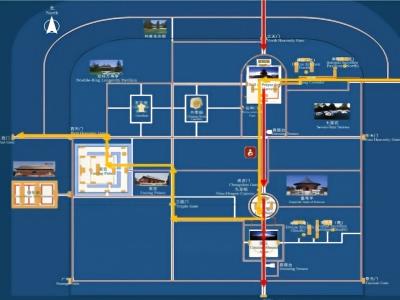
Recommended Visiting Routes
Classic Route (2–3 Hours)
East Gate → Hall of Prayer for Good Harvests → Imperial Vault of Heaven → Echo Wall → Circular Mound Altar → South Gate
Local Experience Route
East Gate → Long Corridor → Local morning activities → Hall of Prayer for Good Harvests → Garden walk
Photography Route
East Gate → Hall of Prayer for Good Harvests → Ancient Cypress Trees → Imperial Vault of Heaven
How to Get to Temple of Heaven Beijing
The Temple of Heaven is located in central Beijing and can be easily reached by subway, taxi, or private transfer. Each transportation option has its own advantages depending on your budget, travel style, and group size.
By Subway (Best for Budget Travelers)
The Beijing subway is the most convenient and affordable way to visit the Temple of Heaven. It is fast, avoids traffic jams, and is easy to use with English signs available at most stations.
How to get there:
- Take Subway Line 5 and get off at Tiantan East Gate Station (天坛东门站)
- Use Exit A or B to reach the East Gate entrance
Advantages:
- Cheapest transportation option
- Avoids Beijing traffic
- Convenient for independent travelers
Best for:
- First-time visitors
- Budget travelers
- Young travelers comfortable using public transportation
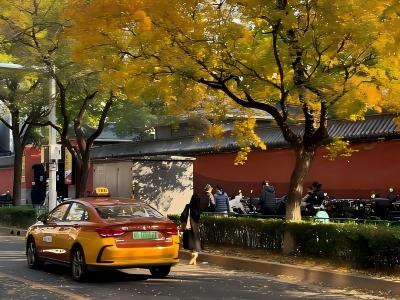
By Taxi or Didi (Best for Convenience)
Taking a taxi or Didi is a more comfortable option, especially if you are traveling with family, carrying luggage, or visiting multiple attractions in one day.
How to get there:
Search for "Temple of Heaven Park (天坛公园)" in Didi or show the Chinese name to the driver
Choose the entrance you want to visit, with East Gate (天坛东门) being the most recommended
Advantages:
- Door-to-door service
- Saves walking time
- More comfortable after a long day of sightseeing
Best for:
- Families with children
- Senior travelers
- Small groups
- Travelers with limited time
By Private Car or Guided Tour (Best for a Hassle-Free Experience)
A private car service or guided tour is the easiest way to explore the Temple of Heaven, especially for international visitors who want a deeper cultural experience.
How it works:
- A private driver or guide picks you up from your hotel
- Transportation, attraction visits, and itinerary planning can be arranged according to your schedule
Advantages:
- No need to navigate Beijing's transportation system
- Flexible itinerary
- Local guide can explain the history and cultural meaning behind the attractions
Best for:
- Travelers visiting Beijing for the first time
- Families and private groups
- Visitors who want a more personalized experience
Nearby Attractions & Things to Do
Thanks to its central location, the Temple of Heaven can be easily combined with several popular Beijing attractions. After exploring the imperial architecture and peaceful gardens, visitors can continue discovering Beijing's history, food, and local culture nearby.
Qianmen Street (前门大街)
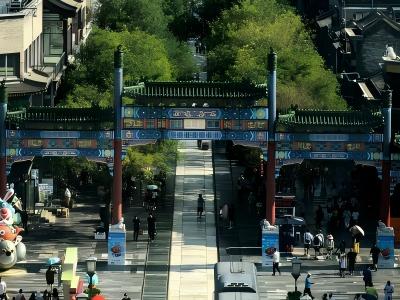
Located south of Tiananmen Square, Qianmen Street is one of the most famous historic commercial streets in Beijing. With traditional-style buildings, old shops, and local restaurants, it offers a great introduction to old Beijing culture.
Things to do:
- Explore traditional stores and historic brands
- Try classic Beijing snacks
- Experience the atmosphere of an old Beijing neighborhood
Recommended for:
Travelers interested in local culture, shopping, and food experiences.
Tiananmen Square (天安门广场)
Tiananmen Square is one of the most recognizable landmarks in China and an important symbol of Beijing. The vast square is surrounded by major historical buildings and is often included in first-time Beijing itineraries.
Things to do:
Visit the Monument to the People's Heroes
See the National Museum of China
Combine with a visit to the Forbidden City
Recommended for:
First-time visitors who want to understand China's modern and historical significance.
Forbidden City (故宫)
The Forbidden City was the former imperial palace of China's Ming and Qing emperors and is one of the world's most famous historical sites. Together with the Temple of Heaven, it forms a perfect route to explore Beijing's imperial heritage.
Things to do:
- Explore magnificent palace halls and courtyards
- Learn about China's royal history
- Admire traditional Chinese architecture
Recommended combination:
Morning: Forbidden City → Afternoon: Temple of Heaven
or
Morning: Temple of Heaven → Afternoon: Forbidden City
Visiting Tips for Foreign Travelers
Book Tickets in Advance
The Temple of Heaven requires real-name ticket reservations, and foreign visitors may need to provide passport information when booking. Reserve tickets ahead of time, especially during weekends and holidays, to avoid waiting and ensure smooth entry.
Visit Early in the Morning
Morning is the best time to visit the Temple of Heaven, as you can enjoy fewer crowds, cooler weather, and experience local residents practicing tai chi, dancing, and other activities in the park.
Wear Comfortable Shoes
The Temple of Heaven covers a large area, and exploring the main buildings requires a lot of walking. Comfortable shoes are highly recommended for a more relaxed sightseeing experience.
Follow a Recommended Route
The main attractions are spread across the park, so following a planned route can help you save time. The classic route includes the Hall of Prayer for Good Harvests, Imperial Vault of Heaven, and Circular Mound Altar.
Allow Enough Time for Your Visit
Most visitors need around 2–3 hours to fully explore the Temple of Heaven, including the historic buildings, gardens, and photography spots. Avoid rushing to enjoy the cultural atmosphere.
Prepare Mobile Payment Apps
Mobile payment is widely used in Beijing, and setting up Alipay or WeChat Pay before your trip will make transportation, shopping, and dining much easier. Keeping some cash as a backup is also recommended.
Check the Weather Before Visiting
Since most of the visit takes place outdoors, checking the weather forecast helps you choose the best time and prepare suitable clothing. Spring and autumn usually offer the most comfortable conditions.
Bring Your Passport
Foreign travelers should carry their passport when visiting the Temple of Heaven, as it may be required for ticket verification or identity checks at the entrance.
Combine with Nearby Attractions
The Temple of Heaven is close to many famous Beijing attractions, including the Forbidden City, Tiananmen Square, and Qianmen Street. Combining these sites in one itinerary allows you to experience more of Beijing's history and culture.
Consider a Guided Tour
A local guide can help you understand the historical background, architectural symbolism, and imperial rituals behind the Temple of Heaven. A private tour is a good option for travelers who want a deeper cultural experience and a more convenient itinerary.
Frequently Asked Questions
Is the Temple of Heaven worth visiting?
Yes, the Temple of Heaven is one of the best places to visit in Beijing, especially for travelers interested in Chinese history, traditional architecture, and local culture. Its unique design, imperial history, and peaceful atmosphere make it a must-see attraction beyond the Forbidden City.
How long do you need to visit the Temple of Heaven?
Most visitors need around 2–3 hours to explore the main attractions, including the Hall of Prayer for Good Harvests, Imperial Vault of Heaven, and Circular Mound Altar. If you want to enjoy the gardens, photography, and local activities, you can spend half a day here.
What is the best time to visit the Temple of Heaven?
The best time to visit is in the early morning, especially between 7:00 AM and 9:00 AM, when the park is less crowded and you can see local residents practicing tai chi and other activities. Spring and autumn offer the most comfortable weather for walking.
What are the must-see attractions at the Temple of Heaven?
The top attractions include the Hall of Prayer for Good Harvests, Circular Mound Altar, and Imperial Vault of Heaven. Visitors should also explore the Echo Wall, Three Echo Stones, and the peaceful gardens filled with ancient cypress trees.
Can foreigners visit the Temple of Heaven?
Yes, international visitors can visit the Temple of Heaven. Foreign travelers usually need to book tickets with passport information and should bring their passport for entry verification.
How do I get to the Temple of Heaven by subway?
The easiest way is to take Subway Line 5 and get off at Tiantan East Gate Station (天坛东门站). This station provides convenient access to the East Gate entrance, which is the recommended starting point for visiting the main attractions.
Can I visit the Temple of Heaven and Forbidden City on the same day?
Yes, these two attractions are often combined in a classic Beijing itinerary. Many travelers visit the Forbidden City in the morning and the Temple of Heaven in the afternoon to explore two of Beijing's most important imperial sites.
What should I wear when visiting the Temple of Heaven?
Comfortable walking shoes are recommended because the park is large and requires considerable walking. In summer, wear light clothing and bring sun protection, while winter visitors should prepare warm clothes due to Beijing's cold weather.
Is the Temple of Heaven suitable for families and elderly travelers?
Yes, the Temple of Heaven is suitable for families and elderly travelers because it has wide walking paths, beautiful gardens, and plenty of resting areas. However, the large size of the park means visitors should plan enough time and avoid rushing.
Can I take photos at the Temple of Heaven?
Yes, photography is allowed in most outdoor areas of the Temple of Heaven. The Hall of Prayer for Good Harvests, ancient cypress trees, and traditional architecture provide excellent photo opportunities, especially in the morning or late afternoon.
What attractions are near the Temple of Heaven?
Popular attractions near the Temple of Heaven include Tiananmen Square, Forbidden City, Qianmen Street, and Dashilan. These sites can easily be combined with the Temple of Heaven to create a full-day Beijing sightseeing route.
Should I visit the Temple of Heaven with a guide or on my own?
Independent travelers can visit the Temple of Heaven easily, but a local guide can provide deeper insights into its history, architecture, and imperial rituals. A guided tour is recommended for first-time visitors who want to better understand the cultural meaning behind this UNESCO World Heritage Site.