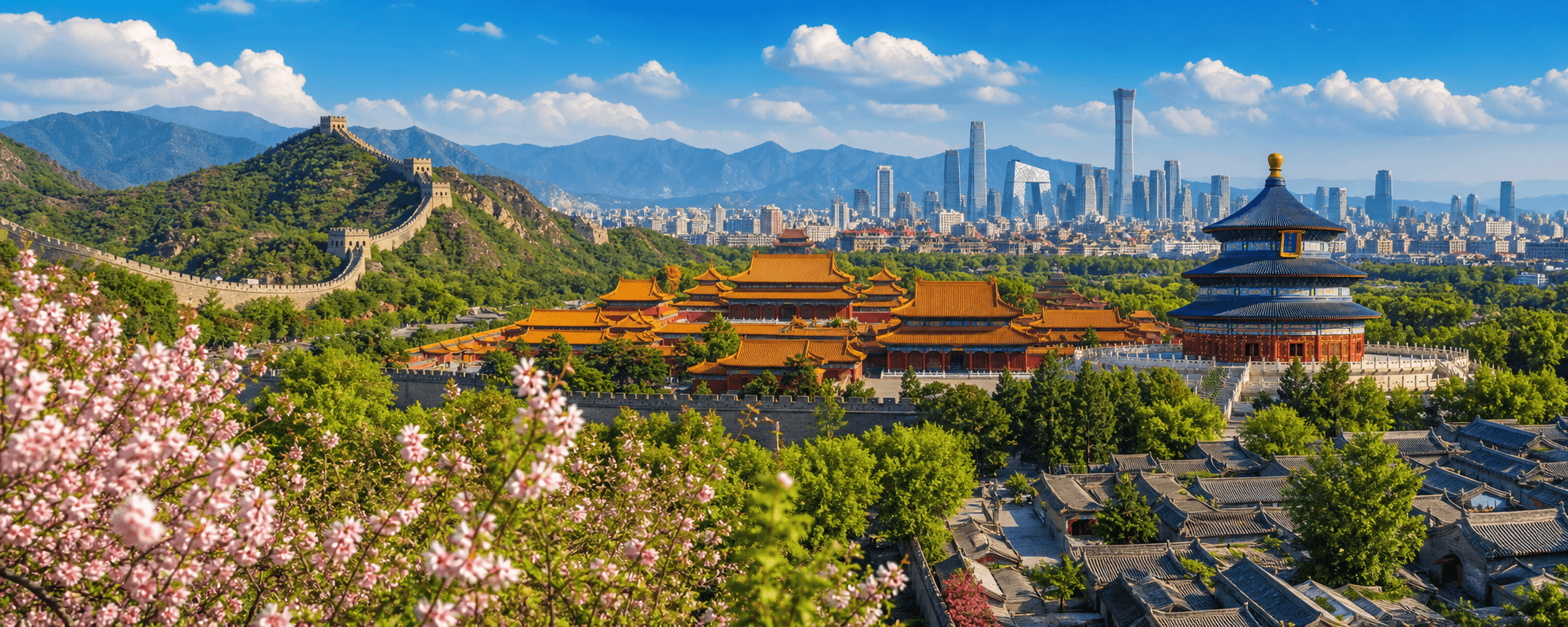
Beijing is a city that tells China's story through every street, palace, and neighborhood. From the grandeur of the Forbidden City and the Great Wall to the charm of old hutongs and local food streets, the city offers endless ways to explore its history and culture.
Planning your first Beijing trip? This guide highlights the best things to do in Beijing China, including must-see attractions, unique experiences, and local favorites you won't want to miss.
Explore Beijing's Historic Landmarks and Imperial Heritage
Beijing's history is deeply connected with China's imperial past. For centuries, it served as the capital of powerful dynasties, leaving behind magnificent palaces, ancient temples, and grand city landmarks.
Exploring these historic sites offers a glimpse into China's royal traditions, architectural achievements, and cultural heritage. From the Forbidden City's grand courtyards to the peaceful gardens of the Temple of Heaven, each landmark reveals a different chapter of Beijing's fascinating story.
Visit the Forbidden City: Explore China's Imperial Palace
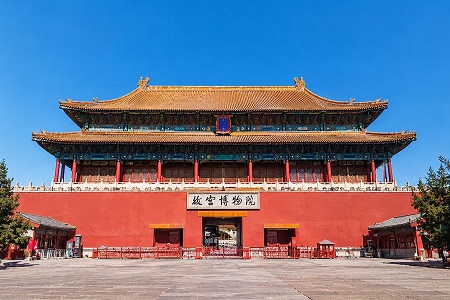
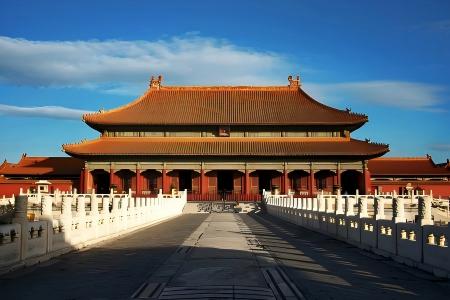
The Forbidden City is one of Beijing's most iconic landmarks and a must-see attraction for anyone interested in Chinese history. Built during the Ming Dynasty, this vast palace complex was the home of 24 emperors during the Ming and Qing dynasties.
Covering nearly 720,000 square meters, it is the largest ancient palace complex in the world and a UNESCO World Heritage Site. Walking through its grand gates, royal courtyards, and beautifully preserved halls offers a unique look into the life of China's imperial family.
Highlights include:
· Admiring traditional Chinese palace architecture and intricate details
· Exploring the impressive royal courtyards and ceremonial halls
· Viewing valuable imperial collections, including artworks and historical treasures
Practical tips:
· Visit early in the morning to enjoy fewer crowds and better photo opportunities
· Advance ticket reservation is required, especially during peak seasons
· Combine your visit with nearby attractions such as Tiananmen Square and Jingshan Park
Walk Around Tiananmen Square and Jingshan Park
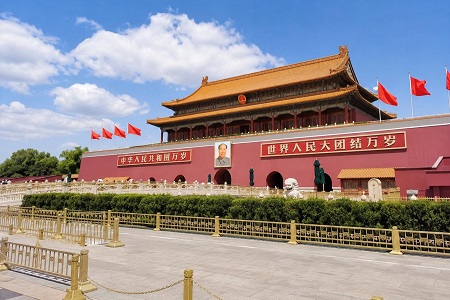
Located near the Forbidden City, Tiananmen Square and Jingshan Park are two essential stops for experiencing Beijing's history and city views.
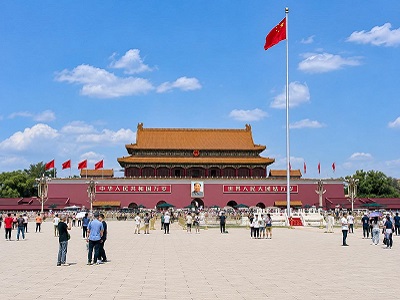
Tiananmen Square is one of the world's largest public squares and one of Beijing's most recognizable landmarks. Surrounded by important buildings, it has played a significant role in China's modern history and remains an important symbol of the capital city.
Just north of the Forbidden City, Jingshan Park offers a completely different perspective. Climb to the top of the hill for a breathtaking panoramic view of the Forbidden City's golden rooftops and Beijing's historic center.
Recommended experience:
Combine Tiananmen Square, the Forbidden City, and Jingshan Park in one walking route to explore Beijing's imperial heart in a single day.
Discover the Temple of Heaven and Ancient Ritual Culture
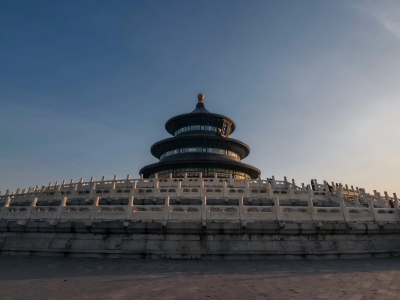
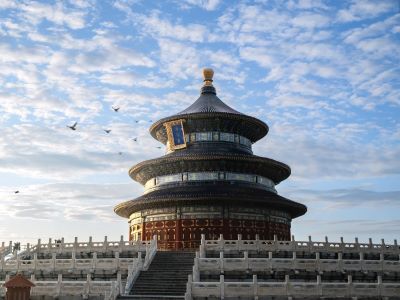
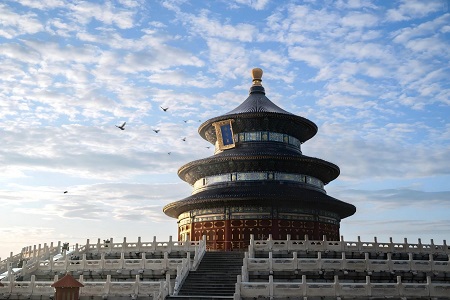
The Temple of Heaven is one of Beijing's most beautiful examples of traditional Chinese architecture and an important symbol of ancient imperial rituals. Built during the Ming Dynasty, it was where emperors once performed ceremonies to pray for good harvests and communicate with heaven.
Beyond its stunning architecture, the surrounding park offers a relaxing glimpse into local daily life. Early in the morning, the area comes alive with residents practicing Tai Chi, playing traditional instruments, and enjoying outdoor activities.
Highlights include:
· Admiring the iconic Hall of Prayer for Good Harvests
· Exploring the peaceful gardens and historic ceremonial spaces
· Experiencing morning activities and traditional culture in the park
Experience the Great Wall: The Must-Do Beijing Attraction
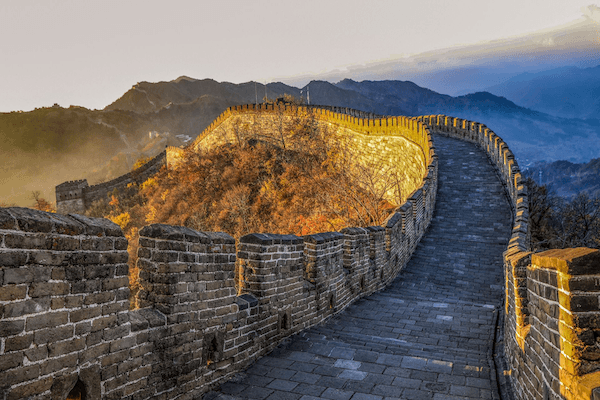
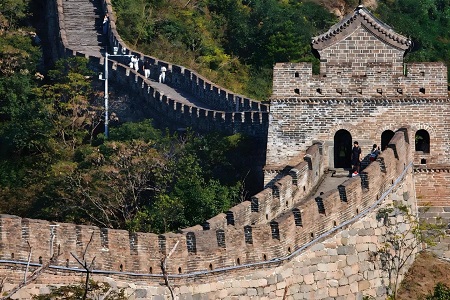
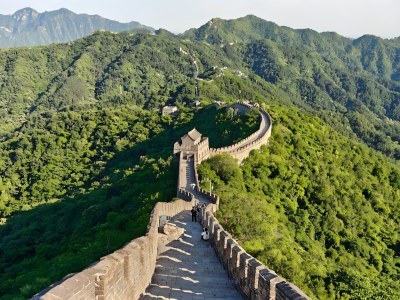
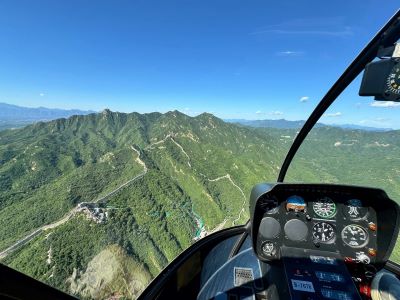
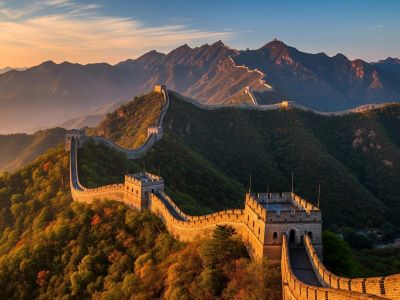
No Beijing trip is complete without a visit to the Great Wall. Stretching across mountains and valleys, this world-famous landmark represents centuries of Chinese history and engineering achievements. It is one of the most memorable places to visit in Beijing and a highlight of many China itineraries.
Among the different sections near Beijing, Mutianyu Great Wall is often considered one of the best choices. With beautiful mountain scenery, well-preserved walls, and fewer crowds compared with Badaling, it offers a more enjoyable experience for those who want to appreciate the Great Wall at a comfortable pace.
Visit Mutianyu Great Wall for the Best Experience
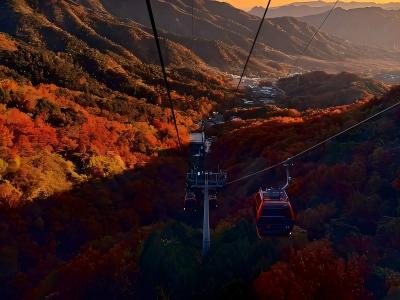
Located about 1.5 hours from downtown Beijing, Mutianyu Great Wall combines impressive architecture with stunning natural scenery. The section is known for its restored watchtowers, peaceful surroundings, and easier access, making it suitable for different fitness levels.
A cable car ride is available for a more relaxed visit, allowing you to save energy while enjoying views of the mountains from above. After reaching the wall, you can walk along the ancient stone paths, explore the watchtowers, and take in the panoramic landscape surrounding this historic landmark.
How Much Time Do You Need for the Great Wall?
The time needed for a Great Wall visit depends on your Beijing itinerary and the pace you prefer. A half-day trip to Mutianyu works well for a shorter stay, giving you enough time to walk along the wall, enjoy the views, and return to the city on the same day.
If you have a full day available, you can combine the Great Wall with nearby attractions such as the Ming Tombs or local villages for a deeper look at Beijing's history and countryside.
When planning your visit, remember to consider transportation time, weather conditions, and your own walking ability. The Great Wall involves some uphill sections, but options such as cable cars can make the experience more comfortable.
Discover Traditional Beijing Life in Hutongs
Beijing's hutongs are the best places to experience the city's traditional side. These narrow alleyways were once the center of local life, with generations of families living in traditional courtyard houses.
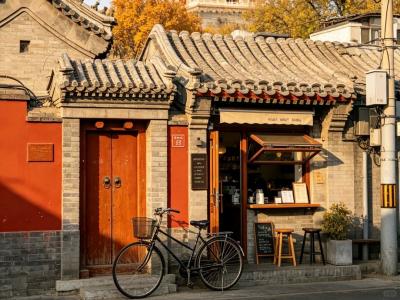
Today, many hutongs still preserve the charm of old Beijing, with historic homes, small local shops, cafés, and quiet streets hidden behind the modern city. A walk through the hutongs offers a closer look at everyday life and the unique neighborhood culture of Beijing.
Walk Through Beijing's Historic Hutong Neighborhoods
Several hutong areas are popular for exploring traditional Beijing, including Shichahai, Nanluoguxiang, and Yandai Byway.
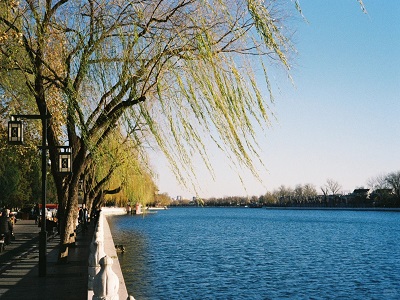
Shichahai is known for its scenic lakes, historic streets, and traditional courtyard homes. Nanluoguxiang combines old Beijing architecture with modern cafés and creative shops, making it a lively place to explore. Yandai Byway offers a more authentic atmosphere with local stores, snack shops, and narrow alleyways.
Walking through these neighborhoods, you can see traditional siheyuan (courtyard houses), learn about old Beijing's residential culture, and discover small details of local life that are often missed at major attractions.
Try a Rickshaw Ride and Local Hutong Experiences
A rickshaw ride is a classic way to explore Beijing's hutongs. Sitting in a traditional rickshaw, you can travel through the old alleyways while learning about the history of the neighborhoods and the people who once lived there.
For a deeper experience, some hutong activities include visiting a traditional courtyard home or meeting local families to learn about daily customs, architecture, and Beijing traditions.
This experience is especially suitable for first-time trips to Beijing, families, and those who want to understand the city beyond its famous landmarks.
Experience Modern Beijing and Local City Life
Beijing is more than ancient palaces and historic landmarks. Alongside its rich cultural heritage, the city has developed into a modern capital with impressive architecture, creative neighborhoods, and a vibrant urban lifestyle.
Exploring modern Beijing offers a different perspective of the city, from the futuristic Olympic venues to artistic communities where traditional culture meets contemporary creativity.
H3: Explore Beijing Olympic Park
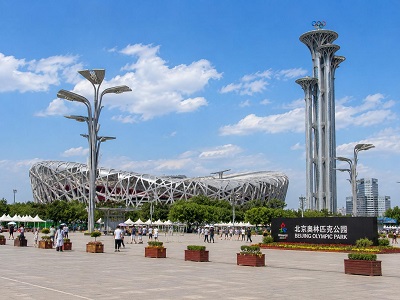
Beijing Olympic Park is one of the best places to see the city's modern architecture and Olympic legacy. Built for the 2008 Summer Olympics, the area is home to two of Beijing's most recognizable landmarks: the Bird's Nest (National Stadium) and the Water Cube (National Aquatics Center).
The unique designs of these buildings showcase China's modern architectural achievements. The park is especially enjoyable in the evening when the illuminated structures create a beautiful cityscape, making it a popular spot for photography and a relaxing walk.
Visit 798 Art District for Beijing's Creative Side
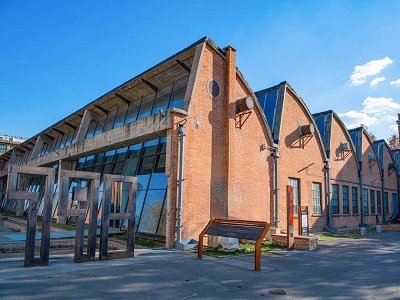
Located in a former industrial area, 798 Art District is one of Beijing's most famous creative neighborhoods. Old factory buildings have been transformed into contemporary art galleries, design studios, cafés, and cultural spaces.
Walking through 798, you can discover modern artworks, unique industrial architecture, and a different side of Beijing's creative culture. It is a great place to experience the city's artistic atmosphere and see how old spaces have been given a new life.
Taste Beijing Food and Local Flavors
Beijing's food scene is a reflection of the city's long history and diverse culture. From imperial dishes once enjoyed by the royal family to simple street foods loved by locals, every dish tells a story about life in the capital.
Trying Beijing cuisine is not only about tasting the food itself, but also about understanding local traditions and daily life through flavors, cooking styles, and dining customs.
Try Beijing's Famous Local Dishes
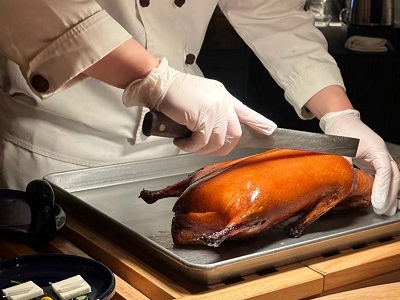
When it comes to Beijing cuisine, Peking Duck is the dish that stands out the most. Known for its crispy golden skin and tender meat, it is traditionally served with thin pancakes, sweet bean sauce, and fresh vegetables. Enjoying Peking Duck at a traditional restaurant is one of the classic dining experiences in Beijing.
Another local favorite is Zhajiangmian (Beijing fried sauce noodles), a simple but flavorful noodle dish made with wheat noodles, soybean paste, and fresh toppings. For a quick taste of everyday Beijing, try local snacks such as candied fruit, stuffed pastries, and traditional desserts found throughout the city.
Explore Beijing Food Streets and Local Markets
Beijing's food streets and local markets are great places to sample a variety of flavors in a casual setting. The Wangfujing area is one of the city's most famous food destinations, offering a wide selection of traditional snacks in a lively atmosphere.
For a more local feel, smaller neighborhood food streets and traditional markets provide opportunities to try freshly made snacks, watch local cooking methods, and see how food remains an important part of everyday life in Beijing.
Best Cultural Experiences to Try in Beijing
Beijing's culture goes far beyond its historic landmarks. Through traditional performances, tea culture, and local customs, you can experience the traditions that have shaped the city for centuries.
These cultural activities provide a deeper understanding of Chinese art, etiquette, and daily life, adding a different dimension to your Beijing journey.
Watch a Beijing Opera Performance
Beijing Opera is one of China's most famous traditional performing arts, combining singing, acting, music, and dramatic movements into a unique stage performance.
The colorful costumes, distinctive facial makeup, and expressive gestures tell stories from Chinese history and legends. Watching a Beijing Opera show is a great way to experience a traditional art form that has been preserved for generations.
For those interested in Chinese culture, an evening opera performance can be a memorable addition to a Beijing itinerary.
Enjoy a Chinese Tea or Traditional Ceremony Experience
Tea has been an important part of Chinese culture for thousands of years, and a tea ceremony offers a peaceful way to learn about traditional customs and etiquette.
During a tea experience, you can discover different types of Chinese tea, learn how tea is prepared and served, and understand the meaning behind traditional tea rituals. It is a relaxing cultural activity that allows you to slow down and appreciate a quieter side of Beijing life.

Best Places to Visit in Beijing for Different Travel Styles
Beijing has something for every type of trip, whether it is your first visit to China, a family holiday, or a short city break. The best places to visit in Beijing can vary depending on your interests, from historic landmarks and cultural experiences to evening entertainment and local life.
Best Places to Visit in Beijing for First-Time Visitors
For a first trip to Beijing, focus on the landmarks that best represent the city's history and culture. The Great Wall, Temple of Heaven, and Beijing's traditional hutongs are three essential places to include in your itinerary.
The Great Wall showcases one of China's greatest architectural achievements, while the Temple of Heaven reveals the traditions of ancient imperial ceremonies. Exploring hutongs adds a local touch, allowing you to see traditional courtyard homes and experience the charm of old Beijing neighborhoods.
Best Things to Do in Beijing with Family
Beijing is a family-friendly destination with a mix of history, nature, and interactive activities. A visit to the Great Wall allows families to enjoy outdoor scenery and a memorable adventure, while the Beijing Zoo is a popular choice for seeing giant pandas and other animals.
The Olympic Park is another great option, offering open spaces and impressive modern architecture. Families can also join cultural activities such as traditional crafts, Chinese tea experiences, or local workshops to make the trip more engaging for children.
Best Things to Do in Beijing at Night
Beijing takes on a different atmosphere after sunset, with illuminated landmarks, lively streets, and cultural performances creating a memorable evening experience.
The Wangfujing area is a popular place for exploring evening snacks and city lights, while Houhai Lake offers a more relaxed atmosphere with lakeside bars and traditional surroundings. For a special night out, consider enjoying the views of landmarks such as the Bird's Nest or watching a cultural show, including Beijing Opera or traditional performances.
How Many Days Do You Need in Beijing?
The ideal length of a Beijing trip depends on your travel schedule and the experiences you want to include. While one day is enough to see the city's most famous landmarks, spending two or three days allows you to explore Beijing's imperial history, the Great Wall, traditional neighborhoods, and local culture at a more relaxed pace.
One Day in Beijing: Essential Highlights
With only one day in Beijing, focus on the city's most important historic landmarks. This route covers the highlights of old Beijing and works well for a short stay or a layover.
Start your day at Tiananmen Square and the Forbidden City, where you can discover China's imperial history through grand gates, royal courtyards, and ancient palace architecture. In the afternoon, visit the Temple of Heaven to see one of Beijing's most beautiful historic sites and learn about the rituals of ancient Chinese emperors.
Recommended for:
Short stays, first-time visits, and travelers with limited time.
Two Days in Beijing: Classic Beijing Experience
Two days in Beijing offers the perfect balance between famous landmarks and local culture. You can explore the city's imperial center on the first day and visit the Great Wall on the second day.
Day 1: Discover Imperial Beijing
Visit Tiananmen Square, the Forbidden City, and Jingshan Park. From the top of Jingshan Park, enjoy one of the best views of the Forbidden City and Beijing's historic city center.
Day 2: Great Wall and Traditional Beijing
Head to Mutianyu Great Wall for spectacular mountain views, then explore traditional hutongs to experience old Beijing neighborhoods, courtyard houses, and local life.
Recommended for:
First-time Beijing trips and those who want to see the city's most iconic attractions.
H3: Three Days in Beijing: A More Complete Journey
Three days allows you to slow down and discover more of Beijing beyond the major landmarks. In addition to the Forbidden City, Great Wall, and hutongs, you can add beautiful gardens, cultural sites, and local experiences.
Day 1: Imperial History and City Views
Explore Tiananmen Square, the Forbidden City, and Jingshan Park.
Day 2: Great Wall Adventure
Visit Mutianyu Great Wall and combine it with a nearby cultural attraction or hutong experience.
Day 3: Gardens, Temples, and Local Culture
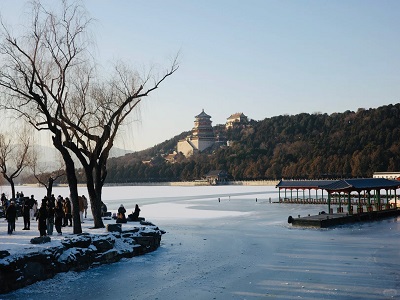
Visit the Summer Palace and Temple of Heaven, then enjoy Beijing cuisine, a tea experience, traditional markets, or a cultural performance.
Recommended for:
Those who want a deeper understanding of Beijing's history, culture, and everyday life.
Practical Tips for Visiting Beijing
A little preparation can make your Beijing trip smoother and more enjoyable. From choosing the best season to visit, to getting around the city and booking popular attractions, these practical tips will help you plan your time more efficiently.
Best Time to Visit Beijing
The best times to visit Beijing are spring (April to May) and autumn (September to October).
Spring offers mild temperatures and comfortable weather for outdoor sightseeing. It is a good time to explore attractions like the Great Wall, Summer Palace, and city parks.
Autumn is widely considered the best season for a Beijing trip. The weather is cooler, the skies are usually clearer, and the city's historic sites look especially beautiful during this time.
Summer can be hot and busy, while winter is colder but offers fewer crowds and a quieter atmosphere.
How to Get Around Beijing
Beijing has several convenient transportation options:
Subway:
The subway is the easiest way to travel between major attractions, including the Forbidden City, Temple of Heaven, and Olympic Park. It is affordable and avoids heavy traffic.
Taxi and Ride-Hailing Apps:
Taxis are a good option for shorter distances or when carrying luggage. Ride-hailing services are also widely used in Beijing.
Private Transportation:
For attractions outside the city center, such as the Great Wall, a private car service can save travel time and make the journey more comfortable.
Attraction Booking and Travel Tips
Some of Beijing's most popular attractions require advance planning.
Forbidden City:
Tickets must be reserved in advance, especially during weekends and peak travel seasons.
Great Wall:
Different sections of the Great Wall have their own ticket systems. Check availability before your visit.
Walking Preparation:
Wear comfortable shoes, as many attractions involve long walks, stairs, and uneven paths. Bringing water and checking opening hours in advance will also help you plan a smoother visit.
Make the Most of Your Beijing Trip with a Private Tour
Beijing is a large city with attractions spread across different areas, from the Forbidden City in the city center to the Great Wall outside the city. A private Beijing tour helps you save time, avoid transportation hassles, and enjoy a more comfortable sightseeing experience.
With a private tour, your itinerary can be adjusted based on your interests and schedule. You can explore Beijing's famous landmarks at your own pace, travel comfortably between attractions, and learn more about the city with the help of an English-speaking guide.
Why Choose a Private Beijing Tour?
A private tour provides more flexibility compared with fixed group schedules. Your itinerary can be customized to include the places you want to see, whether it is the Great Wall, historic landmarks, local neighborhoods, or cultural experiences.
Private transportation makes it easier to visit multiple attractions in one day, while an English-speaking guide can provide historical background, local insights, and practical assistance throughout the trip.
Who Is a Private Beijing Tour Best For?
A private Beijing tour is a great choice for:
· First-time China trips — enjoy the city's highlights with a well-planned itinerary
· Families — travel at a comfortable pace with convenient transportation
· Senior groups — reduce walking challenges and make sightseeing easier
· Short Beijing visits — maximize your limited time and cover more attractions efficiently
Whether you are visiting Beijing for one day or several days, a private tour offers a convenient way to experience the city's history, culture, and famous landmarks without the stress of planning every detail.
Frequently Asked Questions About Things to Do in Beijing
What are the best things to do in Beijing China?
The best things to do in Beijing include visiting the Forbidden City, walking on the Great Wall, exploring traditional hutongs, experiencing the Temple of Heaven, and trying authentic Beijing cuisine. You can also discover modern attractions such as the Olympic Park and 798 Art District.
How many days are enough for Beijing?
A 2 to 3-day trip is ideal for exploring Beijing's main attractions at a comfortable pace. One day is enough to see a few highlights, but spending more time allows you to visit the Great Wall, historic landmarks, local neighborhoods, and cultural sites without rushing.
What are the must-see places to visit in Beijing?
The must-see places in Beijing include the Forbidden City, Tiananmen Square, the Great Wall, Temple of Heaven, Summer Palace, and Beijing's traditional hutongs. These attractions showcase the city's imperial history, architecture, and local culture.
Is the Great Wall worth visiting?
Yes, the Great Wall is one of the top attractions in Beijing and a highlight of any China trip. The Mutianyu section is a popular choice because of its beautiful mountain views, well-preserved walls, and more comfortable visiting experience compared with some other sections.
What is Beijing famous for?
Beijing is famous for its imperial history, ancient landmarks, traditional culture, and local cuisine. The city is known for attractions such as the Forbidden City and Great Wall, as well as Peking Duck, hutongs, temples, and its role as China's historic capital.
What can I do in Beijing at night?
At night, you can explore lively areas such as Wangfujing and Houhai, enjoy views of illuminated landmarks, try local food, or watch traditional performances like Beijing Opera. Evening walks around the city's historic and modern areas offer a different atmosphere from daytime sightseeing.