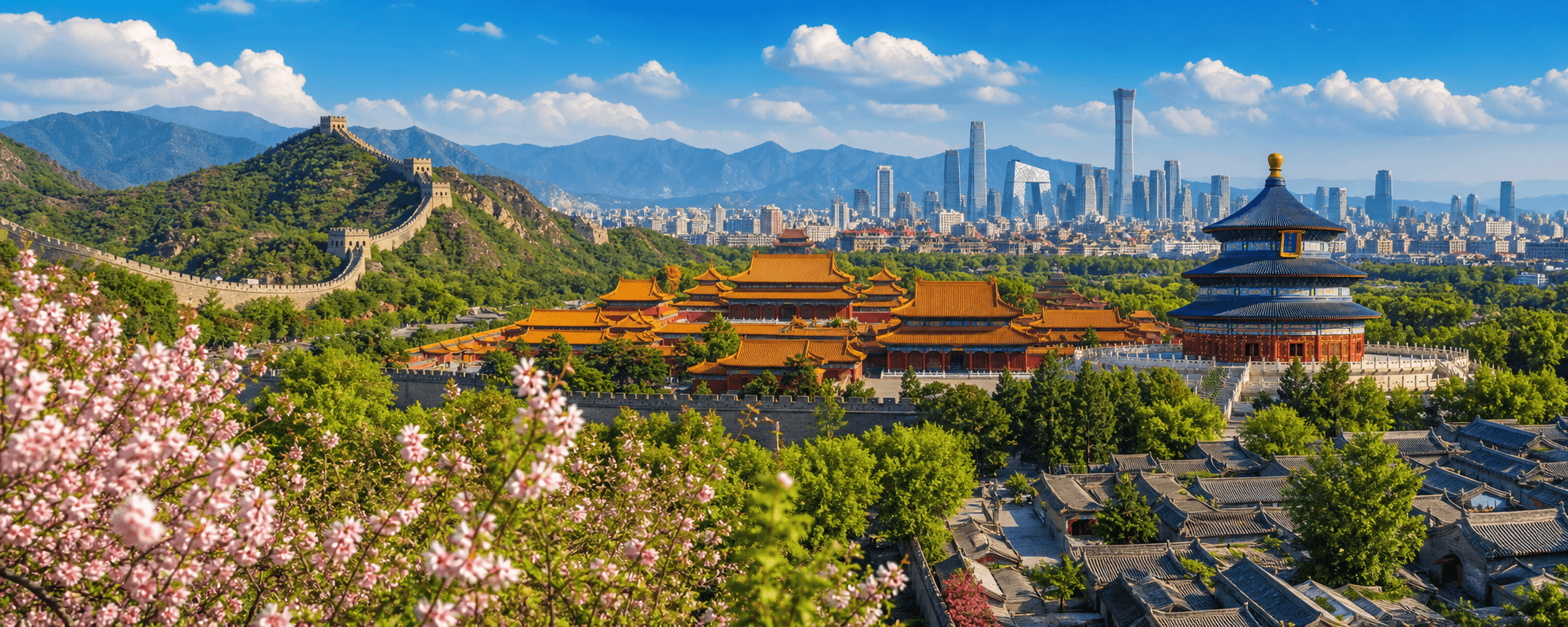
Beijing is a city where thousands of years of Chinese history unfold around you. From the ancient State of Yan and the rise of early northern capitals to the grandeur of the Yuan, Ming, and Qing dynasties, the city has played a central role in shaping China's political and cultural history. Today, landmarks such as the Forbidden City, Temple of Heaven, Great Wall, and historic hutongs offer travelers a chance to experience this remarkable past firsthand. This guide to Beijing history follows a clear China Beijing timeline, exploring the major dynasties, historical events, and transformations that shaped Beijing into the capital of China.
Why Is Beijing So Important in Chinese History?
Beijing is one of the most historically important cities in China and one of the few places where more than 3,000 years of history can still be experienced through its streets, palaces, temples, gardens, and traditional neighborhoods. Located in northern China at the meeting point of the North China Plain and the mountains to the north, Beijing has long been an important gateway between the Chinese heartland and the northern frontier.
One important Beijing history fact is that the city was not originally the capital of China. Its rise to become the capital of China was a gradual process shaped by geography, warfare, trade, and the ambitions of successive dynasties. Over the centuries, the area developed from an ancient settlement and military stronghold into a major regional center, and eventually became the imperial capital under the Yuan, Ming, and Qing dynasties.
From Ancient Settlement to Northern Power Center
The history of Beijing can be traced back more than three millennia. During the Warring States period, the ancient State of Yan established its capital at Ji, located in the area of present-day Beijing. This made the region an important political and military center in northern China.
Its strategic location was one of the main reasons for its continued development. Beijing sits close to the northern mountains and the routes leading toward the northeastern regions of China. For ancient rulers, controlling this area meant protecting the agricultural heartland of northern China while maintaining connections with territories beyond the Great Wall.
As different dynasties rose and fell, Beijing changed names, administrative roles, and political importance. During the Liao Dynasty, it became known as Nanjing, or the Southern Capital. Under the Jin Dynasty, the city was expanded and developed into Zhongdu, laying important foundations for the great capital that would follow.
Beijing Becomes an Imperial Capital
The most significant transformation came during the Yuan Dynasty. Kublai Khan established Dadu, or the "Great Capital," in the Beijing area and made it the capital of the Yuan Empire. This marked a turning point in the history of Beijing, as the city became the political center of a unified Chinese dynasty for the first time.
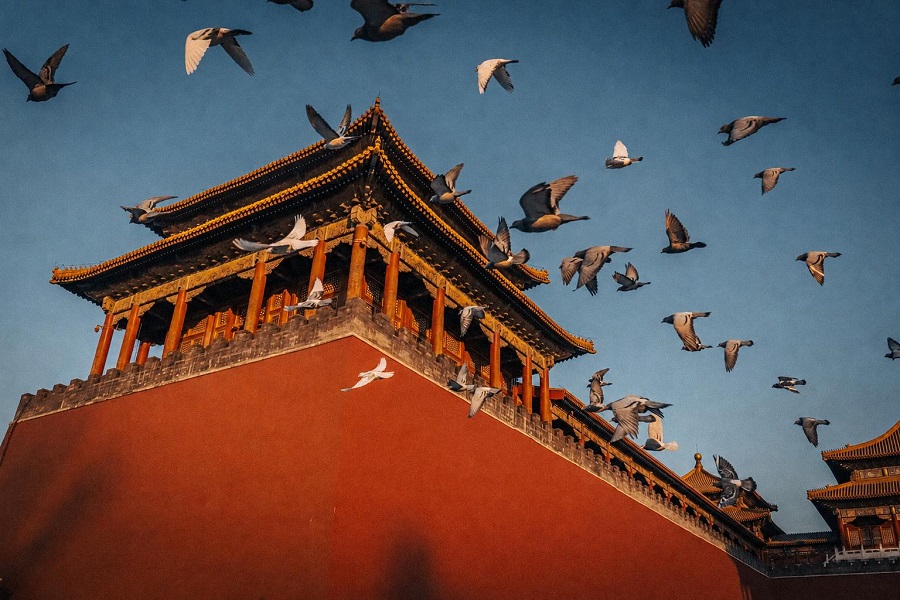
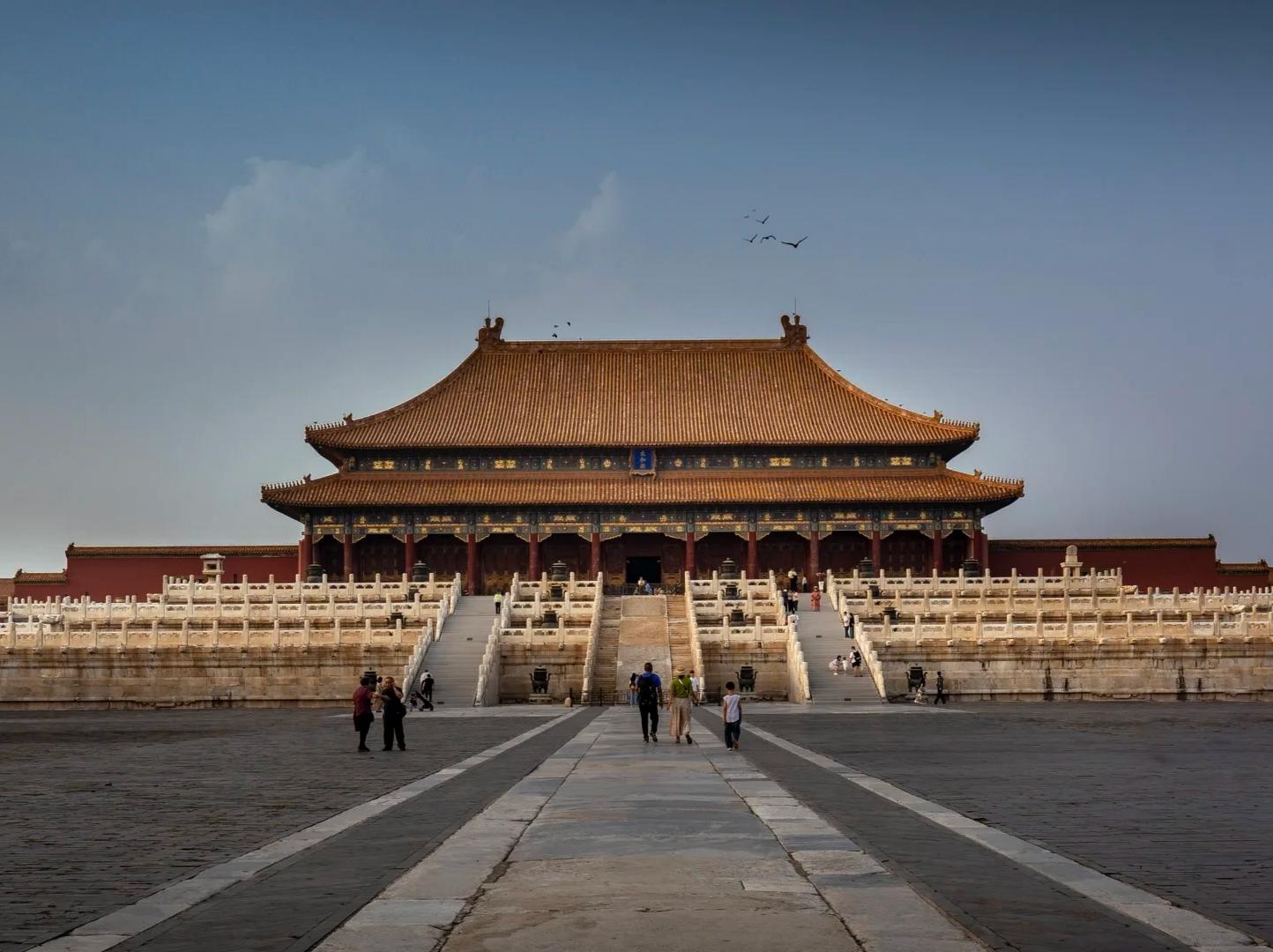
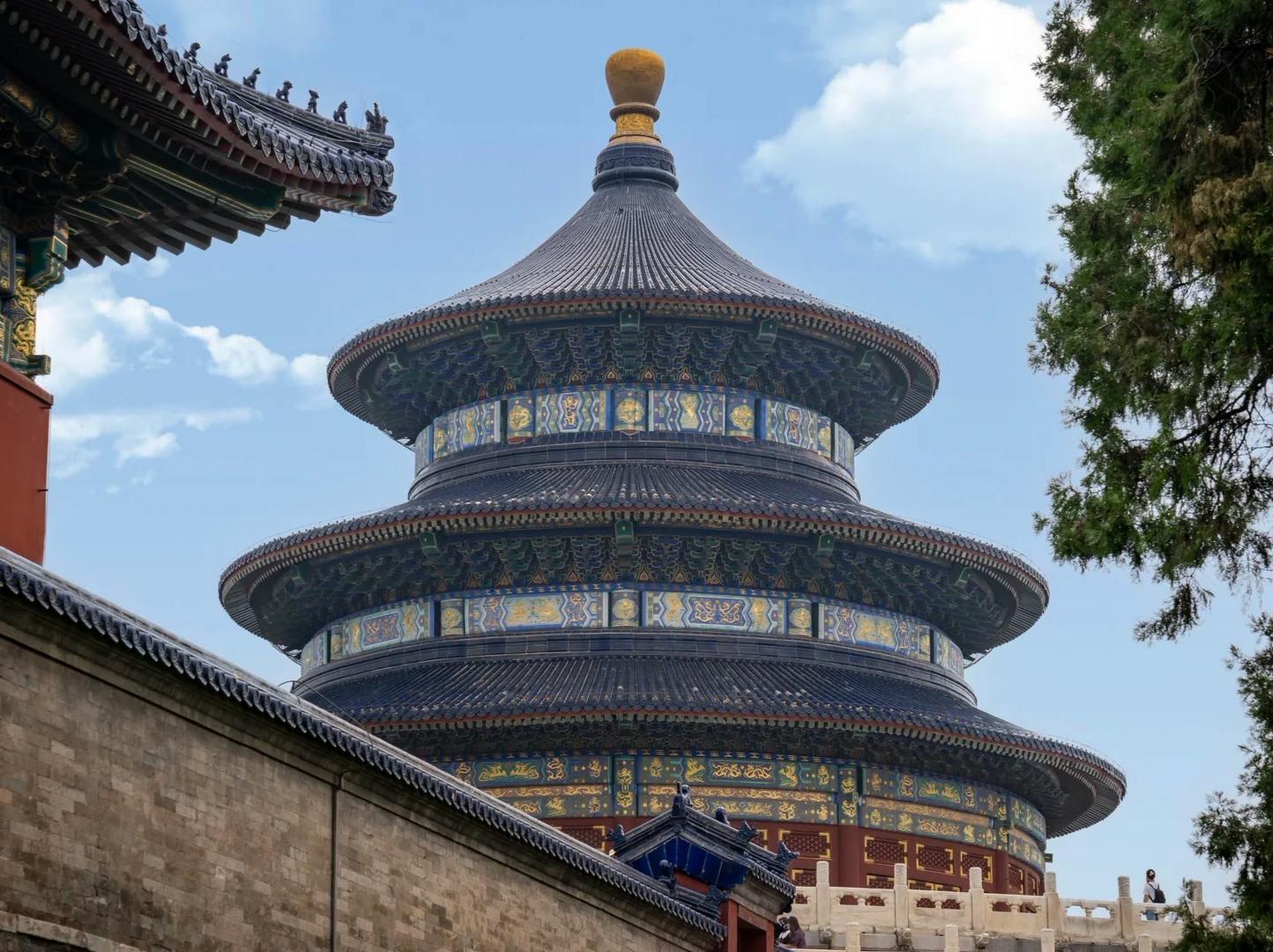
The city continued to grow in importance during the Ming Dynasty. After the Ming court moved its capital from Nanjing to Beijing in the early 15th century, the city was rebuilt on an enormous scale. The Forbidden City, Temple of Heaven, city walls, and other imperial structures formed an elaborate urban system centered on the emperor and the imperial court.
The Qing Dynasty retained Beijing as its capital after taking control of China in the 17th century. For nearly three centuries, Beijing remained the heart of imperial government and developed a distinctive culture that combined Manchu traditions with centuries of Chinese civilization.
From Imperial Capital to Modern Chinese Capital
Beijing's historical role did not end with the fall of the Qing Dynasty in 1912. During the early 20th century, the city became an important center of political change, education, and intellectual movements. Events such as the May Fourth Movement further established Beijing as a major center of modern Chinese culture and politics.
In 1949, Beijing became the capital of the People's Republic of China. Since then, the city has developed into a modern international metropolis while preserving many of the landmarks and urban traditions inherited from its imperial past.
Today, visitors can see this extraordinary historical continuity throughout the city. The Forbidden City represents the power of the Ming and Qing emperors, the Temple of Heaven reflects ancient imperial rituals, Beijing's hutongs reveal traditional residential life, and the Great Wall recalls the city's long relationship with China's northern frontier.
Beijing as a Living Timeline of China
What makes Beijing particularly fascinating is that its history is not confined to museums or ancient ruins. Different periods of Chinese history can be encountered within a single day of sightseeing. A walk along the Central Axis can connect the imperial world of the Forbidden City with Tiananmen Square and modern Beijing, while a visit to a traditional hutong offers a glimpse into everyday life that has continued for generations.
For travelers interested in the history of the capital of Beijing, understanding this long transformation provides a deeper appreciation of the city. Beijing is more than a former imperial capital or a modern political center—it is a living historical timeline that connects ancient China, imperial China, and modern China in one remarkable city.
Beijing History at a Glance: China Beijing Timeline
The China Beijing timeline is a story of continuous transformation. Beijing was not always the capital of China, nor did it have the same name throughout its history. Over more than 3,000 years, the city evolved from an ancient settlement and the capital of the State of Yan into a northern military center, a regional capital, an imperial capital, and finally the capital of modern China.
The following timeline provides a quick overview of the major stages in the history of Beijing, before we explore each period in greater detail.
c. 1000 BC – The Early City of Ji and the State of Yan
The earliest important chapter in Beijing's recorded history is closely associated with the ancient State of Yan during the Western Zhou and Warring States periods. The city of Ji, located in the area of present-day Beijing, became the political center of Yan and one of the important cities in northern China.
Its location was strategically significant. Situated near the northern frontier and surrounded by important transportation routes, Ji served as both a political center and a defensive stronghold. This early development established the geographic foundations for Beijing's later importance.
Qin and Han Dynasties – A Northern Military and Administrative Center
After Qin unified China in 221 BC, the Beijing region became part of the administrative system of the first unified Chinese empire. During the Han Dynasty, the area was associated with the important northern commandery of Youzhou.
Although Beijing was not the national capital during these periods, its location made it increasingly important for military defense, administration, and communication between northern China and the frontier regions.
This period is an important part of any Beijing history fact overview because it explains why the city continued to grow in importance even when the political capital was located elsewhere.
Sui and Tang Dynasties – Connecting North and South
During the Sui and Tang dynasties, Beijing remained an important northern city. The development of transportation networks and the Grand Canal strengthened connections between northern and southern China.
The ability to transport grain, goods, soldiers, and people across large distances increased the importance of northern cities. Beijing's strategic position gradually made it an essential link between the Chinese heartland and the northern frontier.
Liao Dynasty – Beijing Becomes a Regional Capital
A major turning point came during the Liao Dynasty. The Khitan-led Liao Empire established a system of multiple capitals, and the city in present-day Beijing became known as Nanjing, or the Southern Capital.
This was one of the first periods when Beijing held a formal capital status under a major dynasty. The city's political importance increased considerably, and its role as a northern center of government became firmly established.
Jin Dynasty – The Rise of Zhongdu
Under the Jin Dynasty, Beijing experienced another major transformation. The Jin rulers expanded the city and established Zhongdu, meaning the "Central Capital," as their main capital.
Zhongdu became a large and sophisticated imperial city, with palaces, government offices, temples, markets, and defensive walls. Although much of the original city has disappeared, the development of Zhongdu provided important foundations for the later Yuan capital.
Yuan Dynasty – Dadu, Capital of the Empire
The Yuan Dynasty represents one of the most important stages in the China Beijing timeline. Kublai Khan established Dadu, or the "Great Capital," in the Beijing area and made it the capital of the Yuan Empire.
For the first time, Beijing became the center of a unified Chinese dynasty that controlled a vast territory extending across East Asia and beyond. The city was carefully planned, with a regular street system, palaces, government buildings, residential districts, and markets.
The scale and organization of Yuan Dadu had a lasting influence on the development of Beijing. Many features of the city's later urban structure can be traced back to this period.
Ming Dynasty – Beijing Becomes China's Imperial Capital
The Ming Dynasty initially established its capital at Nanjing. However, Emperor Yongle decided to move the capital northward, and Beijing became the imperial capital in the early 15th century.
The city underwent an enormous construction program. The Forbidden City was built as the center of imperial power, while the Temple of Heaven, city walls, gates, ceremonial spaces, and other major structures transformed Beijing into one of the world's greatest imperial capitals.
This period created much of the historic urban landscape that visitors associate with Beijing today.
Qing Dynasty – The Last Imperial Capital
When the Qing Dynasty came to power in the 17th century, Beijing remained the capital. The Qing rulers continued to use and expand the imperial city while introducing their own cultural and political traditions.
The Forbidden City remained the center of government and court life. Imperial gardens and palaces, including the Summer Palace and other royal estates, became important parts of the city's cultural landscape.
During the Qing period, Beijing reached its status as the heart of China's traditional imperial system. The city's architecture, neighborhoods, ceremonies, cuisine, and social customs all developed distinctive characteristics that continue to influence Beijing culture today.
1912 – The End of Imperial Beijing
The fall of the Qing Dynasty in 1912 brought an end to more than two thousand years of imperial rule in China. Beijing was no longer an imperial capital, but it remained one of the country's most important political and cultural centers.
During the early Republic of China, the city became a center of political activity, education, and intellectual life. Universities and cultural institutions played an increasingly important role in shaping modern Chinese society.
1949 – Beijing Becomes the Capital of Modern China
On October 1, 1949, the People's Republic of China was established, and Beijing became the capital of the new nation.
Tiananmen Square became an important symbol of modern Chinese history, while the city began a new period of rapid development. New government buildings, universities, transportation networks, business districts, and residential areas gradually transformed the historic imperial city into a modern metropolis.
Beijing Today – An Ancient Capital and Modern Metropolis
Today, Beijing combines several different layers of history within a single city. Ancient heritage can be found alongside modern architecture, traditional hutongs exist close to major business districts, and centuries-old imperial landmarks stand within a rapidly developing capital.
Visitors can follow this historical journey through Beijing's most famous attractions. The Forbidden City reveals the legacy of the Ming and Qing empires, the Temple of Heaven reflects ancient imperial ceremonies, the hutongs offer a glimpse into traditional urban life, and the Great Wall illustrates Beijing's historic relationship with China's northern frontier.
Beijing History Timeline at a Glance
| Period | Name / Dynasty | Beijing's Historical Role |
|---|
| c. 1000 BC | Western Zhou / State of Yan | Early political center of northern China |
| Warring States | State of Yan | Capital of Yan |
| Qin–Han | Imperial China | Northern administrative and military center |
| Sui–Tang | Imperial China | Important transportation and frontier city |
| Liao | Liao Dynasty | Nanjing, the Southern Capital |
| Jin | Jin Dynasty | Zhongdu, the Central Capital |
| Yuan | Yuan Dynasty | Dadu, capital of the Yuan Empire |
| Ming | Ming Dynasty | Imperial capital of China |
| Qing | Qing Dynasty | Last imperial capital |
| 1912 | Republic of China | Major political and cultural center |
| 1949–Present | People's Republic of China | Capital of modern China |
This timeline shows why Beijing's history is so closely connected with the story of China itself. Each dynasty left another layer of architecture, culture, politics, and urban development, creating the historic city that travelers can explore today.
The Early History of Beijing: Before It Became a Capital
Long before Beijing became the capital of China, the area was already an important settlement in northern China. Its location played a major role in shaping its early history. Beijing lies at the northern edge of the North China Plain, where the flat agricultural lands of central and eastern China meet the mountains and routes leading toward northern and northeastern Asia.
This unique geography gave the region strategic importance. The mountains to the north provided a natural defensive barrier, while the plains to the south offered access to fertile agricultural areas and major transportation routes. For ancient rulers, Beijing was therefore more than a place to live. It was a gateway between the Chinese heartland and the northern frontier.
Beijing in Ancient China
Archaeological discoveries show that people have lived in the Beijing region for hundreds of thousands of years. One of the most famous discoveries is Peking Man, found at Zhoukoudian southwest of modern Beijing. Although this prehistoric settlement belongs to a much earlier period than the history of the city itself, it demonstrates the long human history of the Beijing region.
Over time, settlements developed across the area, benefiting from access to water, agricultural land, and transportation routes. The Yongding River and other waterways supported early communities, while the surrounding mountains provided natural resources and defensive advantages.
By the first millennium BC, the Beijing area had developed into a significant political center. Ancient settlements in the region were connected to the wider network of states that competed for power across northern China.
The geographical position of Beijing became particularly important during periods of political conflict. To the south lay the central plains, while to the north were the mountain passes and frontier regions that connected China with territories beyond the traditional agricultural heartland. Whoever controlled Beijing could therefore influence movement between these regions.
This strategic position helps explain one of the most important Beijing history facts: the city became politically important long before it became the national capital.
Beijing and the State of Yan
One of the earliest major chapters in the history of Beijing began with the ancient State of Yan.
During the Western Zhou period, Yan emerged as one of the important states in northern China. Its political center was associated with Ji, an ancient city generally identified with the area of present-day Beijing. By the Warring States period, Yan had become one of the major competing states and used the region as its capital.
Ji's location made it an ideal center for the State of Yan. The city was close to important northern routes and could serve as a base for both administration and military defense. At the same time, its position on the northern edge of the Chinese heartland allowed Yan to maintain connections with other states farther south.
The rise of Ji was an important step in Beijing's transformation from a regional settlement into a political center. Although the city at that time looked very different from the Beijing travelers see today, the basic geographical advantages that would later attract successive dynasties were already present.
The State of Yan eventually fell to the Qin state in 226 BC, shortly before Qin unified China. However, the political importance of the Beijing region did not disappear. Instead, it became part of a larger imperial administrative system.
Why Was Beijing Chosen as an Ancient Political Center?
The answer lies largely in geography.
Beijing occupies a strategic position between the North China Plain and the northern frontier. The mountains surrounding the city offered natural protection, while routes through mountain passes provided access to the northeast and northwest. To the south, the plains connected Beijing with major population and agricultural centers.
This combination of defense, transportation, trade, and access to agricultural resources continued to influence the development of Beijing for thousands of years.
The same geographical advantages that helped the State of Yan establish Ji would later attract the Liao, Jin, Yuan, Ming, and Qing dynasties. In this sense, the story of Beijing as a capital began long before the construction of the Forbidden City.
Beijing During the Qin, Han, Sui and Tang Dynasties
After the State of Yan disappeared, Beijing entered a new stage of development as part of China's expanding imperial system. During the Qin and Han dynasties, the city was no longer the capital of an independent state, but its strategic position continued to make it an important administrative and military center.
Over the following centuries, Beijing's importance grew gradually. The city became increasingly connected with the political centers of northern China, while its proximity to the frontier made it essential for military defense and communication.
Beijing During the Qin and Han Dynasties
In 221 BC, Qin conquered its rival states and unified China under the first centralized imperial government. The Beijing region was incorporated into the Qin administrative system, marking a new stage in its political history.
The Qin Dynasty was short-lived, but its system of centralized administration had a lasting influence on China. Under the Han Dynasty, the Beijing region became associated with Youzhou, an important administrative area in northern China.
During the Han period, Youzhou played an important role in managing the northern frontier. Beijing's location made it valuable for organizing military operations, maintaining communication, and controlling movement between the central plains and northern territories.
The Han Empire also expanded transportation and communication networks throughout northern China. Roads connected major cities, while settlements and military installations developed along strategic routes.
For Beijing, this meant that its importance increasingly came from its position within a larger regional network rather than simply from its role as an individual city.
The Han period also demonstrated a recurring pattern in Beijing history. Whenever a powerful dynasty needed to defend the northern frontier or maintain control over northeastern China, the Beijing region became strategically valuable.
From the Three Kingdoms to the Northern Dynasties
Following the collapse of the Han Dynasty, China experienced several centuries of political division. Northern China was controlled by different kingdoms and dynasties, and the Beijing region continued to serve as an important military and administrative base.
Its location near the northern frontier made it particularly valuable during periods of conflict. Control of the region allowed rulers to monitor routes through the mountains and maintain access to the North China Plain.
Although Beijing did not yet have the enormous imperial architecture associated with later dynasties, its strategic role was becoming increasingly established.
This period is important because it shows that Beijing's rise was not the result of a single ruler or dynasty. Instead, its importance accumulated gradually over centuries.
Sui Dynasty: Connecting Northern and Southern China
A major change occurred after the Sui Dynasty reunified China in the late 6th century.
The Sui rulers invested heavily in transportation infrastructure, most famously the Grand Canal. The canal connected the agricultural regions of southern China with the political centers of the north, creating an enormous transportation network for grain, goods, soldiers, and people.
Although the Grand Canal's routes and northern endpoint changed over time, its development strengthened the economic and strategic relationship between northern and southern China.
Beijing's location at the northern end of this developing transportation system would become increasingly important in later centuries. The city could receive resources from the rich agricultural regions farther south while maintaining connections with the northern frontier.
Tang Dynasty: A Northern Gateway
During the Tang Dynasty, China became one of the most powerful and culturally influential empires in East Asia. Beijing was not the national capital—the main capital was Chang'an—but the region remained strategically important.
The northern frontier was an area of constant political and military interaction. Different peoples and states competed for influence across the region, making cities in northern China important centers for military administration and trade.
Beijing's position allowed it to connect several different worlds: the agricultural heartland of China to the south, the northeastern regions to the east, and the northern frontier beyond the mountains.
Trade and cultural exchange also contributed to the city's development. Goods, people, military forces, and ideas moved along the routes passing through the region.
By the end of the Tang period, Beijing had not yet reached the status of the great imperial capital it would later become. However, the essential conditions were already in place.
From Regional Settlement to Northern Power Center
The history of Beijing during the Qin, Han, Sui, and Tang dynasties can therefore be understood as a gradual process of transformation.
It began as an important regional settlement and developed into a strategic administrative and military center. Its importance was driven less by imperial palaces and monuments than by its location.
The combination of frontier defense, transportation, trade, agriculture, and political administration continued to strengthen Beijing's position in northern China.
This gradual rise prepared the city for its next major transformation. During the Liao Dynasty, Beijing would become a formal regional capital. Under the Jin Dynasty, it would develop into a major imperial capital known as Zhongdu. Then, under the Yuan Dynasty, Beijing would become Dadu—the center of one of the largest empires of the medieval world.
The story of Beijing as the capital of China was therefore not created overnight. It was the result of centuries of geographical advantages, political change, military strategy, and urban development.
Beijing as a Capital: The Liao and Jin Dynasties
The Liao and Jin dynasties marked an important turning point in the history of Beijing. After centuries as a regional settlement and military center, Beijing gradually developed into an important capital in northern China.
Liao Dynasty: Beijing as Nanjing
During the Liao Dynasty (907–1125), the city became known as Nanjing, or the Southern Capital, and was one of the Liao Empire's five major capitals.
Its location made Beijing especially valuable. The city stood between the North China Plain and the northern frontier, allowing the Liao rulers to control important transportation routes and maintain access to both agricultural regions and northern territories.
The Liao period was therefore an important step in Beijing's rise as a capital. The city became more developed politically, economically, and culturally, laying the foundation for its future expansion.
Jin Dynasty: The Rise of Zhongdu
In the 12th century, the Jin Dynasty took control of northern China and made Beijing its main capital. The city was rebuilt and expanded as Zhongdu, meaning the "Central Capital."
Zhongdu was a large imperial city with palaces, government buildings, markets, temples, and residential areas. Its development greatly increased Beijing's political importance.
Although much of Jin Zhongdu has disappeared, its legacy remains significant. The city provided an important urban foundation for the Yuan capital that would follow.
From Regional Center to Imperial Capital
The Liao and Jin periods established Beijing as a major political center rather than simply a northern frontier city. Its strategic location, transportation connections, and growing urban infrastructure made it an increasingly attractive capital.
This development prepared Beijing for its next major transformation under the Yuan Dynasty, when the city would become Dadu, the capital of one of the largest empires of the medieval world.
Yuan Dynasty: Beijing Becomes the Capital of a Vast Empire
The Yuan Dynasty was a decisive period in the history of Beijing. Under Kublai Khan, the city became Dadu, meaning "Great Capital," and served as the capital of the Yuan Empire.
This was a major milestone in the China Beijing timeline, as Beijing became the center of a unified Chinese dynasty for the first time.
Kublai Khan and Dadu
Kublai Khan established the Yuan Dynasty in 1271 and chose the Beijing region as the center of his government.
Beijing's location was one of the main reasons for this decision. The city was close to the northern frontier while remaining connected to the wealthy agricultural regions of central and southern China.
Its position also allowed the Yuan government to use transportation networks, particularly the Grand Canal, to bring grain and other supplies to the capital.
The City of Dadu
Dadu was carefully planned as a large imperial capital. It featured city walls, major avenues, government buildings, residential districts, markets, and an imperial palace complex.
The city's organized layout influenced the development of Beijing in later dynasties. The Yuan period therefore played an important role in shaping the basic structure of the historic capital.
Dadu also became an important center of trade and cultural exchange. Merchants, travelers, officials, and visitors from different parts of Asia came to the capital, giving the city an increasingly international character.
The Legacy of Yuan Beijing
The Yuan Dynasty transformed Beijing from an important northern capital into the political center of a vast empire. Its urban planning and location established foundations that were later developed by the Ming and Qing dynasties.
For travelers exploring the history of the capital of Beijing, the Yuan period is especially important because it marks the beginning of Beijing's long history as one of China's principal imperial capitals.
Ming Dynasty: The Birth of Imperial Beijing
The Ming Dynasty transformed Beijing into the magnificent imperial city that many travelers recognize today. Although the Ming initially established its capital in Nanjing, Emperor Yongle moved the capital to Beijing in the early 15th century. This decision began a new chapter in the history of Beijing and established the city as the political center of China for centuries.
From Nanjing to Beijing
The Ming Dynasty was founded in 1368, with Nanjing serving as its first capital. However, Emperor Yongle chose Beijing as the imperial capital because of its strategic northern location and its connection to the frontier.
After the capital was moved, Beijing underwent extensive reconstruction. The city was expanded, strengthened, and redesigned to serve as the center of the Ming Empire.
This period firmly established Beijing as one of the most important cities in Chinese history.
The Construction of the Forbidden City
One of the greatest achievements of Ming Beijing was the construction of the Forbidden City.
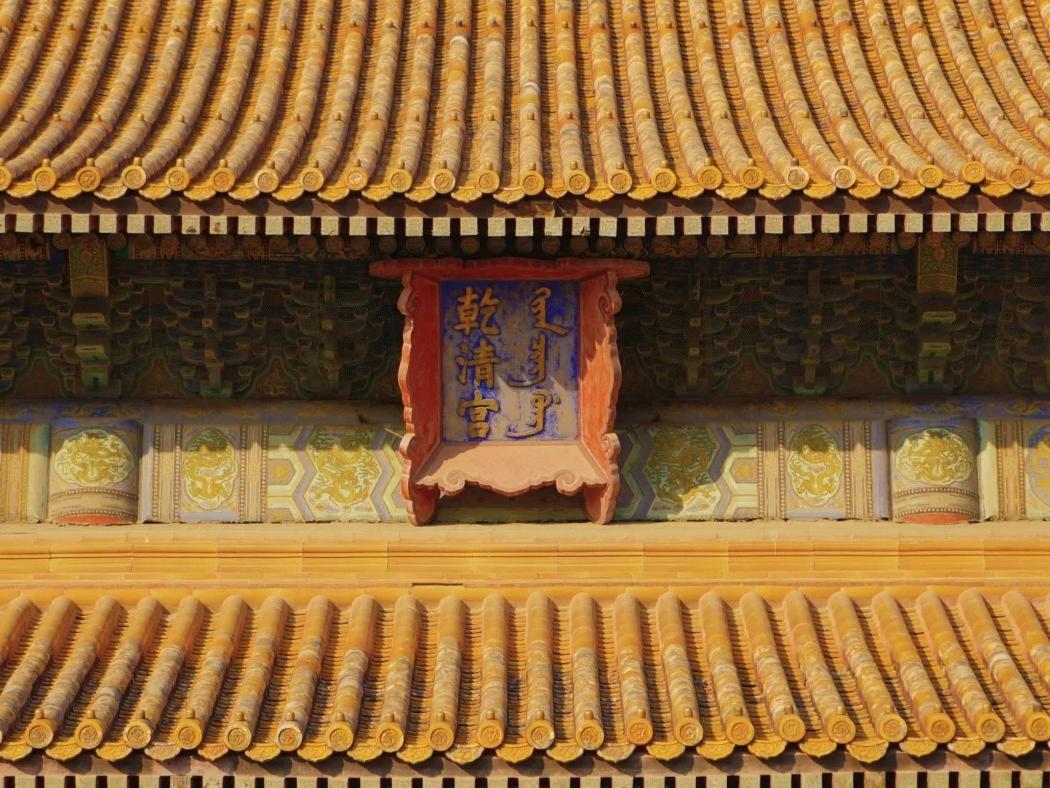
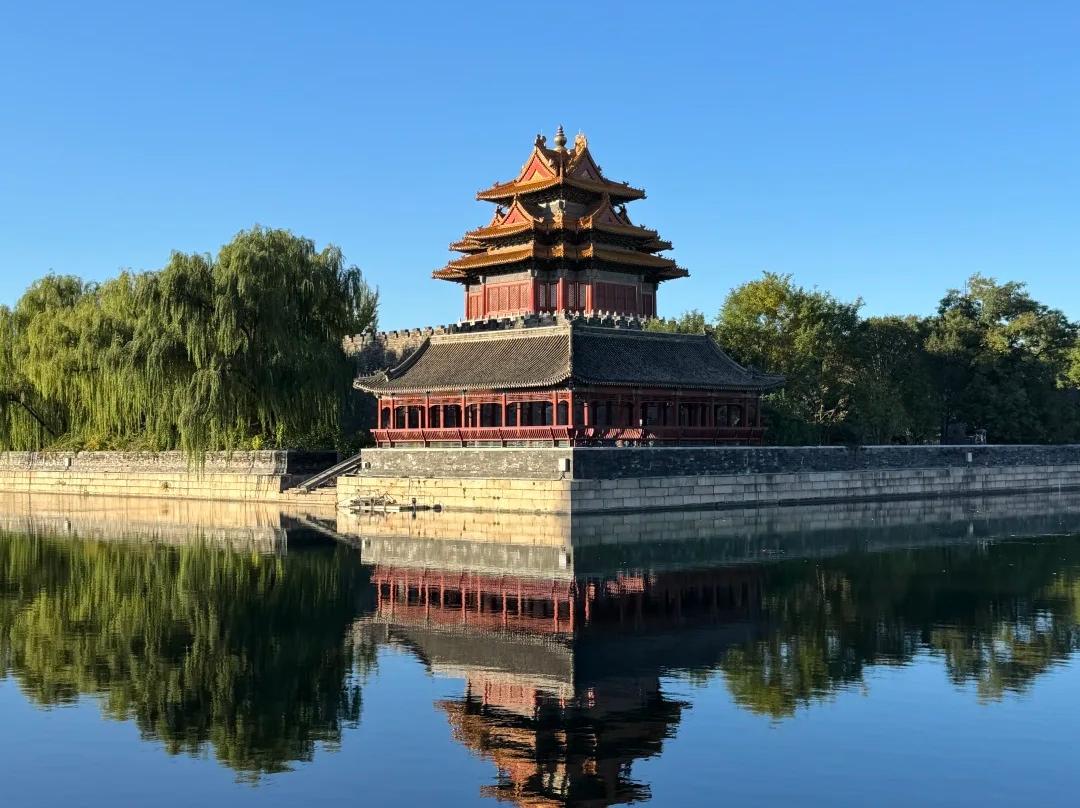
Built in the early 15th century, the Forbidden City became the residence of the emperors and the center of imperial government. Its huge courtyards, ceremonial halls, and carefully planned architecture reflected the power and hierarchy of the imperial system.
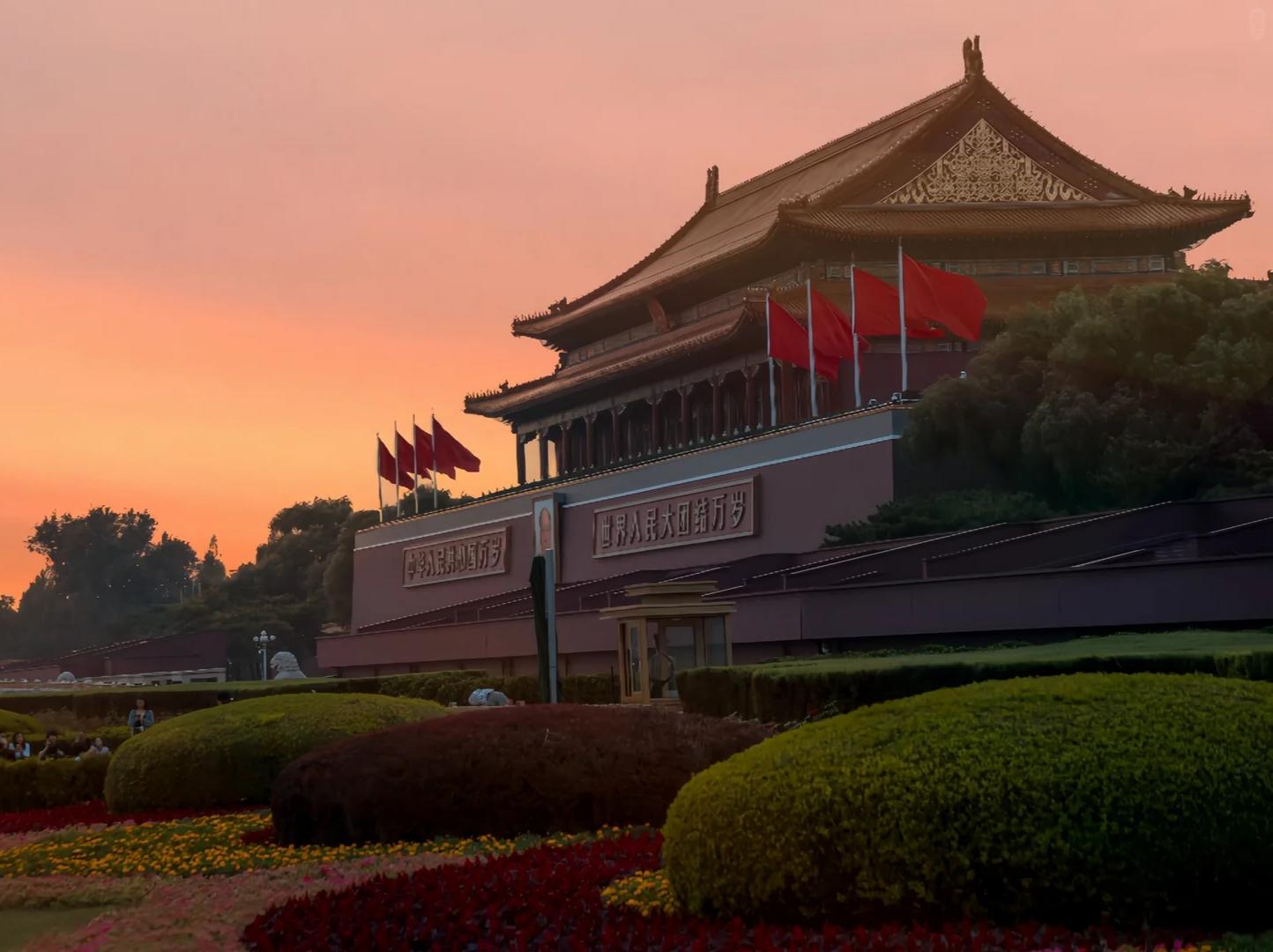
Around the Forbidden City, other important landmarks were developed, including Tiananmen, the Temple of Heaven, and the imperial city walls.
Many of the most famous historical attractions in Beijing today can be traced back to this period.
The Imperial Layout of Beijing
Ming Beijing was designed according to a highly organized urban plan. At its center was the Forbidden City, surrounded by the Imperial City and the larger urban area.
The city's north-south Central Axis connected many important landmarks and created a strong sense of order and symmetry.
This historic layout continued to influence Beijing through the Qing Dynasty and into the modern era. Today, visitors can still follow parts of this historic axis while exploring the city's major attractions.
The Legacy of Ming Beijing
The Ming Dynasty gave Beijing much of its iconic imperial character. The Forbidden City, Temple of Heaven, city walls, gates, and traditional neighborhoods formed the foundation of the historic city.
For anyone interested in a Beijing history fact, one of the most important is that the city's transformation into China's long-term imperial capital began with the Ming decision to move the capital from Nanjing to Beijing.
Qing Dynasty: Beijing as the Heart of the Qing Empire
The Qing Dynasty continued Beijing's role as China's imperial capital after taking control of the country in the 17th century. For almost three centuries, Beijing remained the political and cultural center of the Chinese empire.
During this period, the city preserved its Ming-era structure while developing a distinctive combination of Manchu and Chinese traditions.
Beijing Under the Qing Dynasty
The Qing rulers continued to use the Forbidden City as the center of imperial government. Emperors, officials, and members of the imperial court lived and worked within the city's carefully organized political system.
Beijing also developed beyond the imperial palace. Government offices, markets, temples, residential neighborhoods, and traditional hutongs formed a diverse urban environment around the imperial center.
The city's unique culture was shaped by the interaction of different traditions, making Qing Beijing an important center of Chinese art, architecture, cuisine, and everyday life.
Imperial Gardens and Palaces
The Qing Dynasty also left some of Beijing's most beautiful historical landscapes.
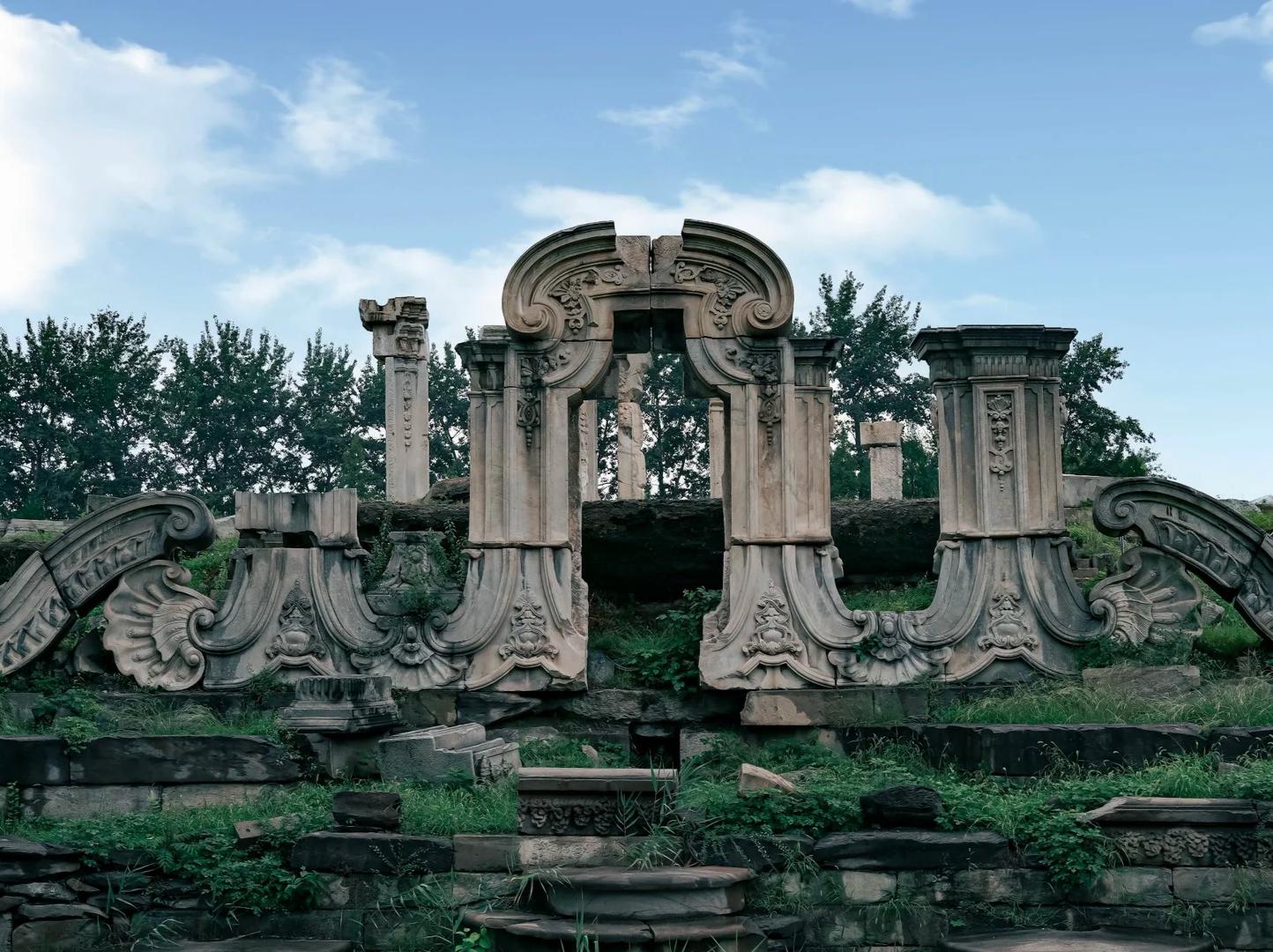
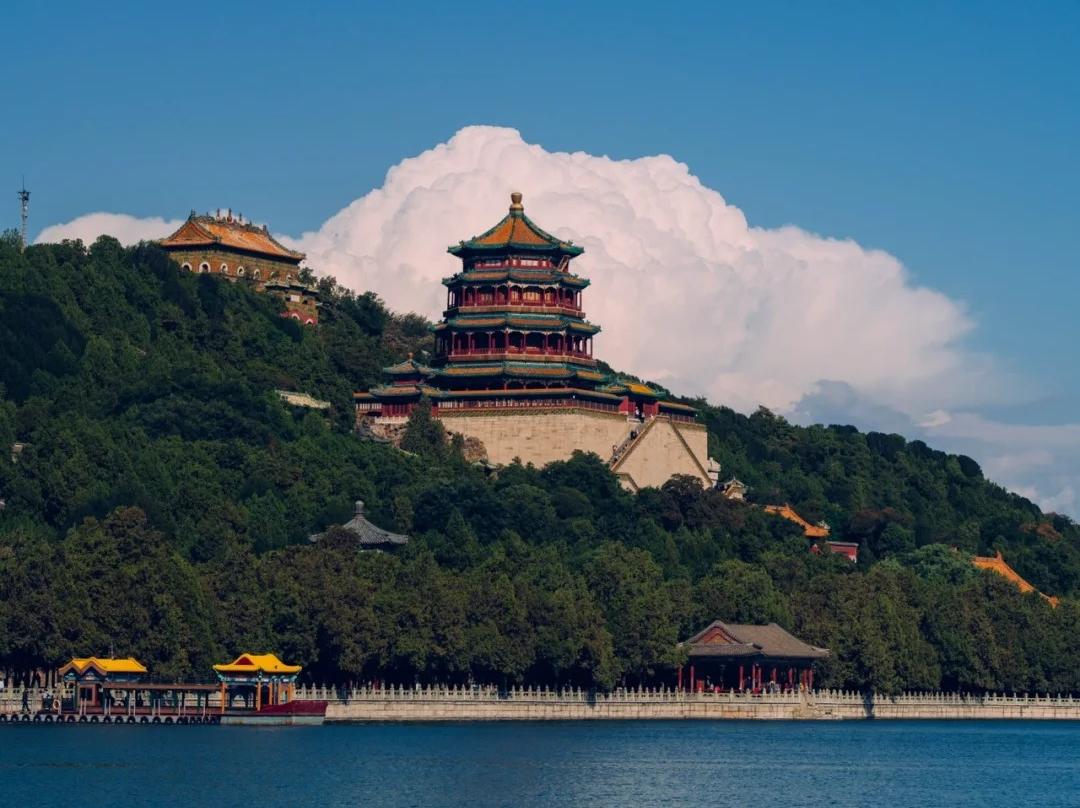
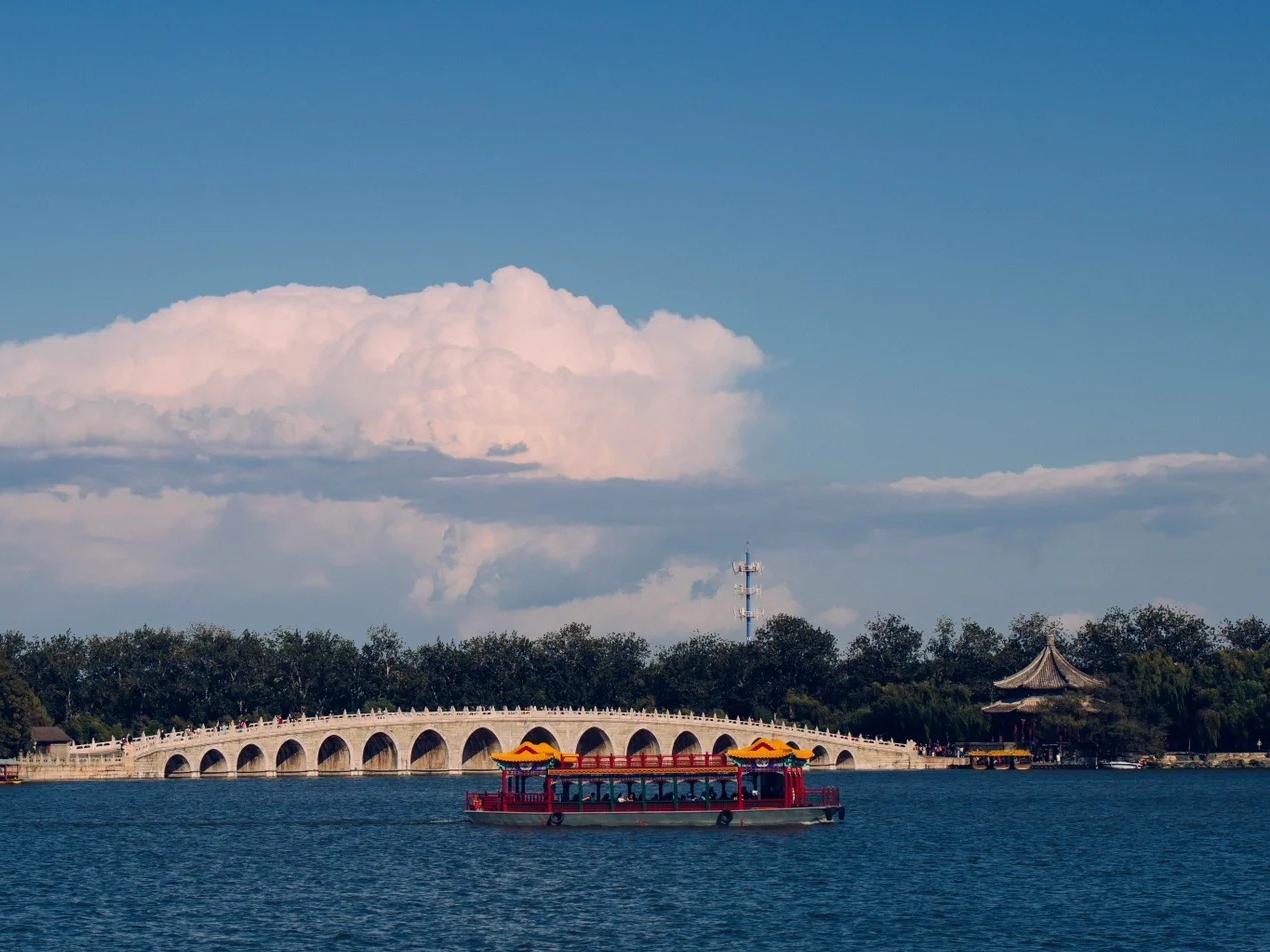
The Summer Palace became a famous imperial retreat, combining traditional Chinese gardens, lakes, palaces, and surrounding hills. Other royal gardens and residences were developed around the city.
These sites show a different side of imperial Beijing. While the Forbidden City represents political power and ceremonial life, the imperial gardens reveal the leisure, aesthetics, and cultural interests of the Qing court.
Traditional Beijing Life
Beyond the imperial palace, ordinary life continued in Beijing's hutongs and courtyard houses.
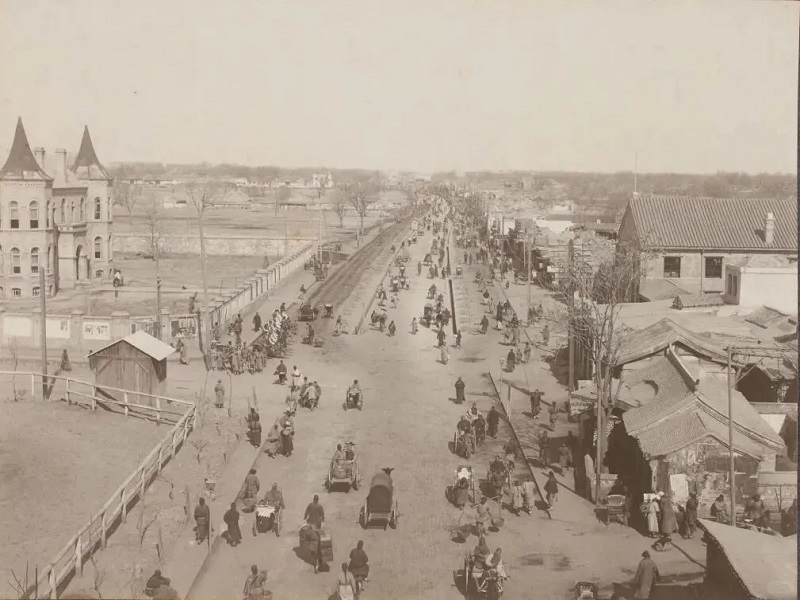
Hutongs became an important part of the city's traditional urban landscape. Narrow lanes connected residential courtyards, small shops, temples, and local communities.
Although many hutongs have changed over time, some historic neighborhoods remain and provide visitors with a glimpse of traditional Beijing life.
The End of Imperial Beijing
The Qing Dynasty ended in 1912 following the Xinhai Revolution, bringing more than two thousand years of imperial rule in China to an end.
The Forbidden City remained an important symbol of China's imperial past, while Beijing entered a new era as a modern political and cultural center.
The legacy of the Qing period can still be seen throughout Beijing today—from the Forbidden City and Summer Palace to traditional hutongs and historic neighborhoods.
Together with the Ming Dynasty, the Qing period created the imperial landscape that makes Beijing one of the world's most remarkable historic capitals.
Beijing in the 19th and Early 20th Centuries
The 19th and early 20th centuries brought major changes to Beijing. After centuries as the center of imperial China, the city entered a period of political unrest, social change, and modernization.
Beijing and a Changing China
During the 19th century, China faced increasing pressure from foreign powers and internal political challenges. Beijing remained the political center of the Qing Empire, making it an important stage for many of the events that shaped modern Chinese history.
Foreign conflicts and political changes gradually weakened the traditional imperial system. At the same time, new ideas about education, government, science, and society began to influence Beijing.
The End of Imperial Beijing
The Qing Dynasty came to an end in 1912 following the Xinhai Revolution. This marked the end of more than two thousand years of imperial rule in China.
The Forbidden City was no longer the center of an active imperial court, and Beijing began its transformation from an imperial capital into a modern political and cultural city.
However, the city's historical importance did not disappear. Its palaces, temples, city walls, and traditional neighborhoods remained important reminders of China's imperial past.
Beijing as a Center of Modern Culture
In the early 20th century, Beijing became an important center of education and intellectual life. Institutions such as Peking University attracted scholars and students from across China.
The city also played a major role in the May Fourth Movement of 1919, an important event in modern Chinese history that encouraged new ideas about education, culture, science, and society.
This period gave Beijing a new identity. It was no longer simply the capital of an empire, but also a center of modern Chinese thought and cultural change.
From Imperial Capital to Modern City
The early 20th century was therefore a bridge between two very different periods of Beijing's history. The old imperial system was disappearing, while a modern political and cultural city was emerging.
Visitors exploring Beijing today can still see evidence of both eras. Historic imperial landmarks stand alongside universities, modern neighborhoods, and contemporary city life, making Beijing a unique combination of China's past and present.
Beijing Since 1949: The Capital of Modern China
A new chapter in the history of Beijing began in 1949, when Beijing became the capital of the People's Republic of China.
Since then, the city has undergone enormous changes. Ancient palaces and traditional neighborhoods have been surrounded by modern roads, skyscrapers, business districts, and new residential areas, turning Beijing into one of China's most important modern cities.
Beijing Becomes the Capital of Modern China
On October 1, 1949, the People's Republic of China was established, with Beijing as its capital.
Tiananmen Square became one of the most important symbols of modern China. Located directly south of the Forbidden City, it also created a striking connection between Beijing's imperial past and its modern political history.
The city became the center of national government and an important hub for politics, education, culture, and international relations.
From Imperial City to Modern Metropolis
After 1949, Beijing expanded far beyond the boundaries of the old imperial city.
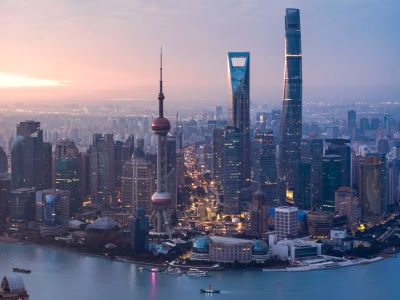
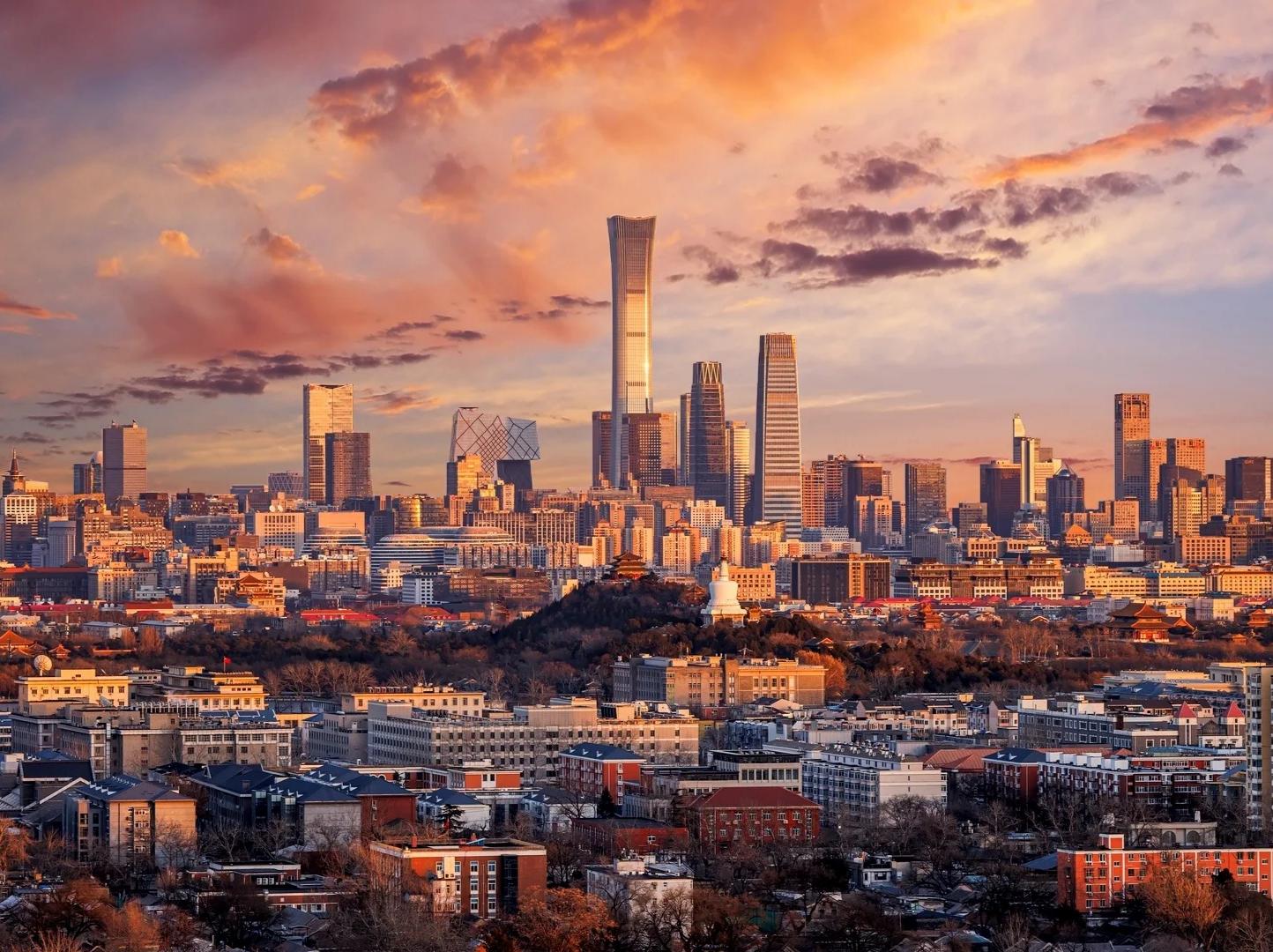
New roads, public buildings, universities, residential districts, and transportation networks were developed as the population grew. In more recent decades, modern business districts and high-rise buildings have further transformed the city's skyline.
Despite this rapid development, Beijing has continued to protect many important historical sites.
The Forbidden City, Temple of Heaven, Summer Palace, hutongs, and sections of the old city remain important parts of Beijing's cultural identity.
Beijing on the World Stage
Beijing's role as a global city became increasingly visible in the 21st century. The city hosted the 2008 Summer Olympics, introducing modern Beijing to an international audience on an unprecedented scale.
Beijing later became the first city to host both the Summer and Winter Olympic Games when it hosted the 2022 Winter Olympics.
These events reflected the city's transformation from an ancient imperial capital into a modern international metropolis.
Beijing Today
Today, Beijing combines thousands of years of history with modern urban life. Visitors can explore imperial palaces in the morning, walk through traditional hutongs in the afternoon, and experience a modern skyline and vibrant dining scene in the evening.
This combination is what makes Beijing unique. The city is not simply a place where historical buildings have been preserved. It is a living capital where ancient traditions and modern life continue to exist side by side.
From the ancient State of Yan to Yuan Dadu, from the Ming and Qing imperial city to the capital of modern China, the China Beijing timeline reflects the remarkable transformation of one of the world's great historic cities.
Beijing History Through Its Famous Landmarks
One of the best ways to understand the history of Beijing is to explore its famous landmarks. Many of the city's most popular attractions are closely connected to different periods of Chinese history, allowing visitors to see how Beijing developed from an imperial capital into a modern city.
Forbidden City: The Center of Imperial Power
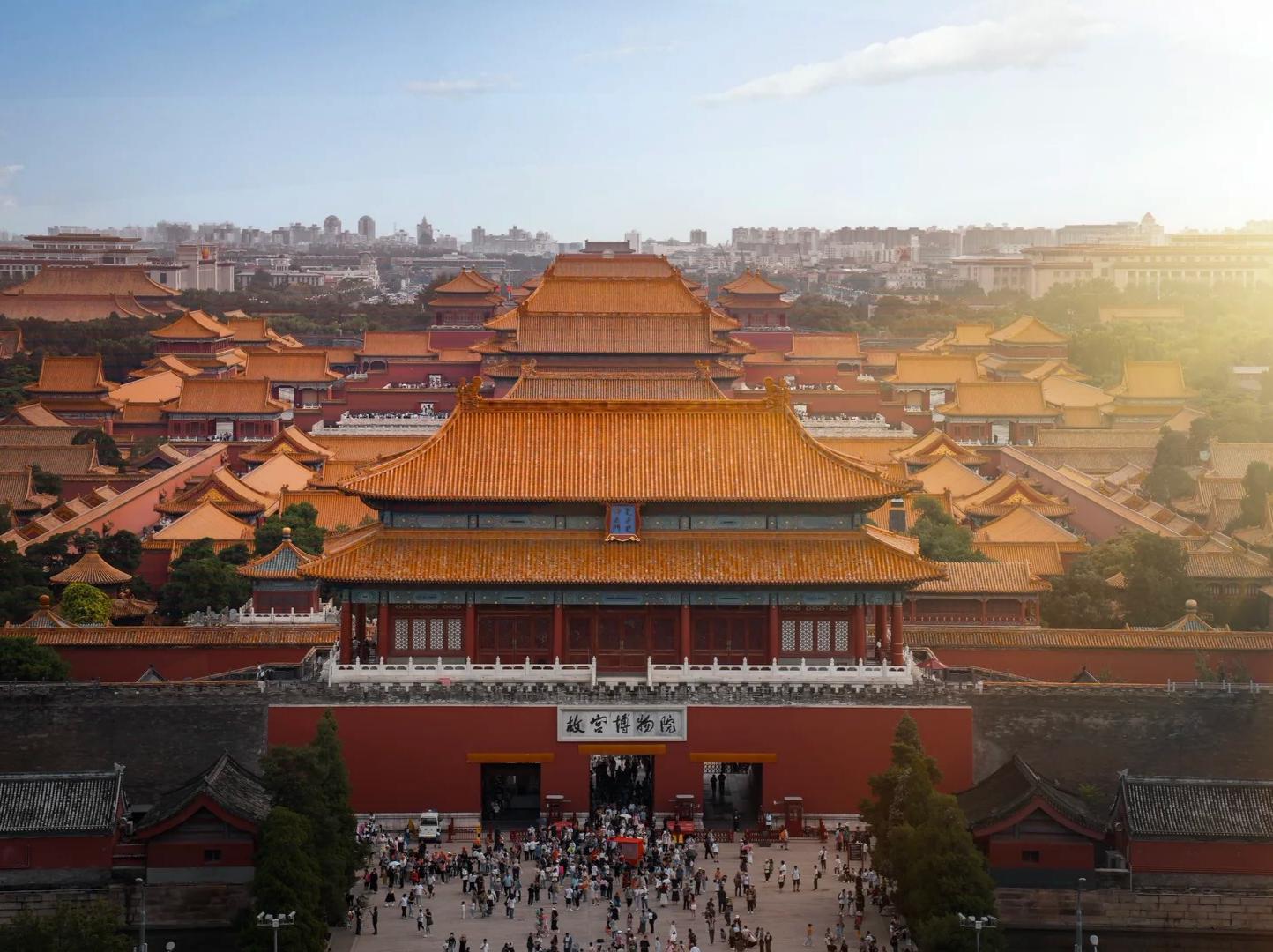
The Forbidden City is perhaps the most important historical landmark in Beijing. Built during the Ming Dynasty, it served as the imperial palace for the Ming and Qing emperors.
Its grand halls, courtyards, and traditional architecture reflect the structure and hierarchy of imperial China. Walking through the palace complex gives visitors a clear sense of how emperors and their courts once lived and governed the country.
Temple of Heaven: Imperial Rituals
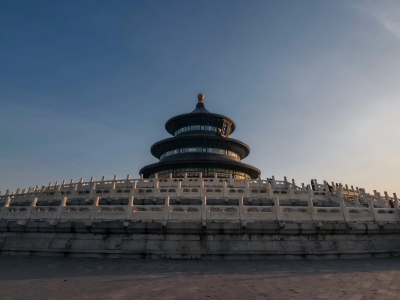
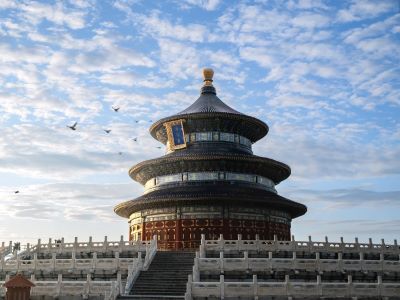
The Temple of Heaven is another essential site for understanding imperial Beijing. Built during the Ming Dynasty and expanded during the Qing Dynasty, it was where emperors performed important ceremonies to pray for good harvests.
Its impressive architecture and carefully designed layout reflect the ancient Chinese belief in the relationship between heaven, earth, and the emperor.
Tiananmen Square: From Imperial Gate to Modern Symbol
Located directly south of the Forbidden City, Tiananmen Square connects Beijing's imperial past with its modern history.
The area has witnessed many important events in modern China and remains one of the city's most recognizable landmarks. Visiting Tiananmen Square together with the Forbidden City provides a useful way to understand the transition from imperial China to modern China.
Summer Palace: The Imperial Garden
The Summer Palace offers a different perspective on Beijing's imperial history. Developed during the Qing Dynasty, it was used as an imperial retreat and is famous for its lake, gardens, palaces, and traditional architecture.
Unlike the formal atmosphere of the Forbidden City, the Summer Palace shows the leisure and artistic interests of the imperial court.
Hutongs: Traditional Beijing Life
Beijing's hutongs provide a glimpse into everyday life beyond the imperial palace.
These traditional lanes and courtyard houses developed around the historic city and became an important part of Beijing's urban culture. Walking through a hutong allows visitors to experience a quieter side of the city and see how local communities lived for generations.
Great Wall: Beijing and the Northern Frontier
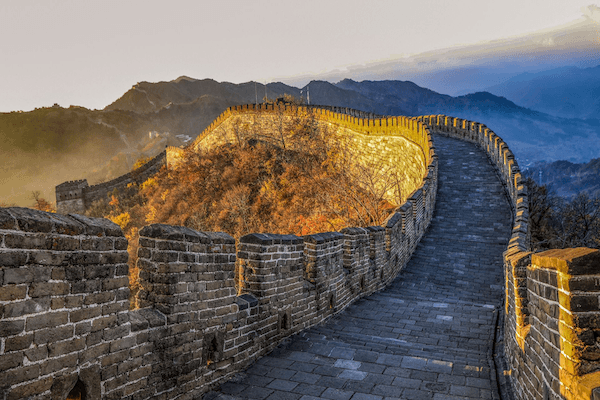
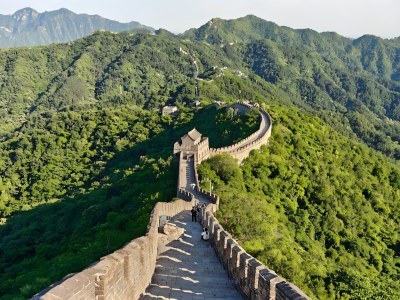
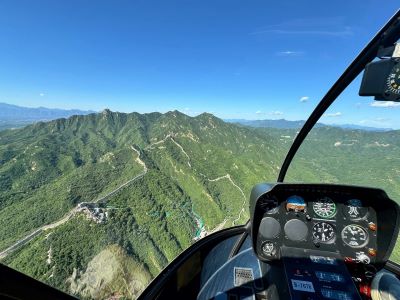
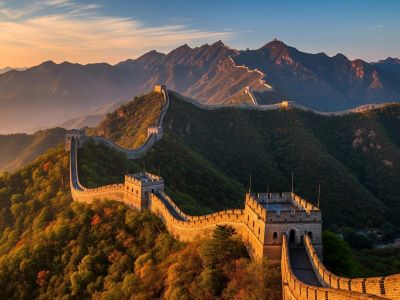
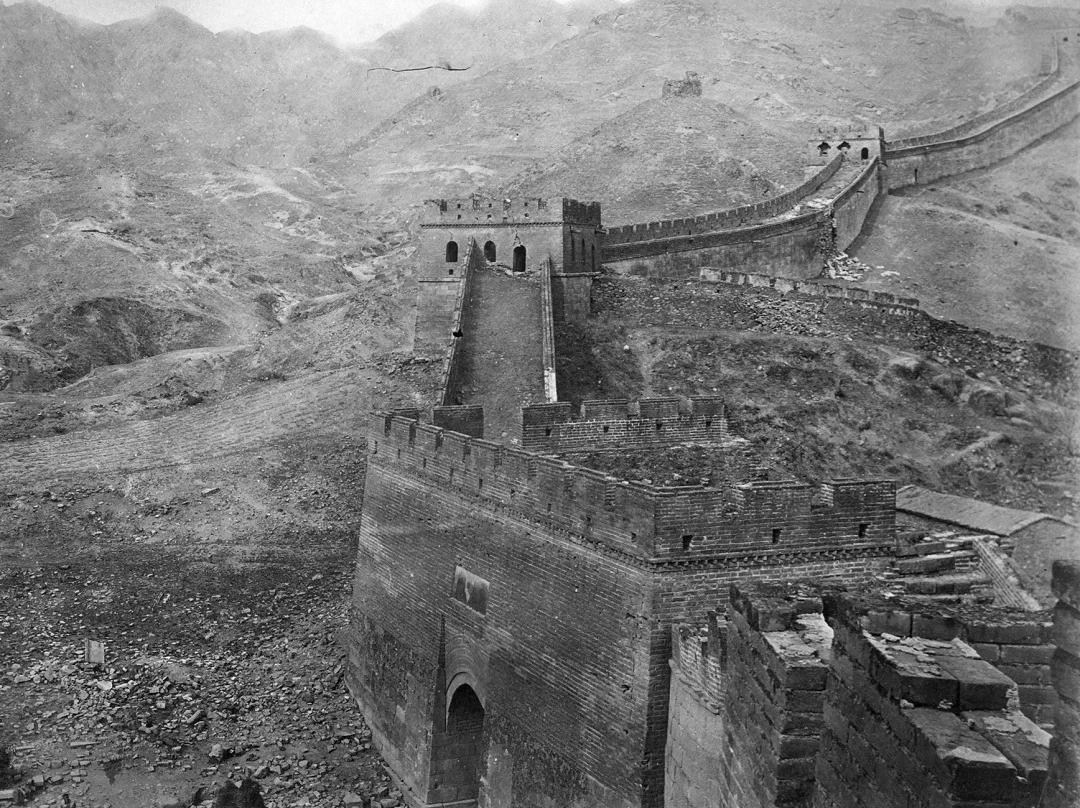
The Great Wall represents another important part of Beijing's history. Sections of the Great Wall near Beijing, including Mutianyu and Badaling, demonstrate the importance of northern defense throughout Chinese history.
Although the Great Wall stretches across many regions of China, the sections around Beijing are particularly popular with travelers because they combine impressive mountain scenery with a powerful connection to China's military history.
Beijing's Landmarks as a Historical Journey
Together, these landmarks create a natural historical journey through Beijing:
Great Wall → Ancient Frontier → Imperial Beijing → Modern Capital
By visiting different sites, travelers can see how Beijing's geography, political history, imperial culture, and modern development have shaped the city over thousands of years.
How Beijing's History Shaped the City Today
Beijing's history is still visible in the way the city looks and feels today. Its streets, landmarks, neighborhoods, and even its urban layout reflect decisions made by rulers and communities hundreds or even thousands of years ago.
The Central Axis of Beijing
One of the clearest examples is the Central Axis of Beijing.
Running broadly from north to south through the historic center, the Central Axis connects many of the city's most important landmarks. The Forbidden City, Jingshan Park, Tiananmen area, and other historic sites form part of this remarkable urban structure.
The Central Axis reflects the traditional planning principles of imperial Beijing, with the most important political and ceremonial buildings arranged around a strong central line.
Today, it remains one of the best ways to understand the structure of historic Beijing.
The Imperial City and Modern Beijing
Modern Beijing has expanded far beyond the boundaries of the old imperial city, but the historic center remains an important part of the capital.
Modern roads, business districts, shopping areas, and high-rise buildings now surround traditional palaces, temples, and neighborhoods.
This mixture gives Beijing its distinctive character. Ancient architecture does not simply exist separately from modern life—it is integrated into the city that people live and work in today.
Hutongs and Courtyard Houses
Traditional hutongs are another example of how history continues to influence modern Beijing.
The narrow lanes and courtyard houses were once ordinary residential spaces, but today they have become important symbols of Beijing's traditional culture. Some historic neighborhoods have been preserved, while others have been renovated and adapted to modern lifestyles.
For visitors, exploring a hutong can provide a more personal experience of Beijing than visiting a large imperial monument alone.
Beijing's History as a Living Heritage
The greatest legacy of Beijing's history is that it remains part of everyday life.
A visitor can walk through an imperial palace, explore a centuries-old neighborhood, enjoy traditional Beijing cuisine, and then travel to a modern business district—all within the same city.
This combination of ancient heritage and modern development is what makes Beijing different from a traditional historical site. It is a living capital shaped by thousands of years of history.
For travelers interested in the history of the capital of Beijing, the city is best understood not as a collection of isolated monuments, but as a continuous historical landscape where different dynasties and generations have left their mark.
Conclusion: Discover the History of Beijing
The history of Beijing is a story of continuous transformation—from the ancient State of Yan and early northern settlements to the capitals of the Liao, Jin, Yuan, Ming, and Qing dynasties, and finally the capital of modern China. Each period left behind unique landmarks, traditions, and urban landscapes that can still be experienced today.
For travelers, exploring Beijing is like walking through a living China Beijing timeline. The Forbidden City, Temple of Heaven, Summer Palace, hutongs, Central Axis, and Great Wall each reveal a different chapter of the city's past. Understanding these Beijing history facts can make a visit more meaningful, helping you see not only the buildings and streets but also the thousands of years of history behind them.
Beijing is more than an ancient capital preserved in time. It is a living city where imperial heritage, traditional culture, and modern life continue to exist side by side—making it one of the best places to discover the long and fascinating history of the capital of Beijing.