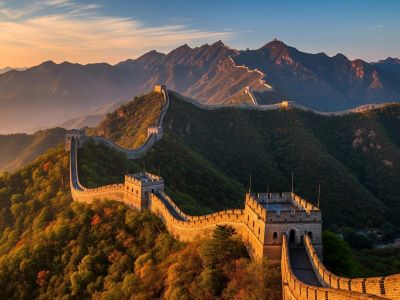
| Category | Information |
|---|
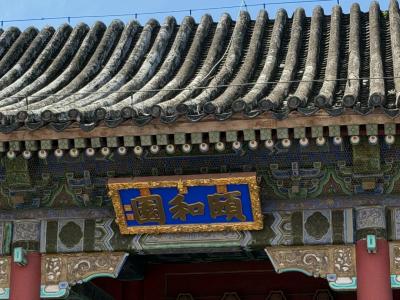
| Official Name | Summer Palace (颐和园, Yiheyuan) |
| Location | Haidian District, Beijing, China |
| Type | Imperial garden and UNESCO World Heritage Site |
| Built | Originally constructed in 1750 during the Qing Dynasty; rebuilt and restored after destruction in 1860 |
| Historical Period | Qing Dynasty (1644–1912) |
| Main Purpose | A royal retreat and summer residence for China's emperors and the imperial family |
| Famous For | Kunming Lake, Longevity Hill, Tower of Buddhist Incense, Long Corridor, Marble Boat |
| Area | Approximately 2.9 square kilometers (about three-quarters covered by water) |
| UNESCO Status | Listed as a UNESCO World Heritage Site in 1998 |
| Recommended Visit Time | 3–4 hours for highlights; half a day for a deeper experience |
| Best Seasons to Visit | Spring for flowers, summer for lake views, autumn for colorful foliage, winter for a quieter atmosphere |
| Nearest Metro Station | Beigongmen Station (Line 4) or Xiyuan Station (Line 4 / 16) |
| Ideal For | First-time Beijing visitors, history lovers, photographers, and travelers interested in Chinese culture |
With its combination of imperial history, natural beauty, and traditional Chinese design principles, the Summer Palace offers far more than a sightseeing stop. To truly appreciate its beauty, visitors need to understand the stories and ideas hidden behind its landscapes and architecture.
Why Visit Summer Palace?
More Than a Beautiful Scenic Spot in Beijing
Many visitors add the Summer Palace to their Beijing travel checklist because of its beautiful lake views, historic buildings, and famous landmarks. However, this UNESCO World Heritage Site offers much more than a place for photos.
The Summer Palace is a masterpiece of Chinese garden design. Its mountains, water, buildings, and pathways were carefully arranged to create a perfect balance between nature and architecture. Every area of the garden tells a story about Chinese art, royal life, and the traditional belief that humans should live in harmony with nature.
For first-time visitors, the Summer Palace is a chance to see one of Beijing's most beautiful attractions. For those who want a deeper experience, it offers a unique way to understand China's history and culture.
Discover the Beauty of Chinese Garden Design
A Landscape Designed Like a Painting
At first glance, the Summer Palace looks like a beautiful combination of a lake, hills, and traditional buildings. But its design follows a deeper idea from Chinese culture: creating harmony between people and nature.
Unlike a simple park, every view in the Summer Palace was carefully planned.
The designers used:
- Mountains and water to create balance
- Buildings and pathways to guide visitors' experiences
- Views from different angles to make the landscape feel like a living painting
The relationship between Longevity Hill and Kunming Lake is the best example.
The hill creates a strong background, while the lake provides a wide and peaceful view. Together, they create the classic Chinese landscape style of combining mountains and water.
The garden also reflects the Qing emperors' love for the scenery of southern China. By creating Kunming Lake and other scenic areas, they brought the feeling of China's famous water towns to Beijing.
The Summer Palace is not only a garden — it is a carefully designed landscape that turns nature into art.
Explore the History Behind the Imperial Garden
A Place Where Beauty Met Royal Power
The Summer Palace was not only a place for emperors to relax during the summer. It was also an important royal space connected with politics and court life.
During the late Qing Dynasty, the palace became closely associated with Empress Dowager Cixi, who used it as a residence and a place for government affairs.
The buildings and layout of the garden reflect the lifestyle and values of the imperial family.
For example:
Tower of Buddhist Incense
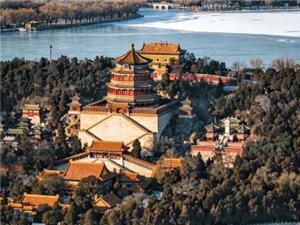
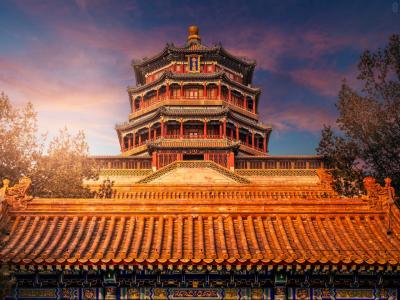
Located on the top of Longevity Hill, the Tower of Buddhist Incense is the most recognizable landmark in the Summer Palace.
Visitors come here for the amazing views, but its location also had symbolic meaning. Standing above the garden, it represented the importance and power of the imperial family.
Long Corridor
The famous Long Corridor was not just built for walking. It connected different areas of the garden while allowing the royal family to enjoy changing views of the lake and mountains.
Its thousands of paintings also show stories from Chinese history, literature, and mythology.
Behind every famous landmark in the Summer Palace is a story about China's royal culture.
Experience a Living Museum of Chinese Culture
More Than Buildings and Scenery
The Summer Palace is like an open-air museum where visitors can discover different forms of Chinese art.
You can find:
Traditional architecture
- Colorful paintings
- Ancient writing and calligraphy
- Cultural symbols and stories
One of the best examples is the Long Corridor.
Although many visitors stop here for photos, the corridor offers much more. The paintings along the walkway show scenes from Chinese legends, historical events, and famous stories.
As you walk through the corridor, you are not only viewing decorations — you are traveling through centuries of Chinese culture.
The beauty of the Summer Palace also changes with the seasons:
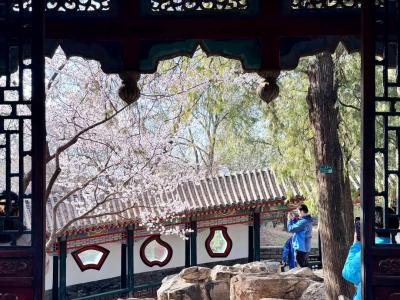
- Spring: flowers and fresh greenery create a lively atmosphere
- Summer: the lake reflects the buildings and mountains
- Autumn: golden leaves create one of Beijing's most beautiful views
- Winter: fewer visitors reveal a quieter and more peaceful side of the garden
The Summer Palace is a place where history, art, and nature come together.
Must-See Attractions at Summer Palace Beijing: Stories Behind the Iconic Landmarks
The Summer Palace is filled with famous landmarks, but each place has a deeper story behind it. Many visitors come for the beautiful views and photos, while a closer look reveals the history, culture, and ideas that shaped this royal garden.
From the symbolic position of the Tower of Buddhist Incense to the artistic details of the Long Corridor, every landmark reflects how the Qing imperial family viewed nature, beauty, and power.
Here are the must-see spots that help you truly understand the Summer Palace.
Longevity Hill & Tower of Buddhist Incense
More Than a Beautiful Viewpoint
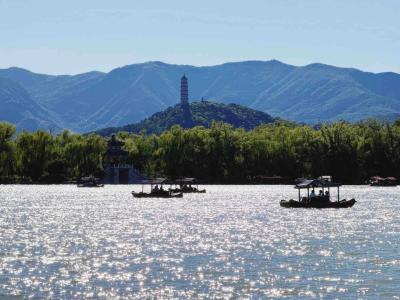
The Tower of Buddhist Incense is the most recognizable landmark in the Summer Palace. Standing on the top of Longevity Hill, it offers one of the best views of Kunming Lake and the entire garden.
For many visitors, it is simply a perfect photo spot. However, its location was carefully chosen and carries a deeper meaning.
The tower was placed at the highest point of the garden to create a strong visual center. As visitors walk upward along the hill, they gradually leave behind the busy lower areas and move toward a more peaceful and impressive view.
This upward journey was part of the garden's design.
In traditional Chinese culture, mountains often represent stability, strength, and a connection between humans and the natural world. By placing the Tower of Buddhist Incense above the landscape, the designers created a place that felt both spiritual and powerful.
What Makes It Special?
From the hilltop, visitors can see:
- Kunming Lake stretching across the garden
- Traditional buildings along the shoreline
- The carefully planned relationship between mountains and water
This is one of the best places to understand the overall design of the Summer Palace.
Travel Tip:
Instead of taking only a photo at the top, stop halfway up Longevity Hill and look back toward Kunming Lake. This viewpoint reveals how the entire garden was designed as one connected landscape.
Kunming Lake
A Royal Version of Southern China's Water Landscapes
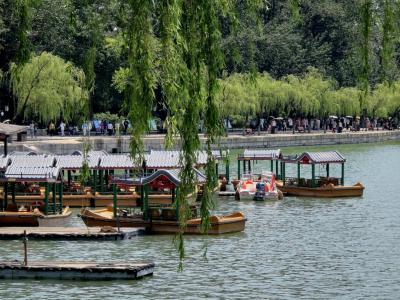
Kunming Lake covers most of the Summer Palace and is one of the main reasons the garden feels so peaceful and spacious.
At first glance, it looks like a natural lake. In fact, it was carefully expanded and designed during the Qing Dynasty.
Emperor Qianlong, who created the original imperial garden here, was deeply interested in the beauty of southern China, especially places such as:
- West Lake in Hangzhou
- The water towns of Jiangnan
- Traditional Chinese gardens in Suzhou
Instead of traveling far from Beijing, the emperor wanted to bring the feeling of southern landscapes into the capital.
The result was Kunming Lake — a place where visitors could experience the beauty of water, bridges, islands, and distant mountains.
More Than a Lake
Kunming Lake also plays an important role in the overall design of the Summer Palace.
The open water creates a sense of space, while Longevity Hill provides height and balance. Together, they form one of the most famous examples of traditional Chinese garden design.
The lake changes throughout the day:
- Morning light creates peaceful reflections
- Summer evenings bring cool breezes and beautiful sunsets
- Autumn colors create a classic Chinese painting atmosphere
The lake represents an emperor's dream of bringing the beauty of southern China to northern Beijing.
Long Corridor
The World's Longest Imperial Walkway
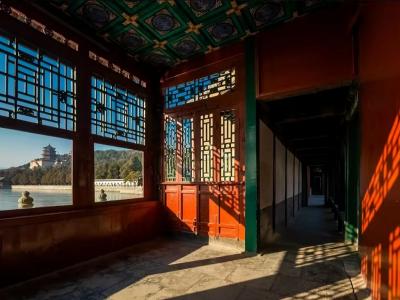
The Long Corridor is one of the most popular attractions in the Summer Palace. Stretching along the northern shore of Kunming Lake, it allows visitors to enjoy the scenery while walking comfortably through the garden.
Many visitors know it because of its impressive length and colorful paintings. But the corridor was designed for much more than practical use.
It created a special way of experiencing the garden.
Instead of seeing everything at once, visitors move slowly through different scenes:
- lake views on one side
- gardens and buildings on the other
- changing paintings above their heads
The journey itself becomes part of the experience.
A Gallery Without Walls
The Long Corridor contains thousands of traditional paintings featuring:
- Chinese legends
- historical stories
- famous landscapes
- scenes from classical literature
These paintings turned an ordinary walkway into an outdoor art gallery.
For the imperial family, walking through the corridor was not just transportation — it was a carefully designed cultural experience.
How to Experience It Better
Avoid rushing through the corridor.
Take time to notice:
- the painted beams above you
- the changing views of Kunming Lake
- how the scenery changes as you walk
Every section offers a different view of the garden.
The Long Corridor is not just a path through the Summer Palace — it is a journey through Chinese art and storytelling.
Marble Boat
A Symbol of Stability and Imperial Dreams
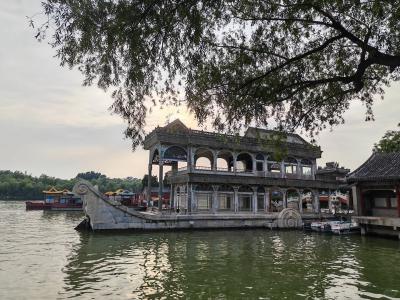
Located on the western side of Kunming Lake, the Marble Boat is one of the most unusual structures in the Summer Palace.
Unlike a real boat, it cannot move. It is built from stone and fixed permanently on the lakeshore.
This design created a powerful symbol:
A boat that never moves represents stability and permanence.
For the Qing imperial family, it reflected the hope that the empire would remain strong and unchanged.
A Beautiful Structure with a Complex History
The Marble Boat also reminds visitors of the difficult history behind the Summer Palace.
The garden was originally built in the Qing Dynasty but was heavily damaged in 1860 during the Second Opium War. It was later rebuilt and restored, becoming the Summer Palace we see today.
Because of this history, the Marble Boat represents both:
- the beauty and ambition of imperial China
- the challenges and changes faced by the Qing Dynasty
Why Visit?
Many visitors stop here because it is a beautiful photo location. But it is worth looking closer.
The contrast between a "boat" that cannot sail and an empire trying to remain unchanged makes this landmark one of the most meaningful places in the garden.
The Marble Boat is not only an architectural attraction — it is a reminder of history, ambition, and change.
Hidden Gems at Summer Palace Beijing: Lesser-Known Attractions Worth Exploring
Most visitors to the Summer Palace follow the classic route: Kunming Lake, the Long Corridor, and the Tower of Buddhist Incense. These landmarks are worth seeing, but they represent only one side of this vast imperial garden.
For travelers who want to explore beyond the usual photo spots, the Summer Palace also has quieter areas that reveal a different side of royal life — a world of private gardens, traditional Chinese aesthetics, and peaceful landscapes away from the crowds.
These hidden corners show that the Summer Palace was not only a place of imperial power, but also a place designed for relaxation, reflection, and enjoying nature.
Suzhou Street: A Royal Version of Jiangnan Life
Experience the Charm of Southern China Without Leaving Beijing
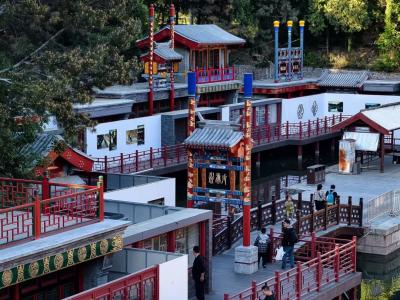
Hidden at the northern foot of Longevity Hill, Suzhou Street is one of the most unique areas of the Summer Palace.
Unlike the grand halls and open landscapes elsewhere in the garden, Suzhou Street feels smaller, more intimate, and more like a traditional Chinese water town.
The story behind this area dates back to the Qing Dynasty. Emperor Qianlong was fascinated by the beauty and lifestyle of Jiangnan — the region south of the Yangtze River known for its canals, gardens, and elegant towns.
However, traveling to Jiangnan was not always possible for the emperor. So he created a small version of this southern scenery inside the imperial garden.
The result was Suzhou Street, a riverside area with:
- Traditional-style shops
- Small bridges and waterways
- Buildings inspired by Jiangnan architecture
In the past, palace servants would act as shopkeepers, creating the feeling of a real marketplace for the emperor and royal family.
Why Visit Suzhou Street?
While many visitors focus on the grand imperial buildings, Suzhou Street offers a more personal view of royal life.
It shows that emperors were not only concerned with ceremonies and power — they also wanted to experience the beauty and everyday atmosphere of ordinary places.
Travel Tip:
Visit Suzhou Street in the morning when it is quieter. The reflection of traditional buildings on the water creates one of the most charming photo opportunities in the Summer Palace.
Garden of Harmonious Pleasures: A Quiet Garden Within the Imperial Garden
A Hidden Retreat Inspired by Classical Chinese Gardens
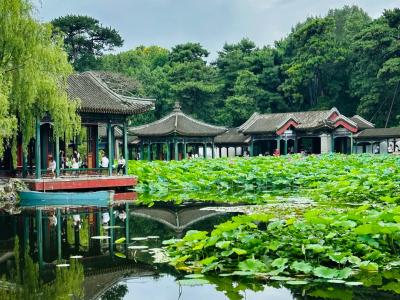
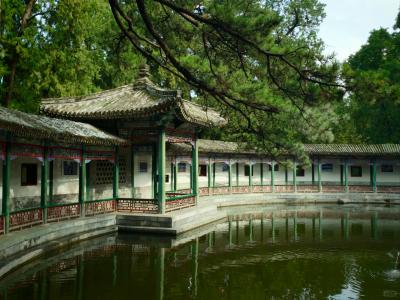
Located in the northeastern corner of the Summer Palace, the Garden of Harmonious Pleasures is a peaceful area that many visitors miss.
Compared with the impressive scale of Kunming Lake and Longevity Hill, this small garden feels completely different.
It features:
- Small ponds
- Elegant bridges
- Traditional pavilions
- Carefully arranged plants and rocks
The design follows the style of classical private gardens in southern China, especially those found in Suzhou.
While the main areas of the Summer Palace represent imperial grandeur, Xiequ Garden reflects a more personal and artistic side of Chinese garden culture.
It was a place where members of the royal family could enjoy quiet moments, appreciate nature, and escape from formal court life.
Why It Is Worth Visiting
The Summer Palace is famous for its large landscapes, but Xiequ Garden shows another important idea in Chinese gardening:
Beauty does not always come from size — it comes from balance and detail.
Small spaces can create a feeling of harmony through thoughtful design.
Travel Tip:
If you need a break from crowds, spend 20–30 minutes exploring Xiequ Garden. It is one of the best places in the Summer Palace to experience a quieter atmosphere.
Back Hill Area: The Less-Visited Side of the Summer Palace
Discover a More Natural and Peaceful Landscape
Most tourists spend their time around Kunming Lake and the southern areas of the Summer Palace. As a result, the northern Back Hill area remains much quieter.
This part of the garden feels very different from the famous landmarks.
Instead of wide lake views and large ceremonial buildings, visitors will find:
- Forest paths
- Natural landscapes
- Traditional temples and small structures
- Fewer crowds
The Back Hill area was designed to create a more natural and secluded atmosphere. It reflects another side of Chinese garden design — the idea of finding peace through simplicity and closeness to nature.
Walking here feels less like visiting a famous tourist attraction and more like discovering an old imperial retreat.
Why Explore the Back Hill?
For first-time visitors with limited time, the classic route is enough. But for travelers who have already seen the main attractions or want a deeper experience, the Back Hill area offers a different perspective.
Here, you can better understand how the Summer Palace balanced two different ideas:
- Imperial beauty and grandeur
- Natural simplicity and quiet reflection
Travel Tip:
The Back Hill area involves more walking and uneven paths, so wear comfortable shoes. It is best enjoyed at a relaxed pace rather than rushed between attractions.
Best Walking Routes at Summer Palace Beijing: Suggested Itineraries for Every Traveler
The Summer Palace is much larger than it looks on a map. With its mountains, lake, historic buildings, and hidden gardens, choosing the right route can make a big difference to your experience.
Some travelers only have a few hours to see the highlights, while others prefer a slower walk to discover the history and culture behind the landscape.
To help you plan your visit, here are three recommended Summer Palace walking routes based on different travel styles — from classic sightseeing to cultural exploration and photography.
Route 1: Classic Summer Palace Highlights Route (2–3 Hours)
Best for First-Time Visitors and Beijing Must-See Checklists
If you are visiting the Summer Palace for the first time, this classic route covers the most famous landmarks and gives you a complete introduction to the imperial garden.
Recommended Route: East Palace Gate (东宫门)-Hall of Benevolence and Longevity (仁寿殿)-Long Corridor (长廊)-Tower of Buddhist Incense (佛香阁)-Kunming Lake (昆明湖)-Seventeen-Arch Bridge (十七孔桥)
What You Will Experience
This route includes the most iconic sights of the Summer Palace:
- Hall of Benevolence and Longevity — the political center where Empress Dowager Cixi and Qing officials handled important affairs
- Long Corridor — a famous covered walkway decorated with thousands of traditional paintings
- Tower of Buddhist Incense — the best viewpoint overlooking the entire garden
- Kunming Lake and Seventeen-Arch Bridge — the perfect ending with classic Summer Palace scenery
This is the best choice for travelers who want to check off the major attractions while still enjoying the beauty of the landscape.
Best For:
- First-time visitors to Beijing
- Travelers with limited time
- Families and casual sightseeing trips
- Visitors looking for the most famous photo spots
Recommended Time: 2–3 hours
Route 2: Cultural Discovery Route (4–5 Hours)
Best for Travelers Who Want to Understand the History Behind the Summer Palace
For visitors who want more than beautiful views, this route explores the stories, history, and design ideas behind the imperial garden.
Instead of simply visiting landmarks, this itinerary helps you understand how the Summer Palace reflected royal life, Chinese aesthetics, and imperial culture.
Recommended Route: East Palace Gate (东宫门)-Hall of Benevolence and Longevity (仁寿殿)-Yulan Hall (玉澜堂)-Long Corridor (长廊)-Tower of Buddhist Incense (佛香阁)-Back Hill Area (后山)-Garden of Harmonious Pleasures (谐趣园)
Highlights Along the Way
Hall of Benevolence and Longevity: Discover Imperial Politics
Start your journey by learning about the political role of the Summer Palace.
Unlike many visitors who only focus on scenery, this stop reveals how the garden was connected with Qing Dynasty history.
Yulan Hall: Explore Royal Stories
Yulan Hall is closely connected with Emperor Guangxu and the late Qing imperial family.
This quieter area allows visitors to see a more personal side of palace life beyond grand ceremonies.
Back Hill and Xiequ Garden: Experience Traditional Garden Aesthetics
The northern area of the Summer Palace is less crowded and offers a more peaceful atmosphere.
Here, you can better appreciate the traditional Chinese idea of creating harmony between architecture and nature.
Best For:
- History lovers
- Cultural travelers
- Visitors who enjoy slower exploration
- Travelers visiting Beijing for several days
Recommended Time: Half day (4–5 hours)
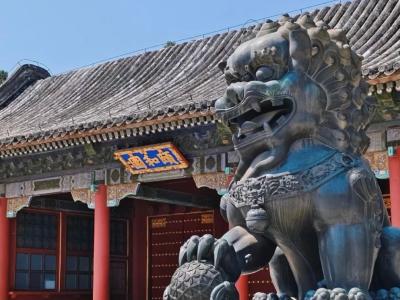
Route 3: Summer Palace Photography Route
Best Photo Spots and Scenic Views for Your Visit
The Summer Palace is one of the best photography locations in Beijing. Its combination of lake views, traditional architecture, and seasonal scenery creates countless photo opportunities.
For the best experience, plan your visit around the light and avoid the busiest hours.
Best Photo Spots at Summer Palace Beijing
1. Kunming Lake — Best for Sunrise Views
Best Time: Early morning
Why visit:
- Calm water creates beautiful reflections
- Fewer visitors around the lake
- Soft morning light creates a peaceful atmosphere
The view of Longevity Hill reflected on Kunming Lake is one of the most classic Summer Palace scenes.
2. Tower of Buddhist Incense — Best for Panoramic Views
Best Time: Late afternoon
Why visit:
- Overlooks the entire imperial garden
- Shows the relationship between the mountain and lake
- Perfect for wide landscape photos
This viewpoint helps you capture the full design of the Summer Palace.
3. Seventeen-Arch Bridge — Best for Reflections and Sunset
Best Time: Golden hour before sunset
Why visit:
- Beautiful lake reflections
- Classic architectural details
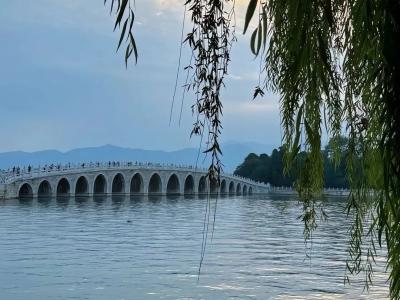
- One of the most recognizable views in the garden
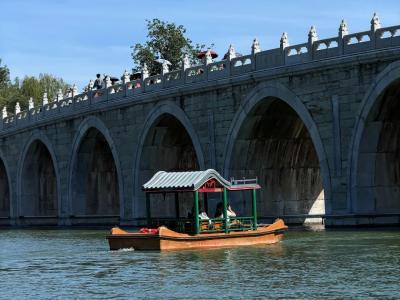
The bridge is especially beautiful when sunlight passes through its arches.
4. Long Corridor — Best for Architecture Photography
Best Time: Morning or late afternoon
Why visit:
- Colorful traditional paintings
- Repeating wooden columns create strong visual lines
- Unique combination of architecture and lake scenery
Make the Most of Your Summer Palace Visit with a Local Expert
Planning the right route can help you see more of the Summer Palace while avoiding common tourist mistakes. However, understanding the stories behind the landmarks, choosing the best viewpoints, and discovering hidden corners can be difficult without local knowledge.
If you want a deeper and more convenient experience, join our [Summer Palace Guided Tour] and explore the imperial garden with a professional guide. Discover the history behind the famous landmarks, follow a carefully planned route, and experience the Summer Palace beyond the typical sightseeing checklist.
What to See & Where to Eat Nearby
The Summer Palace is located in northwest Beijing, an area surrounded by universities, historic sites, and cultural attractions. If you have extra time, you can easily combine your visit with nearby landmarks and enjoy a local meal after exploring the imperial garden.
What to See Near Summer Palace Beijing
Old Summer Palace (Yuanmingyuan)
Located just a short distance from the Summer Palace, the Old Summer Palace was another important imperial garden of the Qing Dynasty.
Unlike the Summer Palace, which is known for its restored landscapes and peaceful scenery, Yuanmingyuan tells a more complex story through its ruins and history.
Why Visit:
- Learn about Qing Dynasty history
- See the famous Western-style ruins
- Experience a quieter historical site
Recommended Time: 1–2 hours
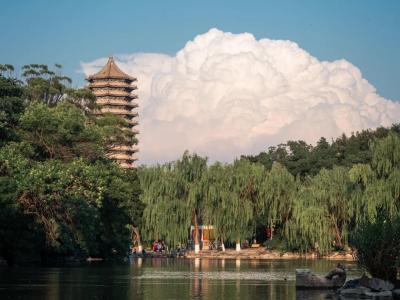
Peking University & Tsinghua University
Some of China's most famous universities are located near the Summer Palace.
Their beautiful campuses combine traditional Chinese architecture, historic buildings, and peaceful gardens.
Why Visit:
- Enjoy a relaxing walk
- See historic university architecture
- Experience Beijing's academic atmosphere
Recommended Time: 1–2 hours
Fragrant Hills Park (Xiangshan Park)
Located northwest of the Summer Palace, Fragrant Hills is famous for its natural scenery, especially the colorful autumn leaves.
It is a great choice for travelers who enjoy hiking and outdoor views.
Why Visit:
- Beautiful mountain scenery
- Great autumn photography
- A peaceful escape from the city
Recommended Time: Half day
Where to Eat Near Summer Palace Beijing
Try Classic Beijing Cuisine Near Summer Palace
Experience Traditional Flavors After Your Garden Visit
A visit to Beijing is not complete without trying some local specialties.
Recommended dishes include:
- Peking Duck (北京烤鸭): Crispy duck served with pancakes, sauce, and vegetables
- Zhajiangmian (炸酱面): Traditional Beijing noodles with soybean paste
- Beijing Snacks (北京小吃): Local desserts and traditional street-style snacks
For travelers who want a cultural experience, traditional Beijing restaurants near the Summer Palace are a great choice after sightseeing.
Recommended Restaurants Near Summer Palace Beijing
After visiting the Summer Palace, you can continue your Beijing cultural experience with some classic local dishes. From famous Peking Duck to traditional Zhajiangmian noodles, these restaurants offer a taste of authentic Beijing flavors.
Yujingxuan Beijing Roast Duck (御京轩·北京烤鸭)
Best for: Authentic Peking Duck Experience
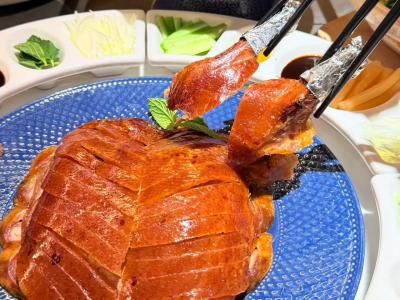
No trip to Beijing is complete without trying Peking Duck (北京烤鸭), one of the city's most famous dishes.
御京轩·北京烤鸭 offers a classic Beijing dining experience, featuring crispy roast duck served with thin pancakes, sweet bean sauce, and fresh vegetables.
After exploring the imperial gardens of the Summer Palace, enjoying a traditional roast duck meal is a great way to continue your journey through Beijing's history and food culture.
Recommended for:
- First-time visitors to Beijing
- Travelers wanting to try a signature local dish
- Families and groups
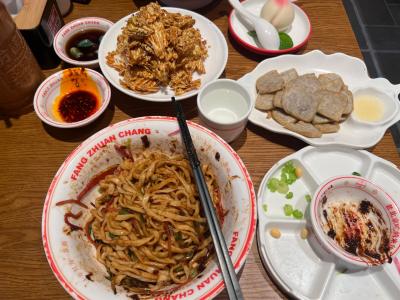
Fangzhuanchang No.69 Zhajiangmian (方砖厂69号炸酱面)
Best for: Traditional Beijing Noodles
For travelers who want to experience everyday Beijing flavors, Zhajiangmian (炸酱面) is a must-try local dish.
方砖厂69号炸酱面 is known for its classic Beijing-style noodles topped with soybean paste, vegetables, and traditional toppings.
Compared with the more formal roast duck experience, Zhajiangmian offers a simpler and more local taste of Beijing's daily food culture.
Recommended for:
- Budget-friendly local dining
- Travelers interested in authentic Beijing cuisine
- Visitors looking for a quick and casual meal
Haidian District Restaurants & Cafés
Best for: More dining choices
If you prefer more options, nearby areas such as Zhongguancun and Wudaokou offer many restaurants, cafes, and casual dining spots.
You can find:
- Chinese cuisine
- International restaurants
- Coffee shops
- Desserts and snacks
This area is especially convenient for travelers continuing their Beijing itinerary after visiting the Summer Palace.
Summer Palace Beijing Travel Tips: Expert Advice for a Better Visit
Plan Your Route Before Entering the Summer Palace
The Summer Palace is much larger than many visitors expect, with different areas offering completely different experiences.
Before your visit, check the map and decide which attractions you want to see, such as the Long Corridor, Tower of Buddhist Incense, and Kunming Lake.
A clear route will help you avoid unnecessary walking and make the most of your time.
Visit Early in the Morning to Avoid Crowds
The Summer Palace is one of Beijing's most popular attractions, especially during weekends and public holidays.
Arriving early means fewer crowds, better photo opportunities, and a more peaceful experience around Kunming Lake.
Morning light also creates beautiful reflections on the water.
Wear Comfortable Shoes and Allow Enough Time
The Summer Palace covers a large area with walking paths, stairs, and hills to explore.
Comfortable shoes are highly recommended, especially if you plan to visit Longevity Hill and the Tower of Buddhist Incense.
For a complete visit, it is best to spend around 3–4 hours exploring the garden.
Look Beyond the Famous Photo Spots
The Tower of Buddhist Incense and Seventeen-Arch Bridge are must-see landmarks, but they are only part of the Summer Palace experience.
Take time to explore quieter areas such as Suzhou Street and the Garden of Harmonious Pleasures.
These hidden corners reveal a more peaceful and artistic side of the imperial garden.
Pay Attention to the Relationship Between Mountains and Water
The beauty of the Summer Palace comes from the careful balance between Longevity Hill, Kunming Lake, and the surrounding architecture.
Instead of only taking photos, observe how each element connects with the others.
Understanding this design will help you appreciate why the Summer Palace is considered a masterpiece of Chinese garden design.
Choose the Best Season for Your Visit
The Summer Palace looks different throughout the year, and each season offers a unique experience.
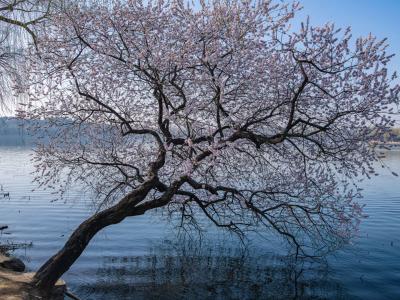
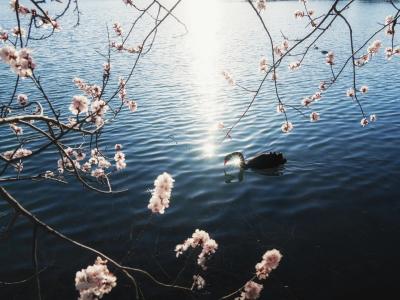
Spring brings flowers and fresh greenery, summer offers beautiful lake views, autumn creates colorful landscapes, and winter provides a quieter atmosphere.
Choose the season that matches the type of experience you want.
Summer Palace Beijing FAQ: Everything You Need to Know Before Visiting
Is Summer Palace Beijing Worth Visiting?
Yes. The Summer Palace is one of Beijing's top attractions and a great place to experience Chinese history, architecture, and garden design.
Unlike the Forbidden City, it combines royal culture with beautiful natural scenery, making it a more relaxing and scenic experience.
How Long Should I Spend at Summer Palace Beijing?
Most visitors need 3–4 hours to see the main highlights comfortably.
If you only have limited time, a 2-hour visit can cover the Long Corridor, Kunming Lake, and Tower of Buddhist Incense.
For a deeper experience, spend half a day exploring the hidden gardens and quieter areas.
Summer Palace or Forbidden City: Which One Should I Visit?
It depends on your interests.
- Forbidden City: Best for imperial history, grand architecture, and royal ceremonies.
- Summer Palace: Best for gardens, lake views, photography, and a relaxing walk.
If you have enough time in Beijing, both are worth visiting.
What Is the Best Time to Visit Summer Palace Beijing?
The best time to visit is spring and autumn when the weather is comfortable and the scenery is beautiful.
- Spring: flowers and fresh greenery
- Summer: beautiful lake views
- Autumn: colorful leaves and great photos
- Winter: fewer crowds and a peaceful atmosphere
What Are the Must-See Attractions at Summer Palace Beijing?
The top attractions include:
- Tower of Buddhist Incense: Best panoramic view of the garden
- Long Corridor: Famous walkway with traditional paintings
- Kunming Lake: The heart of the Summer Palace
- Seventeen-Arch Bridge: A classic photo spot
- Suzhou Street: A hidden area inspired by southern China's water towns
Is Summer Palace Suitable for Families and Older Travelers?
Yes. The lakeside areas are easy to explore and suitable for most visitors.
However, some areas like Longevity Hill require uphill walking, so comfortable shoes are recommended.
Do I Need a Guide for Summer Palace Beijing?
A guide is not required, but it can make your visit more meaningful.
A local guide can explain the history, stories, and cultural details behind the buildings that are easy to miss on your own.