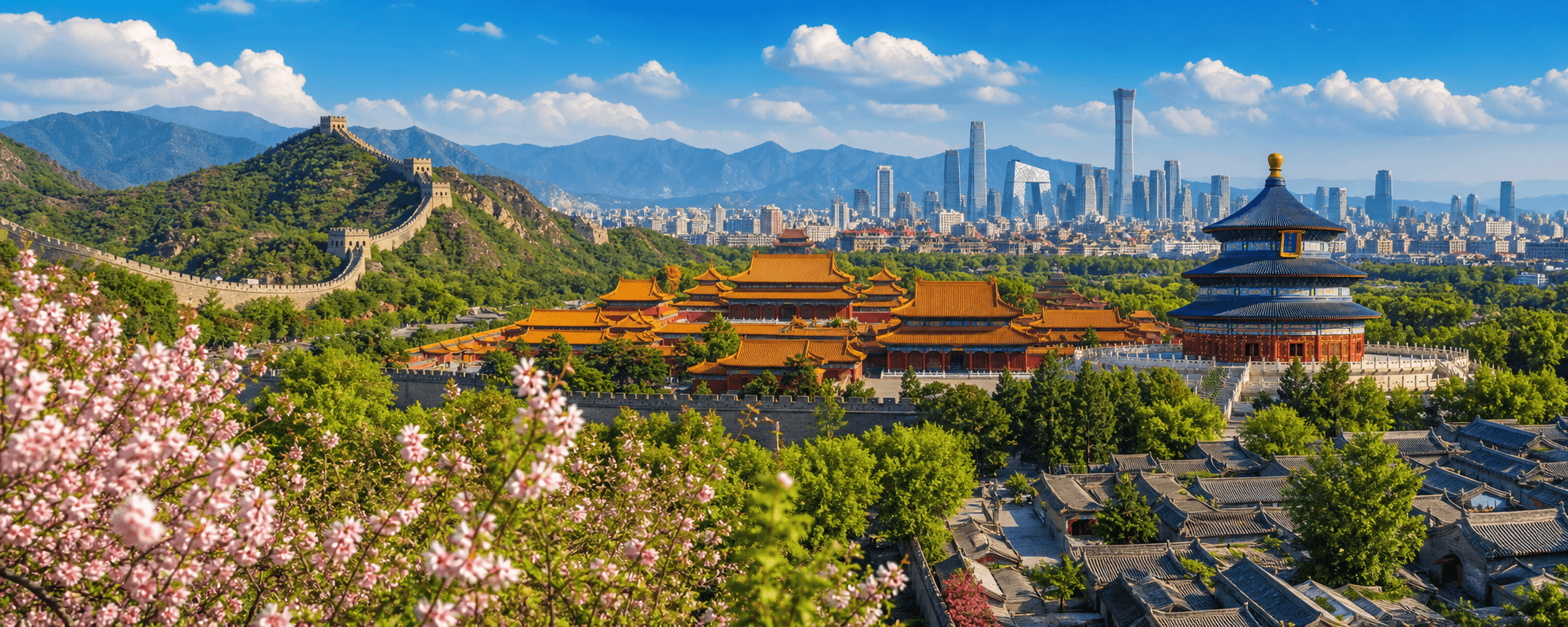
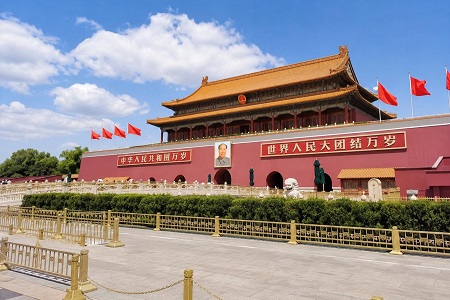
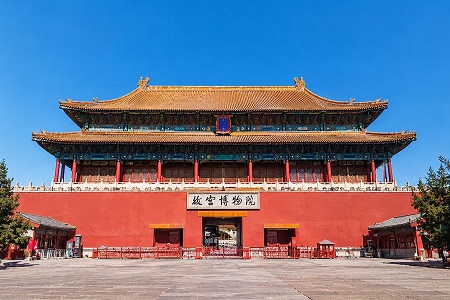
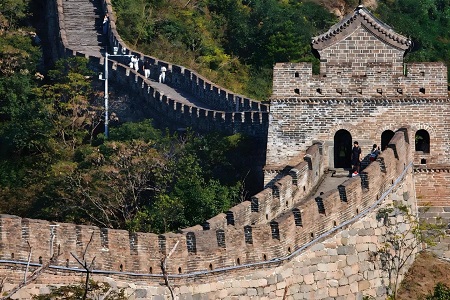
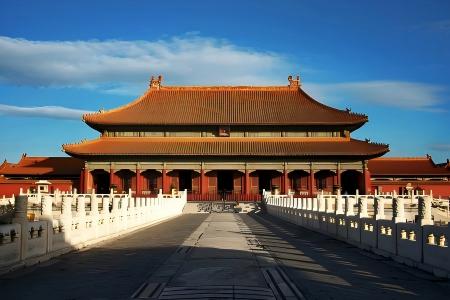
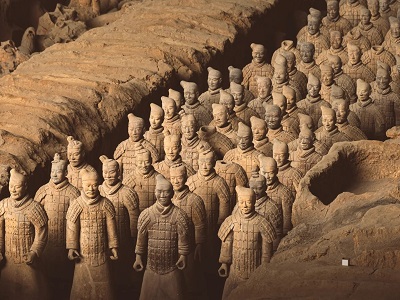
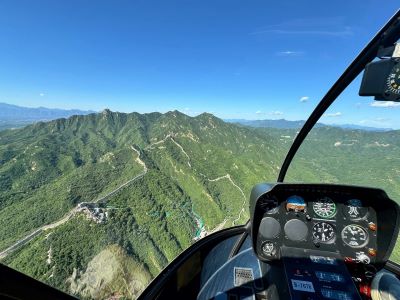
Beijing is a city where ancient history and modern life come together. As China's capital for centuries, it is home to some of the country's most iconic landmarks, including the Forbidden City, the Great Wall, the Temple of Heaven, and the Summer Palace.
Beyond its famous attractions, Beijing offers a deeper look into Chinese culture through traditional hutongs, local cuisine, historic temples, and vibrant neighborhoods. Whether you are a first-time visitor, a history lover, or a traveler seeking authentic local experiences, Beijing has something unforgettable to offer.
This China Beijing Travel Guide covers the best things to do, must-see attractions, transportation tips, food recommendations, and local insights to help you plan a smooth and memorable Beijing trip.
Essential Beijing Travel Information: Things to Know Before Your Trip
Quick Facts About Beijing
| Item | Details |
|---|
| Location | Northern China, along the northern edge of the North China Plain |
| Role | Capital city of China and the country's political, cultural, and historical center |
| Population | Over 20 million residents |
| Area | Approximately 16,410 square kilometers |
| Language | Mandarin Chinese (English is available in major tourist areas) |
| Currency | Chinese Yuan (RMB, ¥) |
| Time Zone | China Standard Time (UTC+8) |
| Best Time to Visit | Spring (April-May) and Autumn (September-October) |
| Main Airports | Beijing Capital International Airport (PEK) and Beijing Daxing International Airport (PKX) |
Beijing's Geography and City Layout
Beijing is located in northern China, surrounded by mountains to the northwest and open plains to the southeast. The city is known for its well-planned layout, with many historic landmarks arranged around the central axis running from the Forbidden City to the north and south.
For travelers, most major attractions are located in central districts such as Dongcheng, Xicheng, and Chaoyang. Staying in these areas makes it easier to visit iconic sites, explore local neighborhoods, and access public transportation.
Best Time to Visit Beijing
Beijing experiences four distinct seasons, and each season offers a different travel experience:
- Spring (April-May): Mild temperatures, blooming flowers, and comfortable weather make it a great time for sightseeing and outdoor activities.
- Summer (June-August): Warm and sunny, but also the busiest season with higher temperatures and more tourists.
- Autumn (September-October): Considered the best season to visit, with clear skies, pleasant weather, and beautiful autumn scenery.
- Winter (November-March): Cold but less crowded, offering a quieter experience and occasional snow-covered views of historic landmarks.
Currency and Payment Methods
Chinese Yuan (RMB) Is the Official Currency
The official currency used in Beijing is the Chinese Yuan (RMB, ¥). Although digital payments are now the most common way to pay, cash is still accepted at many businesses, including local restaurants, markets, and small shops.
Mobile Payments Are the Most Convenient Option
Digital payments are widely used in Beijing. Most restaurants, shopping malls, attractions, convenience stores, and transportation services accept:
- Alipay (支付宝, Zhīfùbǎo)
- WeChat Pay (微信支付, Wēixìn Zhīfù)
Foreign visitors can link international bank cards to these payment platforms, making daily transactions much easier.
Cash Is Still Available When Needed
Although fewer people use cash in daily life, carrying some Chinese Yuan is still recommended. Cash can be useful in traditional markets, small local stores, taxis, or places where digital payment may not be convenient.
Tips for Foreign Travelers:
1. Set up Alipay or WeChat Pay before your trip for smoother payments.
2. Keep a small amount of RMB for emergencies.
3. Check whether your bank card supports international mobile payments before traveling.
Language and Communication
Mandarin Chinese is the main language spoken in Beijing. English is commonly available at major tourist attractions, hotels, airports, and subway stations, but communication may be limited in local neighborhoods.
Travelers are recommended to download translation apps and save important addresses in Chinese characters when taking taxis or visiting less touristy areas.
How Many Days Do You Need in Beijing?
The ideal length of stay depends on your interests:
- 2 Days: Suitable for first-time visitors who want to see Beijing's highlights, including the Forbidden City, Tiananmen Square, and the Great Wall.
- 3-4 Days: Allows a more complete experience covering major attractions, traditional neighborhoods, temples, and local food.
- 5 Days or More: Perfect for travelers who want to explore hidden gems, museums, cultural experiences, and nearby destinations.
For most international visitors, spending 3-4 days in Beijing provides a good balance between famous landmarks and authentic local experiences.
Top Attractions in Beijing: Must-Visit Places for First-Time Travelers
Beijing is a city filled with world-famous landmarks, royal architecture, and cultural treasures. For first-time visitors, the best way to experience the city is to explore its historic sites, from ancient imperial palaces to the legendary Great Wall of China. Whether you are interested in history, architecture, photography, or local culture, these must-visit attractions offer a perfect introduction to Beijing.
The Forbidden City: Explore China's Imperial Palace
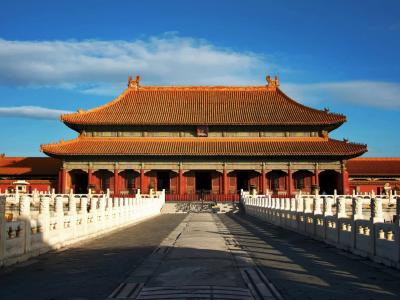
The Forbidden City is Beijing's most iconic attraction and a must-see for any first-time visitor. Located in the heart of the city, this magnificent palace complex served as the home of 24 emperors during the Ming and Qing dynasties for nearly 500 years.
Visitors can explore thousands of historic buildings, grand courtyards, and royal collections that showcase China's imperial history and traditional architecture.
Highlights:
- Walk through the famous Meridian Gate (Wumen)
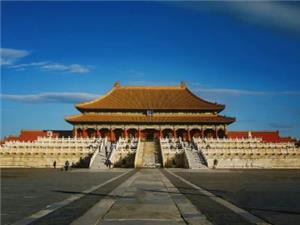
- Visit the Hall of Supreme Harmony, the largest ceremonial building
- Explore the Palace Museum's ancient artworks and treasures
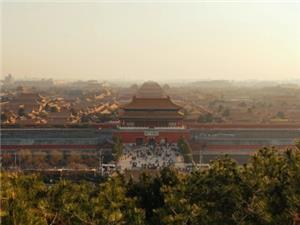
- Enjoy a panoramic view of the Forbidden City from Jingshan Park
Travel Tips:
- Book tickets online in advance, especially during peak seasons.
- Plan at least 2-3 hours for a complete visit.
- Visit in the morning to avoid large crowds.

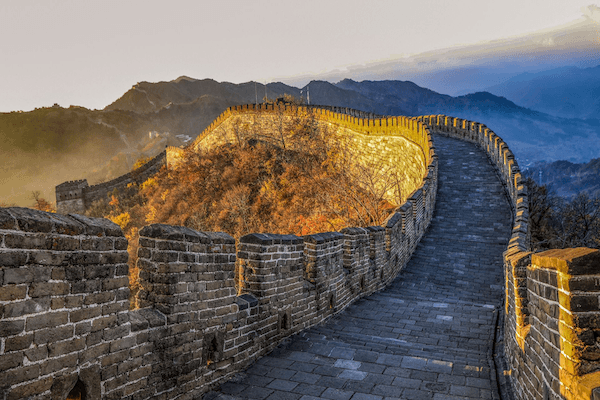
The Great Wall of China: Choose the Best Section to Visit
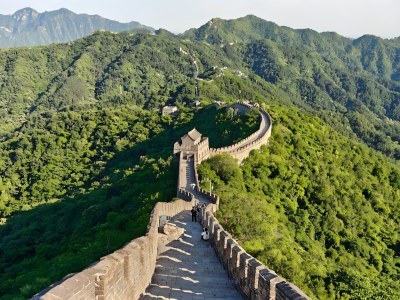
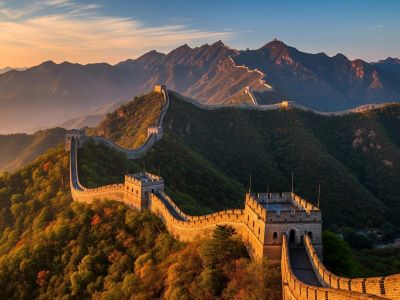
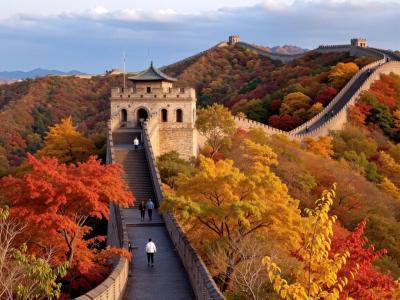
No Beijing travel guide is complete without mentioning the Great Wall of China. Stretching across mountains and valleys, the Great Wall is one of the world's most impressive historical landmarks and a symbol of Chinese civilization.
Several sections of the Great Wall are accessible from Beijing, each offering a different experience.
Mutianyu Great Wall: Best Choice for First-Time Visitors
Mutianyu is one of the most popular sections among international travelers because of its beautiful scenery, restored paths, and fewer crowds compared with Badaling.
Best for:
- First-time visitors
- Families
- Travelers looking for a comfortable Great Wall experience
Highlights:
- Stunning mountain views
- Cable car and toboggan rides
- Well-preserved watchtowers
Badaling Great Wall: The Most Convenient Option
Located closest to Beijing city center, Badaling is the most famous and easiest-to-access section of the Great Wall.
Best for:
- Short trips
- Travelers who prefer convenient transportation
- Visitors with limited time
However, it can become crowded during weekends and public holidays.
Jinshanling Great Wall: Best for Hiking and Photography
For travelers seeking a more authentic and less crowded experience, Jinshanling offers dramatic mountain scenery and excellent hiking routes.
Best for:
- Photography lovers
- Hiking enthusiasts
- Travelers wanting a quieter Great Wall experience
Temple of Heaven: Discover Ancient Chinese Ritual Culture
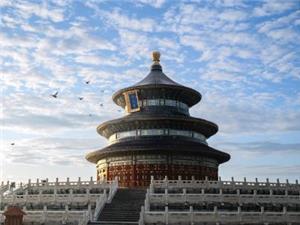
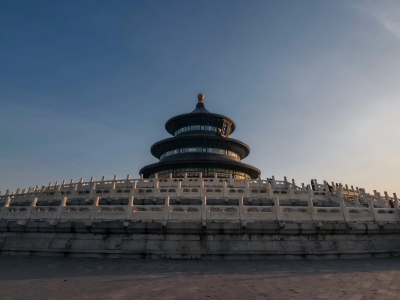
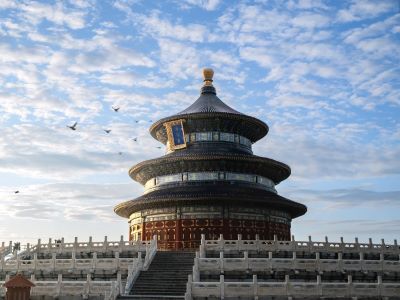
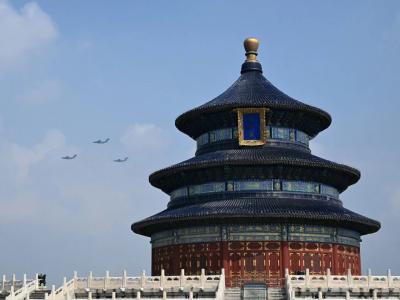
The Temple of Heaven is one of Beijing's most important historical sites and a masterpiece of ancient Chinese architecture. Built during the Ming Dynasty, it was where emperors performed ceremonies to pray for good harvests and communicate with heaven.
Today, the surrounding park is also a popular place to experience local life, where residents practice Tai Chi, play traditional games, and enjoy morning activities.
Highlights:
- Hall of Prayer for Good Harvests (Q祈年殿)
- Ancient Circular Mound Altar
- Local morning activities in the park
Travel Tips:
- Visit early morning to see local residents enjoying the park.
- Combine your visit with nearby attractions such as Qianmen Street.

Summer Palace: Experience Beijing's Royal Garden
The Summer Palace is a beautiful imperial garden located in northwest Beijing. Once a summer retreat for the Qing Dynasty royal family, it combines natural landscapes, traditional architecture, and peaceful waterways.
Visitors can enjoy scenic walks around Kunming Lake, explore ancient pavilions, and admire views from Longevity Hill.
Highlights:
- Long Corridor with traditional paintings
- Tower of Buddhist Incense
- Kunming Lake boat rides
Travel Tips:
- Allow 2-3 hours for a relaxed visit.
- Spring and autumn are the best seasons for exploring the gardens.
Tiananmen Square & National Museum of China: Explore Modern and Ancient China
Tiananmen Square is one of the most recognizable landmarks in Beijing and an important symbol of modern China. Located near the Forbidden City, it is often included in a classic Beijing sightseeing route.
Nearby, the National Museum of China offers a deeper understanding of Chinese history, culture, and civilization through extensive exhibitions.
Highlights:
Tiananmen Gate
Monument to the People's Heroes
National Museum of China
Travel Tips:
- Bring your passport for security checks.
- Visit early in the day to enjoy a smoother experience.
Hutongs: Experience Traditional Beijing Local Life
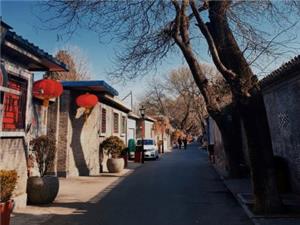
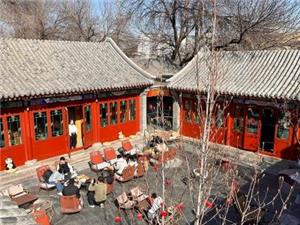
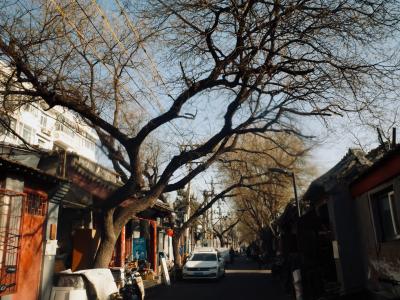
Beijing's hutongs are historic alleyways that reveal the city's traditional lifestyle. Walking through these narrow streets is one of the best ways to experience the local side of Beijing beyond famous landmarks.
Popular hutong areas include Shichahai, Nanluoguxiang, and Yandai Byway, where visitors can discover old courtyard houses, local cafes, small shops, and traditional culture.
Things to Do:
- Take a walking tour through old neighborhoods
- Visit traditional courtyard homes
- Enjoy coffee or tea in a historic alley
- Explore local shops and hidden restaurants
Travel Tips:
- Visit in the morning or late afternoon for a more relaxed atmosphere.
- Respect local residents when exploring residential areas.
Explore Beijing with a Well-Planned Private Tour
With so many historic landmarks, cultural sites, and local neighborhoods to explore, planning a Beijing trip can sometimes be overwhelming, especially for first-time visitors. A well-designed itinerary can help you save time, avoid crowded routes, and experience the best of Beijing with deeper cultural insights.
Our [Beijing Private Tours] are designed to cover the city's must-see attractions, including the Forbidden City, Great Wall, Temple of Heaven, Summer Palace, and traditional hutongs, with the flexibility to customize your schedule based on your interests. With a professional English-speaking guide and private transportation, you can enjoy a more comfortable and meaningful journey through China's capital.
Whether you are looking for a classic Beijing sightseeing tour, a Great Wall day trip, or an in-depth cultural experience, our Beijing tours offer an easy and memorable way to discover the city's history, traditions, and local lifestyle.
Best Things to Do in Beijing Beyond the Famous Attractions
While Beijing's famous landmarks such as the Forbidden City and the Great Wall attract millions of visitors every year, the city offers much more than its iconic attractions. To truly understand Beijing, travelers should explore its traditional neighborhoods, local lifestyle, cultural performances, and hidden corners that reveal the authentic charm of China's capital.
Explore Beijing's Hidden Cultural Corners
Beyond the classic sightseeing routes, Beijing has many lesser-known places where visitors can experience the city's history and creativity at a slower pace.
Prince Gong's Mansion: Discover Qing Dynasty Luxury
Located near Shichahai, Prince Gong's Mansion is one of the best-preserved royal residences from the Qing Dynasty. Compared with the crowded Forbidden City, it offers a more peaceful way to explore traditional Chinese gardens, courtyard architecture, and royal family life.
Highlights:
- Beautiful classical gardens
- Traditional courtyard buildings
- Stories of Qing Dynasty officials and nobles
Liulichang Culture Street: Walk Through Old Beijing's Literary Heritage
Liulichang Culture Street is a historic area famous for its traditional shops selling calligraphy, paintings, antiques, and cultural souvenirs. It is a great place to experience Beijing's connection with Chinese art and literature.
Things to Do:
- Browse traditional art stores
- Buy unique cultural souvenirs
- Enjoy historic architecture and old Beijing atmosphere
Wudaoying Hutong: Experience a Modern Side of Old Beijing
Wudaoying Hutong combines traditional Beijing alleyways with modern cafes, independent shops, and creative spaces. It is a popular choice for travelers who want to experience a more relaxed and stylish side of the city.
Best For:
- Coffee lovers
- Photography enthusiasts
- Travelers looking for local experiences beyond major attractions
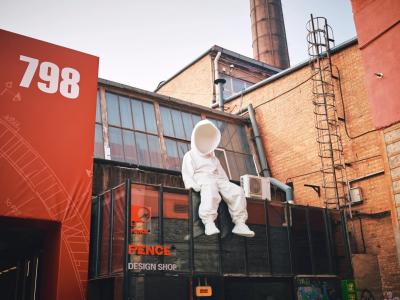
798 Art District: Discover Beijing's Contemporary Culture
The 798 Art District is a former industrial area transformed into one of Beijing's most famous contemporary art communities. Visitors can explore galleries, street art, creative studios, and unique exhibitions.
Highlights:
- Contemporary Chinese art galleries
- Industrial-style architecture
- Creative shops and cafes
Watch a Traditional Beijing Performance
Beijing is not only a city of historical sites but also a center of traditional Chinese performing arts. Watching a cultural show is a great way to experience Chinese traditions, especially for first-time visitors.
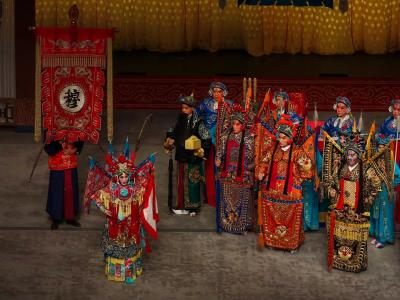
Beijing Opera
Beijing Opera combines singing, acting, music, and colorful costumes to tell stories from Chinese history and legends. Many theaters provide English subtitles or introductions for international visitors.
Kung Fu Shows
Kung Fu performances showcase traditional Chinese martial arts through impressive movements, storytelling, and stage effects. They are especially popular with families and visitors interested in Chinese culture.
Acrobatics and Cultural Performances
Acrobatics shows featuring balancing acts, aerial performances, and traditional skills provide an entertaining evening activity after a day of sightseeing.
Experience Beijing Like a Local
To discover the real Beijing, step away from the main attractions and experience the city's everyday lifestyle.
Enjoy Morning Activities in Local Parks
Early mornings in Beijing parks offer a glimpse into local life. Residents often practice Tai Chi, play traditional instruments, dance, or exercise together.
Recommended places:
- Temple of Heaven Park
- Beihai Park
- Jingshan Park
Visit Traditional Tea Houses
Tea culture has been an important part of Chinese life for centuries. Visiting a traditional tea house allows travelers to learn about Chinese tea preparation and enjoy a quieter cultural experience.
Explore Local Markets and Neighborhoods
Beijing's markets and residential areas offer opportunities to discover local snacks, handmade crafts, and everyday life.
Recommended experiences:
- Try traditional Beijing snacks
- Visit local food markets
- Explore historic residential areas
Enjoy Beijing's Nightlife and Evening Experiences
Beijing has a diverse nightlife scene that combines modern entertainment with traditional culture.
Popular evening activities include:
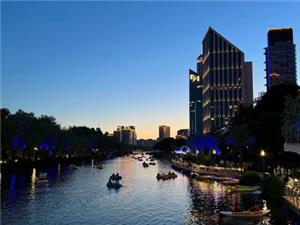
- Walking around Shichahai Lake
- Exploring Sanlitun's restaurants and bars
- Visiting Wangfujing Night Market area
- Watching traditional performances
An evening experience is a great way to see another side of Beijing after visiting historical attractions during the day.
Discover More of Beijing with a Local Expert
Beijing's charm goes far beyond its famous landmarks. From hidden hutongs and traditional performances to local neighborhoods and cultural experiences, exploring the city with a knowledgeable guide can help you discover stories and places that are easy to miss on your own.
Our [Beijing cultural tours] combine classic attractions with authentic local experiences, allowing travelers to explore imperial history, traditional lifestyles, and modern Beijing in one seamless journey. Whether you want to visit hidden gems, experience local culture, or create a personalized Beijing itinerary, our private tours provide a comfortable and insightful way to discover China's capital.
Beijing Food Guide: What to Eat and Where to Try It
Beijing is not only a city of history and culture but also a paradise for food lovers. Influenced by imperial cuisine, northern Chinese traditions, and local Beijing flavors, the city offers a unique food scene that combines centuries-old recipes with modern dining experiences. From the world-famous Peking Duck to traditional noodles, street snacks, and local desserts, exploring Beijing's food culture is an essential part of any China trip. For first-time visitors, trying authentic local dishes in the right places can make your Beijing experience even more memorable.
Must-Try Beijing Foods for First-Time Visitors
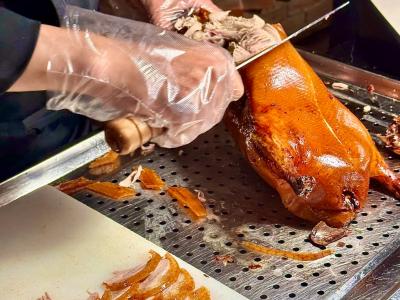
Peking Duck: Beijing's Most Iconic Dish
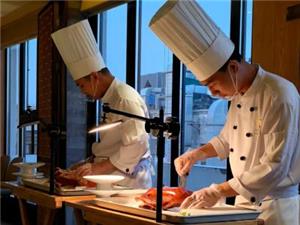
No Beijing food guide is complete without mentioning Peking Duck. Known for its crispy golden skin, tender meat, and traditional serving style, this famous dish has been enjoyed in Beijing for hundreds of years and was once served in imperial courts.
The traditional way to enjoy Peking Duck is to wrap thin slices of duck with pancakes, cucumber, spring onions, and sweet bean sauce.
Where to Try It:
- Siji Minfu (四季民福): Popular among locals and visitors for its high-quality duck and views near the Forbidden City.
- Quanjude (全聚德): One of Beijing's most famous Peking Duck restaurants with a long history.
Travel Tip:
Popular restaurants can have long waiting times, especially during dinner hours. Making a reservation in advance is recommended.
Zhajiangmian (炸酱面): Traditional Beijing Noodles
Zhajiangmian is one of Beijing's most representative local dishes. It features handmade noodles topped with fermented soybean paste, minced pork, and fresh vegetables.
This simple but flavorful dish reflects traditional Beijing home cooking and is a great choice for travelers who want to experience everyday local food.
Best Places to Try:
- Traditional noodle restaurants
- Local neighborhood eateries
- Old Beijing food streets
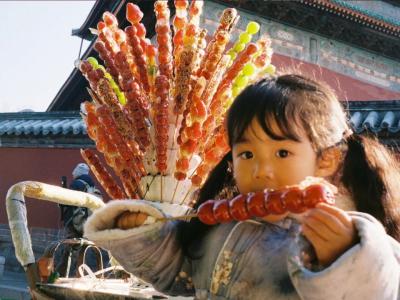
Tanghulu (糖葫芦): A Classic Beijing Snack
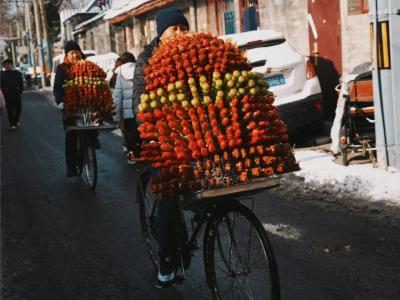
Tanghulu is a traditional snack made by coating hawthorn berries with a layer of hardened sugar syrup. Its sweet and sour flavor makes it one of Beijing's most recognizable street foods.
You can often find it around:
- Wangfujing area
- Shichahai
- Traditional shopping streets
Best Places to Experience Beijing Food Culture
Traditional Restaurants
For travelers who want authentic Beijing flavors, traditional restaurants are the best choice. Many historic restaurants have preserved classic cooking methods and offer dishes that represent the city's culinary heritage.
Recommended experiences:
- Peking Duck restaurants
- Old Beijing noodle shops
- Traditional Chinese restaurants
Street Food Areas
Beijing's street food areas are perfect for trying snacks and experiencing local atmosphere.
Wangfujing Snack Street: One of Beijing's most famous food streets, Wangfujing is convenient for tourists and offers a variety of traditional snacks.
Guijie Street (簋街): Known for its lively atmosphere and restaurants open late into the night, Guijie Street is a popular place for local dining and evening food experiences.
Shichahai Area: Combining historic scenery with restaurants, bars, and traditional snacks, Shichahai is a great place to enjoy food while exploring old Beijing neighborhoods.
Tips for Exploring Beijing Food Like a Local
Look Beyond Tourist Restaurants
Some of the best Beijing food can be found in small neighborhood restaurants rather than famous tourist spots.
Learn a Few Basic Food Phrases
Knowing simple Chinese words can make ordering easier:
不要辣 (bú yào là) — No spicy
少辣 (shǎo là) — Less spicy
谢谢 (xiè xie) — Thank you
Visit Local Restaurants During Off-Peak Hours
Popular restaurants can become crowded during lunch and dinner. Visiting earlier can help avoid long waits.
Try Both Famous Dishes and Everyday Food
While Peking Duck is a must, don't miss local favorites such as noodles, breakfast foods, and traditional snacks to experience the real flavors of Beijing.
Taste Beijing Through a Local Food Experience
Beijing's food culture is deeply connected with its history, traditions, and local lifestyle. From enjoying authentic Peking Duck to exploring hidden food streets and discovering everyday Beijing flavors, a guided food experience can help you find the best dishes without worrying about language barriers or tourist traps.
Our [Beijing food tours] take you beyond typical restaurants, combining famous local dishes, traditional neighborhoods, and cultural stories. Whether you want to explore old Beijing snacks, discover hidden local restaurants, or enjoy a customized culinary journey, our food experiences offer a delicious way to understand the city through its flavors.
How to Getting Around Beijing
Beijing is a large city with an efficient transportation system, making it easy for travelers to visit major attractions and explore different neighborhoods. Most international visitors can get around Beijing conveniently by subway, taxi, ride-hailing apps, or private transportation.
Subway: The Most Convenient Way to Explore Beijing
Beijing's subway system covers most major tourist areas, including the Forbidden City, Temple of Heaven, Summer Palace, Wangfujing, and Sanlitun. It is affordable, reliable, and usually the best option for avoiding Beijing's heavy traffic.
Tips:
1. English signs are available at subway stations.
2. Avoid rush hours in the morning and evening.
3. Use mobile payment apps or transportation cards for easier travel.
Taxi and Ride-Hailing Apps
Taxis and ride-hailing services such as DiDi are convenient options, especially when traveling with luggage or visiting places that are not close to subway stations.
Tips for Foreign Travelers:
1. Save your destination address in Chinese characters.
2. Use official taxi stands at airports and train stations.
3. Check the route and price through the app when possible.
Make the Most of Your Beijing Layover
If you have a long layover at Beijing Capital International Airport (PEK) or Beijing Daxing International Airport (PKX), you don't have to spend your waiting time inside the airport. With proper planning, you can explore some of Beijing's most iconic landmarks, such as the Great Wall, Forbidden City, or Temple of Heaven, before your next flight.
A private [Beijing layover tour] allows you to enjoy a hassle-free short visit with airport pickup, comfortable transportation, and a flexible itinerary designed around your flight schedule. With the help of a local guide, you can make the most of your limited time and experience the highlights of Beijing without worrying about transportation or timing.
Where to Stay in Beijing: Best Areas for Travelers
Choosing the right area to stay can make your Beijing trip more convenient. For most first-time visitors, staying in central districts with easy access to attractions and public transportation is recommended.
Dongcheng & Xicheng: Best for First-Time Visitors
The historic heart of Beijing, Dongcheng and Xicheng districts are ideal for travelers who want to stay close to major attractions such as the Forbidden City, Tiananmen Square, and Temple of Heaven.
Best for:
- First-time visitors
- History and culture lovers
- Travelers with short stays
Wangfujing: Best for Convenience
Wangfujing is a popular choice for visitors who want easy access to sightseeing, shopping, and restaurants. Its central location makes it convenient for exploring Beijing's classic attractions.
Best for:
- Families
- Travelers seeking convenience
- Visitors who prefer major hotel areas
Hutong Areas: Best for Local Experiences
Staying near traditional hutong neighborhoods such as Shichahai and Gulou offers a more authentic Beijing atmosphere, with historic streets, local restaurants, and traditional courtyard houses.
Best for:
- Cultural travelers
- Visitors looking for a unique experience
Sanlitun & Chaoyang: Best for Modern Beijing
For travelers who prefer a more modern city atmosphere, Chaoyang District offers international restaurants, shopping malls, nightlife, and many upscale hotels.
Best for:
- Business travelers
- Younger travelers
- Visitors interested in nightlife
Plan Your Perfect Beijing Trip
Beijing is a city with thousands of years of history, and the ideal itinerary depends on how much time you have and what you want to experience. A well-planned route can help you cover the city's famous landmarks while leaving enough time to enjoy local culture, food, and neighborhoods.
For international visitors, joining a multi-day Beijing tour is a convenient way to explore the city without worrying about transportation, attraction reservations, or itinerary planning. Our Beijing tours are carefully designed to combine must-see attractions with authentic local experiences, making your trip more comfortable and efficient.
2-Day Beijing Classic Tour: Discover the City Highlights
A short visit can still cover Beijing's most iconic landmarks with an efficient itinerary.
Day 1: Imperial Beijing Experience
Tiananmen Square
Forbidden City
Jingshan Park
Wangfujing Street
Day 2: Great Wall Adventure
Mutianyu Great Wall
Hutong exploration
Shichahai area
This itinerary is ideal for first-time visitors who want to experience Beijing's most famous attractions in a limited time.
3-Day Beijing Cultural Tour: History, Heritage & Local Life
Three days allows travelers to explore Beijing's imperial history while experiencing more of the city's traditional culture.
Suggested itinerary:
Forbidden City and Tiananmen Square
Temple of Heaven and Summer Palace
Mutianyu Great Wall
Hutongs and local neighborhoods
This option provides a more balanced experience, combining historical landmarks, natural scenery, and local lifestyle.
4-5 Day Beijing In-Depth Tour: Explore Beijing Beyond the Highlights
With more time, travelers can discover Beijing at a slower pace and visit both famous attractions and hidden cultural gems.
A longer itinerary may include:
Classic landmarks such as the Forbidden City and Great Wall
Traditional temples and royal gardens
Local food experiences
Hutong culture
Museums and cultural areas
A multi-day private tour is recommended for travelers who want a deeper understanding of Beijing's history and local life while enjoying flexible schedules and comfortable transportation.
Explore Beijing with a Carefully Designed Multi-Day Tour
Whether you have two days or a full week, the right itinerary can make a huge difference when exploring Beijing. Our [Beijing multi-day tours] combine professional local guides, private transportation, and carefully selected attractions to help you experience the best of China's capital without the stress of planning every detail.
From classic Beijing sightseeing to cultural discoveries and customized private journeys, our tours offer a convenient way to explore Beijing at your own pace.
Practical Travel Tips
1. Book Popular Attractions in Advance: Many famous attractions in Beijing, such as the Forbidden City and some museums, require advance reservations. Book tickets early, especially during weekends and holidays, to avoid sold-out situations.
2. Prepare Mobile Payment Before Arrival: Alipay and WeChat Pay are widely used for daily payments in Beijing, including restaurants, shops, and transportation. Setting up mobile payment before your trip will make your travel much more convenient.
3. Download Useful Travel Apps: Apps like Alipay, DiDi, Baidu Maps, and translation tools can make getting around Beijing easier. Having these apps ready before arrival can save time and reduce communication difficulties.
4. Plan Your Route Based on Location: Beijing is a large city, and attractions are often far apart. Group nearby attractions together to reduce travel time and avoid spending too much time on the road.
5. Carry Your Passport: Foreign visitors should keep their passport with them when traveling in Beijing. It may be required for attraction entry, hotel check-in, or other travel services.
6. Wear Comfortable Shoes: Many Beijing attractions, including the Forbidden City and the Great Wall, require a lot of walking. Comfortable shoes are essential for enjoying your sightseeing experience.
7. Learn a Few Basic Chinese Phrases: English is available in major tourist areas, but basic Chinese phrases can make communication easier. Simple words like “hello,” “thank you,” and “no spicy” are especially useful.
8. Check Weather and Air Quality Before Traveling: Beijing has four distinct seasons with hot summers and cold winters. Checking the weather forecast before your trip helps you prepare suitable clothing and plan outdoor activities.
FAQ
Is Beijing worth visiting for the first time in China?
Yes. Beijing is one of the best destinations for first-time visitors to China, offering a combination of world-famous landmarks, rich history, traditional culture, and modern city experiences.
How many days do you need in Beijing?
Most travelers need 3-4 days to experience Beijing's major attractions, including the Forbidden City, Great Wall, Temple of Heaven, and Summer Palace. A shorter 2-day trip can cover the highlights, while 5 days or more allows for deeper exploration.
What is the best time to visit Beijing?
The best times to visit Beijing are spring (April-May) and autumn (September-October) when the weather is comfortable and outdoor sightseeing is more enjoyable. Autumn is especially popular for clear skies and beautiful scenery.
Is Beijing safe for foreign tourists?
Beijing is generally considered a safe city for international travelers. As with any major destination, visitors should take normal precautions, protect personal belongings, and follow local regulations.
Can foreigners use mobile payment in Beijing?
Yes. Foreign visitors can use platforms such as Alipay and WeChat Pay by linking international bank cards. Mobile payment is widely accepted at restaurants, shops, attractions, and transportation services.
Do I need to book Beijing attractions in advance?
Yes. Many popular attractions, including the Forbidden City, require advance reservations. Booking early is especially important during weekends, holidays, and peak travel seasons.
Is English widely spoken in Beijing?
English is commonly available at major hotels, airports, subway stations, and tourist attractions. However, English may be limited in local restaurants and neighborhoods, so translation apps can be helpful.
Should I visit the Great Wall during my Beijing trip?
Absolutely. The Great Wall is one of Beijing's must-see attractions and a highlight for most visitors. Mutianyu is often recommended for first-time travelers because it offers beautiful scenery and a comfortable sightseeing experience.

Final Thoughts
Beijing is a destination where ancient history, cultural traditions, and modern city life come together. From walking through the Forbidden City and standing on the Great Wall to exploring traditional hutongs and tasting local cuisine, the city offers endless opportunities for discovery.
With proper planning, travelers can enjoy Beijing's iconic attractions while also experiencing the authentic side of local life. Choosing the right itinerary, transportation, and travel services can help you make the most of your time in China's capital.