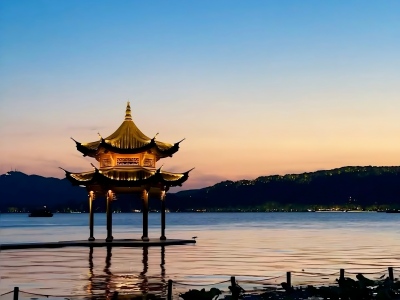
Located in the historic center of Hangzhou, Deshou Palace (德寿宫) is one of the city's most fascinating cultural attractions, offering visitors a rare opportunity to explore the royal heritage of the Southern Song Dynasty.
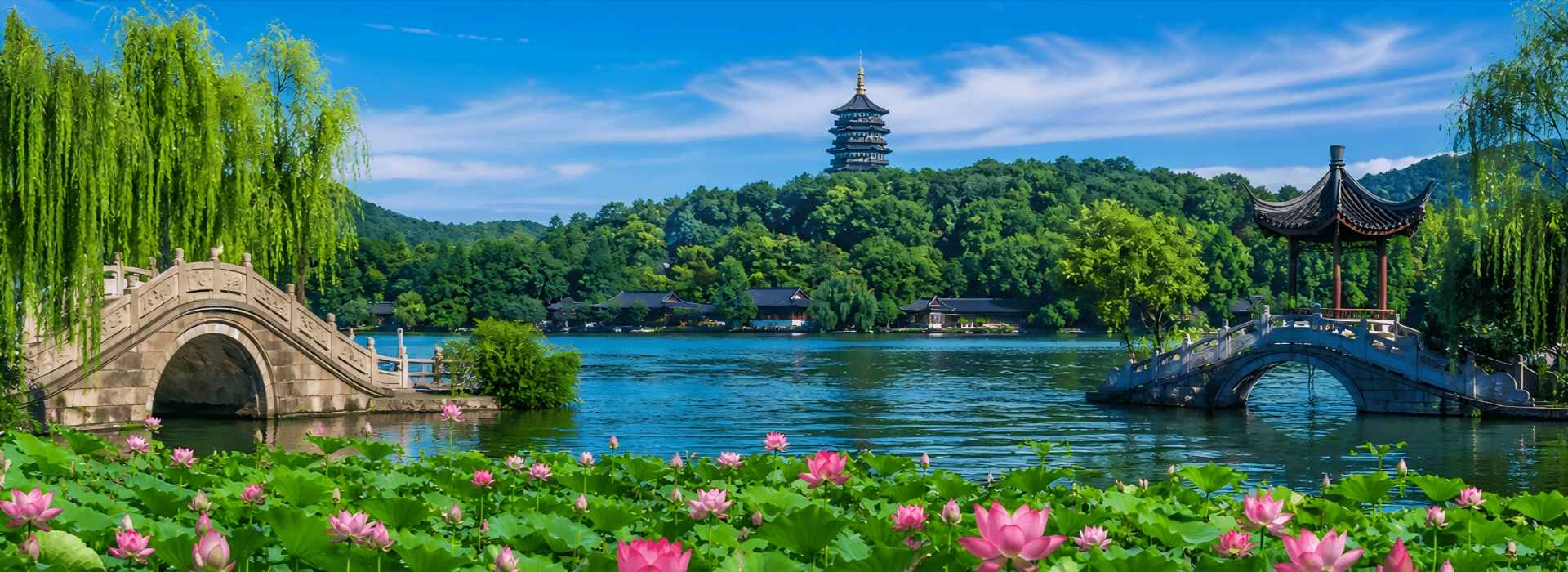
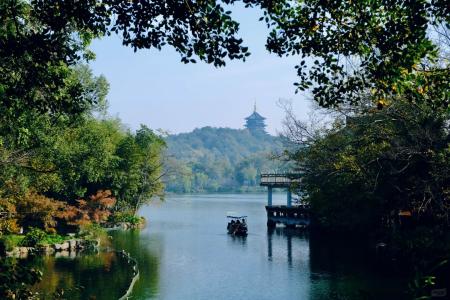
While most travelers know Hangzhou for the famous West Lake, tea plantations, and ancient temples, Deshou Palace reveals another side of the city — its history as the capital of the Southern Song Empire (1127–1279).
Built as a royal residence for retired emperor Emperor Gaozong of Song, Deshou Palace was once a magnificent imperial complex filled with gardens, halls, and elegant Song Dynasty architecture. Today, the restored archaeological site combines ancient ruins, cultural exhibitions, and digital technology to recreate the atmosphere of medieval Hangzhou.
For travelers interested in Chinese history, traditional architecture, photography, or cultural experiences, Deshou Palace is one of the best hidden gems in Hangzhou.
What Is Deshou Palace in Hangzhou?
Deshou Palace was a royal palace complex built during the Southern Song Dynasty when Hangzhou served as the imperial capital of China.
After the Song court moved its capital from northern China to Hangzhou in 1127, the city became a center of politics, culture, and art. Unlike earlier Chinese capitals dominated by military power, Southern Song Hangzhou was famous for its refined lifestyle, literature, painting, gardens, and architecture.
Deshou Palace was constructed as a retirement residence for Emperor Gaozong after he abdicated the throne. Although he was no longer the official ruler, he continued to influence political affairs from this palace.
The palace represented the elegance and sophistication of Southern Song royal life. It contained:
- Royal halls and residences
- Traditional gardens
- Decorative buildings
- Entertainment spaces
- Imperial cultural facilities
Over centuries, the palace disappeared from the city landscape. Archaeological discoveries later revealed its remains, allowing modern visitors to experience a lost chapter of Hangzhou's history.
The History of Deshou Palace: A Southern Song Royal Residence
The Construction of Deshou Palace
The Southern Song Dynasty established Hangzhou as its capital in 1127 after losing northern territories to the Jin Dynasty.
During this period, Hangzhou developed into one of the largest and most prosperous cities in the world. The imperial court invested heavily in palaces, gardens, and cultural buildings.
Deshou Palace was created as a luxurious royal residence reflecting the artistic style of the Southern Song period.
Emperor Gaozong and His Retirement Palace
The most famous figure connected with Deshou Palace was Emperor Gaozong of Song.
After ruling for many years, Emperor Gaozong passed the throne to Emperor Xiaozong and moved to Deshou Palace. Although he retired officially, he remained an important political figure.
The palace became more than a private residence — it was a place where imperial traditions, ceremonies, and cultural activities continued.
The Disappearance and Rediscovery of Deshou Palace
After the fall of the Southern Song Dynasty in 1279, many imperial buildings in Hangzhou were destroyed or transformed.
For centuries, the exact location of Deshou Palace remained unknown.
Modern archaeological research uncovered the remains of the palace complex, including:
- Building foundations
- Stone structures
- Decorative elements
- Historical artifacts
These discoveries helped historians understand the design and lifestyle of the Southern Song royal court.
Why Visit Deshou Palace in Hangzhou?
Discover Hangzhou Beyond West Lake
West Lake may be Hangzhou's most famous attraction, but Deshou Palace provides a deeper understanding of the city's history.
Instead of only enjoying natural scenery, visitors can explore how Hangzhou became a powerful imperial capital nearly 900 years ago.
Experience Southern Song Culture
The Southern Song Dynasty stands out as a pinnacle of subtle, sophisticated Chinese art and culture, a spirit vividly preserved within Deshou Palace's grounds. Here, you get an all-rounded immersive encounter with Song-era grandeur:
- Timeless classical Chinese aesthetic philosophy
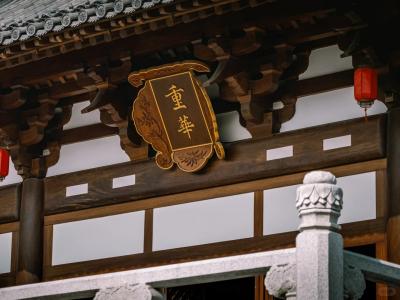
- Authentic Southern Song imperial architectural layouts and craftwork
- Exquisitely layered royal garden landscaping
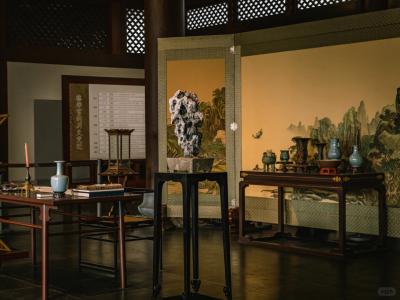
- Curated cultural exhibits narrating royal daily life and dynastic tales
Unlike generic commercial scenic spots, this palace delivers an intimate, authentic deep dive into elite Song culture hard to find elsewhere in Hangzhou.
A Great Photography Location
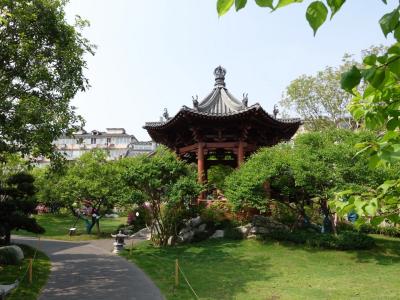
Favored by local and travel photographers alike, Deshou Palace boasts an unmatched tranquil backdrop for shots. Its harmonious blend of elements forms a serene, poetic visual palette:
- Understated ancient imperial buildings
- Soft diffused natural light filtering through courtyard trees
- Weathered stone, wooden beams and aged wall textures
- Minimalist, restrained Song Dynasty design language
Early mornings are the optimal visiting window: crowds remain sparse, and gentle dawn light drapes the entire palace, crafting soft, ethereal frames ideal for portrait, architectural and landscape travel photography.
Highlights Inside Deshou Palace Museum
Archaeological Ruins Exhibition
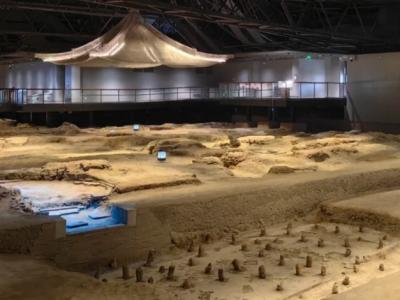
The star highlight of Deshou Palace Museum lies in its well-preserved original archaeological ruins, serving as genuine physical evidence of Southern Song imperial history. Unlike artificially reconstructed scenic spots and theme parks, the museum prioritizes the protection and display of real ancient relics, bringing visitors face-to-face with 900 years of history.
Inside the dedicated exhibition halls, you can observe intact historical relics and site remains, including:
- Original palace building foundations
- Exquisite and sophisticated ancient construction techniques
- Complete imperial palace spatial layouts
- Well-protected in-situ historical remains
Every stone and foundation tells the real story of the Southern Song royal mansion, offering an unfiltered glimpse into ancient imperial life.
Digital Restoration Experience
Bridging ancient history and modern technology, the museum's digital restoration project is a must-visit highlight for tourists of all ages and cultural backgrounds. Advanced multimedia displays and 3D digital restoration technologies vividly revive the full appearance and grandeur of the original Southern Song Deshou Palace.
Through immersive interactive experiences, visitors can vividly visualize:
- The full architectural panorama of the palace in its prime
- Daily life and living scenes of Southern Song emperors
- The specifications and rituals of ancient royal ceremonies
This perfect integration of physical archaeological ruins and digital technology makes obscure ancient Chinese history intuitive, lively and easy to understand, even for visitors with limited knowledge of Chinese dynasties.
Southern Song Architecture and Design
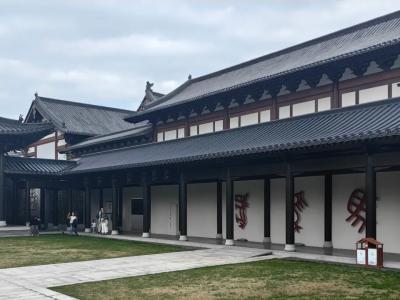
Deshou Palace perfectly embodies the unique aesthetic philosophy of the Southern Song Dynasty — a timeless design style that pursues subtle elegance, natural harmony and minimalist sophistication. Different from the magnificent, grand and ornate imperial architectures of later dynasties, Song-style design focuses on restraint, comfort and integration with nature.
You can appreciate the core design characteristics of authentic Southern Song royal architecture throughout the site:
- Minimalist, elegant and unadorned architectural forms
- Pure natural and eco-friendly building materials
- Precise, symmetrical and balanced structural proportions
- Seamless harmony between buildings, courtyards and gardens
Strolling through the palace grounds, you can fully feel the refined, tranquil and artistic lifestyle aesthetics of the Southern Song aristocrats.
Deshou Palace Tickets and Opening Hours
Core Ticket Rule
All daytime visits are 100% FREE for foreign tourists; no entry fee required.Separate paid tickets are only needed for festival night tours.
Opening Hours Recap
Reservation Rules for Foreigners (Passport Required)
Weekdays (Tuesday to Friday)
No advance online reservation needed.Bring your original passport to the entrance directly. Staff will register your passport info and verify identity before entry.
Weekends & Chinese Public Holidays
Mandatory free reservation in advance via official WeChat channel:Official WeChat Account: Southern Song Deshou Palace Ruins Museum
1. Booking window: Book up to 3 days ahead; ticket release time 09:00 daily
2. When adding visitor info, fill in your full name + passport number (instead of Chinese ID number)
3. Each reservation can hold maximum 5 visitors
4. Show your passport + reservation QR code at the gate for registration & check-in
Backup Plan: No WeChat / Failed Online Booking
If you cannot complete online reservation, go to the on-site service counter with your passport. Staff will help you make a spot reservation and register your passport details manually.
Free Entry Privileges (No Reservation Needed Any Day)
Foreign visitors with below valid documents can walk in directly without booking:
- Visitors aged 70+ (passport to prove age)
- Disabled tourists (international disability certificate + passport)
- Foreign military personnel & veteran families (valid military ID + passport)
Night Tour Ticket Policy (Festivals Only)
Entry Checklist for Foreigners
1. Original physical passport (digital photo/copy is NOT accepted)
2. Reservation QR code (weekends & holidays only)
3. Accept security check and passport registration at the gate
How to Get to Deshou Palace
Full Address: No.228 Wangjiang Road, Shangcheng District, Hangzhou
Metro (Most Recommended for Foreigners)
Take Metro Line 5 or Line 7 to Jiangcheng Road Station
Exit D / Exit E
Walking time: 5–8 minutes (330m) straight along Jianguo South Road to the south main entrance杭州本地宝
Tip: Metro has English signs; you can buy single-journey tickets with cash or Alipay/WeChat international version.
Bus Routes
Stop 1: Huxueyan Former Residence Station (Closest to main gate)
Lines: 34, 71, 127, 315, 352, WE1314 (tourist bus)杭州本地宝
Stop 2: Gulou (Drum Tower) Station
Lines: 8, 13, 66, 195, 198, 308, 327 etc.
Walk 3–6 minutes from either bus stop to Deshou Palace.
Taxi / Didi (Convenient for Groups with Luggage)
Show this Chinese address to your driver:上城区望江路 228 号 南宋德寿宫遗址博物馆
Fare from West Lake area: Around 15–25 RMB
No on-site parking lot for private cars; taxi drop-off zone is at the south gate roadside.
Walking (If you visit nearby scenic spots)
Useful Tips for Foreign Visitors
1. Entry gate: South Gate (only entry gate; exit via North Gate)
2. Carry your passport for registration/reservation
3. If you cannot read Chinese, save the Chinese address screenshot to show taxi/bus staff
4. Avoid driving yourself: public parking spaces nearby are extremely limited
Best Time to Visit Deshou Palace
Morning Hours (8:30 – 11:00) – Top Daytime Pick
Early morning remains the ultimate daytime window for culture lovers and photographers alike.
Visitor volumes stay light, letting you wander ruins, courtyards and exhibition halls without crowds blocking views. Soft golden dawn light filters through wooden eaves and stone corridors, highlighting the subtle textures and minimalist Song-era design. You can capture unobstructed architectural shots, examine archaeological relics at your own pace, and soak in the quiet, solemn imperial atmosphere unique to the daytime museum.
Must-Try Experience: Deshou Night Tour
Recently launched as a signature immersive experience, the night tour completely transforms the palace after sunset, offering a stark contrast to its tranquil daytime vibe.
Basic Opening Info
Operating Hours: 18:00 – 22:00; last entry at 21:00
Closed every Monday (except national public holidays)
Duration: Around 1 hour per full tour
Ticket required separately from daytime museum entry, advance online booking highly recommended
Core Night Tour Highlights
1. Dazzling Light & Shadow Spectacular
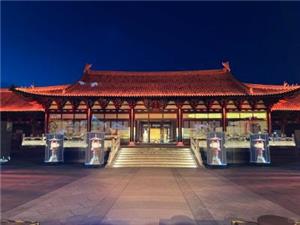
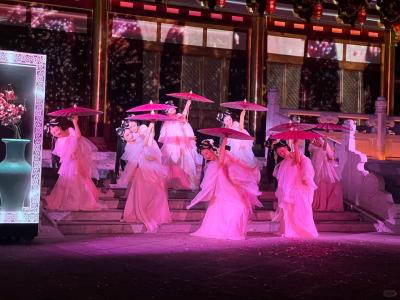
State-of-the-art projection mapping illuminates ancient walls and palace buildings, reviving legendary Song artworks like Auspicious Cranes. Dynamic light shows recreate royal banquets, court rituals and seasonal palace scenes, delivering a breathtaking visual feast you cannot see by day.
2. Immersive NPC Interactive Storytelling
You step into the role of a royal guest at Emperor Gaozong's night feast. Roaming costumed actors guide you through plotlines, with traditional Song pastimes including arrow pot tossing, poetry contests and stone rubbing. Earn ancient-style paper currency to exchange for limited souvenirs and craft experiences.
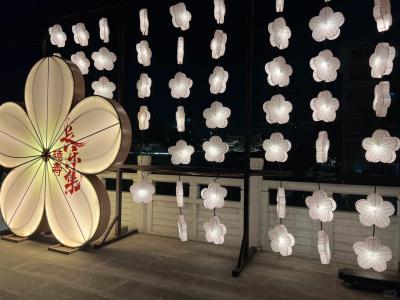
3. Lantern-Lit Changle Market
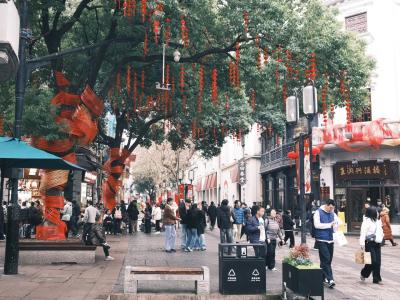
Wander a lantern-fringed Song-style market tucked inside the palace grounds. Sample traditional imperial pastries, experience tea art, and browse Song-dynasty cultural crafts, filled with soft lantern glow and gentle ancient melodies.
4. Unbeatable Night Photography Backdrops
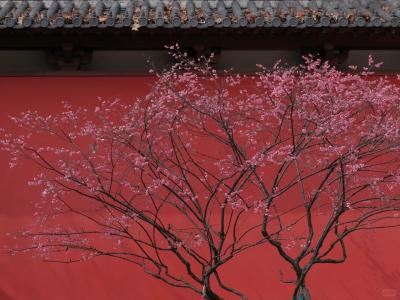
The iconic red palace walls lined with warm lanterns, lit wooden pavilions and reflective water courtyards create dreamy, cinematic shots. Hanfu portraits here rank among Hangzhou's most viral travel photos.
Four-Season Visiting Guide
Spring (March – May)
Mild temperatures, blooming blossoms and fresh green foliage frame ancient architecture beautifully. Ideal for casual sightseeing and portrait shots, both day and night.
Summer (June – August)
Lush ancient trees provide ample shade for daytime visits; stick to early mornings to beat midday heat. The cool, lantern-lit night tour becomes a popular evening escape from hot weather.
Autumn (September – November)
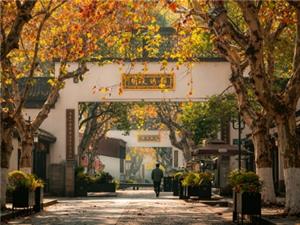
The most photogenic season all year. Amber and crimson maple leaves contrast sharply with grey stone foundations and plain wooden structures. Crisp natural light works wonders for daytime photography, while autumn night tours carry a romantic, peaceful vibe.
Winter (December – February)
Minimal daytime foot traffic lets you explore the ruins in near solitude. Snowfall blankets minimalist Song buildings, forming poetic scroll-painting scenery. The indoor light shows and warm market stalls make the night tour a cozy winter activity.
How Long Do You Need at Deshou Palace?
Visiting time varies based on your travel goals, whether you plan a daytime museum trip only, the new night tour alone, or a full day-night combined experience. Below are clear time suggestions for different types of visitors:
Quick Sightseers (1–1.5 hours | Day Visit Only)
Suitable for travelers on a tight schedule who just want a brief glance at the core landmarks.
You can walk through the archaeological ruin exhibition hall, snap photos of the iconic Song-style courtyard and red walls, and skim the digital restoration displays without lingering on detailed historical introductions.
This option skips in-depth cultural reading and outdoor garden strolling.
Culture & History Enthusiasts (2.5–3 hours | Day Visit Only)
Recommended for visitors eager to dive into Southern Song history and relics.
Spend ample time studying the original palace foundations, watching full digital restoration videos, reading exhibition captions about royal life, and wandering the entire royal garden to appreciate Song architectural aesthetics.
Photographers will also need this window to wait for soft light and capture unobstructed shots across all scenic spots.
Exclusive Night Tour (1.5–2 hours)
The newly launched Deshou Palace night tour is a standalone immersive experience that cannot be rushed.
Your time will cover the light projection shows, interactive NPC performances, lantern-lit Song-style market browsing, and night photography around lit pavilions and water courtyards.
Arrive early to skip queues and fully enjoy all interactive activities without hurrying.
Full Day + Night Combo Experience (4–5 hours total)
The ultimate itinerary for culture lovers and photography fans:
- 2.5–3 hours in the daytime museum to explore authentic ruins, historical exhibits and Song architecture
- A short break for dinner nearby
- 1.5–2 hours for the night tour to experience light shows, ancient-themed interactions and lantern night views
This two-part trip lets you contrast the quiet, solemn historical atmosphere of daytime ruins with the dreamy, lively lantern-lit imperial scene after sunset — the most complete way to experience Deshou Palace.
Extra Practical Tips
If you are interested in a tour of Deoksugung Palace and want a smooth and carefree travel experience, please learn more about our itinerary details.
Where to Explore & Eat Near Deshou Palace
Deshou Palace sits in the heart of Hangzhou's ancient Southern Song downtown, with dozens of historic sites, alleyways and authentic eateries all within a 15-minute walking radius. You can easily craft a seamless day-and-night itinerary combining royal culture, local street vibes and classic Hangzhou cuisine.
Nearby Attractions (Walking Distance)
Former Residence of Hu Xueyan (2 mins walk, directly across the road)
A stark contrast to Deshou Palace's minimalist Song aesthetics, this sprawling mansion belonged to Hu Xueyan, the richest merchant of the late Qing Dynasty. Covering over 6,000 square metres, it features elaborate wooden carvings, private rockery gardens and luxurious courtyard layouts.
Ticket: Around ¥20
Best for: History lovers, architecture photography, comparing Song restrained elegance with Qing extravagant craftsmanship
Drum Tower & Southern Song Imperial Street (8–10 mins walk)
The Drum Tower marked the outer gate of the Southern Song imperial city. Climb up for panoramic views over the old town, especially stunning after dark.
Stretching north from the tower, Southern Song Imperial Street retains the original layout of Lin'an's royal commercial thoroughfare, lined with heritage shops, traditional bookstores and quiet tea houses, far less crowded than touristy main streets.
Hefang Old Street (10–12 mins walk)
Hangzhou's most iconic historic pedestrian block, packed with century-old time-honoured brands.
Browse handcraft stores, herbal medicine halls (Hu Qing Yu Tang) and local snack stalls. It's ideal for picking up edible souvenirs like osmanthus cakes and sweet lotus root.
Shiwukui Lane & Damalu Market (10 mins walk)
The soul of old Hangzhou's daily life. Damalu is a beloved local wet market brimming with genuine street food stalls, fresh preserved meats and handmade pastries.
Narrow Shiwukui Alley features white walls, black tiles and hidden viewing spots; Xiaoxia Alley here offers a viral photo frame with distant Wushan Chenghuang Pavilion in the background.
Wushan Hill & Chenghuang Pavilion (15 mins walk)
A short gentle climb rewards you with sweeping views of West Lake, Qiantang River and the entire ancient city.
The pavilion lit up at night creates a dreamy skyline backdrop perfect for post-night-tour shots.
Wuliu Lane Historic District (7 mins walk)
A quiet water town-style lane crossed by small stone bridges, with slow rivers and well-preserved civilian residences.
Far quieter than crowded commercial streets, great for relaxed casual strolling and peaceful portraits.
Dining Guide Nearby
Inside Deshou Palace (Quick Light Bites Only)
The Juyuan Tower café serves Song-painting themed coffee, herbal tea and simple pastries for a short rest. No full meals available here.
Local Street Snacks (Budget, Authentic Old Hangzhou Flavours)
Mostly concentrated in Damalu and Shiwukui Lane, under ¥10 per serving:
- Jiang Master Crispy Fish: Fresh deep-fried river fish coated in sweet sauce, Damalu staple
- Scallion Pancake Rolls (Congbaohui): Crispy street food classic
- Victory Cakes (Dingsheng Gao): Soft rice cakes stuffed with red bean paste, popular souvenir snack
- Oil Stuffed Dough Balls (You Dun Er): Savory fried dough with vegetable fillings
- Panfangchun Fried Dumplings: Crispy bottom dumplings, highly recommended by local food critics
Classic Hangzhou Cuisine Restaurants (Sit-Down Full Meals)
1. New Zhouji (Drum Tower Branch)2-minute walk from Drum Tower, decades-old local Hangzhou restaurant with great value (¥60–80 per person).Must-tries: Soy Sauce Prawns, Eel & Bayberry Shrimp Balls, juicy pork soup dumplings. Visit before 11:00 or 17:00 to skip long queues.
2. Deming RestaurantA hidden gem favoured by Hangzhou food connoisseurs, tucked in a residential neighbourhood. Famous for crispy pork intestines and marinated duck; prepare for waits during peak dining hours.
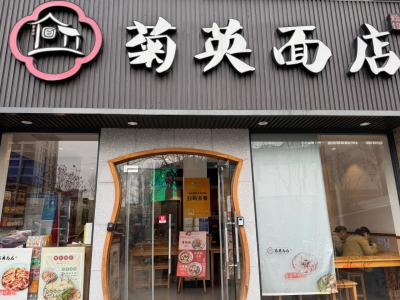
3. Juying Noodle HouseIconic local noodle shop serving Pian Er Chuan (Hangzhou signature vegetable & pork noodles), a staple breakfast/lunch pick for residents.
Deshou Palace Travel Tips
Handy practical guidance to streamline your visit and make the most of your time at the museum:
1. Book tickets ahead of time
Both daytime admission and the newly launched night tour sell out fast on weekends and holidays. Secure your entry slot via official online channels in advance to skip long on-site queues.
2. Carry valid ID documents
All visitors must present a physical ID for ticket verification. Foreign tourists need to bring their passports for entry check.
3. Head over in early morning for ideal photography
Soft, gentle dawn light highlights the minimalist Song-style architecture and ancient ruins, with far fewer crowds blocking your shots. Weekday mornings deliver the quietest atmosphere.
4. Set aside ample time for in-depth exhibitions
Don't rush through the archaeological ruins and digital restoration halls. Reserve extra time to watch immersive multimedia displays and read historical exhibits thoroughly.
5. Pair your trip with surrounding historic sites
Deshou Palace sits amid Hangzhou's ancient downtown area. Easily combine your tour with Hu Xueyan's Former Residence, Southern Song Imperial Street and Drum Tower, all within a short walking distance for a full day of cultural exploration.
6. Steer clear of weekends and national public holidays
Visitor volumes surge sharply during these periods, leading to crowded exhibition spaces, limited photo opportunities and fully booked night tour tickets. Visit on weekdays for a peaceful experience.
7. Exclusive tips for the night tour
Arrive before 19:30 to avoid evening crowds; check weather forecasts beforehand as outdoor light shows and lantern markets may be suspended on rainy nights.
8. Extra suggestion for Hanfu visitors
If you wear traditional Hanfu for photos, budget an extra 30 to 60 minutes to capture unhurried portraits around the courtyard and water pavilions.
FAQ
Is Deshou Palace worth visiting?
Yes. Deshou Palace is especially worthwhile for travelers interested in Chinese history, architecture, and culture. It offers a different perspective from Hangzhou's natural attractions like West Lake.
How long should I spend at Deshou Palace?
Most visitors need around 1–2 hours. Travelers interested in history may spend longer exploring the exhibitions.
Is Deshou Palace suitable for foreign tourists?
Yes. The museum combines visual displays, digital technology, and architectural remains, making it accessible even for visitors without detailed knowledge of Chinese history.
Is Deshou Palace near West Lake?
Yes. It is located in central Hangzhou and can be combined with West Lake and other downtown attractions.
What dynasty does Deshou Palace belong to?
Deshou Palace dates back to the Southern Song Dynasty (1127–1279), when Hangzhou served as China's imperial capital.
Do I need separate tickets for the day museum and night tour?
Yes. Daytime regular admission and the immersive night tour are two independent ticket products with different booking channels. Night tour tickets are limited and sell out quickly on weekends and holidays, so advance reservation is strongly advised.
Can I take photos inside Deshou Palace?
Photography is permitted for personal use in most outdoor courtyards, ruins and garden areas. Flash photography, tripods and selfie sticks are banned inside indoor exhibition halls to protect fragile cultural relics. Commercial shooting requires official application.
Are there any dining facilities inside the palace complex?
Only light refreshments, Song-themed tea and pastries are available at the on-site café. No full-service restaurants serve formal meals here. For authentic Hangzhou dishes and local snacks, walk a few minutes to nearby Drum Tower and Damalu Market.
Final Thoughts: Is Deshou Palace Worth Visiting in Hangzhou?
For travelers looking beyond Hangzhou's famous West Lake scenery, Deshou Palace offers a fascinating journey into China's Southern Song history.
The site tells the story of a city that was once one of the most important capitals in the medieval world. Through archaeological remains, traditional architecture, and immersive exhibitions, visitors can experience the elegance and sophistication of ancient Hangzhou.
If your Hangzhou itinerary includes cultural attractions, historical sites, or hidden gems, Deshou Palace is definitely worth adding to your travel list.