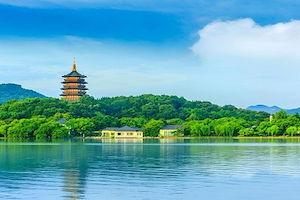
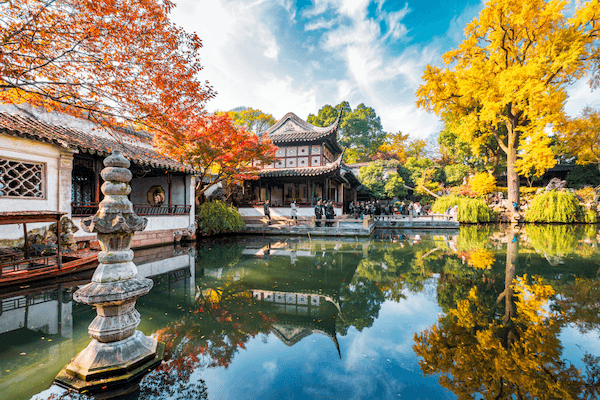
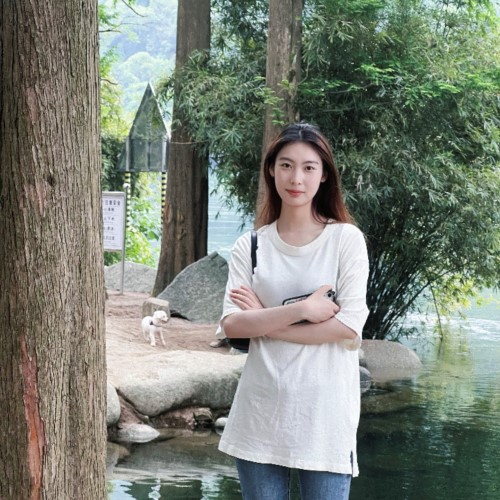
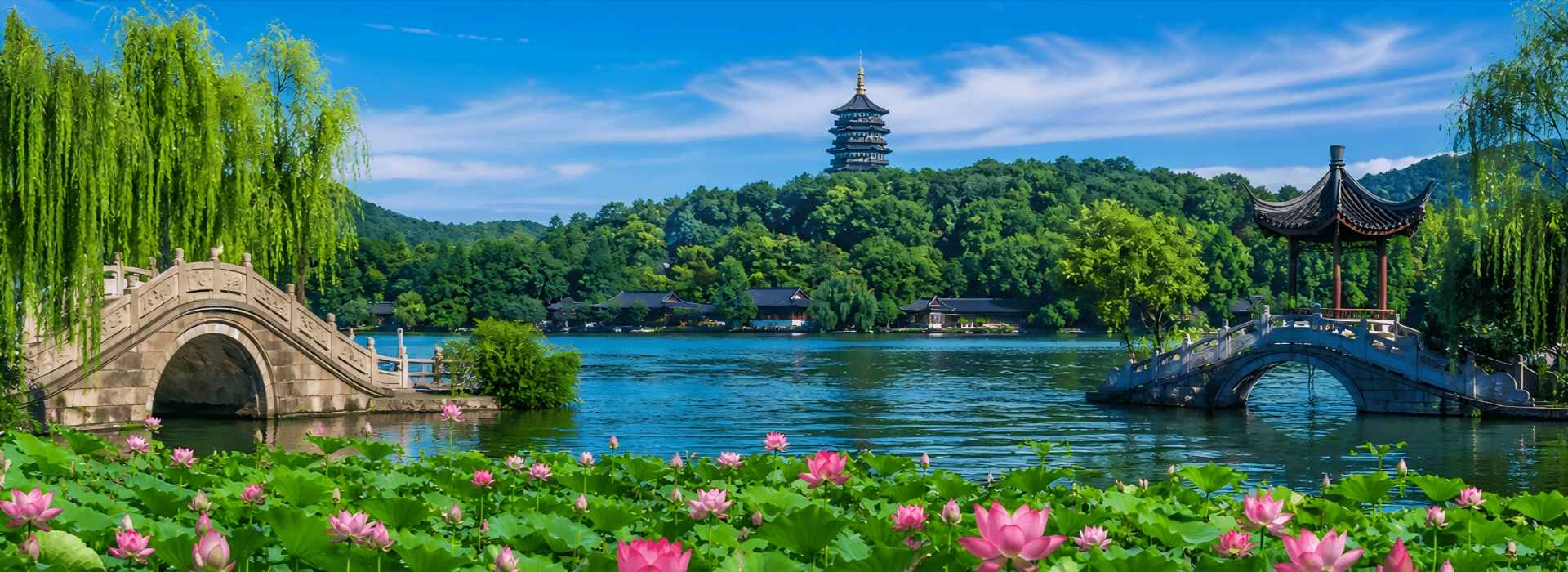
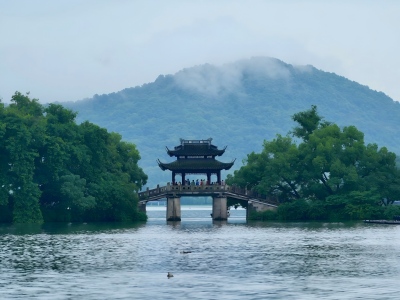
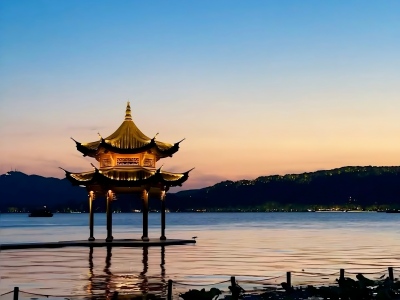
While West Lake is the symbol of Hangzhou, there is another side of the city where mountains, streams, bamboo forests, and tea gardens create a peaceful escape from urban life. Jiuxi Eighteen Stream (九溪十八涧) is one of Hangzhou's most beautiful natural attractions, offering visitors a refreshing hiking experience through the lush landscapes of the West Lake Scenic Area.
Located southwest of West Lake, Jiuxi Eighteen Stream is famous for its clear mountain streams, stone pathways, ancient trees, and surrounding Longjing tea plantations. Unlike the classic West Lake viewpoints that focus on lakeside scenery and historic landmarks, Jiuxi provides a more immersive experience where travelers can walk through nature, listen to flowing water, and discover the quiet beauty of Hangzhou's countryside.
The name "Jiuxi Eighteen Stream" means "Nine Creeks and Eighteen Gullies," referring to the many small streams that flow through the valley. The walking route connects Jiuxi Village, Jiuxi Yanshu (Nine Creeks in Misty Forest), Longjing Village, and famous tea fields, making it one of the best half-day hiking routes in Hangzhou.
With its easy terrain, beautiful scenery, and peaceful atmosphere, Jiuxi Eighteen Stream is suitable for almost every type of traveler, including families, photographers, nature lovers, and visitors looking for a quieter alternative to the busy areas around West Lake.
Why Visit Jiuxi Eighteen Stream?
Experience Hangzhou's Hidden Natural Beauty
Many visitors come to Hangzhou for West Lake, but Jiuxi Eighteen Stream reveals a different character of the city. Surrounded by mountains and forests, this scenic trail feels far away from the busy streets despite being only a short distance from downtown Hangzhou.
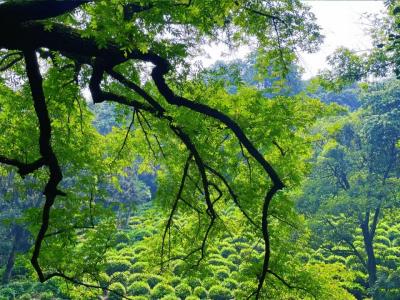
Walking along the stream, visitors can enjoy the sound of flowing water, the shade of bamboo forests, and the fresh mountain air. The landscape changes throughout the year, from vibrant green scenery in spring and summer to colorful autumn forests and misty winter views.
For travelers who want to experience the natural side of Hangzhou, Jiuxi is one of the best places to visit.
Walk Through Famous Longjing Tea Country
One of the highlights of Jiuxi Eighteen Stream is its connection with Longjing (Dragon Well) tea culture, one of Hangzhou's most famous cultural symbols.
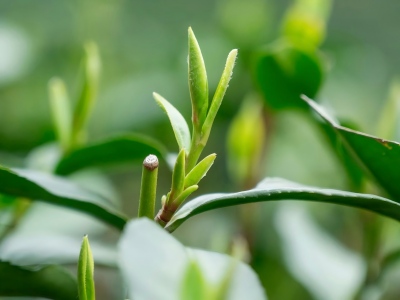
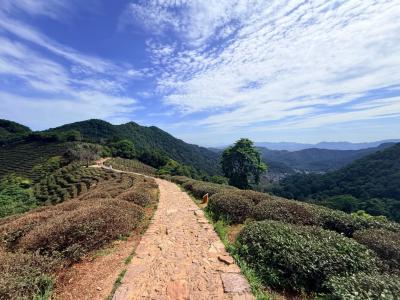
The hiking trail passes through traditional tea plantations where visitors can see tea bushes covering the hillsides. During spring, the tea fields become especially lively as local farmers harvest fresh tea leaves. The combination of green mountains, traditional villages, and tea gardens creates the classic landscape often associated with Jiangnan (south of the Yangtze River) scenery.
Many travelers combine Jiuxi with a visit to Longjing Village, where they can enjoy authentic Longjing tea, explore traditional tea houses, and learn more about Hangzhou's tea-making traditions.
Enjoy an Easy and Relaxing Hiking Experience
Compared with more challenging mountain trails, Jiuxi Eighteen Stream is a relatively easy walking route. Most sections follow flat stone paths beside streams, making it suitable for visitors of different ages and fitness levels.
A typical walk from Jiuxi Entrance to Longjing Village takes around 2–3 hours, depending on your pace and the number of stops for photography.
The trail does not require professional hiking equipment. Comfortable walking shoes, drinking water, and a camera are usually enough for most visitors.
Escape the Crowds Around West Lake
West Lake is beautiful but can become crowded, especially during weekends and public holidays. Jiuxi Eighteen Stream offers a quieter alternative where visitors can enjoy Hangzhou's scenery at a slower pace.
Although it is located within the West Lake Scenic Area, Jiuxi has a more natural and peaceful atmosphere. The sound of streams and the surrounding forests create a relaxing environment that feels completely different from the classic sightseeing areas around the lake.
For travelers staying in Hangzhou for more than one day, Jiuxi is highly recommended as a place to experience the city beyond its famous landmarks.
Where Is Jiuxi Eighteen Stream?
Jiuxi Eighteen Stream is located in the southwestern part of the West Lake Scenic Area in Hangzhou, Zhejiang Province, China.
The trail lies between several famous attractions:
- West Lake: around 5–7 km away
- Longjing Village: connected directly by the hiking route
- China National Tea Museum: nearby
- Six Harmonies Pagoda (Liuhe Pagoda): about 2 km away
- Qiantang River: nearby to the south
The scenic area stretches through a valley surrounded by the mountains of western Hangzhou. The main hiking route usually starts from Jiuxi Bus Station / Jiuxi Entrance and finishes at Longjing Village, although visitors can also walk in the opposite direction.
Because Jiuxi is connected with several cultural and natural attractions, it is easy to include it in a larger Hangzhou itinerary.
How to Get to Jiuxi Eighteen Stream
Getting to Jiuxi by Taxi
Taking a taxi is the most convenient option, especially for first-time visitors.
Simply enter:
"Jiuxi Scenic Area (九溪景区)" or "Jiuxi Bus Station (九溪公交站)"
in your navigation app.
From central Hangzhou:
- From West Lake area: about 15–25 minutes
- From Hangzhou Railway Station: about 25–35 minutes
- From Hangzhou East Railway Station: about 35–45 minutes
Taxi is recommended if you are traveling with children, elderly travelers, or carrying luggage.
Metro + Bus (Most Recommended, Budget-Friendly)
This combo avoids traffic jams and works best for independent travelers.
1. Take Metro Line 4 to Shuichengqiao Station, Exit B
2. Walk a short distance to the nearby bus stop
3. Transfer to Bus 39 / 308 / 500, ride 10–15 minutes and alight at Jiuxi Station
Fare: Around 2–3 RMB total
Operating hours: Buses run roughly 06:30 – 19:00
Direct Public Buses
Several bus lines drop you right at the main entrance Jiuxi Station without metro transfers:Bus 4, 103, 318, 314, 354
Great if you stay near West Lake downtown or Nan Song Imperial Street
Self-Driving (Not Recommended on Weekends & Holidays)
Navigation target: Jiuxi P1 Multi-Storey Parking Lot
Fees: 10 RMB/hour on weekdays; 20 RMB/hour on weekends
Critical restrictions:
1. Holiday traffic control & odd-even plate limits apply around West Lake scenic zone
2. Parking slots are extremely limited; you must reserve spaces in advance via the mini-program Palm West Lake
3. One-way winding mountain roads often cause heavy congestion
Internal Scenic Shuttle Carts
If you want to skip flat walking sections inside the valley:
Jiuxi Station — Xizhongxi (core stream area): 5 RMB one way
Jiuxi — Longjing Village shuttle: 8 RMB one wayPerfect for seniors, kids or visitors who want to save energy for stream trekking.
Best Hiking Route Through Jiuxi Eighteen Streams
Four tailored hiking itineraries for different travel styles, all free entry and beginner-friendly, with clear distance, duration and unique highlights.
Classic One-Way Hike (Most Recommended for First-Time Visitors)
Route: Jiuxi Bus Station Entrance → Forest Pavilion → Jiuxi Smoke Trees → Eighteen Streams Stone Path → Li'an Temple → Longjing Village
Total distance: ~5 km | Hiking time: 2.5–3.5 hours (with photo stops)
Difficulty: Easy, gentle uphill slopes
Route Breakdown & Highlights
1. Jiuxi Bus Station to Jiuxi Smoke Trees (30 mins)
Walk along a tree-lined brook road shaded by ancient camphor trees. Look for the giant stone carving marked “Jiuxi” as the starting landmark.
2. Jiuxi Smoke Trees (core photo spot)
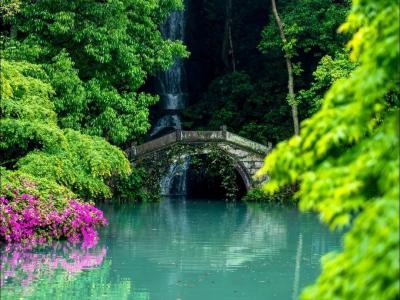
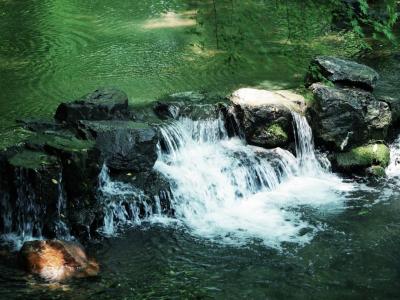
A jade-green lake surrounded by maple trees, paired with a small waterfall. Mist rises above the water after rain, creating the iconic misty Jiangnan scenery that gives the site its name.
3. Eighteen Streams Valley (the soul of the hike)
Cross dozens of shallow gullies via natural stepping stones. Cool clear stream water runs year-round; wade barefoot in summer to beat the heat. Lush forests block direct sunlight, forming a natural oxygen bar.
4. Li'an Temple
A quiet hidden ancient temple beside the stream, far less crowded than mainstream scenic spots. Ideal for short rest and peaceful shots.
5. End at Longjing Village
Rolling layered Longjing tea terraces stretch across the hills. Stop at local farm teahouses to sip fresh Longjing tea and taste tea-infused local dishes.
Exit Tip
Catch Bus 27 / 87 from Longjing Village back to downtown Hangzhou, no need to retrace your steps.
Lazy Reverse Downhill Route (For Seniors, Families & Low-Stamina Travelers)
Route: Longjing Village → Eighteen Streams → Jiuxi Smoke Trees → Jiuxi Bus Station
Total distance: ~5 km | Hiking time: 2–3 hours
Difficulty: Ultra-easy, almost continuous downhill
Pros
Skip tiring uphill climbs. Start with panoramic tea garden views first, then follow the stream downhill all the way to the exit. Perfect for families with young kids or elderly visitors.
How to Start
Take a taxi or Bus 27 to Longjing Village first, then hike down to the Jiuxi bus stop for your return trip.
Advanced Full Loop Hike
Route: Jiuxi Bus Station → Jiuxi Smoke Trees → Longjing Village → Shili Langdang Ridge → Wuyun Mountain → Yunqi Bamboo Path → Return to Jiuxi
Total distance: ~10 km | Hiking time: 4.5–6 hours
Difficulty: Moderate, with mountain climbing sections
Standout Perks
Climb Shili Langdang to enjoy bird's-eye panoramic views of endless tea plantations and distant West Lake. End the trip in a serene bamboo forest at Yunqi Bamboo Path, combining streams, tea hills and bamboo scenery in one single route.
Universal Hiking Tips
1. Wear non-slip flat shoes: Stone stepping paths get slippery when wet. Avoid high heels or slippery sneakers.
2. Summer preparation: Bring mosquito repellent, a change of socks and water shoes for wading in streams.
3. Best visiting hour: Weekday mornings (8:30–11:00) for soft light and fewer crowds; misty atmosphere after light rain.
4. Supplies: Carry a water bottle; light snacks and tea are available at teahouses in Longjing Village.
5. Weekend reminder: The streams get packed with tourists on Saturdays, Sundays and Chinese holidays; plan a weekday hike for a tranquil experience.
Top Highlights at Jiuxi Eighteen Stream
A free natural valley blending crystal streams, layered tea terraces, ancient temples and forest shade. Below are unmissable highlights arranged along the classic hiking trail, with photography and seasonal tips for foreign travellers.
Jiuxi Yanshu (Nine Creeks in Misty Trees) – Iconic Core Landmark
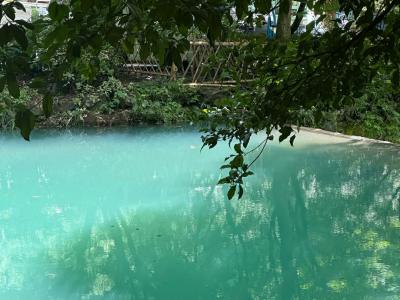
As one of the New Ten Scenes of West Lake, this Y-shaped emerald pool is the symbol of the whole scenic area.
- A gentle layered waterfall cascades into turquoise water, framed by camphor trees and red maples.
- After light rain, soft mist drifts over the lake and woodlands, creating a dreamy ink-wash landscape that inspired its name "Misty Trees".
- A giant stone carving marked "Jiuxi Yanshu" sits beside the water, the most popular photo checkpoint.
Best season: Autumn, when scarlet maple leaves reflect perfectly on the calm pool surface.
Xizhongxi (Stream Confluence) & Eighteen Streams Stepping Stone Path
This stretch delivers the most immersive wild creek experience, the soul of Jiuxi hiking.
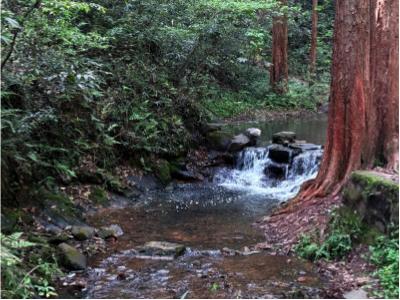
- Countless shallow gullies twist through dense forest; flat stone stepping piers cross the clear, shallow brooks.
- Visitors can wade barefoot in cool running water in summer, a natural escape from Hangzhou's heat.
- Thick tree canopies provide full shade all year round, forming a quiet natural oxygen bar with constant gurgling stream sounds.
Note: Stone surfaces turn slippery after rain; wear non-slip shoes.
Li'an Temple – Secluded Millennium Ancient Temple
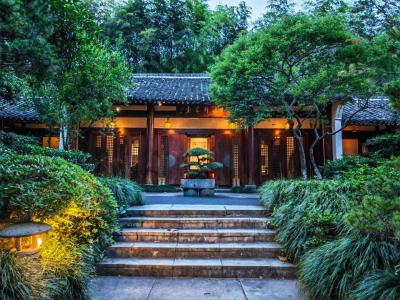
Tucked deep in the woods away from crowded trails, this quiet Buddhist temple dates back over 1,000 years.
- Surrounded by towering old trees and bamboo groves, it embodies the classic Chinese aesthetic of "ancient temple hidden in remote mountains".
- Home to Fayu Spring, a famous cold mountain spring with year-round cool water around 8°C.
- Far less crowded than West Lake's major temples; ideal for slow strolling and peaceful quiet shots of red temple walls against green foliage.
Longjing Village & Rolling Longjing Tea Terraces
The natural endpoint of the one-way hiking route, the birthplace of premium Lion Peak Longjing green tea.
- Layered green tea hills stretch endlessly across mountain slopes, with white rural cottages dotted between plantations.
- Local farm teahouses offer freshly brewed Longjing tea at affordable prices; visitors can taste tea snacks and learn about China's famous green tea culture.
- Spring (March–April) brings fresh tea picking, perfect for capturing authentic rural tea farm scenes.
Linhaiting (Forest Sea Pavilion) – Historic Rest Stop
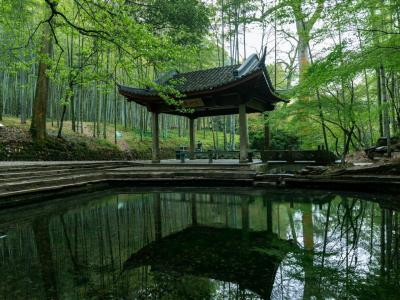
A traditional Qing-dynasty wooden pavilion at the trail's early section, just 10 minutes' walk from Jiuxi Bus Station.
- A shaded resting spot for hikers to catch their breath before reaching Jiuxi Yanshu.
- Surrounded by giant ancient camphor trees, offering soft light and quiet forest views for casual snapshots.
Shili Langdang Ridge (Optional Advanced Highlight)
For energetic hikers extending the trail from Longjing Village.
- A gentle mountain ridge walk with unobstructed panoramic views of endless tea terraces and distant West Lake skyline.
- Sweeping bird's-eye shots of the entire Jiuxi valley, popular with landscape photographers.
Best Time to Visit Jiuxi Eighteen Streams
Jiuxi boasts distinct seasonal charms, plus ideal daily time windows for hiking and photography. Below is a full breakdown for foreign travellers, sorted by season and practical visiting tips.
Daily Golden Hours (All Seasons)
Top Pick: 8:00 – 11:00 Morning
Soft diffused sunlight filters through dense tree canopies, creating gentle shadows for photos at Jiuxi Misty Trees.
Far fewer crowds; you can walk the stepping stone paths and capture unobstructed shots of the lake and tea terraces.
After light overnight rain, thin mist hovers above the water, forming dreamy ink-wash Jiangnan scenery — the signature view of Jiuxi.
Secondary Window: 15:30 – 17:30 Late Afternoon
Warm golden sunset light hits the valley and maple trees, perfect for portrait and landscape shots. Avoid midday (12:00–15:00): harsh flat sunlight ruins photos and brings peak tourist crowds.
Night Note
The scenic area has no lighting facilities; hiking after sunset is not recommended for safety.
Four-Season Visiting Guide
Spring (March – May) — Tea Picking Season
Highlights: Fresh tender green tea terraces stretch across hills, peach blossoms and new camphor leaves line the trails. Local farmers pick Longjing tea leaves in early April, offering authentic rural tea culture scenes携程.Weather: Mild, cool breezes; ideal for casual hiking without heat or cold.Best for: Slow strolls, tea culture photography, family spring outings.
Summer (June – August) — Summer Water Play Paradise
Highlights: Full stream water volume, thick forest shade keeps the valley 5–8°C cooler than downtown Hangzhou. Visitors can wade barefoot across shallow stone stepping creeks to beat the heat携程.Tips: Bring water shoes, a change of socks and mosquito repellent. Visit only in early morning to escape midday swelter.Best for: Kids, families, heat escape, casual water activities.
Autumn (Mid-November – Early December) — Peak Photographic Season (Most Recommended)
The most iconic season for Jiuxi travel.Highlights: Red maples, sweetgum and dawn redwoods turn fiery orange and scarlet. Their vivid reflections on the emerald lake at Jiuxi Misty Trees create oil-painting-like vistas, Hangzhou's top autumn photo spotTrip.com. Osmanthus fragrance drifts through the woods in early autumn (September–October).Note: This is peak tourist season; strictly choose weekdays to avoid crowds.
Winter (December – February) — Quiet Solitude
Highlights: Minimal foot traffic, quiet empty trails. If snow falls, snow-covered stone paths, bare branches and grey tea terraces form minimalist, serene winter scroll paintings.Drawback: Stream water shrinks, less green foliage; chilly wind in mountain valleys.Best for: Solo hikers and travellers seeking peaceful nature away from crowds.
Days & Weather to Avoid
- Weekends & Chinese public holidays: Mass crowds jam the stepping stone trails and Jiuxi Misty Tree viewing platform.
- Heavy rainy days: Streams rise rapidly, stone stepping paths become extremely slippery; outdoor hiking is unsafe.
- Continuous hot midday summer sunshine: Uncomfortable heat and flat, unflattering photography light.
Photography Tips
Best Shooting Light & Time
Golden Morning (8:00–11:00) – Top Choice
- Soft, diffused sunlight filters through tree canopies, casting dappled light on streams and stone paths. Mist often lingers over Jiuxi Yanshu lake after light rain, creating ethereal ink-wash style shots.
Late Afternoon Golden Hour (15:30–17:30)
- Warm low-angle sunlight gilds tea terraces and maple leaves in autumn. Ideal for backlit portrait shots along the creek.
- Avoid midday 12:00–15:00: Harsh overhead light creates harsh shadows and washed-out colours.
- No night shooting: The valley has zero artificial lighting; trails become dark and unsafe after sunset.
Essential Gear Tips
1. Non-slip water-resistant shoes: You will step on damp stream stones; wet feet ruin shooting plans.
2. Waterproof phone/camera bag: Spray and splashes from waterfalls are common.
3. Tripod (highly recommended): For long-exposure smooth stream shots and stable lake reflections at Jiuxi Yanshu.
4. Polarizing filter: Cuts glare on water surfaces, enhances green tea leaf saturation and makes maple reds pop in autumn.
5. Spare socks: If you wade in streams, keep dry socks for walking to Longjing Village for further shooting.
Composition Tricks for Iconic Spots
Jiuxi Yanshu (Misty Trees Lake)
Use symmetrical framing: Capture the full reflection of maple trees and stone carvings on still lake water.
Low-angle shot: Kneel near the water's edge to merge waterfall flow, green water and forest backdrop in one frame.
Misty weather hack: Shoot on foggy mornings to blur distant trees for a soft, dreamy Chinese painting aesthetic.
Eighteen Streams Stepping Stone Path
Leading lines: Use the winding stone stepping piers to guide viewers' eyes deep into the forest valley.
Stream long exposure: Slow shutter speed turns running water into silky smooth ribbons, contrasting with sharp tree trunks.
Layered depth: Frame streams through gaps of ancient camphor tree branches for foreground framing.
Longjing Tea Terraces
Elevated wide shots: Climb small slopes near Li'an Temple or Shili Langdang Ridge to capture rolling layered tea hills stretching to the horizon.
Human element shots: Capture local tea farmers picking fresh leaves in spring to add lively cultural storytelling.
Minimalist vertical shots: Rows of tea bushes create neat repeating lines for clean, simple aesthetic photos.
Li'an Temple
Frame red temple walls through bamboo or tree foliage to create natural window framing.
Shoot the ancient stone spring under soft shade; avoid harsh direct sunlight on red wooden architecture.
Seasonal Shooting Focus
Spring (March–April): Focus on fresh tender green tea terraces, blooming peach blossoms alongside brooks. Shoot tea picking scenes for authentic rural lifestyle content.
Summer (June–August): Capture dynamic flowing water, kids wading across stepping stones. Dense green foliage creates rich dark green backdrops for portraits.
Autumn (Late Nov–Early Dec, peak season): Prioritize red maple reflections on Jiuxi Yanshu lake. Contrast scarlet leaves against emerald water for high-colour contrast shots.
Winter: Minimalist monochrome shots: bare branches, grey stone paths and snow dusted tea terraces; focus on quiet, empty trail scenery.
Common Mistakes to Avoid
1. Crowd clutter: Visit on weekdays to avoid dozens of tourists filling your frame on the stepping stones.
2. Overexposed reflections: Do not shoot the lake facing direct midday sun; wait for cloudy or morning light.
3. Slippery risky shooting: Do not climb unstable wet stone rocks by the waterfall for close-ups.
4. Flash use: Never use flash in deep forest areas; it flattens natural soft light and disturbs the quiet valley atmosphere.
Where to Explore & Eat Near Jiuxi Eighteen Streams
Surrounded by rolling tea hills, ancient villages and quiet mountain trails, Jiuxi boasts two core nearby villages — Longjing Village and Yangmeiling Village — plus extended scenic spots for extra hiking and culture. All dining spots serve farm-to-table tea-infused Hangzhou rural cuisine, matching the valley's laid-back natural vibe.
Nearby Scenic Spots (Walkable from the Hiking Trail)
Longjing Village (End point of the classic Jiuxi hiking trail)
The birthplace of premium Lion Peak Longjing green tea, covered in tiered green tea terraces.
Must-see highlights:
- Eighteen Royal Tea Trees: The famous tea grove praised by Emperor Qianlong, a signature tea culture landmark
- Local family tea houses: Sample freshly brewed spring Longjing tea with mountain views
- Wide tea terrace slopes for panoramic landscape photography
Experience: Watch local farmers pick tea leaves in March–April; try hand-fried tea workshops
Access: 30–40 mins downhill walk from Li'an Temple along the stream path
Yangmeiling Village (5–10 mins walk from Jiuxi Yanshu)
A quieter, less crowded mountain hamlet than Longjing, lined with stone lanes, bamboo groves and hidden teahouses.
Highlights: Ancient stone trails leading to Li'an Temple, seasonal red bayberry orchards (June–July), minimalist rural courtyard photo spots
Perfect for slow casual strolling if you want to avoid crowds in Longjing Village
Shili Langdang Ridge (Extended hiking option from Longjing Village)
A famous mountain ridge trail for advanced hikers.
Panoramic overlook of endless tea plantations, West Lake skyline and Qiantang River in the distance
Ideal for wide landscape shots; connects to Yunqi Bamboo Path for a full-day mountain loop
China National Tea Museum (10 mins taxi ride)
China's exclusive national museum dedicated to tea culture, split into two pavilions.
Exhibits cover thousands of years of tea history, tea-making crafts and diverse tea varieties
Great supplementary stop to learn about Longjing tea after your valley hike
Yunqi Bamboo Path (15 mins drive / extended hiking loop)
A serene bamboo forest trail with cool shade and ancient stone paths, ideal for escaping summer heat
Dining Guide Near Jiuxi
No formal restaurants inside the Jiuxi stream valley; all full meals and authentic local food are concentrated in Longjing Village and Yangmeiling Village.
Budget Farmhouse Canteens (¥50–80 per person, top pick for travellers)
Longjing Village Farmhouse Restaurants
Longjing Tea House Family RestaurantTerrace seating overlooking tea terraces; free fresh Longjing tea upon arrivalSignature dishes: Longjing Shrimp, Tea-Smoked Chicken, Braised Pork with Dried Bamboo Shoots, wild vegetable stir-fries
Chaxiang Family RestaurantSimple home-style cooking with fresh mountain ingredients, popular with local hikers
Yangmeiling Village Farmhouses
Meiling Family RestaurantHidden in quiet village lanes, less crowded than Longjing spotsMust-tries: Tea-flavored spare ribs, braised spring bamboo shoots, red bayberry wine shrimp (summer seasonal)
Jiangnan Tea Courtyard RestaurantVintage courtyard dining with bamboo surroundings; signature bamboo chicken soup and steamed river white fish
Quick Street Snacks & Light Bites (Along trail & village entrances)
Grab casual refreshments while hiking:
- Osmanthus glutinous rice cakes, crispy scallion pancakes, sweet cold mung bean soup (summer)
- Cold-brew Longjing tea, local wild bayberries (June–July), handmade tea eggs
- Small kiosks near Jiuxi Bus Station selling bottled water and simple snacks
Premium Zen-style Fine Dining (Li'an Temple Area, reservation required)
Jing'an Food House
Tucked beside Li'an Temple with a glass tea house surrounded by tea hills, serving refined Cantonese-Hangzhou fusion dishes. Perfect for a slow, elegant lunch after hiking; book 2–3 days ahead on weekends
Visitor Information
Before visiting Jiuxi Eighteen Stream, it is helpful to understand the basic travel information, including opening hours, recommended visiting time, difficulty level, and facilities.
| Information | Details |
|---|
| Location | Southwest of West Lake Scenic Area, Hangzhou, Zhejiang, China |
| Entrance Fee | Free |
| Opening Hours | Open all day |
| Recommended Visit Time | 2–4 hours |
| Hiking Distance | Around 3–5 km (classic route) |
| Difficulty Level | Easy |
| Best Seasons | Spring and Autumn |
| Suitable For | Families, couples, photographers, nature lovers |
| Nearby Attractions | Longjing Village, China National Tea Museum, Six Harmonies Pagoda |
| Recommended Starting Point | Jiuxi Entrance (九溪入口) |
| Recommended Ending Point | Longjing Village (龙井村) |
Travel Tips
1. Wear Comfortable Walking Shoes
Choose supportive non-slip sneakers or lightweight hiking shoes. Many stepping stone trails are uneven and covered with moss, turning extremely slippery after rain. Flip-flops, leather shoes and high heels are strongly discouraged. Bring spare socks if you plan to wade in the shallow streams.
2. Visit After Light Rain for Dreamy
SceneryLight rainfall or the 1–3 hours following drizzle brings the valley's signature misty ink-wash views. The foliage turns vivid emerald, stream water surges gently, and soft fog hovers over Jiuxi Yanshu lake. Heavy downpours are not recommended, as fast-rising water makes crossing stepping stones dangerous.
3. Beat Peak Crowds for Peace & Better Shots
Arrive on weekdays before 9:00 a.m. to skip tourist crowds. The trails stay quiet, and soft morning light delivers perfect unobstructed photography. Weekends, national holidays and midday (12:00–15:00) see huge crowds clogging the stream crossings and viewing platforms.
4. Pack Sufficient Water & Portable Snacks
Shops and refreshment stalls are sparse along the woodland trail. Bring bottled water, energy bars or dried fruit to stay hydrated during your hike. Full meals and tea houses are only available after you reach Longjing Village at the trail's end.
5. Protect Tea Plantations & Local Crops
Always stick to marked walking paths. Do not step into tea terraces, trample tea bushes or pluck tea leaves without farmers' consent. The tea hills are private farmland, and unauthorized picking will damage local tea crops.
6. Prepare Summer Protection Supplies
From June to September, the shaded valley still has heavy mosquitoes. Carry insect repellent, sunscreen and a sun hat. A small towel is handy for wiping feet after stream wading.
7. No Night Hiking for Safety
There are no street lamps or lighting systems throughout the whole scenic area. Finish your hiking tour before sunset; wandering the forest and stream paths after dark poses slipping and getting lost risks.
8. Mind Your Waste & Keep the Valley Clean
Bring a reusable garbage bag to take all trash away with you. Litter left beside streams pollutes the clear water and ruins the natural landscape.
9. Flexible Combined Itinerary Ideas
Pair Jiuxi Eighteen Streams with nearby spots to create a well-rounded Hangzhou day trip:
Nature & tea culture: Jiuxi Hike → Longjing Village → China National Tea Museum
Mountain & city history: Morning Jiuxi hiking → Afternoon tour of Deshou Palace
Classic lake-valley route: Jiuxi → West Lake southern scenic area (Leifeng Pagoda, Manjuelong)
10. Extra Tip for Photographers
Bring a tripod and polarizing filter if you want silky long-exposure stream shots and crisp lake reflections at Jiuxi Yanshu. Avoid using flash deep in the forest, as it flattens natural soft light.
If you want the most authentic and professional travel experience, or are interested in attractions around Jiuxi, you can learn about our itineraries.
FAQ
1. Do I need tickets to enter Jiuxi Eighteen Streams?
No entry fee or pre-booking is required. The entire valley is open to visitors for free all year round, 24 hours a day. Only small shuttle carts inside the scenic area charge separate fares.
2. How long does the full hiking trail take?
- Short casual walk (Jiuxi Station ? Jiuxi Yanshu): 1–1.5 hours round trip
- Classic one-way trail (Jiuxi Station to Longjing Village): 2.5–3.5 hours with photo stops
- Advanced full loop including Shili Langdang Ridge: 4.5–6 hours
- Seniors or families with young kids can cut the route short at Jiuxi Yanshu to save energy.
3. Is Jiuxi Eighteen Streams suitable for elderly travellers and young children?
Yes, the main path is flat and shaded with gentle slopes. The stepping stone streams are shallow and safe for kids to wade in summer. Skip the uphill Shili Langdang Ridge section if you have limited mobility. Remember to wear non-slip shoes as stones get slippery.
4. What is the best season to visit Jiuxi Eighteen Streams?
- Spring (Mar–Apr): Fresh green tea terraces, tea-picking rural scenes
- Summer (Jun–Aug): Cool forest shade and fun stream water play
- Autumn (Late Nov–Early Dec, top pick): Red maple leaves reflecting on the lake, perfect for photography
- Winter: Quiet empty trails; snow-covered valleys deliver minimalist ink-wash scenery
5. Can I wade and play in the streams?
Yes, in dry or light rain weather, visitors can walk barefoot across shallow stepping stones. Avoid stream crossing after heavy rain — water levels rise rapidly with hidden undercurrents, which poses safety risks. Bring spare socks and water shoes for summer water activities.
6. Is there any food or drinking water along the trail?
Only simple bottled water and light snacks are sold at small kiosks near the entrance. No full-service restaurants mid-valley. Complete meals, farm tea houses and local dishes are only available at Longjing Village and Yangmeiling Village at the end of the hiking route.
7. How do I get back to downtown after finishing the hike at Longjing Village?
You don't need to walk back the same way. Take Bus 27 or Bus 87 from Longjing Village directly back to central Hangzhou, connecting to West Lake and Hefang Old Street.
8. Are there any photography restrictions inside the valley?
Personal travel photography is allowed everywhere. Tripods are permitted outdoors, but flash photography is discouraged in dense forests as it ruins natural soft light. Commercial shooting needs official permission in advance.
9. Can I hike Jiuxi Eighteen Streams after dark?
Not recommended. There are no street lamps or lighting facilities along the woodland trails. Slippery stone paths and unmarked branches create falling and getting-lost risks; finish hiking before sunset.
10. Can I pick tea leaves on the terraces for fun?
No. Tea plantations are private farmland. Please stay on designated walking paths; unauthorized picking or trampling tea bushes will damage local farmers' crops. You may watch tea picking and hand-fried tea demonstrations at teahouses in Longjing Village.
11. Is self-driving a good choice for visiting Jiuxi?
Not recommended on weekends and national holidays. Parking spaces are extremely limited, traffic control and one-way mountain roads cause serious congestion. Public buses or ride-hailing taxis are far more hassle-free.
Final Conclusion
Jiuxi Eighteen Stream offers a different way to experience Hangzhou beyond the famous beauty of West Lake. With its peaceful mountain streams, bamboo forests, ancient trees, and Longjing tea plantations, this scenic trail combines natural landscapes with the city's rich tea culture.
Whether you are looking for a relaxing walk, a photography destination, or a quiet escape from the crowds, Jiuxi provides a memorable journey through Hangzhou's countryside. The classic route from Jiuxi Entrance to Longjing Village is easy to explore and can be combined with nearby attractions for a perfect half-day or one-day itinerary.
For travelers who want to discover the hidden charm of Hangzhou, Jiuxi Eighteen Stream is not just a hiking trail—it is an opportunity to slow down, enjoy nature, and experience the timeless beauty of Jiangnan landscapes.