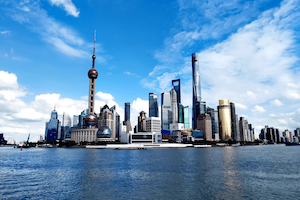
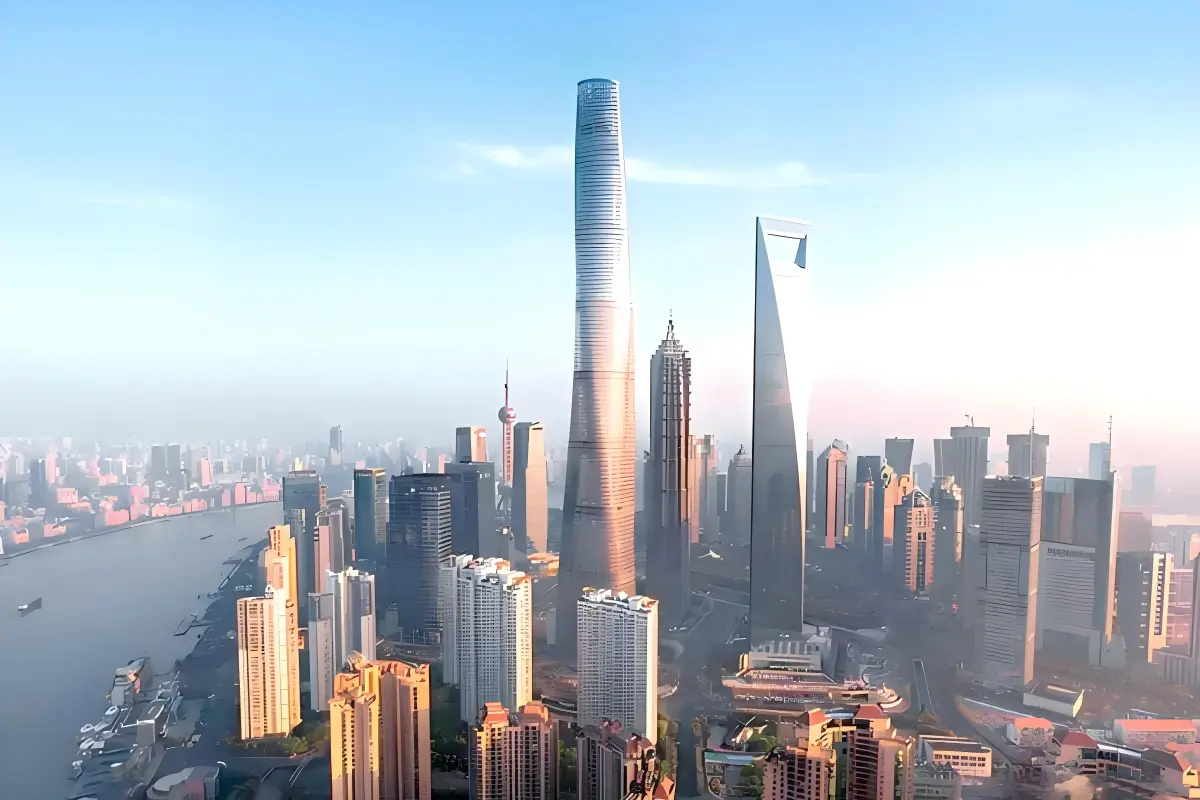
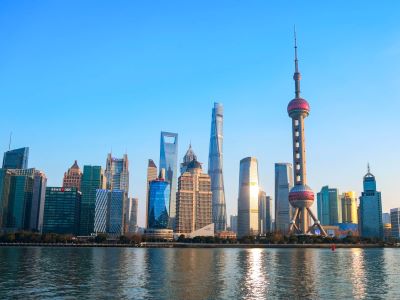
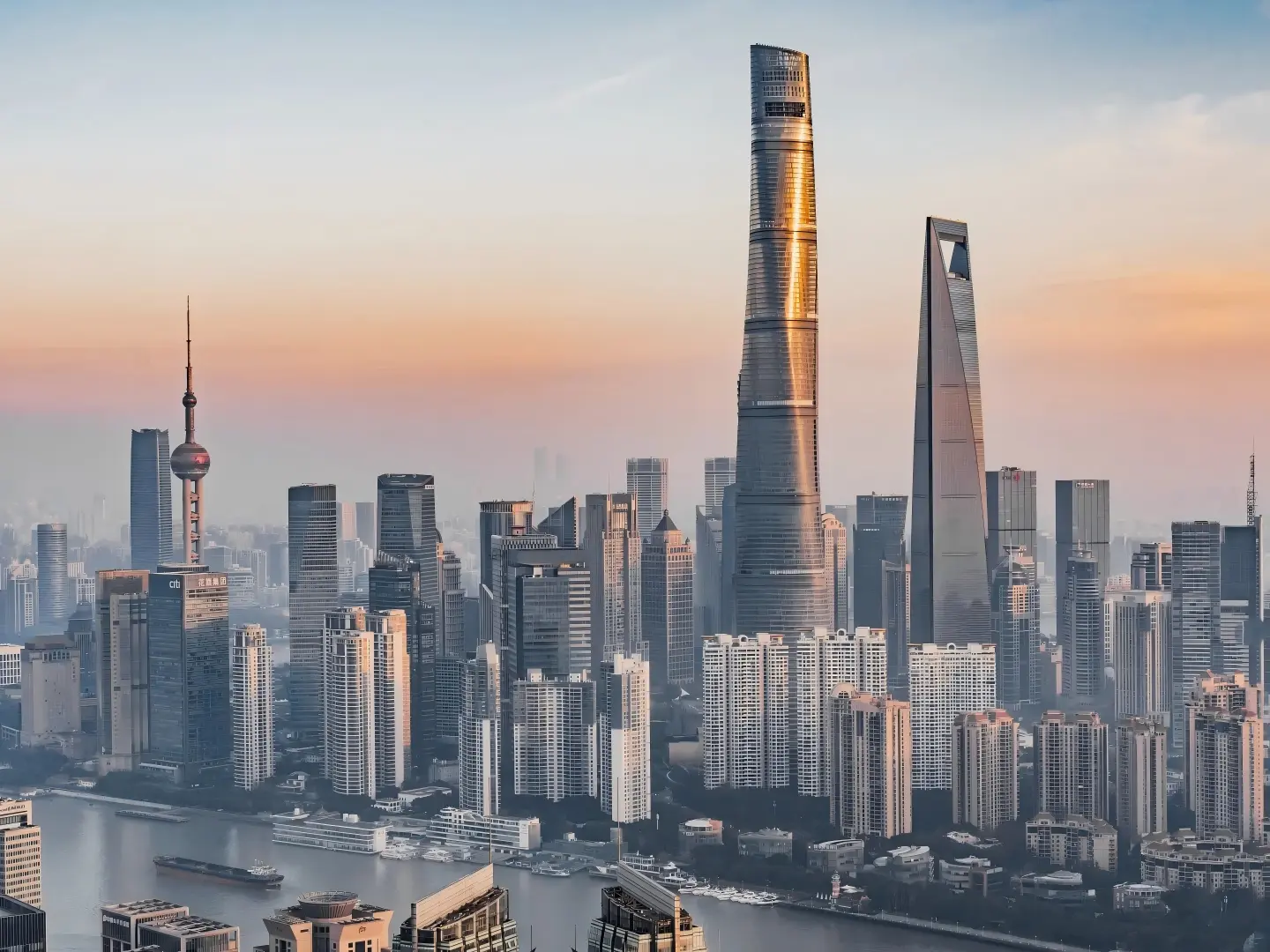
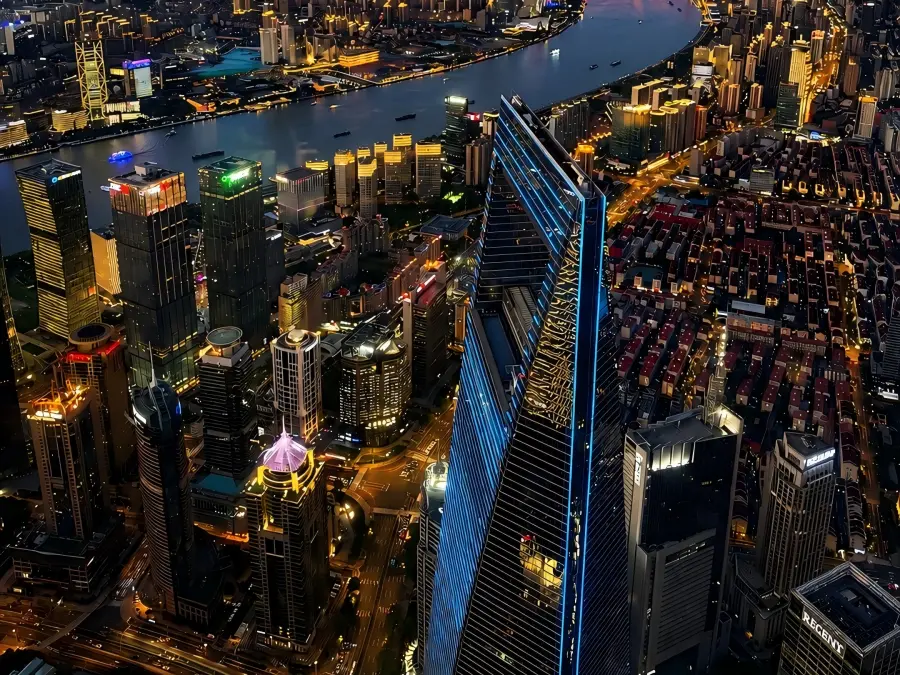
Rising above Lujiazui, Shanghai Tower is much more than a place to admire Shanghai from above. Its twisting glass fa?ade makes it one of the city's most distinctive landmarks, while its interior combines cultural spaces, restaurants, bookstores, museums, and high-altitude experiences.
Whether you're deciding if Shanghai Tower is worth a visit, choosing what to see inside, or planning the best time to go, this guide covers the practical details and standout experiences you need for a rewarding visit.
Below are some of our popular Shanghai Tower tours, combining a visit to Shanghai Tower with other highlights of Shanghai.
Shanghai Tower at a Glance
Item | Details |
Location | Lujiazui, Pudong |
Height | 632 meters |
Main Attraction | Top of Shanghai Observatory |
Observation Floor | 118th Floor |
Observation Height | About 546 meters |
Main View | 360° Shanghai Skyline |
Design Features of Shanghai Tower
Shanghai Tower stands out in Lujiazui not only because of its height, but also because of its distinctive twisting form and smart engineering. Its design combines aesthetics, structural performance, and sustainability, giving the tower a character of its own.
A Twisting, Asymmetrical Form
The tower gradually twists as it rises, creating its distinctive curved silhouette. Unlike the straight lines of many skyscrapers, this fluid shape gives Shanghai Tower a dynamic appearance that looks different from almost every angle.
A Double-Layer Glass Facade
Shanghai Tower features a double-layer glass fa?ade, creating a transparent outer skin around the main building. The space between the two layers helps improve insulation and ventilation while also creating a series of sheltered sky gardens within the tower.
A Rounded Triangular Shape
The tower's floor plans are based on a rounded triangular shape, with three curved corners that gradually rotate as the building rises. This simple geometric idea is what gives Shanghai Tower its iconic spiral-like appearance.
Designed for Shanghai's Windy Skyline
The twisting design is not just for looks. By reducing the surface area exposed to strong winds, the curved form helps lower wind loads on the building. This allows Shanghai Tower to handle Shanghai's high-altitude winds more efficiently.
A Sustainable Vertical Landmark
Sustainability is also built into the tower's design, from its double-skin fa?ade and natural lighting to energy-efficient systems and rainwater collection. Together, these features help Shanghai Tower function as a more environmentally conscious vertical city.
Layout of Shanghai Tower
Shanghai Tower is designed as a vertical city, with different sections serving different purposes. Rather than being occupied by offices alone, the tower brings together workplaces, hotels, cultural venues, restaurants, bookstores, and sightseeing spaces across its height.
Area | Floors | Main Function | What Makes It Special |
Lower Levels | B1–6F | Entrance, exhibition & public spaces | Learn about Shanghai Tower |
Cultural & Leisure Zone | 30F–60F | Museum, bookstore & leisure | Culture above the city |
Office & Hotel Zone | 60F–110F | Offices, hotel & sky lobbies | A vertical city |
Top of Shanghai | 118F | Observation deck | 546m panoramic views |
Tian Shi 632 | 125F–126F | Art & engineering experience | Light, technology & damper |
Upper Engineering Levels | 127F–128F | Building systems | Behind-the-scenes infrastructure |
Top Things to Do at Shanghai Tower
Shanghai Tower is easy to underestimate if you think it is simply an observation deck. Beyond the famous skyline views, the tower offers a mix of art, culture, architecture, and everyday experiences that can make your visit much more memorable.
Take the Fast Elevator to the Top of Shanghai
The classic Shanghai Tower experience begins with a ride in one of the world's fastest elevators. Traveling at an impressive 18 meters per second, it takes just 55 seconds to reach the 118th-floor observation deck, about 546 meters above the ground.
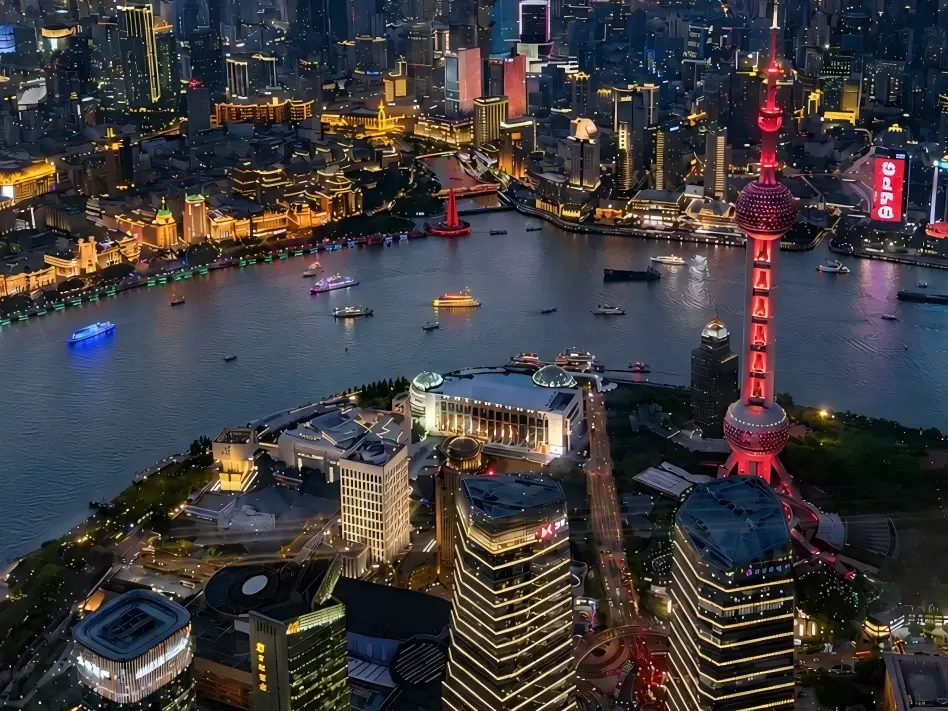
Once you arrive, take in a sweeping panorama of Pudong and Puxi, with the Huangpu River winding between the city's historic and modern districts. Take your time to spot landmarks such as the Oriental Pearl Tower, Jin Mao Tower, Shanghai World Financial Center, and the Bund. If the weather is clear, the sheer scale of Shanghai becomes much easier to appreciate from above.
Appreciate the Light and Shadow Show at Tian Shi 632 Art Space
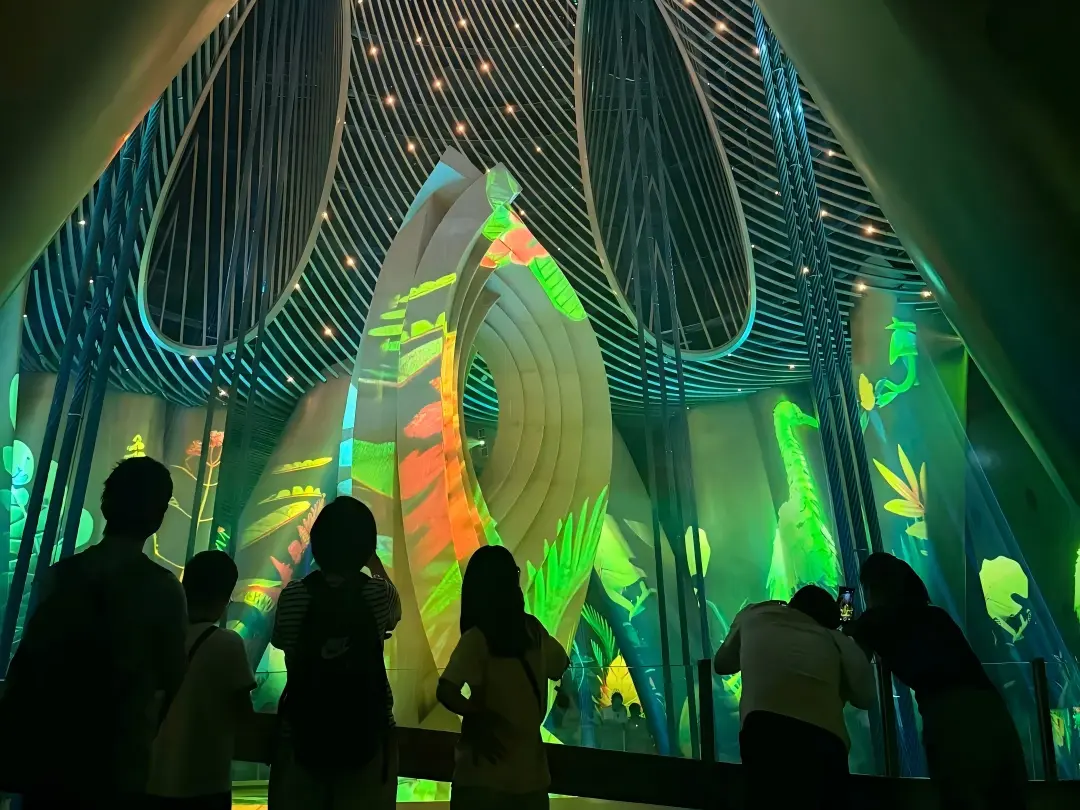
Head higher to the 125th and 126th floors for a very different experience. Tian Shi 632 Art Space combines light, shadow, sound, and digital technology with one of Shanghai Tower's most fascinating engineering features—the tuned mass damper.
The experience turns part of the tower's engineering into an artistic installation, making it one of the more unusual things to do inside Shanghai Tower. It is especially worth adding if you have already seen the main observation deck and want something beyond another skyline viewpoint.
Enjoy a Leisurely "Book Café" Time at Duoyun Books
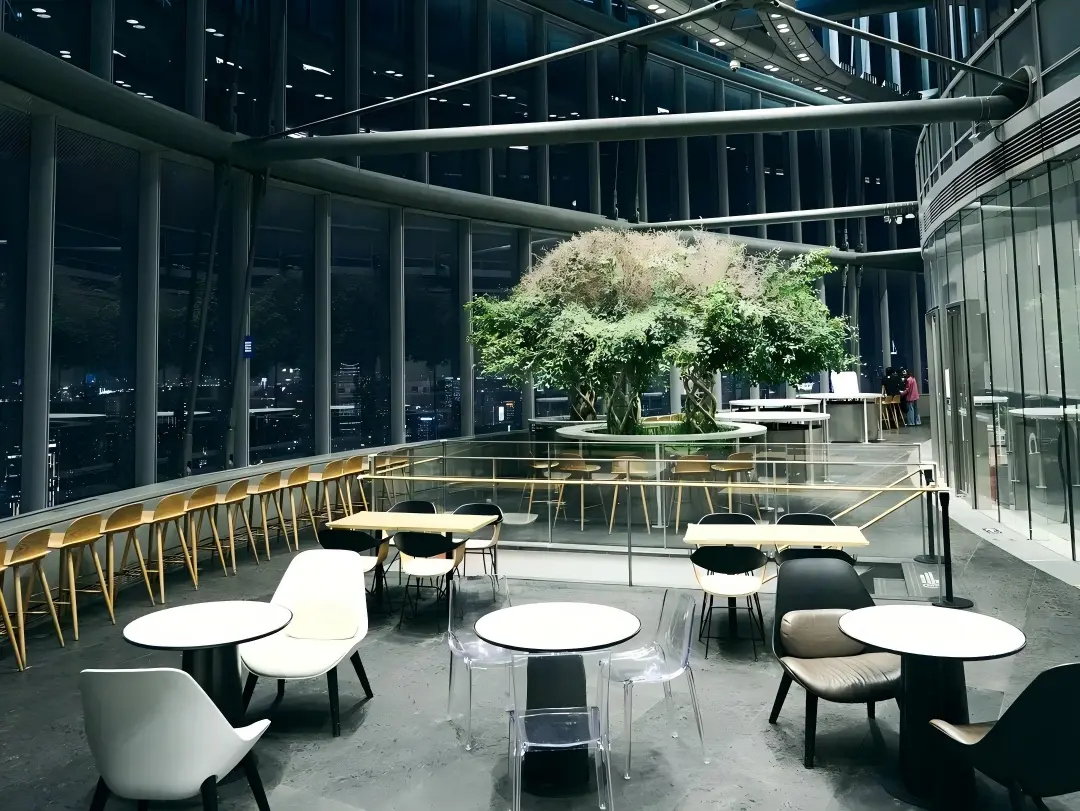
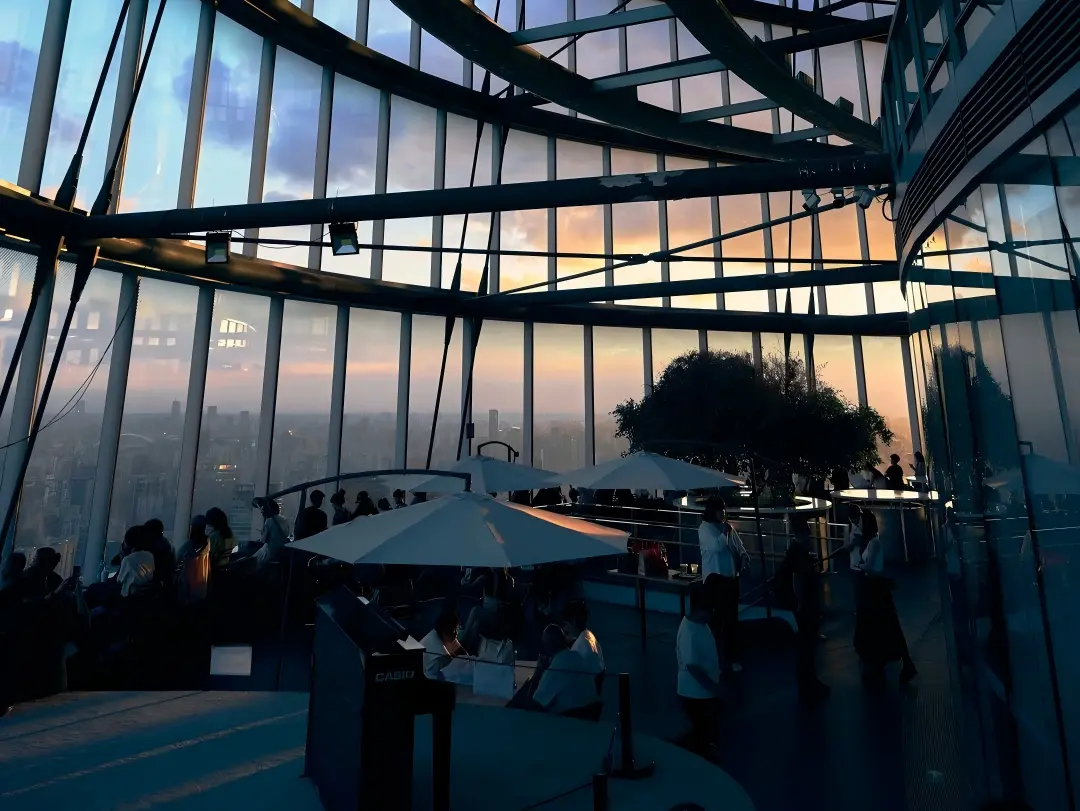
At around the 52nd floor, Duoyun Books offers a completely different way to experience Shanghai Tower. Instead of rushing between viewpoints, you can browse books, enjoy a coffee, and look out over the city from a much more relaxed setting.
It is a particularly nice stop if you want a break from sightseeing—or simply want to experience what it feels like to spend an ordinary afternoon high above Shanghai.
Admire Ancient Chinese Artifacts at Shanghai Guanfu Museum
Located on the 37th floor, Shanghai Guanfu Museum brings Chinese art and history into the heart of Lujiazui's modern skyline.
The museum's collections offer a chance to see traditional Chinese artifacts and craftsmanship in a setting that could hardly be more different from an old palace or historic museum. For travelers interested in Chinese culture, this is an easy way to add some history to an otherwise very modern Shanghai Tower visit.
Explore the Architecture from the Inside
Don't forget to look back at the building itself. The curved glass fa?ade, spiraling structure, sky gardens, and double-skin design are much easier to appreciate once you are inside the tower.
Look up from the lower levels and notice how the building's shape changes as it rises. Understanding how the tower combines its twisting form with structural and environmental design also makes the visit to the observation deck more interesting.
Shanghai Tower vs Other Shanghai Observation Decks
Shanghai's skyline is home to several famous observation decks, each offering a different perspective on the city. If you're deciding whether Shanghai Tower is the right choice, it helps to know what the other three landmarks offer.
Oriental Pearl Tower
The Oriental Pearl Tower is one of Shanghai's most recognizable landmarks, famous for its distinctive spherical design. Its observation platforms offer views across the Huangpu River and the surrounding city, making it a classic choice for first-time visitors.
Shanghai World Financial Center
The Shanghai World Financial Center is known for its distinctive trapezoidal opening near the top and its views across Lujiazui. From its observation deck, you can see Shanghai Tower, Jin Mao Tower, and the wider Pudong skyline—making it a strong option for skyline photography.
Jin Mao Tower
Jin Mao Tower combines modern skyscraper engineering with traditional Chinese architectural influences. Its distinctive tiered design makes it one of the most recognizable buildings in Lujiazui, while its observation deck offers a classic view over Shanghai.
Which One Should You Choose?
Attraction | Best For | Main Highlight |
Shanghai Tower | Highest viewpoint | 546m observation deck + cultural experiences |
Oriental Pearl Tower | Iconic landmark | Distinctive design + classic Shanghai views |
Shanghai World Financial Center | Photography | Views of Shanghai Tower and Pudong |
Jin Mao Tower | Architecture | Chinese-inspired skyscraper design |
Shanghai Tower Tickets
Planning your visit to Shanghai Tower is fairly straightforward, but it helps to know what your ticket covers and where to book before you go. The main sightseeing experience is the Top of Shanghai observation deck on the 118th floor, while some higher-level experiences may require a different ticket or package.
How Much Is a Shanghai Tower Ticket?
Ticket Type | Reference Price |
Adult | RMB 180 |
Child / Senior / Student | RMB 120 |
Children under 1.4m | Free |
These are reference prices for the standard observation experience. Combination packages and special experiences may have different prices, so check the latest fare when booking.
Tip: If you're mainly interested in the panoramic views, the standard observation ticket is usually enough. If you want to experience Tian Shi 632 Art Space or other attractions inside the tower, check whether they are included in your selected ticket or require an additional fee.
How to Book Shanghai Tower Tickets
There are several convenient ways to book a Shanghai Tower ticket, but online booking is the easiest option, especially if you want to visit at a specific time such as sunset.
Book Online
The Shanghai Tower's official information lists Trip.com (Ctrip), Tongcheng, Meituan, and Dianping among its online booking channels.
For international visitors, Trip.com is often the most convenient option because its international platform supports overseas travelers and foreign passport information.
When booking online:
1. Search for "Shanghai Tower" or "Top of Shanghai Observation Deck."
2. Select the 118th-floor observation ticket or a suitable combination ticket.
3. Choose your preferred date and entry time.
4. Enter your name and passport details as required.
5. Complete payment and save your booking confirmation.
6. Bring the same passport used for the booking when you visit.
Book Through a Travel Agency
If you're planning a private Shanghai tour, booking through a local travel agency can be more convenient. The agency can arrange the Shanghai Tower ticket together with your guide, private vehicle, and other attractions, so you don't have to manage several separate bookings.
This option is particularly useful if you want to combine Shanghai Tower with places such as the Bund, Yu Garden, or Nanjing Road in one day. Your guide can also help coordinate the visiting time and overall route, which is useful when you want to catch sunset from the observation deck.
For travelers with limited time in Shanghai, a private tour can also save you from figuring out transportation, ticketing, and attraction schedules separately.
Should You Book in Advance?
Advance booking is recommended if you want to visit around sunset, on weekends, or during Chinese public holidays. Online listings currently offer multiple entry periods throughout the day, so booking ahead allows you to choose a time that fits your itinerary.
If your schedule is flexible, same-day tickets may also be available, but don't rely on this during busy periods.
Best Time to Visit Shanghai Tower
The best time to visit Shanghai Tower depends largely on the kind of view you want. For the most rewarding experience, late afternoon through sunset is hard to beat—you can see Shanghai in daylight, watch the skyline change with the setting sun, and stay long enough to see the city light up.
Visit in the Daytime for Clearer City Views
Daytime is a good choice if your priority is seeing Shanghai's landmarks clearly. With better visibility, you can easily pick out the Bund, Huangpu River, Oriental Pearl Tower, and the surrounding skyscrapers.
It is also a good time for photography if you prefer bright, natural light and detailed skyline shots.
Go Around Sunset for the Best Overall Experience
Sunset is arguably the best time to visit Shanghai Tower. Arrive before sunset so you have time to explore the observation deck and find a good viewing spot. As the sun goes down, the skyline gradually changes from a bright cityscape to a sea of lights.
This also gives you the chance to enjoy both daytime and nighttime views in a single visit.
Visit at Night for Shanghai's Illuminated Skyline
At night, Shanghai Tower offers a completely different atmosphere. Lujiazui's skyscrapers light up around you, while the Huangpu River and the Bund create a bright ribbon through the city.
If you're mainly interested in night photography or Shanghai's modern skyline, an evening visit can be particularly impressive.
Check the Weather Before You Go
For Shanghai Tower, visibility matters more than the season. A clear winter day can offer a better view than a hazy summer afternoon, while cloudy or polluted conditions can significantly reduce the experience at the observation deck.
If your schedule is flexible, check the weather and visibility forecast before choosing your time slot.
How to Get to Shanghai Tower
Shanghai Tower is located in Lujiazui, Pudong, one of Shanghai's most convenient areas for public transportation. You can reach it easily by metro, ferry, taxi, or private vehicle, depending on where you're coming from.
By Metro
The metro is the easiest and most budget-friendly way to reach Shanghai Tower. Take Metro Line 2 to Lujiazui Station, then walk for about 10–15 minutes to the tower.
By Taxi or Ride-Hailing
A taxi or ride-hailing car is a convenient option if you're traveling with children, carrying luggage, or visiting several attractions in one day. Simply enter Shanghai Tower as your destination.
From the Bund, the journey is relatively short, although travel time can increase considerably during rush hours.
For international visitors, DiDi is one of the easiest ride-hailing options in Shanghai. You can use the app to set your destination and pay electronically without needing to negotiate with the driver.
By Ferry
If you're visiting the Bund, taking a ferry across the Huangpu River can be a fun alternative to the metro. Cross from Puxi to Pudong, then continue toward Lujiazui and Shanghai Tower on foot.
The ferry is slower than the metro but gives you a chance to enjoy the river and see Shanghai's skyline from the water. It works particularly well if you're not in a hurry and want to make the journey part of the sightseeing experience.
By Private Car
A private car is the most convenient choice if you're planning to visit Shanghai Tower together with several attractions in one day. You can travel directly between stops without navigating the metro or arranging separate taxis.
This is especially useful for families, groups, or travelers who want to combine Shanghai Tower, the Bund, Yu Garden, and other major Shanghai attractions in a single itinerary.
If you're booking a private Shanghai tour, you can also arrange the Shanghai Tower admission together with your vehicle and guide, making the whole day easier to coordinate.
How to Combine Shanghai Tower with Other Shanghai Attractions
Shanghai Tower sits in the heart of Lujiazui, making it easy to combine with several of Shanghai's top attractions. Instead of treating it as a stand-alone stop, you can pair it with nearby sights to create a more balanced day of modern landmarks, historic neighborhoods, and riverside views.
Shanghai Tower + The Bund
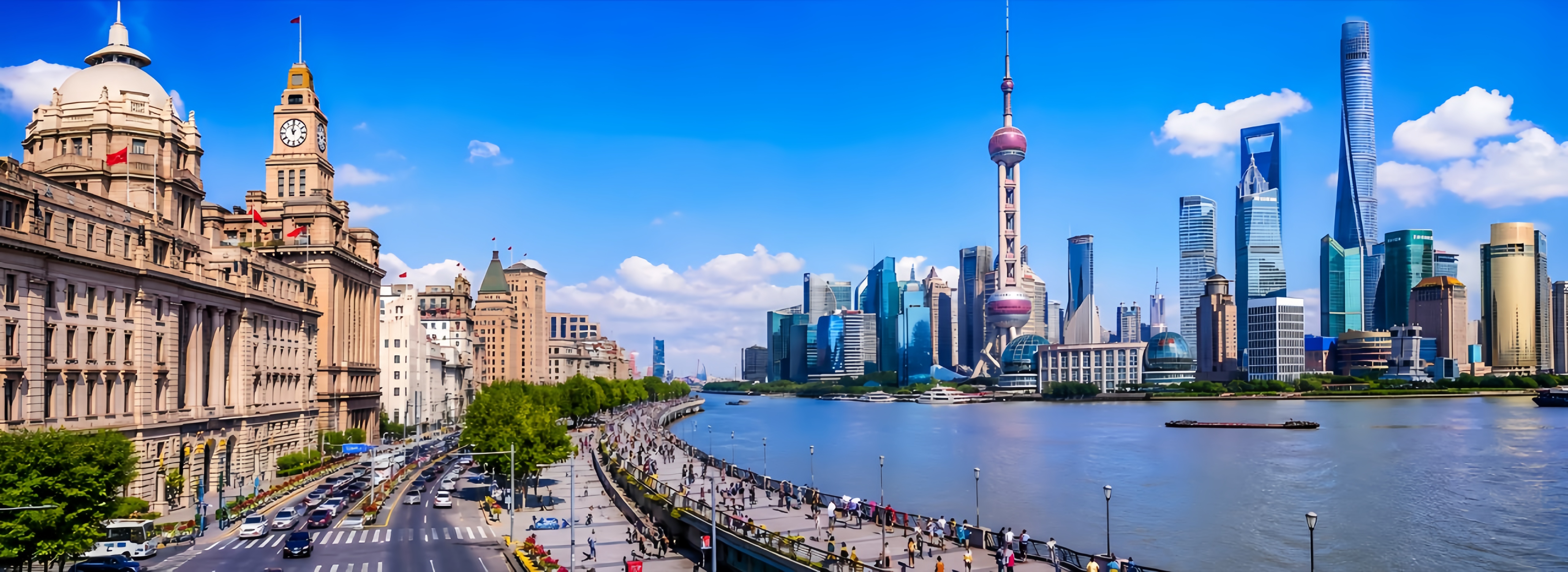
This is one of the best combinations for a first visit to Shanghai. Start at the Bund to admire the historic waterfront and colonial-era architecture, then cross the Huangpu River to Lujiazui and head up Shanghai Tower.
The contrast is what makes this pairing special: you see Shanghai's historic skyline from street level, then look back at it from nearly 546 meters above the city.
Shanghai Tower + Yu Garden
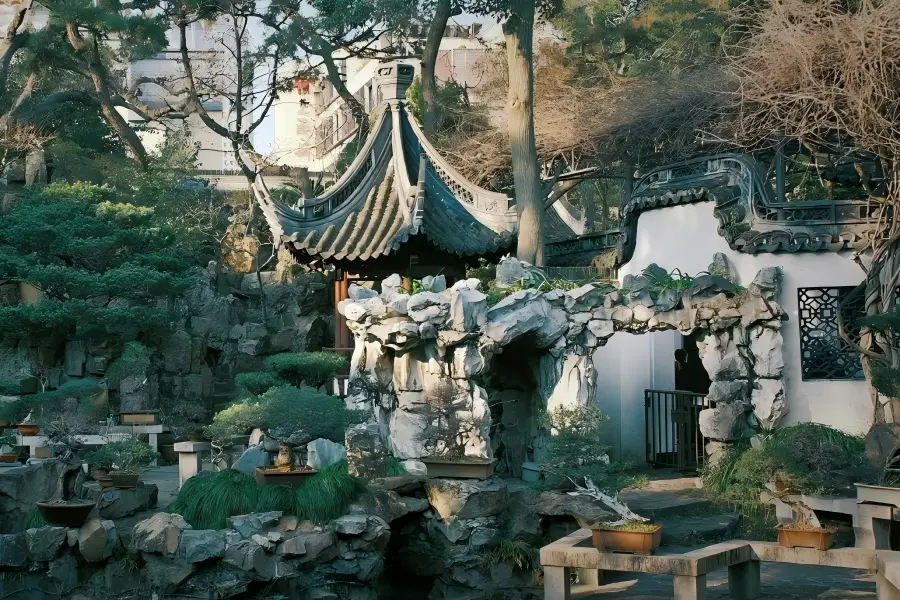
Pairing Shanghai Tower with Yu Garden gives you two completely different sides of Shanghai in one day. Explore the classical Chinese garden and old-city atmosphere around Yu Garden in the morning, then head to Lujiazui for a dramatic change of scenery.
It is an especially good combination if you want to experience both traditional Shanghai and its modern skyline.
Shanghai Tower + Nanjing Road
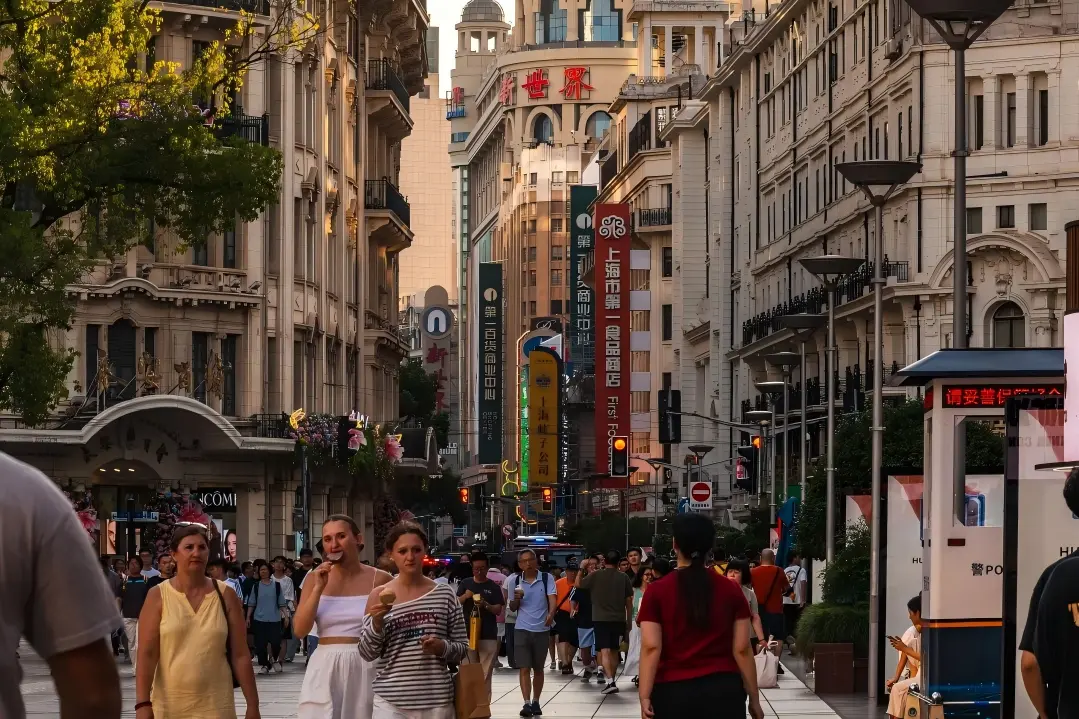
If shopping and city life are part of your Shanghai plans, combine Shanghai Tower with Nanjing Road. Spend the afternoon exploring one of Shanghai's busiest commercial streets before heading to Lujiazui for the skyline.
Visiting Shanghai Tower around sunset works particularly well, allowing you to finish the day with Shanghai's illuminated skyline.
Shanghai Tower + Lujiazui Riverside
You don't need to leave Pudong to build a full afternoon around Shanghai Tower. After visiting the tower, head down to the Lujiazui Riverside area for a relaxed walk along the Huangpu River.
Seeing the tower from ground level after experiencing it from above creates a nice contrast, especially as the city begins to light up in the evening.
Shanghai Tower + Shanghai Museum
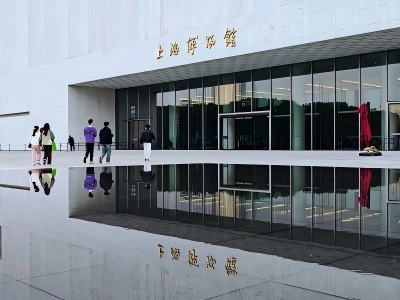
For a stronger mix of culture and modern Shanghai, combine Shanghai Tower with the Shanghai Museum. Spend part of the day exploring Chinese history and art before crossing the river to experience the city's contemporary architectural side.
This works particularly well for travelers who want more than a typical sightseeing day.
A Simple Way to Plan Your Day
For a first-time visit, one of the easiest combinations is Yu Garden → The Bund → Shanghai Tower. Start with old Shanghai, walk along the historic waterfront, then finish in Lujiazui with a high-altitude view of the city.
If you prefer a slower pace, choose Shanghai Tower + Lujiazui Riverside and allow plenty of time for sunset and evening photography.
Related routes:
Shanghai Tower Travel Tips
A few practical details can make a surprisingly big difference to your visit. These are the things worth knowing before you arrive, especially if you're visiting Shanghai Tower independently.
Bring Your Own Water
There are vending machines and drinks available inside the observation area, but bottled water can be relatively expensive compared with prices at street-level convenience stores. Bringing a reusable water bottle is a simple way to save money. Just make sure it meets the current security requirements before entering.
Enjoy a Quieter Visit During Off-Peak Hours
If you want to avoid the busiest periods, consider visiting before 10 AM or after 8 PM. These times are generally more relaxed than the popular afternoon and sunset period.
Weekends and holidays can be noticeably busier, and queues for security checks, ticket verification, and elevators may take 30 minutes or more during peak periods. If you are visiting at sunset, allow extra time rather than arriving just before your booked slot.
Know the Photography Rules
Tripods and selfie sticks are not allowed in the observation area, so plan to shoot handheld. If reflections on the glass are making your photos hazy, switch to your phone's telephoto lens and hold it close to the glass. This can significantly reduce reflections and give you a cleaner skyline shot.
Choose a Clear Day for Better Views
Weather makes a huge difference at 546 meters. On foggy, rainy, or heavily hazy days, distant landmarks can disappear completely, leaving you with a much less impressive view. Check the forecast before heading out and, if your schedule is flexible, choose a clear day with low haze for the best visibility.
Bring a Light Jacket
At more than 500 meters above ground, temperatures can feel noticeably cooler than at street level, especially with stronger airflow around the observation area. Bring a light jacket or thin outer layer, even if it feels warm when you leave your hotel.
FAQs About Shanghai Tower
Can I visit Shanghai Tower without going to the observation deck?
Yes. Shanghai Tower is a multifunctional building rather than just a tourist attraction. Some spaces, such as Duoyun Books and Shanghai Guanfu Museum, offer different experiences from the main observation deck. Access and admission arrangements vary by venue.
Is Shanghai Tower wheelchair accessible?
The tower is designed with accessibility in mind, and accessible facilities are available. If you use a wheelchair or have limited mobility, it is still a good idea to confirm the latest accessible route and facility arrangements before your visit.
Are there restaurants inside Shanghai Tower?
Yes. Shanghai Tower contains dining and leisure facilities, although not every restaurant or venue is part of the sightseeing ticket. If dining is part of your plan, check the individual venue's opening hours and reservation requirements.
Is Shanghai Tower suitable for people who are afraid of heights?
It depends on how comfortable you are with high-altitude environments. The observation deck is enclosed behind glass, but the floor-to-city perspective can still feel intense. If heights make you uncomfortable, staying farther from the windows can make the experience easier.
Can I Leave Shanghai Tower and Come Back on the Same Day?
Yes. Shanghai Tower tickets allow same-day re-entry, so you don't have to stay inside the tower continuously. For example, you can visit the observation deck in the afternoon, leave for dinner, and return later to enjoy the illuminated Shanghai skyline. Just make sure to keep your ticket and follow the current re-entry procedure when leaving.
Is there somewhere to rest inside Shanghai Tower?
Yes. Because the tower contains various public, cultural, and leisure spaces, there are places where you can take a break. Duoyun Books, in particular, is a good option if you'd rather slow down than spend your entire visit standing at observation windows.
Can I visit Shanghai Tower with luggage?
Large luggage may be subject to security or storage restrictions. If you're visiting Shanghai between train or flight connections, it is better to check the luggage policy in advance rather than arriving with a large suitcase.
What happens if the weather becomes bad after I book my ticket?
The view can change considerably with weather conditions, but a cloudy day does not necessarily mean the tower will close. If visibility is important to you, check the attraction's latest operating information and your ticket's cancellation or modification policy before changing your plans.