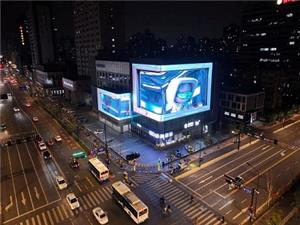
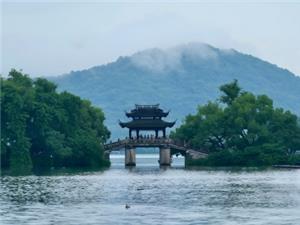
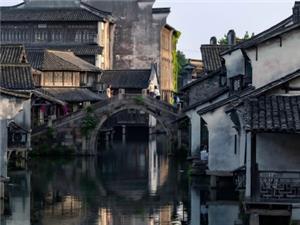
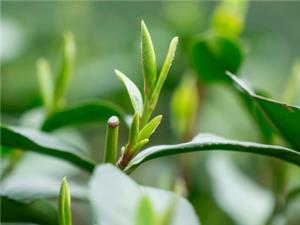
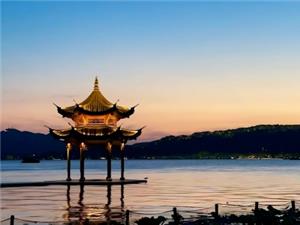
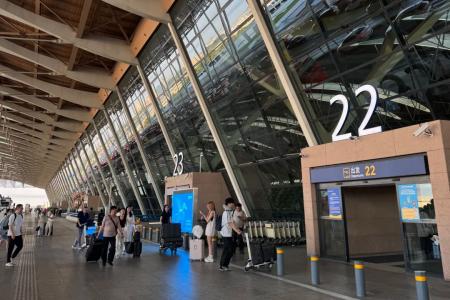
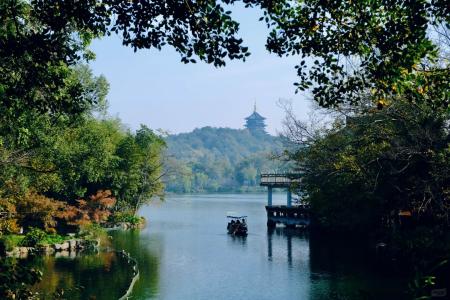
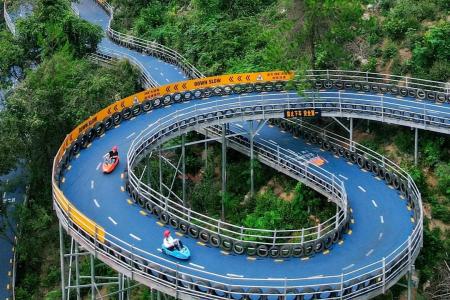
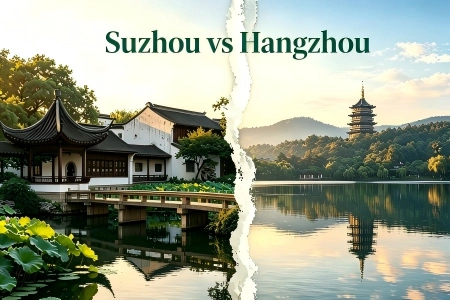
Shanghai impresses with its skyline, but Hangzhou leaves a lasting impression. Here, every day feels more relaxed, more scenic, and more connected to China's culture and history. You'll wake up to views of West Lake instead of traffic, sip freshly picked Longjing tea in the hills, and enjoy a slower, more authentic rhythm of life. Since Shanghai is only an hour away by high-speed train, you can still explore its famous landmarks without making it your base.
If you're deciding where to stay, Hangzhou isn't just an alternative to Shanghai—it's the better choice.
Why Choose Hangzhou Over Shanghai?
· Breathtaking Scenery – Home to the iconic West Lake, peaceful tea plantations, and beautiful mountain landscapes.
· Rich Cultural Heritage – Discover ancient temples, traditional Jiangnan architecture, and the world-famous Longjing tea culture.
· Authentic Local Cuisine – Enjoy Hangzhou specialties and regional flavors that showcase the city's culinary traditions.
· Relaxed & Less Crowded – Experience a slower pace of life with fewer crowds compared with larger cities like Shanghai.
· Great Value – Enjoy high-quality experiences with more affordable accommodation, dining, and transportation.
· Easy to Explore – Benefit from convenient transportation, digital payment options, and Shanghai just one hour away by high-speed train.
Hangzhou and Shanghai offer two very different ways to experience China. Shanghai is known for its modern skyline, international atmosphere, and fast-paced lifestyle, while Hangzhou is loved for its beautiful scenery, traditional culture, and more relaxed pace.
This guide covers the best things to do, travel costs, must-try experiences, and practical tips to help you choose the right city for your East China trip.
Top Attractions & Experiences in Shanghai & Hangzhou
Explore the top attractions and experiences in Shanghai and Hangzhou, from Shanghai' s iconic skyline and historic streets to Hangzhou' s beautiful West Lake, tea plantations, and ancient temples. Discover the perfect combination of modern city life and traditional Chinese culture in one unforgettable journey.
Top Things to Do in Hangzhou
West Lake (UNESCO World Heritage Site)
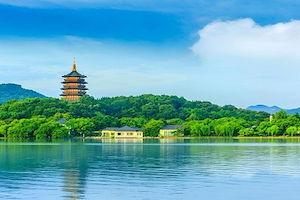
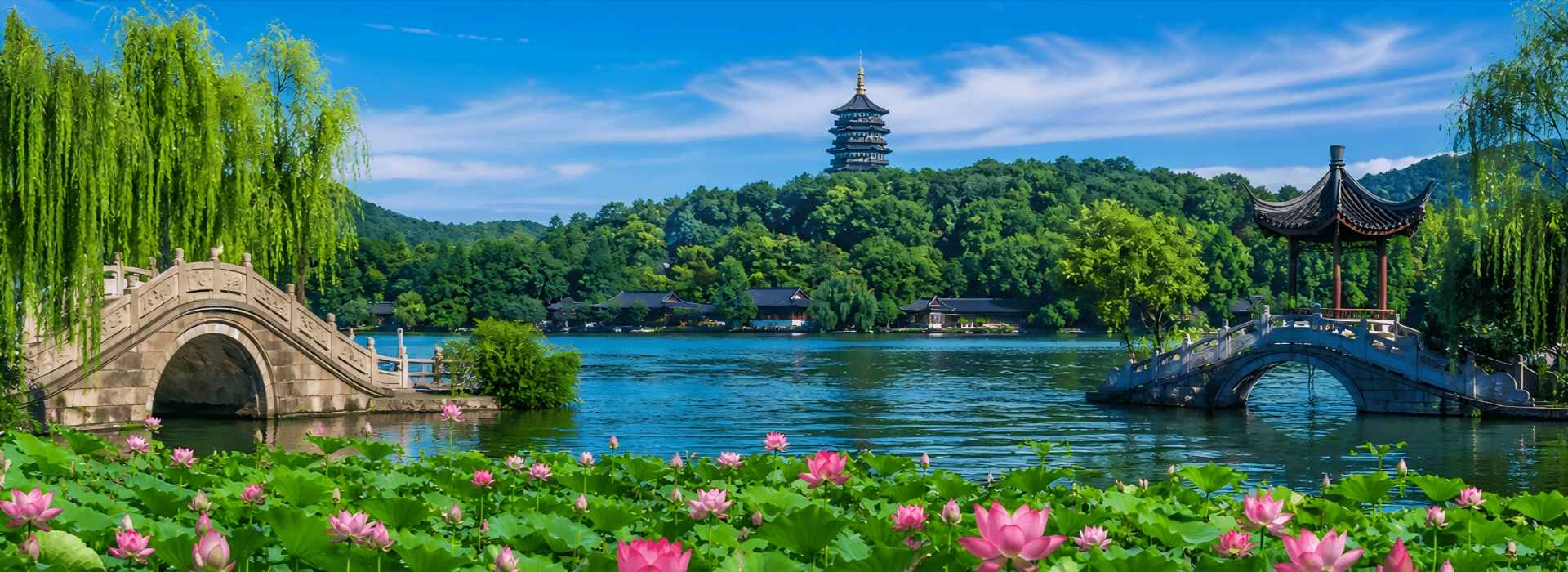
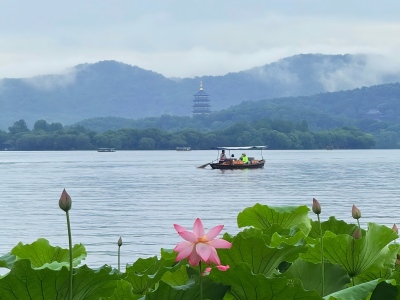
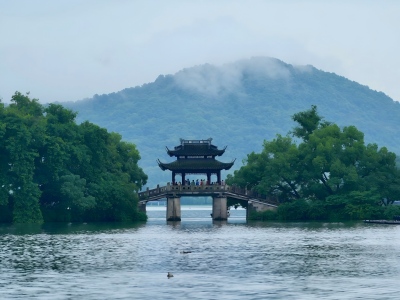
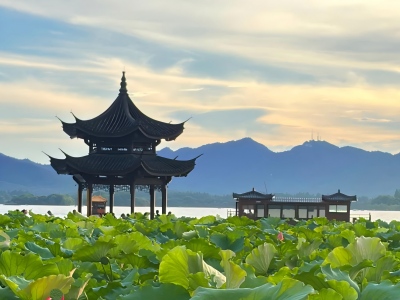
No visit to Hangzhou is complete without exploring West Lake, the city' s most iconic landmark and a UNESCO World Heritage Site. Surrounded by tree-lined causeways, ancient temples, elegant gardens, and picturesque pagodas, West Lake perfectly captures the timeless beauty of southern China.
Highlights
· Su Causeway
· Broken Bridge
· Leifeng Pagoda (Admission: ¥40)
· Three Pools Mirroring the Moon
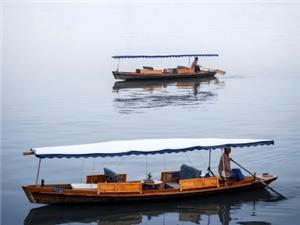
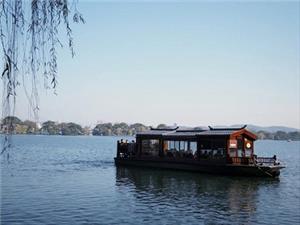
The best way to experience West Lake is by strolling along its scenic paths or taking a boat cruise.
Boat Options
· Electric sightseeing boat: From ¥50 per person
· Traditional wooden boat: Around ¥150–180 per hour
Admission: Free (except selected attractions)
Best Time to Visit: Early morning for peaceful views or sunset for spectacular scenery.
Lingyin Temple & Feilai Peak
Nestled among lush forested hills, Lingyin Temple is one of China's oldest and most celebrated Buddhist temples, with a history dating back to AD 326. Just beside the temple, Feilai Peak is renowned for its remarkable collection of ancient Buddhist stone carvings.
Together, they offer a peaceful escape where visitors can experience both Hangzhou's rich spiritual heritage and beautiful mountain scenery.
Opening Hours: 7:30 AM–5:30 PM
Admission: Separate tickets are required for Feilai Peak and Lingyin Temple.
Travel Tip: Advance reservation is recommended during weekends and public holidays.
Xixi National Wetland Park
For a quieter side of Hangzhou, head to Xixi National Wetland Park, a vast urban wetland known for its tranquil waterways, wooden boardwalks, lotus ponds, and abundant wildlife.
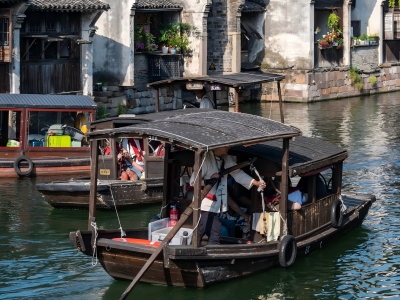
A traditional boat ride is one of the best ways to explore the park and enjoy its peaceful natural scenery.
Admission: ¥80 per person
Boat Ride: Approximately ¥60 (optional)
Best Time to Visit: Spring and autumn for the most pleasant weather and beautiful landscapes.
Longjing Tea Plantations (Meijiawu Village)
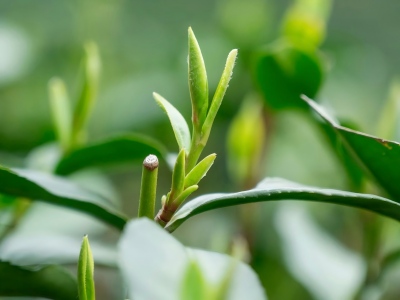
Hangzhou is the birthplace of the world-famous Longjing (Dragon Well) Tea. Visiting the tea plantations around Meijiawu Village offers an authentic glimpse into local life, where you can wander through tea fields, learn about traditional tea production, and sample freshly brewed Longjing tea.
Typical Costs
· Tea tasting: ¥30–50
· Tea-picking experience: ¥50–100 per hour
Best Time to Visit: March to May, during the spring tea harvest season.
Qinghefang Ancient Street
Step back in time at Qinghefang Ancient Street, one of Hangzhou's best-preserved historic neighborhoods. Lined with traditional architecture, local snack stalls, tea houses, pharmacies, and artisan shops, it's an ideal place to experience the city's cultural heritage.
Don't Miss
· Stinky Tofu
· Osmanthus Cake
· Longjing Tea
· Traditional Chinese handicrafts
Admission: Free
Opening Hours: 9:00 AM–10:00 PM
Travel Tip: Visit in the evening when the lanterns are illuminated and the street comes alive with local food and entertainment.
Top Things to Do in Shanghai
The Bund & Lujiazui Skyline
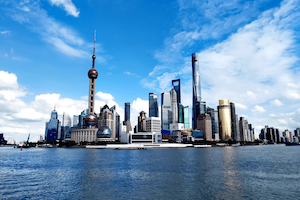
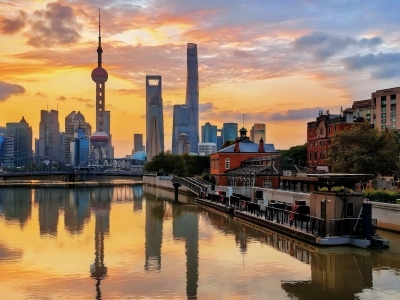
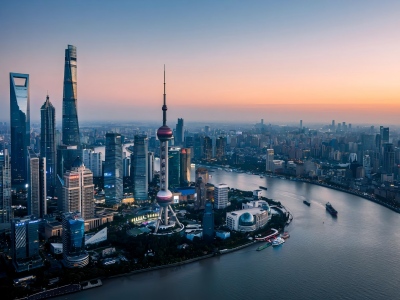
No trip to Shanghai is complete without visiting The Bund, the city's most iconic waterfront. Stroll along the historic promenade to admire elegant colonial-era buildings on one side and the futuristic skyline of Lujiazui on the other, home to landmarks such as Shanghai Tower and the Oriental Pearl Tower.
This is one of the best places to experience Shanghai's unique blend of history and modernity.
Highlights
· The Bund Waterfront
· Shanghai Tower
· Oriental Pearl Tower
· Huangpu River views
For an unforgettable experience, take a Huangpu River cruise to enjoy the city's spectacular skyline from the water.
Boat Cruise: From ¥80–150 per person
Admission: Free (The Bund)
Best Time to Visit: Early morning for fewer crowds or around sunset when the skyline is beautifully illuminated.
Yu Garden & Old Town
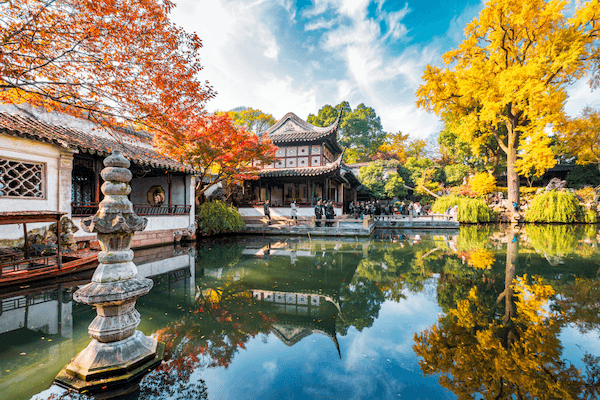
Step into Shanghai's past at Yu Garden, a beautifully preserved classical Chinese garden with over 400 years of history. Wander through elegant pavilions, koi-filled ponds, rockeries, and traditional bridges before exploring the lively Old Town Bazaar, famous for local snacks, souvenirs, and traditional architecture.
Don't Miss
· Exquisite pavilions and gardens
· Nine-Turn Bridge
· Traditional teahouses
· Xiaolongbao (Soup Dumplings)
Admission: ¥40 (higher during peak season)
Opening Hours: 8:30 AM–5:00 PM
Best Time to Visit: Early morning to avoid the crowds.
Nanjing Road Pedestrian Street
As Shanghai's most famous shopping street, Nanjing Road stretches over 1.5 kilometers and offers everything from luxury international brands to local specialty stores, shopping malls, restaurants, and street food.
Whether you're shopping or simply soaking up the lively atmosphere, it's one of the city's must-visit destinations.
Admission: Free
Best Time to Visit: Evening, when the street comes alive with dazzling neon lights and entertainment.
French Concession
The Former French Concession offers a completely different side of Shanghai. Known for its leafy avenues, historic European-style villas, trendy cafés, designer boutiques, and art galleries, it's one of the city's most charming neighborhoods.
Take your time exploring the area's relaxed atmosphere and unique blend of East and West.
Highlights
· Wukang Road
· Anfu Road
· Independent cafés
· Boutique shops
Admission: Free
Best Time to Visit: Afternoon or early evening for a leisurely walk and café hopping.
Shanghai Tower
Standing at 632 meters, Shanghai Tower is China's tallest building and the third tallest in the world. The observation deck on the 118th floor offers breathtaking panoramic views of Shanghai's skyline.
On clear days, it's one of the best viewpoints in the city.
Admission: From ¥180
Opening Hours: 9:00 AM–9:30 PM
Travel Tip: Book your tickets online in advance to avoid long queues, especially during weekends and holidays.
Must-Try Experiences in Hangzhou & Shanghai
What to Do in Hangzhou
1. West Lake Boat Ride at Sunrise or Sunset
A boat ride on West Lake is one of the most memorable experiences in Hangzhou. Glide peacefully across the water on a traditional wooden boat while enjoying views of willow trees, ancient bridges, and surrounding mountains.
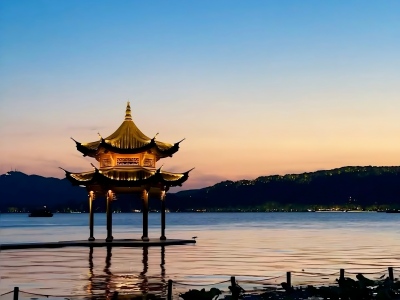
Choose an early morning ride to experience the peaceful atmosphere and misty lake views, or visit at sunset when Leifeng Pagoda is beautifully illuminated against the evening sky.
Boat Capacity: Up to 4 people per boat
Price: Around ¥80–120 per boat
Travel Tip: Morning and sunset rides are the most popular, so advance booking is recommended during peak seasons.
2. Longjing Tea Picking & Traditional Tea Tasting
Hangzhou is the birthplace of the famous Longjing (Dragon Well) Tea, and visiting a tea village is one of the best ways to experience local culture.
Head to Meijiawu Village in the morning to walk through green tea fields, learn how Longjing tea is harvested and processed, and try picking fresh tea leaves with guidance from local tea farmers.
After the tea-picking experience, enjoy a traditional tea ceremony and taste freshly brewed Longjing tea with local snacks.
Price: Around ¥50–100 per person
Best Time: March–May during the spring tea harvest season.
3. Taste Authentic Hangzhou Cuisine
Hangzhou cuisine is known for its delicate flavors, fresh ingredients, and traditional cooking techniques. Trying local specialties is an essential part of any visit.
Must-Try Dishes
· Longjing Shrimp – Fresh shrimp stir-fried with fragrant Longjing tea leaves (Around ¥80–120/person)
· Dongpo Pork – Slow-braised pork belly cooked with soy sauce and rice wine (Around ¥60–80/person)
· West Lake Vinegar Fish – Fresh fish served with a sweet and sour vinegar sauce (Around ¥70–90/person)
Recommended Restaurants
· Lou Wai Lou – A historic restaurant near West Lake famous for traditional Hangzhou dishes.
· Grandma's Home – A popular choice for affordable local cuisine.
Travel Tip: Reserve ahead if visiting popular restaurants during weekends and holidays.
4. Hanfu Experience & Photos Around West Lake
Experience traditional Chinese culture by renting a Hanfu (traditional Chinese clothing) and taking photos around the scenic areas of West Lake.
The elegant outfits pair beautifully with classic locations such as Su Causeway, Broken Bridge, and traditional gardens, creating unforgettable travel memories.
Rental Price: Around ¥50–100 per hour (including accessories)
Best Time: Early morning or late afternoon for softer lighting and fewer crowds.
5. Relax at a Traditional Tea House
Slow down and enjoy Hangzhou's famous tea culture at a traditional tea house overlooking West Lake or hidden along historic streets.
Sip a cup of authentic Longjing tea while listening to traditional music or enjoying the peaceful surroundings.
Tea Price: Around ¥30–80 per person
Recommended Areas
· Qinghefang Ancient Street
· West Lake Tea Houses
Travel Tip: A tea house visit is especially enjoyable after sightseeing around West Lake.

What to Do in Shanghai
1. Huangpu River Night Cruise
Experience Shanghai's spectacular skyline from the water with an evening cruise along the Huangpu River. As the city lights up after dark, you'll pass famous landmarks including The Bund, Lujiazui, Shanghai Tower, and the Oriental Pearl Tower.
Duration: Around 45–60 minutes
Price: ¥80–150 per person
Best Time: 7:00–9:00 PM
Travel Tip: Choose official cruise operators and avoid unofficial street ticket sellers.
2. Taste Authentic Xiaolongbao (Soup Dumplings)
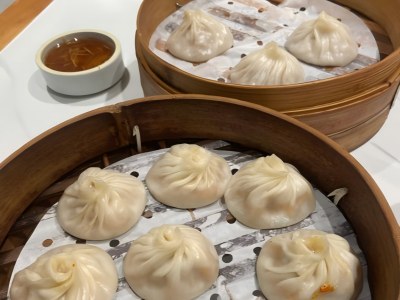
No visit to Shanghai is complete without trying xiaolongbao, the city's famous soup dumplings filled with flavorful broth and meat.
Popular places to try them include:
· Din Tai Fung – A well-known choice with consistent quality.
· Jia Jia Tang Bao – A local favorite famous for traditional soup dumplings.
Average Price: Around ¥30–50 per serving
Travel Tip: Visit earlier in the day, as some popular local restaurants may sell out.
3. Enjoy Rooftop Bars with Skyline Views
Shanghai's futuristic skyline is best appreciated from above. Enjoy a cocktail while overlooking the illuminated cityscape from one of the city's stylish rooftop bars.
Recommended Spots
· The Ritz-Carlton Shanghai, Pudong
· The Peninsula Shanghai
Drinks: Around ¥80–150 per drink
Best Time: Sunset to evening, especially during happy hour (around 5:00–7:00 PM).
4. Stroll Through the French Concession at Dusk
The Former French Concession is one of Shanghai's most charming neighborhoods, featuring tree-lined streets, historic villas, boutique shops, and cozy cafés. Walking here in the late afternoon allows you to enjoy the golden evening light and experience a slower, more relaxed side of Shanghai.
Don't Miss
· Wukang Road
· Anfu Road
· Local cafés and boutiques
Travel Tip: Stop for coffee or dessert while exploring the neighborhood.
5. Join a Local Street Food Tour
A guided street food tour is a great way to discover Shanghai beyond the typical tourist attractions.
Explore local neighborhoods and taste authentic snacks such as:
· Shengjianbao (pan-fried pork buns)
· Jianbing (Chinese breakfast crepe)
· Tanghulu (candied hawthorn)
Price: Around ¥150–250 per person
Travel Tip: Small-group tours with local guides offer a more authentic experience and help you discover hidden food spots.
How Many Days Should You Spend in Shanghai and Hangzhou?
The ideal amount of time depends on your travel style and interests. While Shanghai is perfect for a fast-paced city break, Hangzhou is best enjoyed at a slower pace, allowing time to appreciate its natural scenery and traditional culture.
Shanghai: 2–3 Days
Spending 2 to 3 days in Shanghai is enough to experience the city's top attractions and vibrant atmosphere.
In two days, you can comfortably visit:
· The Bund
· Yu Garden & Old Town
· Nanjing Road
· The Former French Concession
· Shanghai Tower
If you have an extra day, consider exploring nearby Zhujiajiao Water Town, visiting world-class museums, enjoying Shanghai Disneyland, or experiencing the city's lively nightlife and shopping districts.
Recommended Stay: 2–3 days
Hangzhou: 3–4 Days
Unlike Shanghai, Hangzhou is a destination best explored at a relaxed pace. Three to four days gives you enough time to enjoy both its famous landmarks and its peaceful surroundings without feeling rushed.
A typical itinerary includes:
· West Lake
· Lingyin Temple & Feilai Peak
· Longjing Tea Plantations
· Xixi National Wetland Park
· Qinghefang Ancient Street
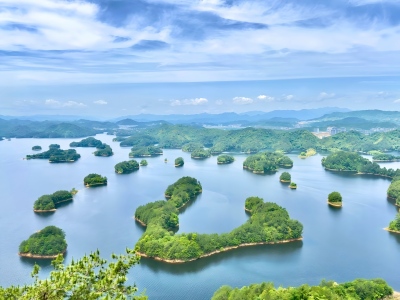
With an additional day, you can venture beyond the city to attractions such as Liangzhu Ancient City Ruins or take a scenic day trip to Qiandao Lake, famous for its crystal-clear waters and thousands of forested islands.
Recommended Stay: 3–4 days
Recommended Itinerary
A 5–7 day itinerary is an excellent way to experience both Shanghai and Hangzhou in one trip. Spending 2–3 days in Shanghai followed by 3–4 days in Hangzhou creates a balanced journey, combining Shanghai's world-famous skyline, shopping, and cosmopolitan atmosphere with Hangzhou's tranquil landscapes, traditional tea culture, and rich historical heritage.
These itinerary offer enough time to explore the highlights of both cities while maintaining a comfortable pace and avoiding an overly rushed schedule.
Hangzhou vs. Shanghai Travel Cost Comparison
Planning a trip to East China and deciding between Hangzhou and Shanghai? These two destinations offer completely different travel experiences. Shanghai is a dynamic international metropolis known for its futuristic skyline, historic architecture, and vibrant city life, while Hangzhou is a more relaxed destination famous for West Lake, traditional tea culture, and beautiful Jiangnan scenery.
This guide compares the travel costs of Hangzhou and Shanghai, including accommodation, attractions, food, transportation, and practical budgeting tips, helping you choose the city that best fits your travel style and budget.
Accommodation Cost Comparison
Accommodation is one of the biggest differences when comparing the travel costs of Hangzhou and Shanghai. Shanghai generally has higher hotel prices, especially in central areas, while Hangzhou offers more affordable options with scenic locations and excellent value for money.
Budget Hotels & Hostels (¥70–¥300 per Night)
Hangzhou
Hangzhou offers a wide range of budget-friendly accommodations, especially around West Lake, Wulin Square, and historic neighborhoods.
· Hostel beds: Around ¥70–120 per night
· Budget hotels: Approximately ¥150–300 per night
· Most budget accommodations provide basic facilities such as air conditioning, Wi-Fi, and private bathrooms.
Staying near West Lake allows easy access to major attractions while keeping transportation costs low.
Shanghai
Budget accommodation in Shanghai is slightly more expensive due to higher demand and limited space in central districts.
· Hostel beds: Around ¥80–200 per night
· Budget hotels: Approximately ¥200–300 per night
· More affordable hotels are usually found outside the city center, often near metro stations for convenient access to attractions.
Areas around Metro Line 1, Line 2, and Line 8 can be good choices for balancing price and location.
Mid-Range Hotels (¥400–¥1,800 per Night)
Hangzhou
Hangzhou provides excellent value in the mid-range hotel category, especially for those who want comfort and convenient locations.
· 3–4 star hotels: Around ¥400–800 per night
· Hotels near West Lake or Wulin Square typically offer comfortable rooms, breakfast options, and easy access to sightseeing areas.
For a more relaxing stay, choosing accommodation near West Lake allows you to enjoy the city's natural scenery while staying close to major attractions.
Shanghai
Mid-range hotels in Shanghai are generally more expensive, particularly in popular areas such as People's Square, Nanjing Road, and Jing'an District.
· 3–4 star hotels: Around ¥700–1,800 per night
· Hotels near major metro stations usually provide better value while maintaining convenient transportation.
For travelers who prioritize shopping, dining, and nightlife, staying in central areas can be worthwhile despite the higher cost.
Luxury & Boutique Hotels (¥1,000+ per Night)
Hangzhou
Luxury hotels in Hangzhou focus on nature, tranquility, and traditional Jiangnan charm.
· Luxury hotels: Around ¥1,000–3,000+ per night
· Many high-end properties are located near West Lake or Xixi Wetland, offering beautiful surroundings and a more peaceful atmosphere.
Hangzhou is an excellent choice for those looking for a luxury experience with scenic views and a slower pace.
Shanghai
Shanghai's luxury hotel scene is more international and urban, featuring iconic properties, skyline views, and historic architecture.
· Luxury hotels: Around ¥1,800–5,000+ per night
· Premium areas such as the Bund, Pudong, and the French Concession offer some of the city's most famous hotels.
Luxury stays in Shanghai are ideal for those who want a stylish city experience with world-class dining, shopping, and entertainment nearby.
Best Areas to Stay in Hangzhou & Shanghai
Choosing the right neighborhood can greatly improve your experience, saving time on transportation while putting you closer to the city's top attractions, dining, and local culture. Below are the best areas to stay in Hangzhou and Shanghai based on different travel styles and preferences.
Where to Stay in Hangzhou
1. West Lake Area
Best for first-time visitors and scenic stays
· Stay close to Hangzhou's most iconic sights, including Leifeng Pagoda, Broken Bridge, and West Lake's lakeside paths.
· A wide range of accommodation options, from budget hotels to luxury resorts.
· Ideal for those who want peaceful mornings, beautiful lake views, and easy access to classic attractions.
2. Wulin Square
Best for shopping, dining, and convenient transportation
· A modern city center area with shopping malls, restaurants, and entertainment options.
· Close to Wulin Night Market and major metro lines, making it easy to explore the city.
· Offers plenty of comfortable mid-range hotels.
· Convenient for reaching Hangzhou East Railway Station and the airport.
3. Siyanjing (Four Eyes Well)
Best for budget stays and a more local atmosphere
· A charming neighborhood surrounded by nature, tea gardens, and traditional villages.
· Affordable hostels and guesthouses, typically around ¥200–600 per night.
· Close to Tiger Running Spring and Longjing Tea Village.
· Great for experiencing Hangzhou's tea culture and a slower, more relaxed lifestyle.
Where to Stay in Shanghai
1. People's Square / Nanjing Road
Best for first-time stays and city sightseeing
· One of Shanghai's most convenient central locations.
· Easy access to major attractions, including The Bund, Yu Garden, Shanghai Museum, and Nanjing Road Pedestrian Street.
· Excellent metro connections and a wide selection of hotels for different budgets.
· A practical base for exploring Shanghai's highlights.
2. The Bund
Best for luxury stays and iconic city views
· Home to some of Shanghai's most famous historic buildings and riverside hotels.
· Offers stunning views of the Huangpu River and Lujiazui skyline.
· Accommodation is generally more expensive, but the location and atmosphere are hard to match.
· Perfect for enjoying Shanghai's classic skyline and evening scenery.
3. French Concession
Best for boutique stays, cafes, and local charm
· Known for tree-lined streets, historic architecture, stylish cafes, and independent boutiques.
· Offers a mix of boutique hotels, guesthouses, and affordable accommodation.
· A relaxed neighborhood ideal for walking, photography, and experiencing Shanghai's unique blend of old and new.
Dining & Food Costs: Hangzhou vs. Shanghai
Both Hangzhou and Shanghai offer excellent food experiences, from affordable local snacks to world-class fine dining. However, Shanghai's dining scene is more international and generally more expensive, especially around popular tourist areas and luxury districts. Hangzhou, meanwhile, is known for refined Jiangnan cuisine, fresh ingredients, and tea-inspired dishes at relatively moderate prices.
Here is a breakdown of average meal costs, local specialties, and recommended restaurants in both cities.
Local Food & Average Meal Costs
Hangzhou Food Costs
Must-Try Local Specialties:
Longjing Shrimp – Fresh shrimp cooked with fragrant Longjing tea leaves.
West Lake Vinegar Fish – A classic Hangzhou dish featuring tender fish with a sweet and sour sauce.
Dongpo Pork – Slow-braised pork belly with a rich savory flavor.
Beggar's Chicken – Traditional Jiangnan-style chicken dish.
Longjing Tea-infused Dishes – Creative dishes featuring Hangzhou's famous tea culture.
Average Meal Prices:
Budget Meals:
Street snacks (such as stinky tofu and steamed buns): ¥5–15 per item
Local noodle shops: ¥15–30 per meal
Casual local restaurants: ¥30–60 per person
Mid-range Restaurants:
Traditional Hangzhou restaurants: ¥60–120 per person
High-end Dining:
Michelin-starred or luxury restaurants: ¥430–700+ per person
Shanghai Food Costs
Must-Try Local Specialties:
· Xiaolongbao (Soup Dumplings) – Shanghai's most famous steamed dumplings filled with soup and pork.
· Shengjianbao (Pan-fried Buns) – Crispy-bottomed buns with juicy meat filling.
· Braised Pork Belly – A classic Shanghainese comfort dish.
· Shanghai Noodles – Popular local noodles with rich sauces and toppings.
Average Meal Prices:
· Budget Meals:
Street food: ¥8–20 per item
Noodle shops: ¥20–40 per meal
Casual restaurants: ¥40–80 per person
· Mid-range Restaurants:
Local restaurants: ¥80–180 per person
· High-end Dining:
Michelin-starred or luxury restaurants: ¥370–700+ per person
Tips for Optimizing Your Travel Budget
Best Time to Book Hotels and Tickets
Planning ahead is one of the easiest ways to reduce travel costs, especially when visiting during busy seasons.
· Book hotels 2–3 months in advance to secure better rates, particularly during peak travel periods (March–May and September–November) and major Chinese holidays such as Spring Festival and National Day. Last-minute bookings during these periods can cost 50–100% more due to high demand.
· Reserve attraction tickets online 1–3 days in advance through official websites or trusted platforms such as Trip.com. Many attractions offer online discounts of around 10–20% compared with on-site purchases. For popular attractions like Shanghai Disney Resort, booking at least 2 weeks ahead is recommended to avoid sold-out dates and higher prices.
· Consider traveling during lower-demand periods (December–February or June–August) for better hotel deals and fewer crowds. Keep in mind that August is hot and humid in both cities, while winter temperatures from December to February are cooler (around 5–15°C) but generally more comfortable for sightseeing.
Combining Tours to Reduce Costs
Combining destinations and attractions can often provide better value than booking everything separately.
· Choose multi-city tour packages such as a Shanghai + Hangzhou private tour to save on transportation planning and attraction arrangements. Many packages include high-speed train transfers between the two cities (around 1–1.5 hours, ¥70–100 per person one way) and provide convenient access to major attractions.
· Look for attraction combination tickets when exploring one city. For example, packages that combine attractions such as West Lake and Lingyin Temple in Hangzhou can save approximately 15–25% compared with purchasing separate tickets.
· Small-group tours can be a cost-effective alternative to private tours. Groups of around 6–12 people usually offer a good balance between affordability, comfort, and a more personalized experience.
Using Local Transportation Apps and Cards
Public transportation in both Shanghai and Hangzhou is affordable, efficient, and easy to use with the right tools.
1. Metro Cards
· Shanghai Public Transport Card and Hangzhou Metro Card are convenient options for frequent metro and bus rides.
· A refundable deposit of around ¥20 is usually required.
· Metro fares start from approximately ¥3, with additional transfer discounts available.
· These cards can also be used on buses and some ferry services, making daily transportation more convenient and budget-friendly.
2. Didi Chuxing App
The English version of Didi Chuxing makes getting around cities easier, especially when traveling with luggage or visiting areas less convenient by metro.
· Rides are usually 10–20% cheaper than traditional taxis.
· Available options include:
Didi Express: The most affordable option for everyday rides.
Didi Comfort: A more spacious and comfortable choice.
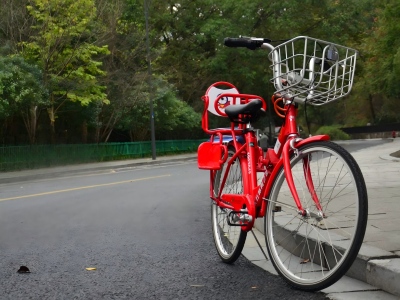
Didi Bike: Suitable for short distances (1–3 km), costing around ¥2–3 per 30 minutes.
3. High-Speed Train Between Shanghai and Hangzhou
Taking the high-speed train is the most efficient way to travel between the two cities.
· Travel time: approximately 1–1.5 hours
· Ticket price: around ¥70–100 one way
· Advantage: Both cities' train stations are located closer to downtown areas, saving time compared with airport transfers.
Free and Low-Cost Attractions
Both Shanghai and Hangzhou offer plenty of affordable experiences, allowing you to explore local culture without spending much.
Hangzhou
· West Lake: A free scenic area perfect for walking, cycling, or enjoying views of traditional bridges and gardens. Bike rentals usually cost around ¥10–20 per day.
· Qinghefang Ancient Street: Explore historic streets, traditional shops, and local snacks, with many free samples available.
· Hefang Street: A great place to experience traditional crafts, architecture, and local atmosphere.
Low-cost attractions (around ¥15–30) include:
· Tiger Running Spring
· City God Pavilion
Shanghai
· The Bund: Enjoy Shanghai's iconic skyline views, especially at sunset, completely free of charge.
· Nanjing Road: A lively shopping street ideal for walking and window shopping.
· Tianzifang: Discover creative boutiques, cafés, and traditional alleyways.
Affordable attractions (around ¥20–40) include:
· Jade Buddha Temple
· Shanghai Science and Technology Museum
Museums and Cultural Sites
Many museums in Shanghai and Hangzhou offer free admission, although advance online reservations are often required.
Popular free museums include:
· Shanghai Museum
· Hangzhou Museum
Visiting these museums is a great way to learn about local history, art, and culture while keeping your travel budget under control.
Which City Is Better for Your Budget: Hangzhou vs. Shanghai?
Hangzhou – The Better Choice for Budget-Friendly Travel
For those looking to save money, Hangzhou is the more affordable option, with overall costs around 30–40% lower than Shanghai. Accommodation, local dining, and attractions are generally more budget-friendly, while many highlights—such as West Lake, historic temples, and scenic walking routes—are free or require only a small entrance fee.
With its relaxing atmosphere, rich cultural heritage, and beautiful natural scenery, Hangzhou is a great choice for experiencing traditional China without spending too much.
Shanghai – The Best Choice for Premium Experiences
For those with a higher budget, Shanghai offers a more modern and cosmopolitan experience, featuring luxury hotels, fine dining, iconic architecture, and vibrant nightlife.
From the stunning skyline of The Bund and Shanghai Tower to cultural attractions like Yu Garden, Shanghai showcases China's international side. While daily expenses are higher, the city offers a wider range of upscale experiences and unforgettable urban moments.
Tip: Combine Both Cities for the Best Experience
A well-balanced itinerary could include 2–3 days in Shanghai and 3–4 days in Hangzhou. This allows you to enjoy Shanghai's modern energy and iconic landmarks while experiencing Hangzhou's peaceful landscapes, traditional culture, and lower travel costs.
Hangzhou vs Shanghai Transportation: Getting Around the Two Cities
Both Shanghai and Hangzhou offer convenient and modern transportation systems, making it easy to explore the cities without a private vehicle. With extensive metro networks, affordable buses, reliable taxis, and convenient ride-hailing services, getting around is generally straightforward—even for those visiting China for the first time.
However, the transportation experience reflects each city's character. Shanghai transportation is larger, faster, and more connected, designed for a busy international metropolis. Hangzhou transportation is slightly more relaxed, efficient, and closely connected with scenic areas such as West Lake and Lingyin Temple.
This guide compares Shanghai vs Hangzhou transportation, including metro systems, buses, taxis, payment methods, and practical tips to help you travel smoothly.
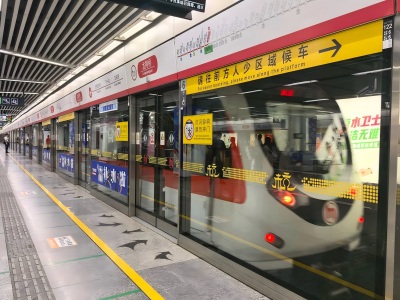
Local Transportation: Shanghai vs Hangzhou
The main ways to get around both cities are:
· Metro
· Public buses
· Taxis
· Ride-hailing apps (mainly Didi)
The metro is usually the best choice for sightseeing, while taxis and ride-hailing services are more convenient when traveling with luggage or visiting places that are farther from the city center.
Metro: Shanghai vs Hangzhou
Hangzhou Metro
Hangzhou Metro is smaller than Shanghai's but efficient and easy to use. It connects major areas such as:
· West Lake (西湖)
· Lingyin Temple (灵隐寺)
· Longjing Tea Village (龙井村)
· Hangzhou East Railway Station
The metro usually operates from around 5:30 AM to 11:30 PM.
Payment options:
· Ticket machines with English menus
· Alipay or WeChat Pay QR codes
· Hangzhou Tong Card
For sightseeing, the metro is convenient, but some scenic spots like Longjing Village may require a short taxi ride from the nearest station.
Shanghai Metro
Shanghai Metro is one of the largest metro systems in the world, with extensive coverage throughout the city. It connects major attractions including:
· The Bund (外滩)
· Nanjing Road (南京路)
· Yu Garden (豫园)
· Shanghai Tower (上海中心大厦)
· Pudong Airport
Operating hours are generally around 5:30 AM to 11:30 PM.
Payment options:
· Ticket machines
· Shanghai Transportation Card
· Alipay or WeChat Pay QR codes
The metro is usually the fastest way to travel around Shanghai, especially during busy hours.
Buses
Buses are affordable but slower because of traffic.
Hangzhou buses:
· Fares start from around 2 CNY.
· Useful for reaching West Lake and nearby attractions.
· Payment: Alipay, WeChat Pay, Hangzhou Tong Card, or cash.
Shanghai buses:
· Cover almost every area of the city.
· Fares start from around 2 CNY.
· Payment: Transportation card, Alipay, WeChat Pay, or cash.
Taxis & Ride-Hailing Apps
Taxis and Didi are convenient for short trips, airport transfers, or traveling with luggage.
Hangzhou taxis:
· Starting fare: around 13 CNY.
· Generally slightly cheaper than Shanghai.
Shanghai taxis:
· Starting fare: around 14 CNY.
· Easy to find in central areas.
Didi (China's main ride-hailing app):
· Available in English.
· Supports Alipay and WeChat Pay.
· A good option for groups or longer distances.
Transportation Payment Tips
The easiest way to pay for transportation in both cities is through:
· Alipay
· WeChat Pay
They can be used for metro tickets, buses, taxis, and Didi rides. Cash is still accepted, but digital payment is much more convenient.
Recommended Itinerary: Experience the Best of Shanghai & Hangzhou
Why choose between Shanghai and Hangzhou when you can enjoy the best of both worlds? Our carefully designed Shanghai and Hangzhou itineraries combine the excitement of a modern metropolis with the tranquility of classic Chinese landscapes.
Discover Shanghai' s iconic skyline, vibrant neighborhoods, and rich cultural heritage, then slow down in Hangzhou to admire the breathtaking beauty of West Lake, explore peaceful tea plantations, and visit historic temples surrounded by nature.
Whether you' re planning a short getaway or a relaxing multi-day journey, our itineraries are designed to suit different travel styles:
· Short Visits: Make the most of your limited time with a well-planned route covering the highlights of both cities.
· Family Trips: Enjoy family-friendly attractions, comfortable schedules, and hassle-free travel arrangements.
· Budget-Friendly Tours: Choose practical options for transportation, accommodations, and dining without compromising the experience.
· Photography Journeys: Capture unforgettable moments at iconic locations such as The Bund, West Lake, and Longjing Tea Village.
Every itinerary includes:
· Convenient transportation between Shanghai and Hangzhou, including fast and comfortable high-speed train options
· Professional English-speaking guides to provide local insights and ensure a smooth travel experience
· Carefully selected attractions featuring the must-see highlights and hidden gems of both destinations
Experience the perfect balance of Shanghai' s urban energy and Hangzhou' s natural beauty with a personalized itinerary designed around your interests, pace, and travel goals.
Hangzhou Tours from Shanghai: Day Trips & Multi-Day Itineraries
Experience the timeless beauty of Hangzhou from Shanghai with our carefully designed private tours. Located just a short high-speed train ride away, Hangzhou offers a perfect escape from Shanghai' s fast-paced city life, featuring the scenic West Lake, historic temples, traditional tea culture, and charming old streets.
Whether you prefer a convenient one-day getaway or a relaxed 2-day exploration, our Hangzhou tours from Shanghai combine comfortable transportation, professional English-speaking guides, and thoughtfully planned routes to showcase the best of Hangzhou.
Hangzhou Day Trip from Shanghai (1 Day)
Duration: Approximately 8–9 hours
Transportation: Round-trip high-speed train + private transfers
Designed for those with limited time, this one-day itinerary covers Hangzhou' s most iconic attractions while allowing you to return to Shanghai on the same day.
Tour Highlights:
· West Lake Scenic Area – Enjoy a relaxing boat cruise and admire the legendary scenery, historic bridges, and elegant gardens surrounding West Lake.
· Lingyin Temple – Explore one of China's most famous Buddhist temples, known for its ancient architecture, peaceful atmosphere, and impressive stone carvings.
· Longjing Tea Village – Walk through beautiful tea plantations, discover traditional tea culture, and enjoy a fresh Longjing tea tasting experience.
Optional Experience:
· Alibaba Headquarters Area – Add a modern highlight to your Hangzhou journey and discover the city' s role in China' s technology development.
Included:
· Hotel pick-up and drop-off in Shanghai
· Round-trip high-speed train tickets
· Private English-speaking guide
· Comfortable local transportation
Perfect for: Those who want to experience Hangzhou' s essential highlights without staying overnight.
2-Day Hangzhou Tour from Shanghai
Duration: 2 Days / 1 Night
A slower-paced itinerary allowing more time to appreciate Hangzhou' s natural landscapes, cultural heritage, and local lifestyle.
Tour Highlights:
· West Lake Leisure Experience – Enjoy scenic walks, boat rides, and peaceful views around this UNESCO-listed landscape.
· Lingyin Temple & Feilai Peak – Discover ancient Buddhist culture and remarkable stone carvings surrounded by nature.
· Longjing Tea Village – Experience traditional tea-making culture and learn about the history of China' s famous Dragon Well tea.
· Hefang Street – Explore a historic pedestrian street featuring local snacks, traditional shops, and cultural souvenirs.
Includes:
· Comfortable hotel accommodation
· Breakfast
· English-speaking guide service
· Local transportation
Perfect for: Couples, families, and those who prefer a relaxed pace with more time to explore Hangzhou.
Shanghai & Hangzhou Combo Tours
Experience the best of both cities with a carefully designed Shanghai and Hangzhou itinerary. Discover Shanghai' s modern skyline and historic neighborhoods, then enjoy Hangzhou' s peaceful landscapes and traditional culture.
Choose from 3-day, 5-day, or 7-day itineraries based on your schedule.
3-Day Shanghai & Hangzhou Tour
Highlights:
· Shanghai: The Bund, Lujiazui, Yu Garden, French Concession
· Hangzhou: West Lake, Lingyin Temple, Longjing Tea Village
Ideal for: A short trip covering the must-see highlights of both cities.
5-Day Shanghai & Hangzhou Tour
Highlights:
· Explore the main attractions of Shanghai and Hangzhou
· Experience local culture, scenic spots, and traditional heritage
Includes:
· Accommodation
· Guided tours
· High-speed train tickets
· Selected meals
7-Day Shanghai, Hangzhou & Water Town Tour
Highlights:
· Shanghai' s city highlights
· Hangzhou' s West Lake and tea culture
· Wuzhen Water Town for a classic Jiangnan experience
Ideal for: A relaxed journey to explore East China in depth.
Hangzhou Shanghai Family Friendly Tour
This family-friendly itinerary is designed for families with kids, with kid-focused attractions, easy pacing, and family-friendly accommodations. Explore both Shanghai' s excitement and Hangzhou' s scenic charm while keeping the little ones entertained.
Shanghai Highlights for Kids
· Shanghai Disneyland: Enjoy a full day of fun with Disney characters, rides, and themed attractions.
· Shanghai Circus World: Watch breathtaking acrobatics and performances suitable for all ages.
· Shanghai Chocolate Happy Land: A chocolate-themed park offering interactive experiences and treats for kids.
Hangzhou Highlights for Kids
· West Lake Boat Cruise: A gentle, scenic cruise suitable for children.
· Songcheng: Interactive performances, parades, and cultural shows designed to engage kids.
· Longjing Tea Village: Fun tea-picking and tasting activities for a hands-on cultural experience.
Hangzhou Shanghai Budget Tour
Explore Shanghai and Hangzhou on a budget without missing the highlights. This itinerary focuses on affordable accommodation, public transportation, and free or low-cost attractions, making it perfect for budget-conscious visitors.
Shanghai Highlights on a Budget
· Free Attractions: The Bund, People's Square, and Tianzifang
· Budget Meals: Street food markets offering dumplings, jianbing, and other local snacks
· Accommodation: Budget hostels near metro stations for convenient access to city sights
Hangzhou Highlights on a Budget
· Free Attractions: Most areas of West Lake, Hefang Street, and Longjing Tea Village
· Budget Meals: Local restaurants serving traditional dishes at affordable prices· Accommodation: Budget hotels near West Lake for easy access to scenic spots
Inclusions for Budget Itinerary
· Transportation: High-speed train tickets (economy class) between Shanghai and Hangzhou
· Accommodation: Budget-friendly hotels or hostels
· Extras: Detailed guidebook with tips for maximizing sightseeing on a budget
Best Time to Visit Shanghai & Hangzhou
Shanghai and Hangzhou are wonderful destinations to visit throughout the year, with each season offering a different travel experience. The best times to explore both cities are spring (March–May) and autumn (September–November) when the weather is comfortable, scenery is beautiful, and outdoor activities are most enjoyable.
Spring (March–May) — Best Season Overall
Weather: 15–25°C (59–77°F), mild with blooming flowers and occasional light rain
Spring is considered the best time to visit Shanghai and Hangzhou. The pleasant weather makes it ideal for walking tours, sightseeing, and exploring natural landscapes.
Highlights:
· Shanghai: Enjoy cherry blossoms at Gucun Park and pleasant walks along The Bund and the French Concession.
· Hangzhou: Admire peach blossoms around West Lake and experience the Longjing tea-picking season in the tea plantations.
Pros: Comfortable temperatures, beautiful scenery, fewer crowds than summer, and perfect conditions for outdoor sightseeing.
Note: Accommodation should be booked early during late April and early May holidays.
Summer (June–August) — Hot & Humid
Weather: 28–35°C (82–95°F), hot and humid with occasional rainstorms
Summer brings vibrant greenery and lively city experiences, but the heat and humidity can make outdoor sightseeing more challenging.
Highlights:
· Lotus flowers blooming around West Lake
· Evening river cruises and city views in Shanghai
· Indoor attractions such as museums, shopping malls, and cultural venues
Travel Tips: Start sightseeing early in the morning, stay hydrated, and arrange indoor activities during the hottest hours of the day.
Autumn (September–November) — Best for Comfortable Weather
Weather: 18–28°C (64–82°F), cool, dry, and pleasant
Autumn is another excellent season to visit Shanghai and Hangzhou, offering comfortable temperatures and beautiful natural scenery.
Highlights:
· Shanghai: Golden plane trees, scenic walks, rooftop views, and relaxing river cruises.
· Hangzhou: Fragrant osmanthus blossoms, colorful landscapes around Lingyin Temple, and beautiful views of West Lake.
Pros: Clear skies, comfortable weather, and excellent conditions for photography and outdoor activities.
Note: Avoid October 1–7, as China's National Day holiday brings large crowds and higher prices.
Winter (December–February) — Quiet & Budget-Friendly
Weather: 3–12°C (37–54°F), cool and damp with occasional light snow
Winter is the quietest season to visit Shanghai and Hangzhou, offering fewer crowds and more affordable travel options.
Highlights:
· Shanghai: Christmas and New Year decorations, museums, cafés, and shopping experiences.
· Hangzhou: Peaceful West Lake scenery and beautiful winter landscapes, especially after light snowfall.
Pros: Lower prices, fewer tourists, and a more relaxed travel experience.
Note: Warm clothing is recommended, especially for outdoor sightseeing.
Quick Recommendation: When Should You Visit Shanghai & Hangzhou?
· Best Overall: Late March–April — Pleasant weather, spring flowers, and Longjing tea-picking season.
· Best for Photography: Late September–October — Clear skies, autumn scenery, and beautiful landscapes.
· Best for Budget Trips: December–February — Lower prices and fewer crowds
· Avoid If Possible: Mid-June–early July (rainy season) and major Chinese public holidays due to crowds and higher travel costs.
No matter when you visit, Shanghai and Hangzhou offer a perfect combination of modern city experiences, classical gardens, scenic landscapes, and rich Chinese culture.
Final Verdict: Shanghai or Hangzhou — Which City Should You Visit?
Choosing between Shanghai and Hangzhou can be difficult, as these two East China destinations offer completely different experiences. Shanghai showcases China's modern energy with its futuristic skyline, shopping, and vibrant city life, while Hangzhou offers peaceful landscapes, traditional culture, and the famous beauty of West Lake.
The good news is that you don' t have to choose just one. Connected by high-speed train in around 45–60 minutes, Shanghai and Hangzhou can easily be combined into one unforgettable journey.