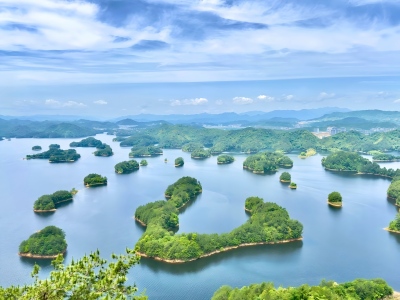
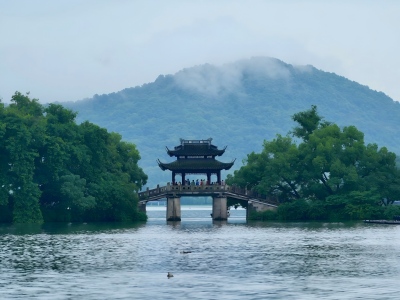
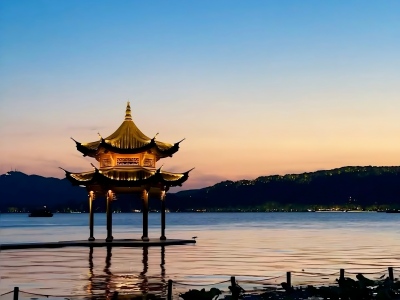
If you've recently seen photos of a surreal green lake that looks like melted matcha, chances are you were looking at Qingshan Lake. Tucked away in the Lin'an district of Hangzhou, there are no grand landmarks or busy promenades here—just quiet water, tall trees growing straight out of it, and a kind of calm that's getting harder to find in popular destinations. But here's the thing most guides won't tell you: Qingshan Lake isn't a place you just "visit." It's a place you need to experience the right way. In this guide, we'll walk you through whether it's actually worth your time, when to go, what to do, and—more importantly—how to enjoy it properly.
What Makes Qingshan Lake Unique
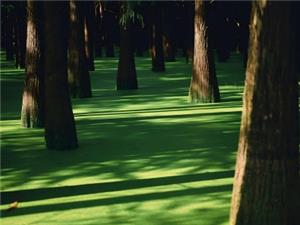
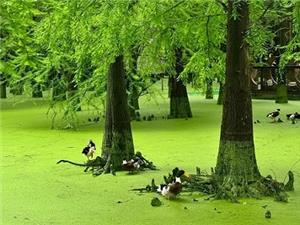
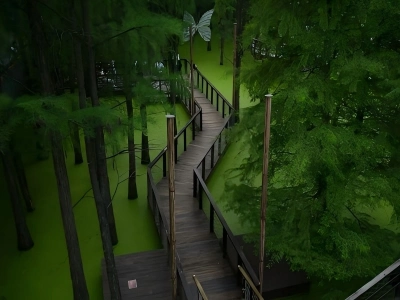
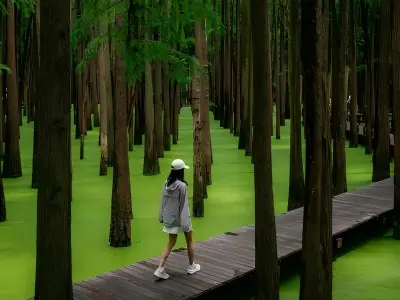
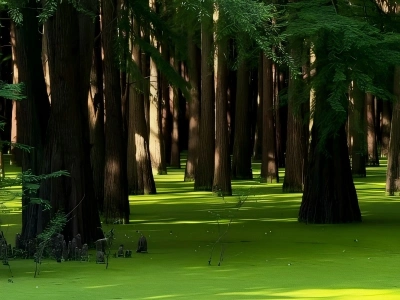
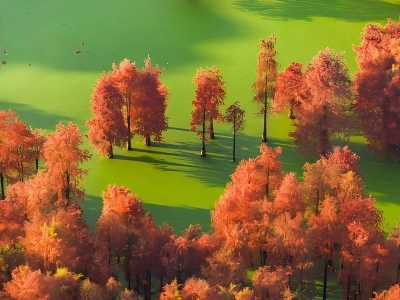
Qingshan Lake is best known for its seasonal "water forest," where rows of bald cypress trees stand directly in the lake. During certain times of the year, the water turns a rich green, reflecting the trees and creating that now-famous "matcha" effect. The color isn't artificial—it's a mix of algae, light, and dense tree reflections. On calm days, the surface becomes almost mirror-like, giving the whole area a soft, dreamlike feel. It's not a place you check off—it's a place you slow down in.
Is Qingshan Lake Worth Visiting?
Yes — it's absolutely worth visiting, but only if you approach it the right way. Qingshan Lake isn't about ticking off famous landmarks. It's about stepping into a quiet, almost surreal natural setting that feels very different from the rest of Hangzhou. There's no pressure to rush. You can walk, sit, or drift through the trees, and that's exactly the point.
Best For These Travelers
· Travelers looking to escape crowds and slow down
· Photography lovers, especially those interested in reflections and nature scenes
· Couples or solo travelers who prefer atmosphere over attractions
· Visitors who have already seen West Lake and want something different
Who Might Not Enjoy It
· First-time visitors trying to cover all major Hangzhou highlights
· Travelers with a tight schedule
· People expecting iconic landmarks or a packed itinerary
· Anyone not particularly interested in nature or outdoor settings
Reality Check: What It's Actually Like
Let's set expectations clearly—this is where many visitors get it wrong.
It's Not Always That "Matcha Green"
The iconic green color isn't guaranteed. It changes with season, light, and water conditions. On a good day, the water feels deep and almost velvety. On an off day, it can look much more muted. If you're coming specifically for that "matcha" effect, timing matters more than you think.
Not Every Area Looks Like the Photos
Most of the viral images are taken in denser sections of the water forest. Near the entrances or outer areas, the scenery can feel more open—and sometimes a bit underwhelming if your expectations are too high. The deeper you go, the better it gets.
The First Impression Can Be Misleading
If you only walk a short distance from the main entrance, you might feel like:"Is this it?" That's a common reaction. The experience improves noticeably once you: walk further in or get onto the water.
Weather Changes Everything
This is not a "go anytime" destination.
Calm, sunny mornings → reflections, color, atmosphere
Cloudy or windy days → flat water, weaker visuals
Unlike city landmarks, Qingshan Lake is highly weather-dependent.
It's Not Completely Crowd-Free
While it's quieter than most places in Hangzhou, it's not hidden anymore. Weekends can get busy near the main entrance.
The Experience Is Subtle, Not Dramatic
There's no big "wow" moment like a famous landmark. Instead, it builds slowly:
· the stillness of the water
· the repetition of the trees
· the quiet atmosphere
If you expect something instantly spectacular, you might miss what makes it special
In short: Qingshan Lake isn't perfect—but if you understand its rhythm and give it a bit of time, it often ends up feeling more memorable than places that try harder to impress.
Things to Do at Qingshan Lake Water Forest
At Qingshan Lake, it's not about how much you do—but how you experience it. You can stay on the boardwalk, move deeper into the forest, or get out onto the water—and each choice changes the feeling completely. Here are the main ways to explore it, depending on how immersive you want your visit to be.
Walk Through the Floating Forest
Most visitors start here. The wooden paths let you walk right through the trees, which is a great introduction to the landscape. You'll feel like walking inside a green fairy tale. But the perspective stays relatively flat. You're always looking at the forest from the edge.
Kayak Through the Trees (The Best Way to Experience It)
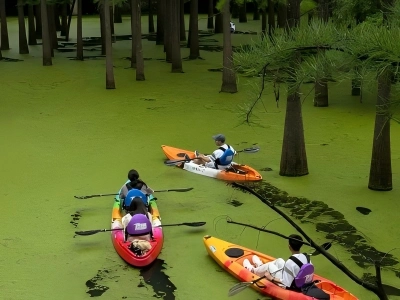
If there's one thing that truly defines Qingshan Lake, it's this. Gliding between the trees, surrounded by still water and reflections, feels completely different from walking. You're no longer observing—you're inside the scene. It's quieter, more immersive, and far more memorable. Much more private and immersive than the boardwalk. If you're deciding whether it's worth the extra cost—this is the part that usually makes the trip.
Kayak vs Walking:
Kayak = more adventure, unique photos, quiet
Walk = easier, slower, good for all ages
Cycle Around the Lake
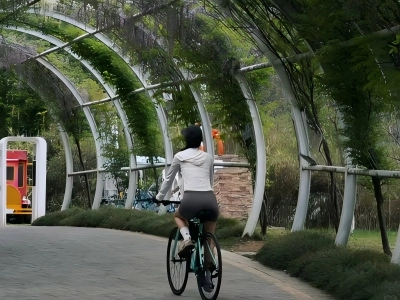
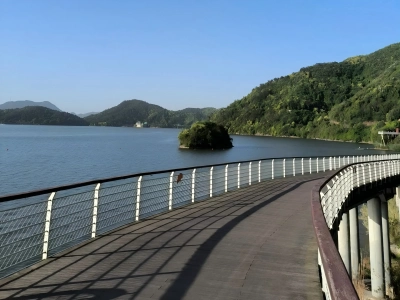
There's a greenway that circles parts of the lake, offering a more flexible way to explore. It's not as visually intense as the water forest itself, but it gives you breathing room and a sense of scale. Renting a bicycle or electric scooter to fully enjoy the gentle lake breeze and enchanting forest scenery is an excellent way to spend a leisurely afternoon.
Slow Down and Explore
Beyond the main areas, the lake has a surprisingly calm, almost untouched feel. You'll notice:
· Fewer people the further you walk
· Occasional wildlife—Qingshan Lake is home to many birds like herons, kingfishers, and wild ducks.
· Pockets of silence that are hard to find in central Hangzhou
Sometimes the best part here is doing very little.
Best Time to Visit Qingshan Lake
If you look up Qingshan Lake online, it almost feels like a single place—deep green water, perfectly still reflections, quiet forest scenes. But in reality, it doesn't always look like that. On some days, the lake feels rich and almost surreal, like liquid matcha. On others, it's softer, more muted, even a bit ordinary. The difference usually comes down to one thing: timing.
Knowing when to go—both the season and the time of day—can be the difference between "nice" and something that actually feels memorable. Here's how to get it right.
By Season
Autumn (Oct–Nov)
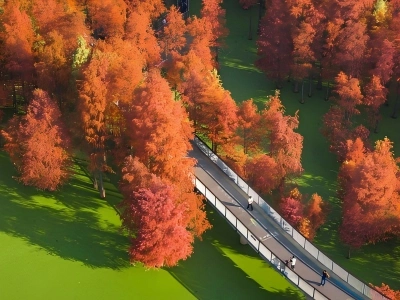
→The most photogenic time. Green water + warm-toned trees create strong contrast.
Summer
→The lake is at its greenest, but heat and humidity can be intense.
Spring / Winter
→Less dramatic visually, but quieter and more relaxed.
By Time of Day
Morning (Best overall) → Calm water, soft light, fewer people
Midday→ Harsh light and more visitors—this is when the lake feels least impressive
Late Afternoon / Sunset→ Warmer tones and a good atmosphere, but expect more crowds
If you're coming mainly for photos or atmosphere, early morning makes a noticeable difference.
Peak months for matcha color & autumn foliage
Matcha green: Typically strongest from late spring through summer (May – September), when the water and surrounding trees are at their fullest.
Autumn red leaves: Usually peaks around late October to November, when the cypress trees shift color while the water often remains green.
*If you're aiming for the most iconic look, autumn mornings are generally the safest bet.
Recommended Routes & Itineraries for Qingshan Lake
If you ask locals how to explore Qingshan Lake, most won't give you a fixed route.
It's not about following a path—it's about how you experience it. Many first-time visitors stick to the main boardwalk and leave quickly, which is why it can feel underwhelming. But walk a bit further or get out onto the water, and the whole place changes.
Here's a simple way to approach it, from the typical route to a better one, plus a few easy plans depending on your time.
The Typical Route
Most people follow a very straightforward path:
enter the scenic area → walk along the main boardwalk → take a few photos → head back.
It's easy and convenient, but also the most crowded and least immersive way to experience Qingshan Lake. If you only do this, it can feel like a short stop rather than a memorable visit.
A Better Way to Do It
Arrive early → kayak first (less people) → walk deep boardwalk → cycle a short lakeside section
This changes everything: Fewer people, Better angles, A much stronger sense of immersion.
Instead of just looking at the scenery, you're moving through it.
Half-day plan (water forest + kayak)
8:00–9:30 Kayak in water forest
9:30–11:30 Walk the floating boardwalk
11:30 Leave for lunch
One-day plan (full relaxed trip)
Morning: Water forest + kayak
Noon: Local lunch near the lake, fresh Lin'an local food: bamboo shoot dishes, farm vegetables, and rice noodles. No fancy dining—just light, tasty, local-style meals.
Afternoon: Cycling on lakeside greenway
Late afternoon: Coffee at a lakeside café + sunset view
If you still have energy, add a short, easy, low-key local spot nearby:Head to Lin'an Old Street (15 minutes' drive) for a quiet walk. It's a small, authentic old street with traditional houses, local snacks, and handmade shops—no crowds, no tourist traps, just real Lin'an vibe.
Need a smoother, stress-free trip?
We can help you customize your perfect Qingshan Lake itinerary—including private routes, best photo spots, kayak bookings, and hidden local picks—so you just show up and enjoy.
If you'd like to explore the famous water forest without worrying about transportation or route planning, take a look at our Qingshan Lake Private Tour.
Looking for more Hangzhou excursions? You can combine visits to West Lake, Lingyin Temple, and Longjing Tea Village for a complete Hangzhou experience.
Plan Your Visit: How to Get There, Tickets & Opening Hours
Before you go, it's worth getting a few basics clear. Qingshan Lake isn't complicated to visit, but knowing how to get there, what you'll need to pay for, and how the area is structured can save you time—and help you plan the day more smoothly.
How to get there from Hangzhou
Metro (best): Take Line 16 to Qingshan Lake Station or Babaili Station, then walk 10–15 mins or take a short bike ride, or wait for the 1-yuan shuttle bus.
Self-drive: Navigate "Qingshan Lake Water Forest" –About 1 hour from downtown.
Bus: Connect to Lin'an buses, then transfer locally.
Entrance fees & costs
Qingshan Lake greenway: FREE
Water forest ticket: ¥40/person. (Small tip: It will take 2 hours for the purchase to take effect, so please make the purchase in advance!)
Kayak rental: ¥120/h single; ¥220/h double.
Boat Tour: If you don't want to row yourself, you can also take the boat tour provided by the scenic area. The cost is approximately ¥80 per person.
Bike rental: About ¥20–40/h
Lake Tour Bus: If you find walking or cycling too tiring, you can take the tour bus. The fare for the entire route is ¥30.
Children's Playground: There is a small playground in the paid area, with an admission fee of ¥20. If you have children with you, you might consider visiting the slide and swing areas.
Item | Price | Notes |
Qingshan Lake Greenway | FREE | Open to public, no ticket needed |
Water Forest Ticket | ¥40 / person | Takes 2 hours to activate after purchase; buy in advance |
Single Kayak Rental | ¥120 / hour | Best for solo travelers & photographers |
Double Kayak Rental | ¥220 / hour | Ideal for couples & friends |
Scenic Boat Tour | ¥80 / person | For visitors who prefer not to paddle |
Bike Rental | ¥20–40 / hour | Regular bike & e-bike available |
Lake Tour Bus | ¥30 / full route | Convenient if tired of walking/cycling |
Children's Playground | ¥20 / entry | Includes slides & swings; for families with kids |
Opening hours
Usually 08:30–17:30 (stop entry at 17:00).
Slightly shorter in winter.
Suggested time: 2–4 hours is enough for most visitors
Local Tips From Buer China Travel
If you ask locals about Qingshan Lake, most won't talk about "must-see spots."
Instead, they'll tell you it's all about timing and how you move through the space. A small change in when you go—or how far you walk—can completely change the experience.
Here are a few things we usually share with friends:
Don't stop at the entrance area
The first section is where most people gather, take a few photos, and leave. It's also the most crowded and least impressive part.
Walk at least 10–15 minutes further in—you'll notice the scenery becomes denser and much quieter.
Some of the best views are slightly off the main path
The main boardwalk is the easiest route, but not always the most rewarding. If you step slightly off the main path or explore the edges, you'll often find denser trees, better reflections, and far fewer people.
For photos, direction matters more than you think
Instead of shooting toward the main paths, turn your camera toward the denser tree areas or away from where people are coming from. A small shift in angle or use tree frames to block crowds can help you avoid crowds entirely.
The best time to kayak is early in the day
Morning usually means calmer water and fewer people, which makes the whole experience smoother and more immersive.
Later in the day, the water gets busier and you lose some of that quiet feeling.
Weekdays feel completely different from weekends
The difference isn't just "a bit more crowded." The entire atmosphere shifts.
On weekdays, it's easy to find quiet corners and take your time. On weekends, the entrance and main boardwalk can feel much busier.
The "matcha" effect is strongest when the water is still
It's not just about timing—wind matters just as much. Even a light breeze can break the reflections and weaken that rich green "matcha" look. If you arrive and the water is completely still, that's usually your best window.
Kayaking routes can vary slightly depending on the day
The exact kayaking area may change depending on conditions and management on the day.
You won't always access the exact same sections of the forest, so if you're hoping for denser scenery, it's worth asking staff which areas are best.
Shoes matter more than you'd expect
The boardwalk can be slightly damp, and the surrounding area is part of a wetland environment. Wearing comfortable, non-slip shoes makes the experience noticeably easier—especially if you plan to walk further in.
These are the kinds of small details you only really notice after coming here more than once—but once you know them, the whole experience feels much more intentional, and much less like a typical tourist stop.
FAQS
1. Is Qingshan Lake worth visiting?
Yes—if you're looking for a quieter, more nature-focused experience.
2. When is the water forest green?
Mostly late spring through autumn, depending on conditions.
3. Can I kayak alone in the water forest? Is it safe?
Yes, you can rent a single or double kayak. It's very safe — the water is calm, the route is clear, and life jackets are provided. No experience is needed.
4. How far is it from Hangzhou?
Roughly 1–1.5 hours depending on transport.
5. Is it crowded?
It can be busy near the entrance, especially on weekends, but quieter if you walk further in or visit early.
6. Are there any good cafes or restaurants near Qingshan Lake?
Yes, there are many casual lakeside cafes for coffee and snacks, and local restaurants serving Lin'an bamboo shoot dishes, farm food, and rice noodles near the scenic area.
7. Is it suitable for families or older travelers?
Yes. The boardwalk is easy to walk, and the area is generally relaxed, though some sections may require a bit more walking.
8. Do I need to book tickets for Qingshan Lake in advance?
No—you can buy tickets on-site easily.
Qingshan Lake isn't a place that stands out instantly. But give it a little time—walk further, slow down, or get onto the water—and it starts to feel completely different. It's quiet, subtle, and easy to overlook. But for those who take it slow, it often ends up being one of the most memorable parts of the trip. If you're not sure how to plan it, we're always happy to help shape a route that fits your pace.